Bosweg — History & Facts
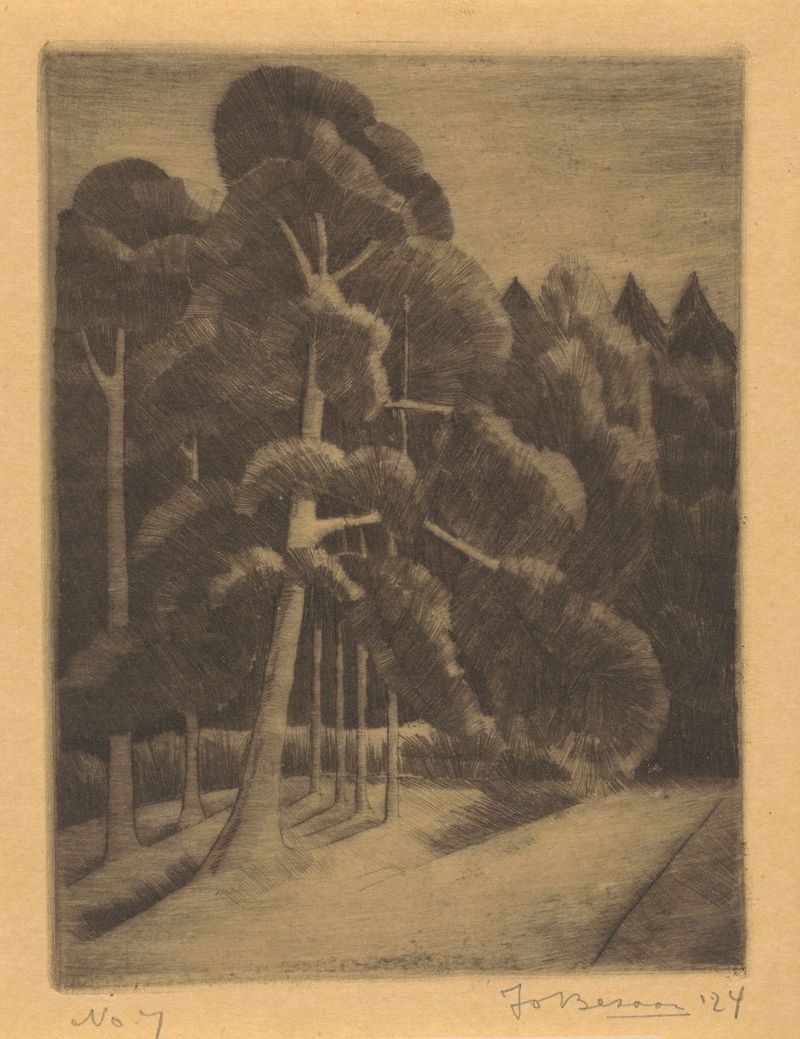
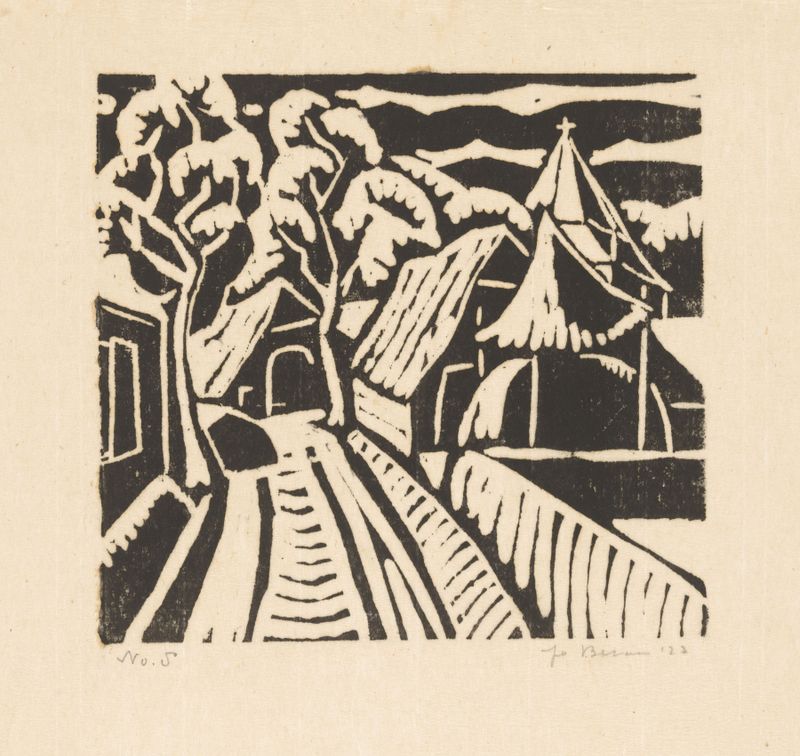
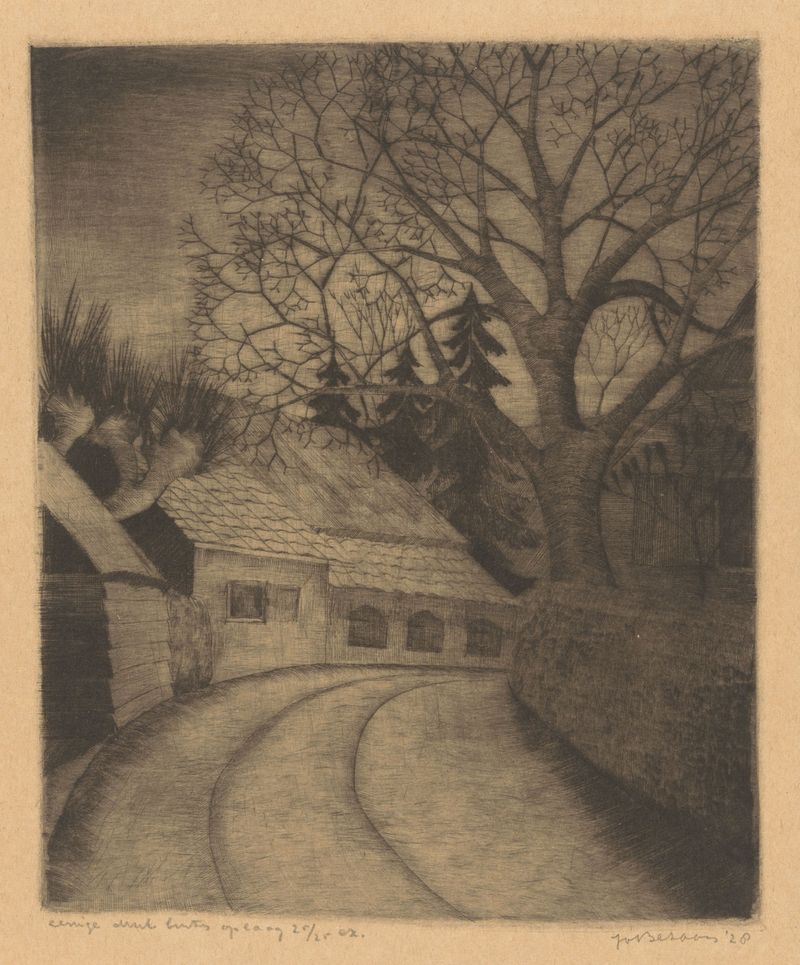
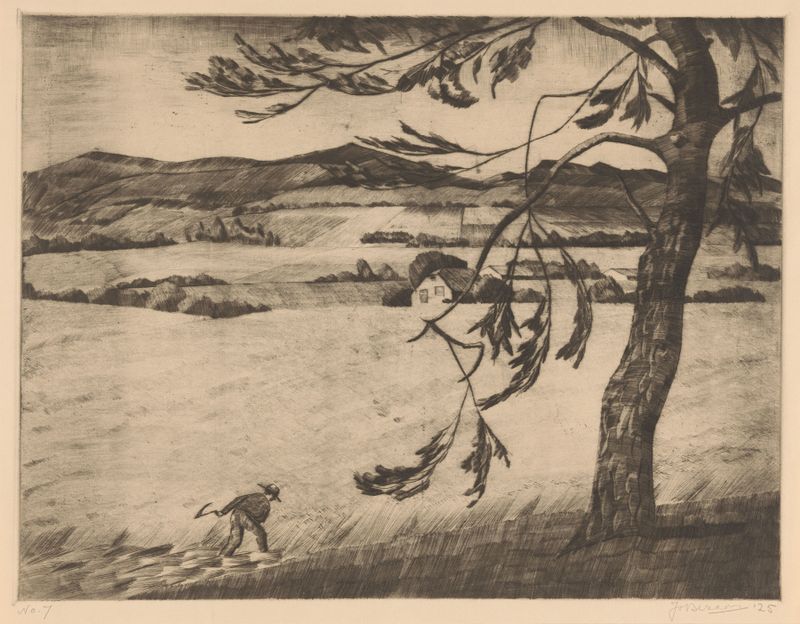
Could beauty survive in a century of chaos? In Bosweg, Jo Bezaan presents an exploration of truth through vibrant foliage and the interplay of light and shadow, inviting viewers to ponder the delicate balance of nature amidst the tumult of the era. Look to the center of the canvas where a winding path draws the eye, inviting one to venture deeper into the verdant landscape. The artist employs a rich palette of greens and earthy tones, contrasting them against soft, dappled sunlight filtering through the leaves overhead. Notice how the brushstrokes convey movement, with the wind seemingly stirring the branches, creating a sense of breath and life.
The rhythmic patterns of the trees evoke a natural symphony, capturing the viewer’s imagination. Delve deeper into the work and you’ll discover layers of meaning. The winding path symbolizes a journey, not just through the woods but through the complexities of human experience. The shadows cast among the trees hint at the unseen struggles and uncertainties of life, while the light that breaks through suggests hope and resilience.
Each element in the composition speaks to the coexistence of beauty and chaos, allowing the viewer to confront their own truths in the natural world. In 1925, while creating Bosweg, Bezaan was navigating the transformative landscapes of post-World War I Europe, a time marked by both recovery and turmoil. This period brought a shift in artistic expression, with a growing emphasis on the relationship between humanity and nature. As the artist painted, an era of introspection and renewal unfolded, positioning the work as a poignant reflection on the search for beauty in a world still grappling with the scars of conflict.