
Boten in de storm op zee — History & Facts
The tumultuous waves and foreboding sky in this piece encapsulate a profound melancholy, a testament to the duality of nature's beauty and its inherent peril. Focus first on the swirling chaos of the sea, where crests of waves rise and fall like the heartbeat of a living entity. The boats, dwarfed by nature’s fury, are painted with an exquisite attention to detail, their sails taut against the wind, suggesting both struggle and resilience. Hollar’s deft strokes create a contrast between the dark storm clouds and the luminous highlights on the water’s surface, evoking a sense of both danger and an almost surreal beauty. In the depths of this scene, one can perceive an exploration of vulnerability and the human condition.
The boats symbolize resilience in the face of overwhelming odds, while the threatening storm embodies the unpredictability of life itself. The delicate interplay of light and shadow serves as a reminder that moments of grace often exist alongside turmoil, suggesting that beauty may carry the weight of sorrow. Wenceslaus Hollar painted this work in 1635 during a period of significant upheaval in Europe, marked by the Thirty Years' War. Living in Antwerp at the time, Hollar was deeply influenced by both the Baroque art movement and the turbulent political landscape, which infused his works with a unique depth of emotion.
This painting reflects not only the artist's technical skill but also a resonant commentary on the struggle for existence amidst chaos.
More Artworks by Wenceslaus Hollar
Browse all →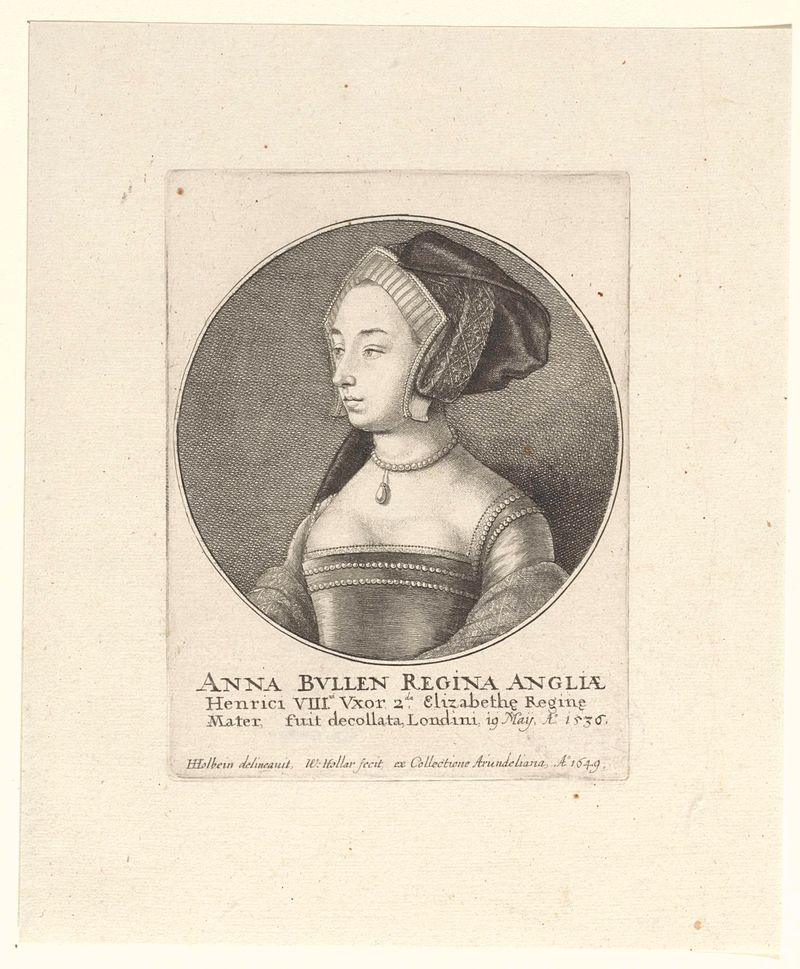
Portret van Anna Boleyn, koningin van Engeland
Wenceslaus Hollar
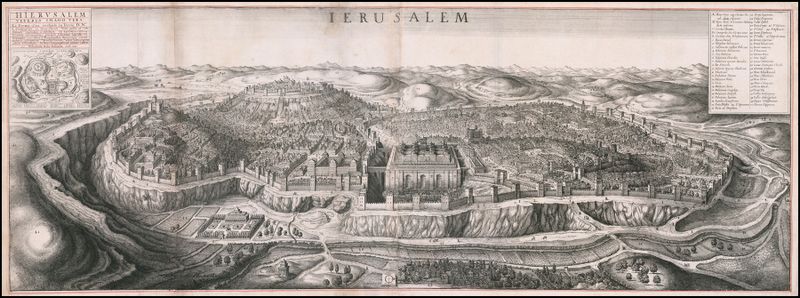
Bird’s eye view of Jerusalem
Wenceslaus Hollar
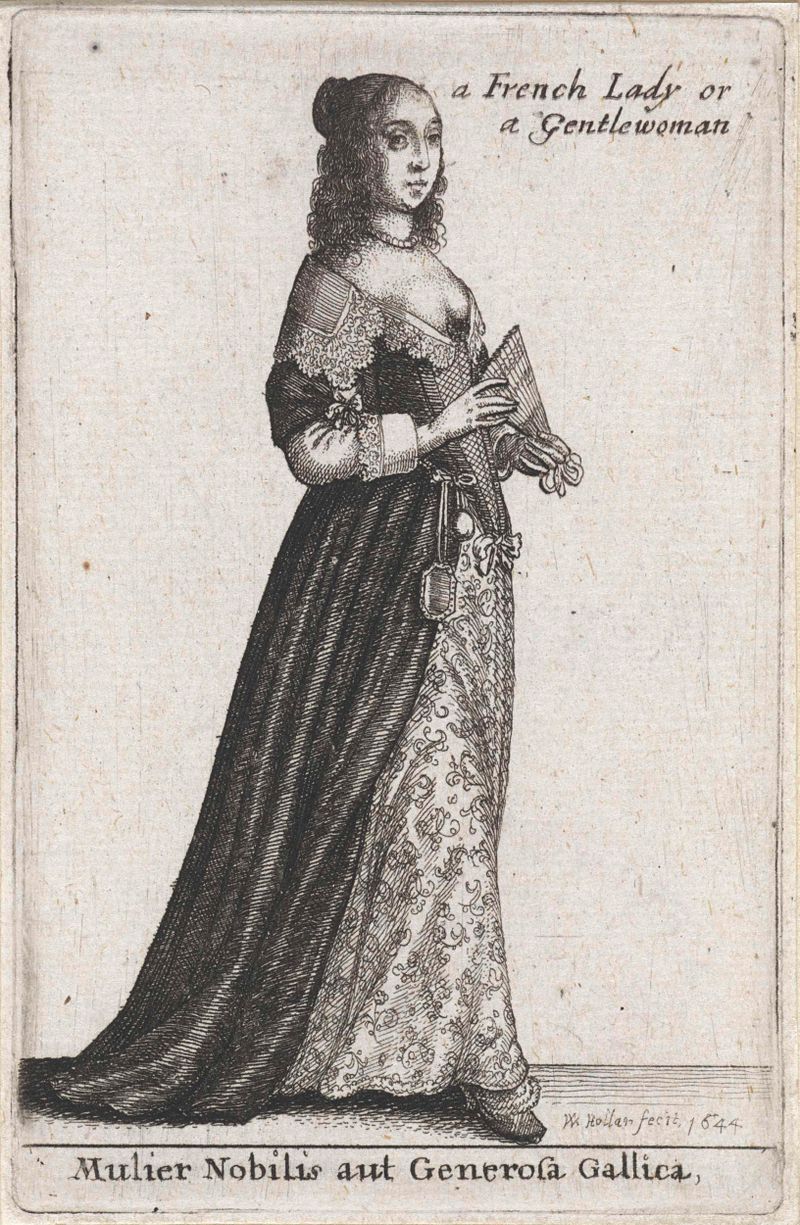
Mulier Nobilis aut Generosa Gallica / a French Lady or Gentlewoman
Wenceslaus Hollar
Titelprent voor: Ornatus Muliebris Anglicanus
Wenceslaus Hollar
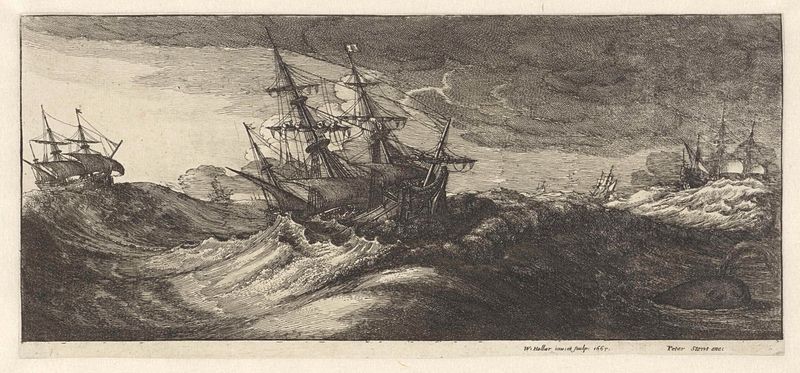
Oorlogsschepen en een walvis in een zeestorm
Wenceslaus Hollar
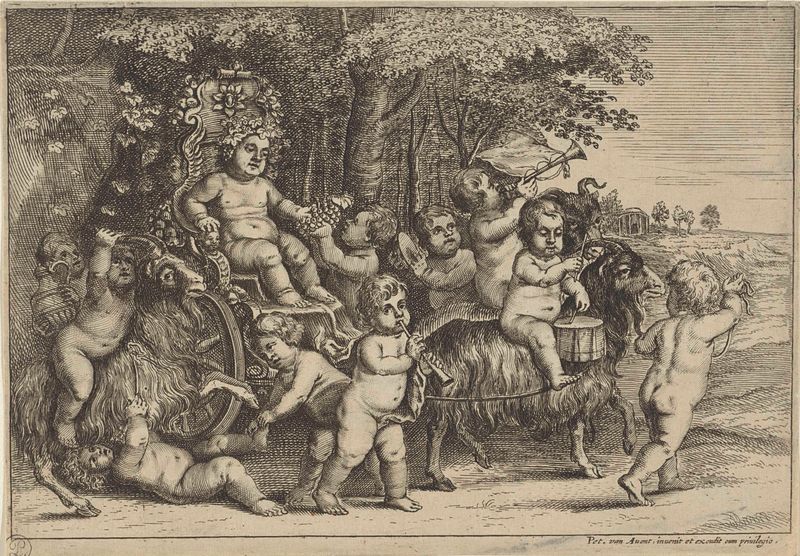
Optocht van bacchant en jongetjes op geiten
Wenceslaus Hollar
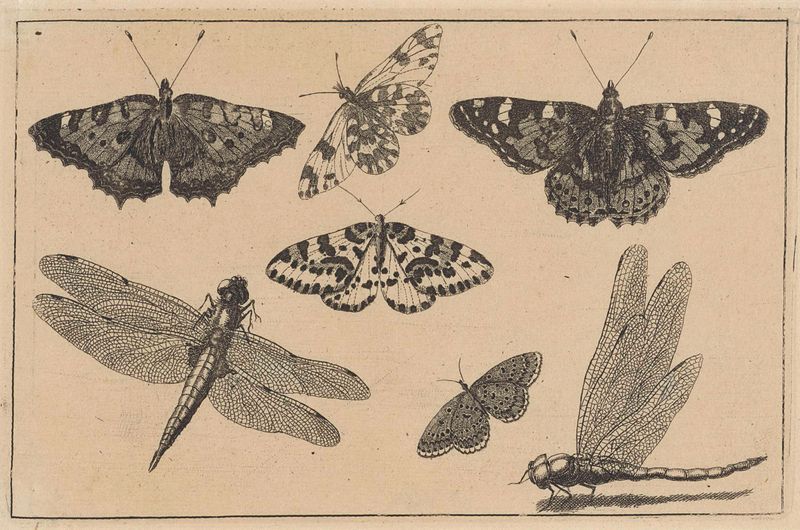
Twee libellen en vijf vlinders
Wenceslaus Hollar
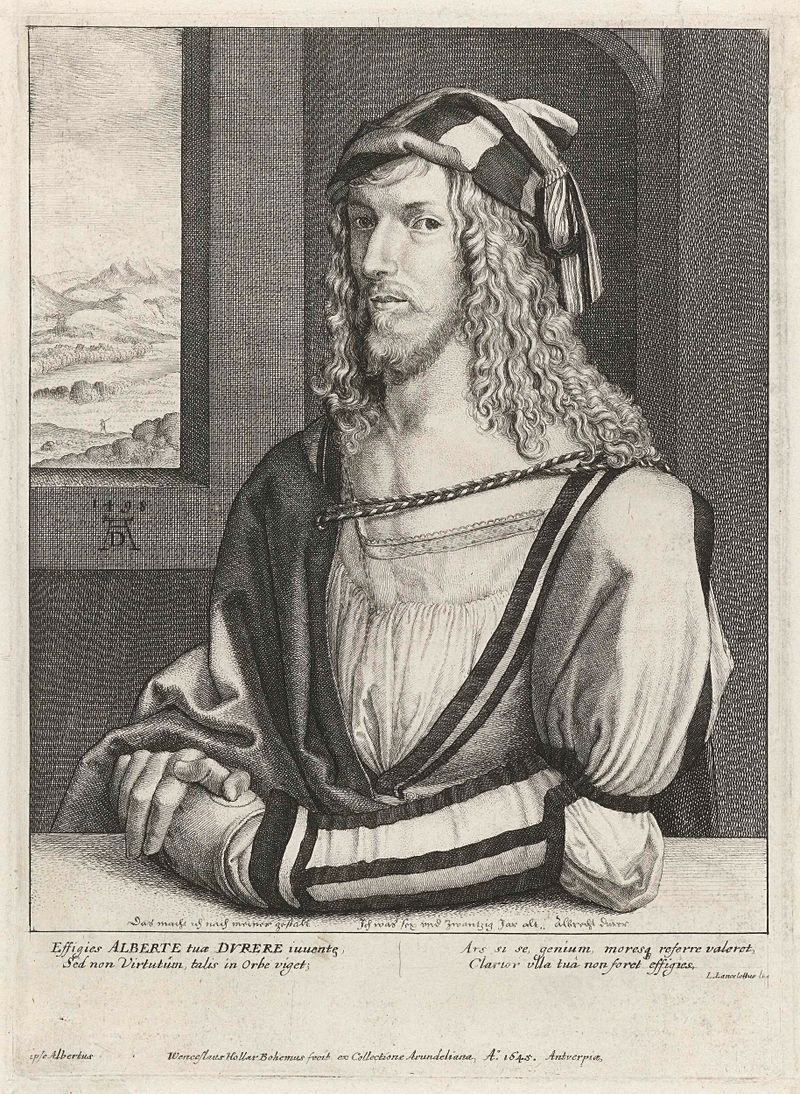
Portret van Albrecht Dürer
Wenceslaus Hollar
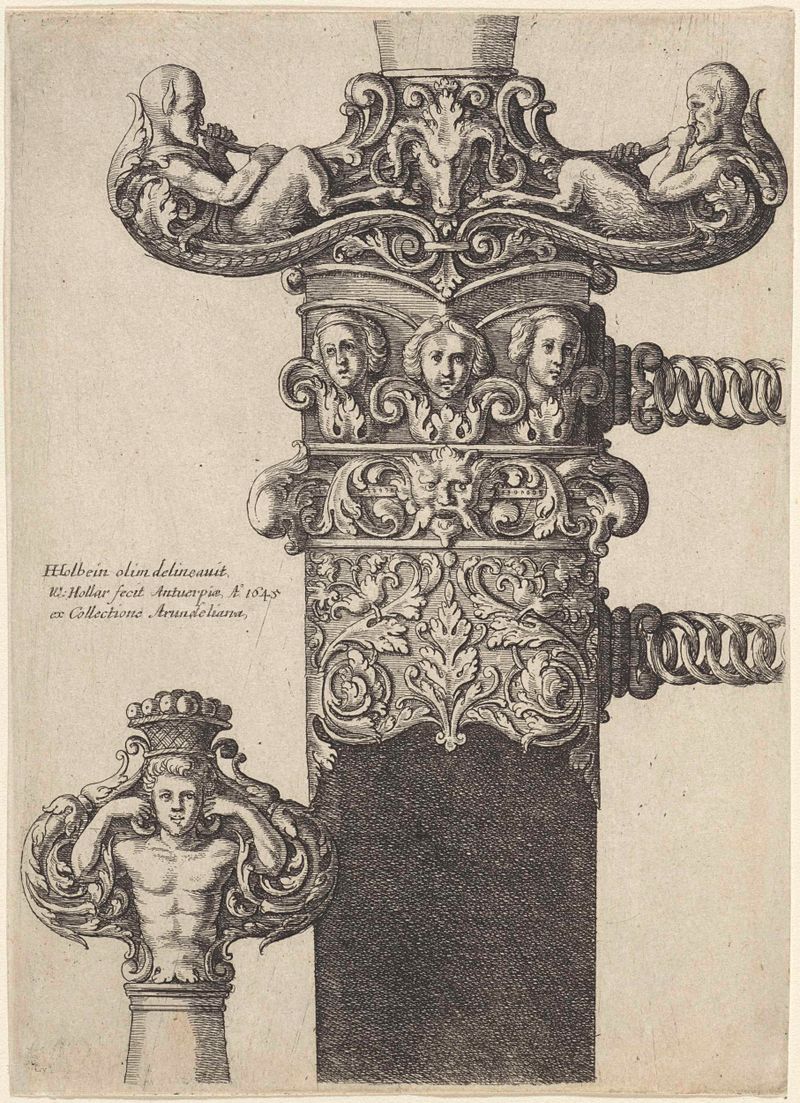
Ornamenteel ontwerp voor een dolk
Wenceslaus Hollar
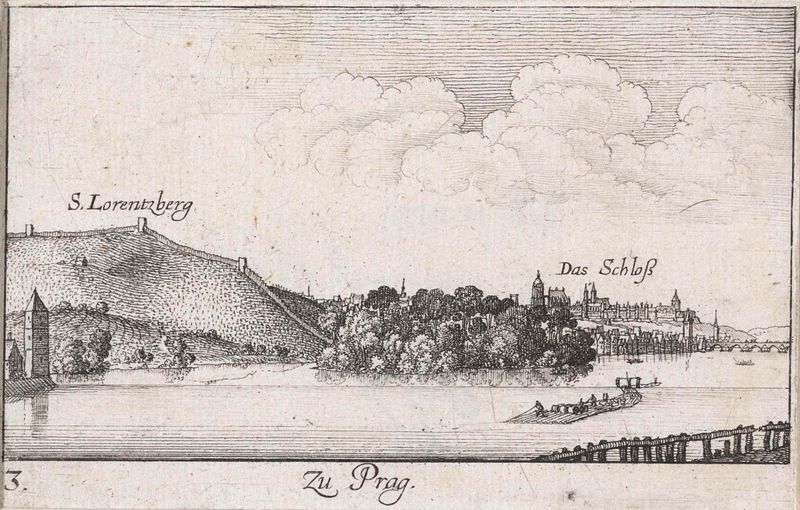
Gezicht op Praag vanaf de Moldau
Wenceslaus Hollar





