
Boulevard Malesherbes — History & Facts
Nostalgia seeps through the vibrant hues of a bygone era, whispering tales of life and longing within a single frame. Look to the foreground at the rhythm of the pedestrians, their silhouettes dancing along the boulevard. Notice how the artist captures the interplay of light and shadow, each figure seemingly lost in thought yet bound by an invisible thread of connection. The warm golds and muted blues create a harmonious atmosphere, inviting us to step into the scene while simultaneously reminding us of its fleeting nature. Within this bustling street, contrasts emerge: the bustling life against the serenity of architectural lines, the joy of movement shadowed by an undercurrent of melancholy.
Each expression on the faces, whether animated or subdued, reflects a shared human experience, hinting at stories untold. The layers of paint reveal not just the surface but an emotional depth, bridging the gap between the present moment and the echoes of history. In 1899, as Joyau painted this piece, he was immersed in the vibrant art scene of Paris, a city alive with innovation yet grappling with the shadows of the past. Impressionism was transforming the art world, and the artist was keenly aware of the transitory beauty around him.
Creating Boulevard Malesherbes, he sought to encapsulate the essence of urban life and the bittersweet nostalgia that accompanies it, making a powerful statement on the human experience.
More Artworks by Amédée Joyau
Browse all →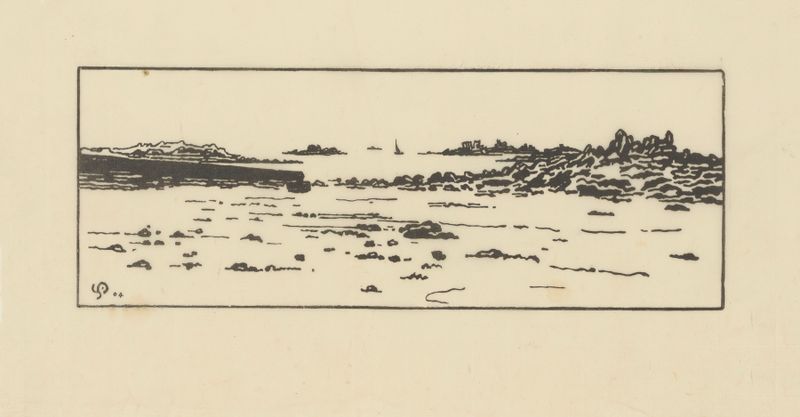
Côte de Roscoff, Marée basse
Amédée Joyau
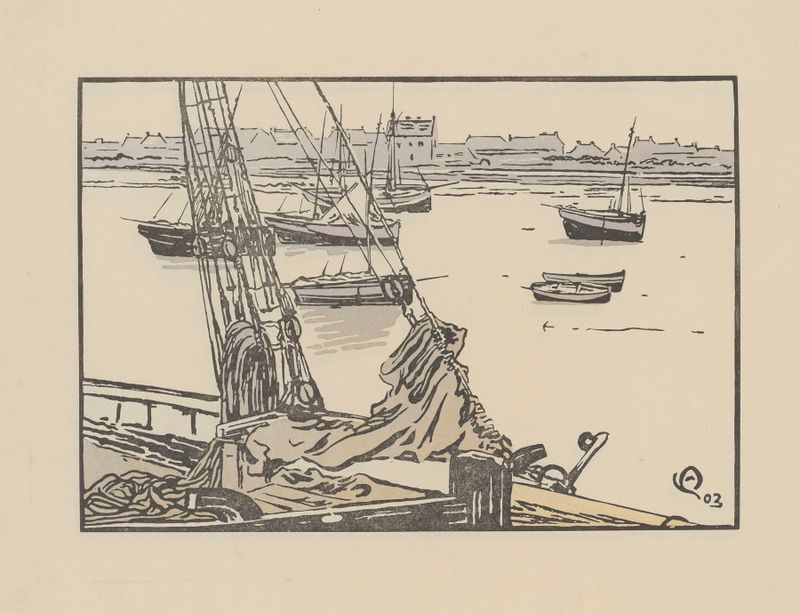
Roscoff, Matinée claire
Amédée Joyau
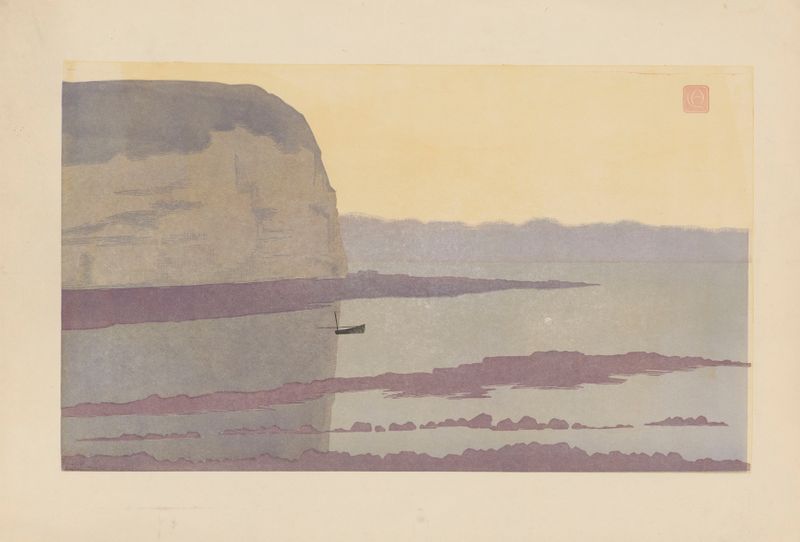
La Falaise, crépuscule (Yport)
Amédée Joyau
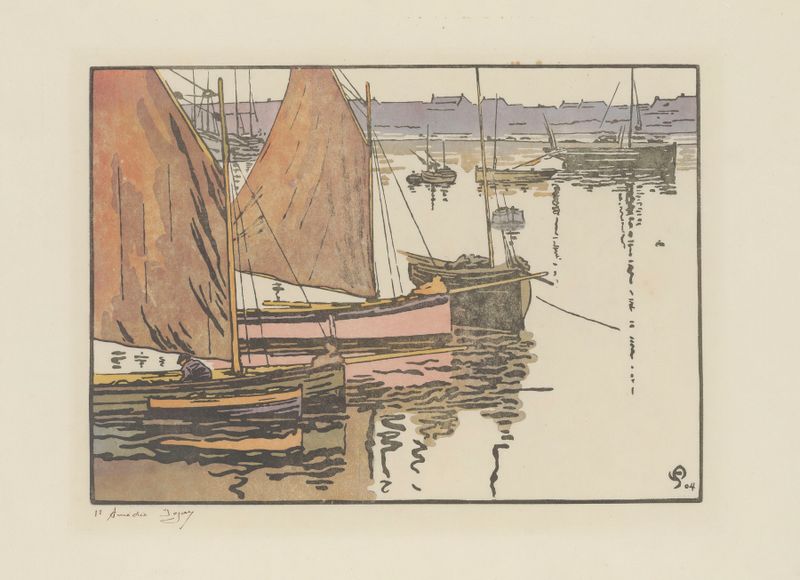
Roscoff, Les voiles rouges
Amédée Joyau
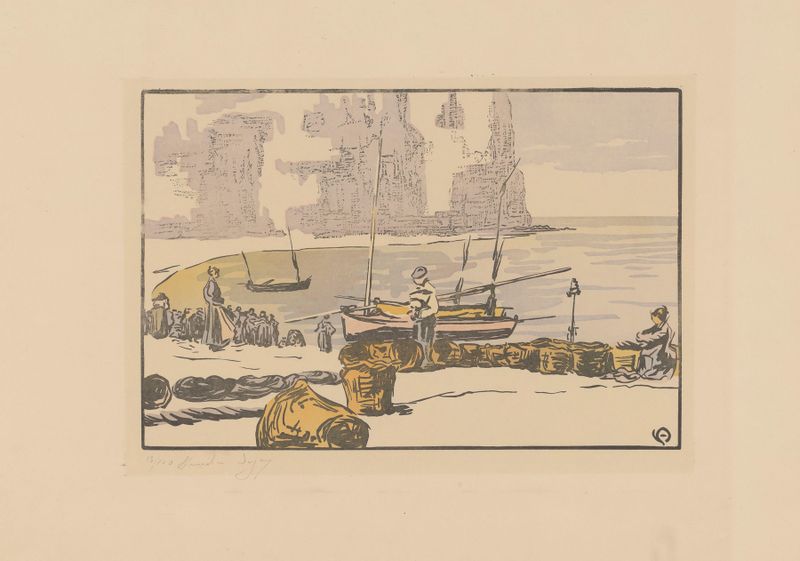
La Petite plage (Yport)
Amédée Joyau
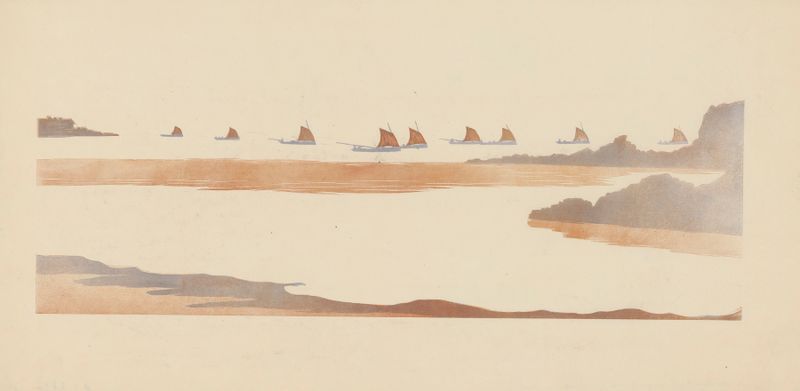
Rentrée des Sardiniers (Douarnenez, Finistère)
Amédée Joyau
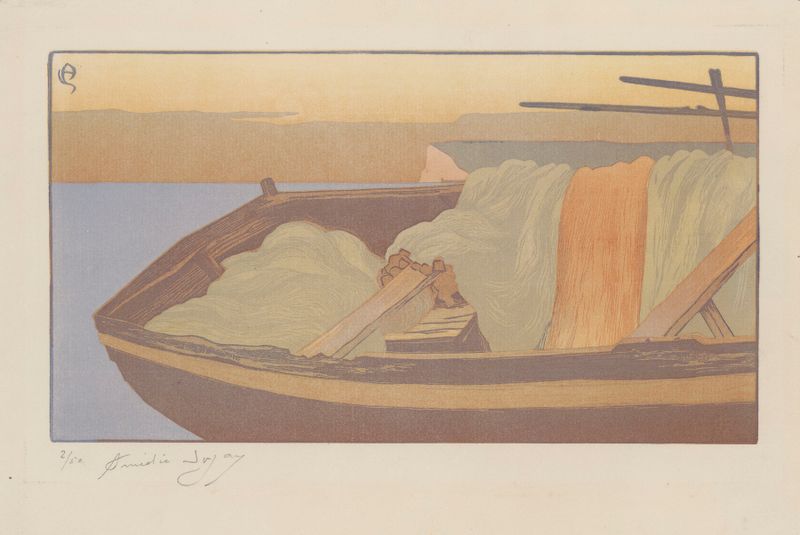
Les Filets (Yport)
Amédée Joyau
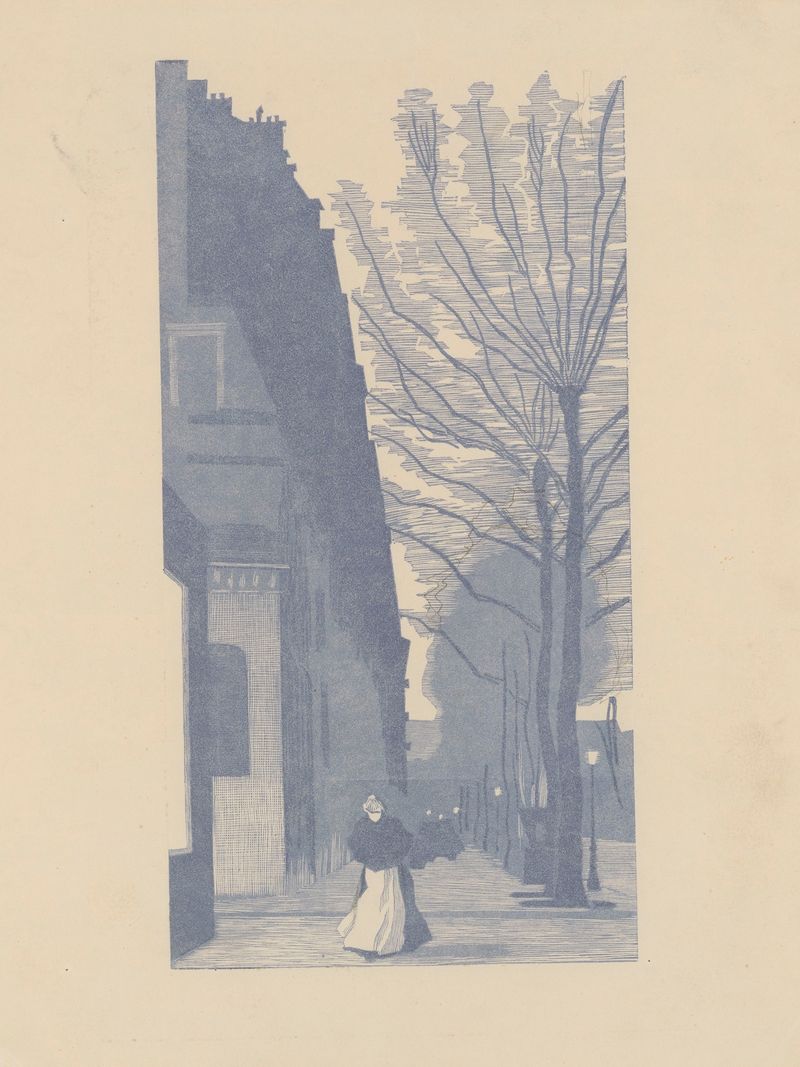
Avenue de Villiers (Paris)
Amédée Joyau
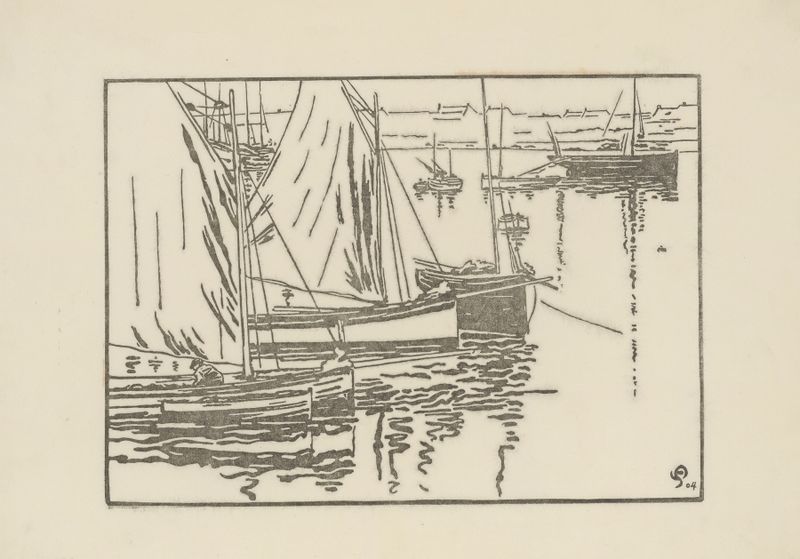
Roscoff, Les voiles rouges
Amédée Joyau
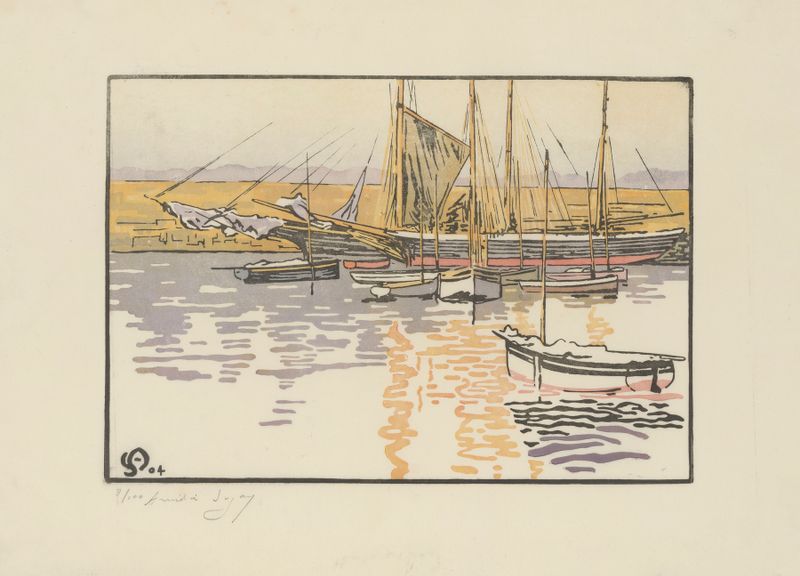
Roscoff, Les Goélettes
Amédée Joyau





