
Bowl of peaches — History & Facts
What first catches the eye in Bowl of peaches by Abraham Van Calraet is the hush that surrounds the fruit—a silence so complete you almost expect to hear the soft fuzz of the peaches if you lean in close enough. The painter’s light is gentle, grazing the plump surfaces to reveal their ripeness, while the shadows behind seem to cradle the fruit in secrecy. A single butterfly hovers at the edge of the scene, its wings barely visible, as if it too is drawn in by the promise of sweetness.
The porcelain bowl, cool and patterned, anchors the composition and leads the viewer’s gaze in a slow arc from left to right, pausing on the cherries that rest just at the table’s edge. Every detail—the grapevine curling behind, the glint of a cherry stem—seems chosen to heighten the sense of quiet abundance. Still lifes like this, painted in the late seventeenth century, were more than decorative—they were meditations on the fleeting pleasures of life and the wealth of the Dutch Golden Age. Artists such as Van Calraet specialized in these intimate studies, which were often commissioned by prosperous merchants eager to display both their taste and their prosperity.
The period between 1657 and 1722, when this work was created, saw a flourishing of such paintings, prized for their realism and their subtle moral undertones. Today, Bowl of peaches resides in the collection at Museum Boijmans Van Beuningen, a quiet witness to a world where fruit, porcelain, and the passing of time were all worthy of close attention. Look again, and notice how the light lingers on the fruit, as if reluctant to let the moment slip away.
More Artworks by Abraham Van Calraet
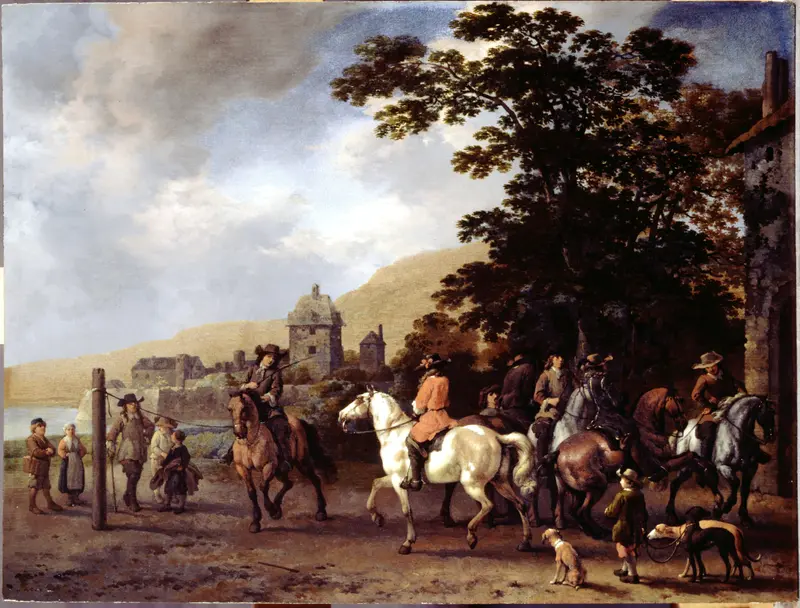
A Riding School in the Open Air
Abraham Van Calraet
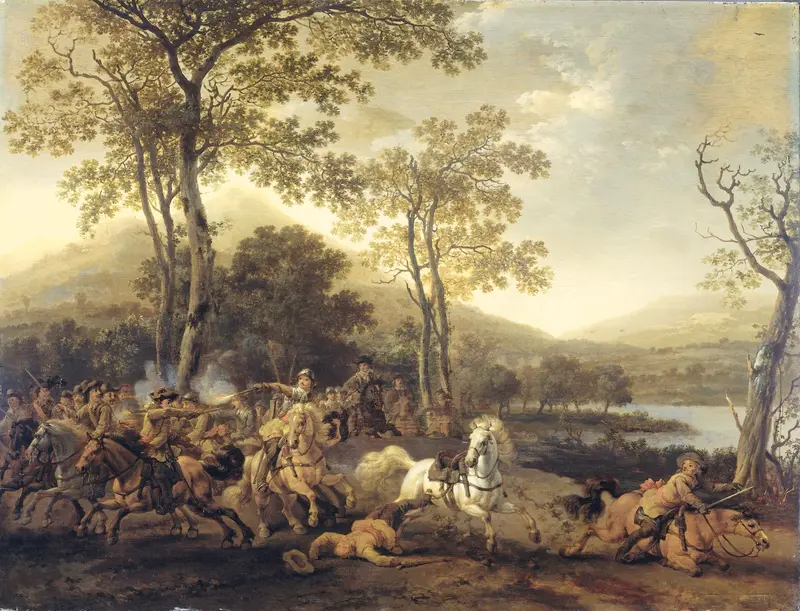
Cavalry Skirmish
Abraham Van Calraet
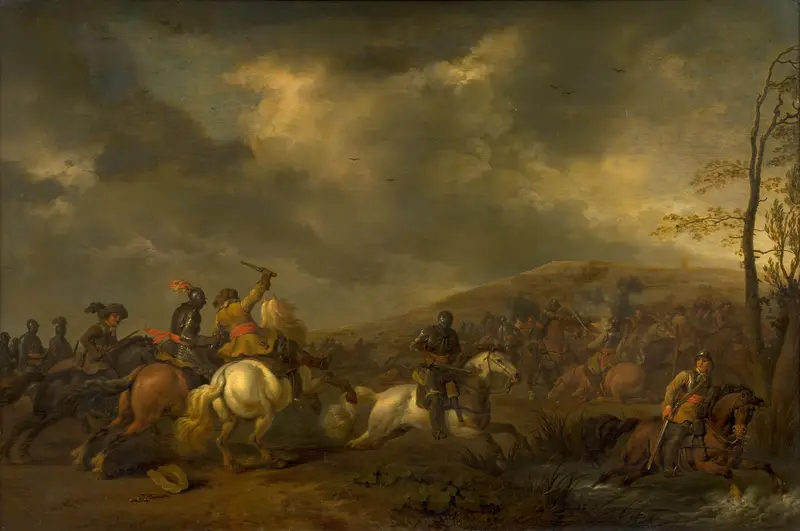
Choc de cavalerie
Abraham Van Calraet
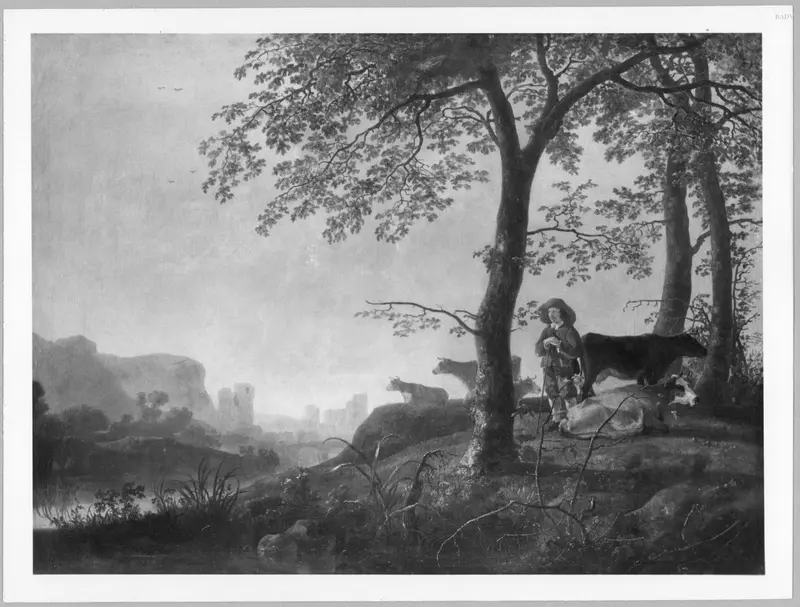
Herder and Cattle under Trees
Abraham Van Calraet
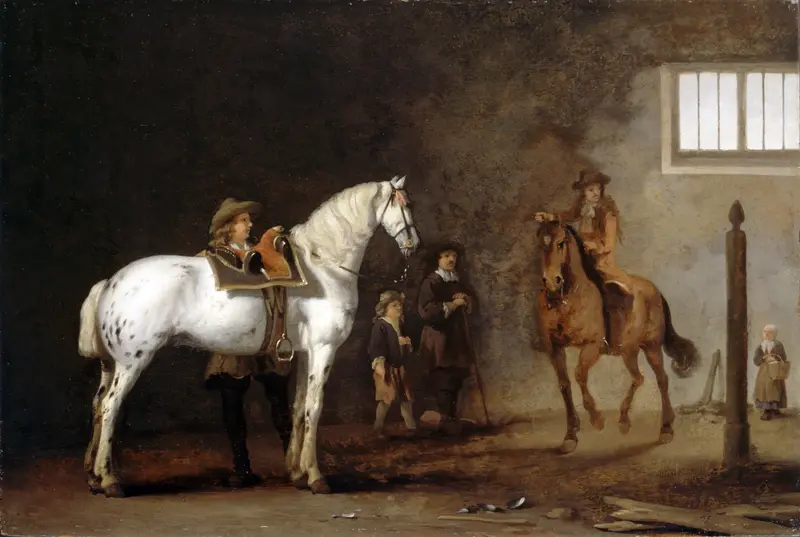
White Horse in a Riding School
Abraham Van Calraet
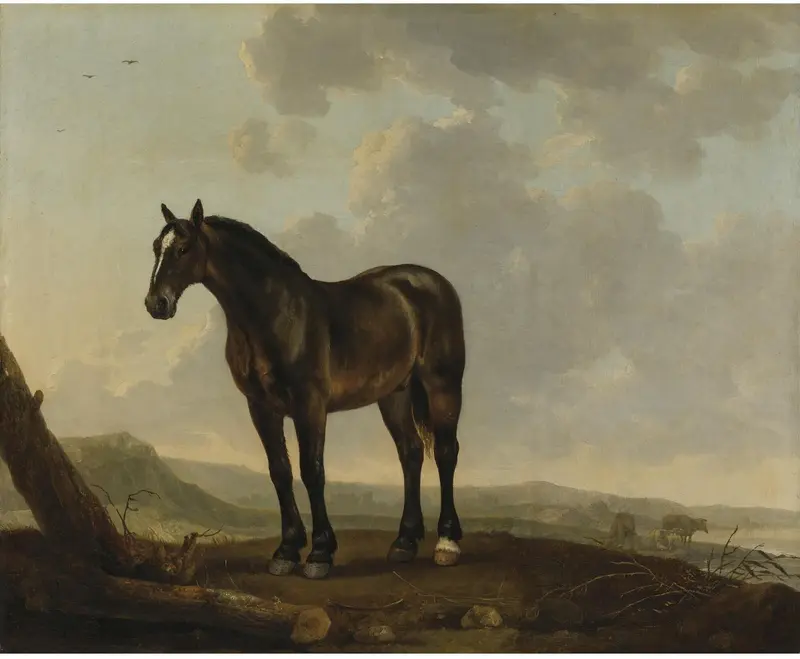
Landscape with a brown horse
Abraham Van Calraet
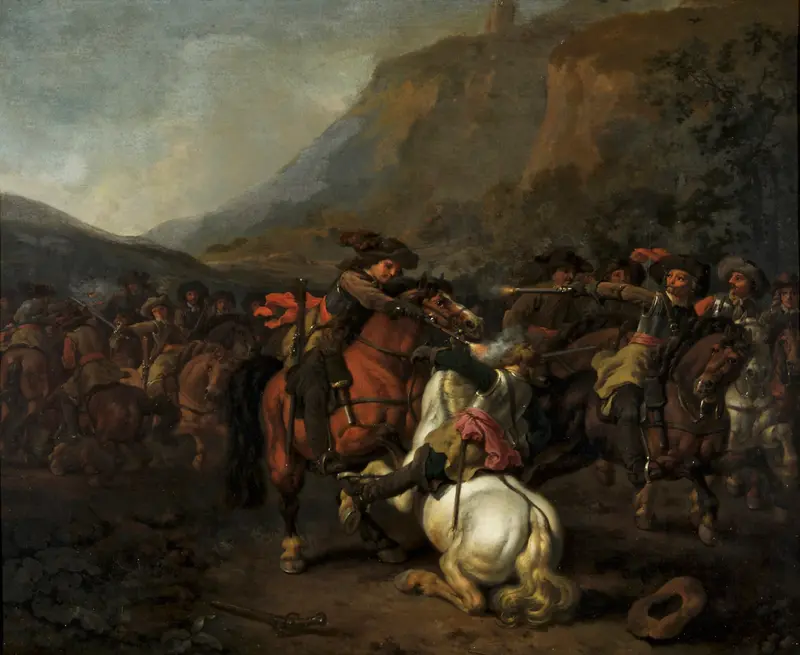
Ruitergevecht DM 016 1163 Dordrechts Museum
Abraham Van Calraet
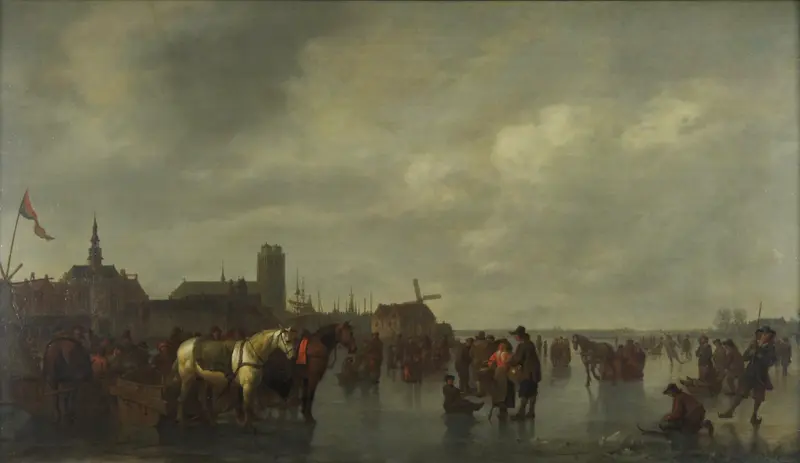
Scene on the Ice outside Dordrecht
Abraham Van Calraet
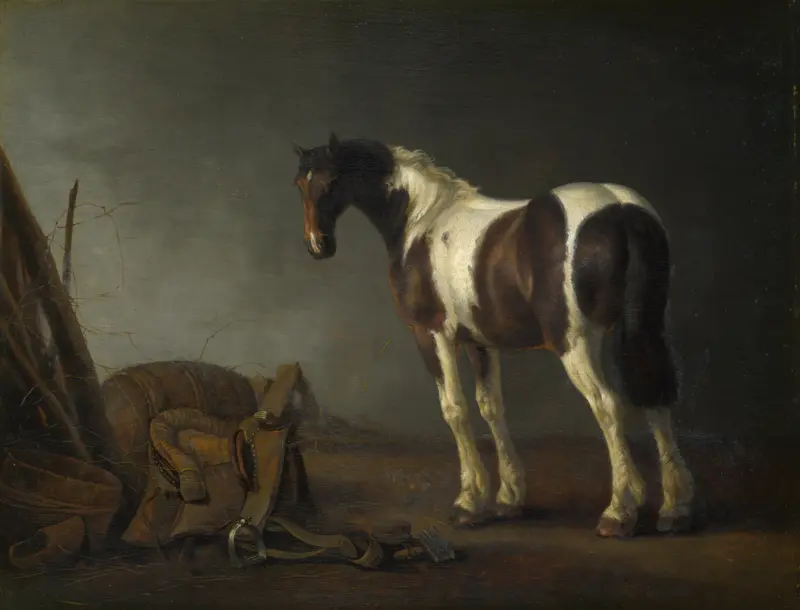
A Horse with a Saddle Beside it
Abraham Van Calraet
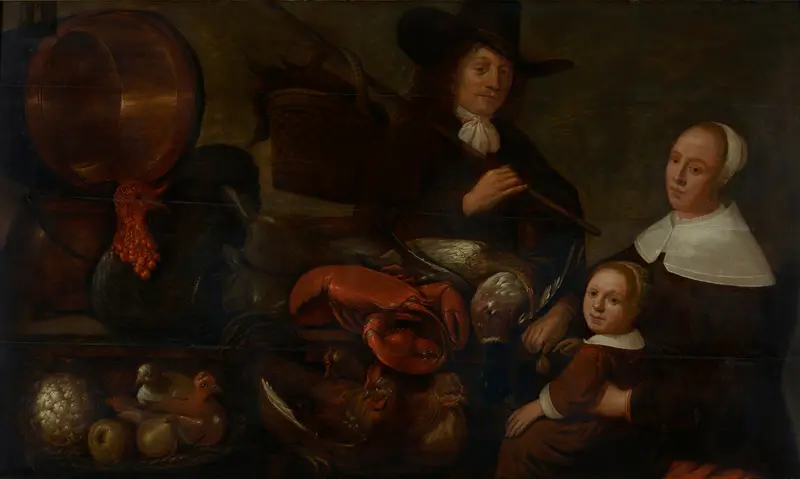
Portrait of a family
Abraham Van Calraet





