
Portrait of a family — History & Facts
What first catches the eye in Portrait of a family by Abraham Van Calraet is the abundance that spills across the canvas—a proud display of game, fowl, lobster, and fruit, all rendered with a dark, almost tactile richness. The family sits amidst their bounty, not apart from it, their faces calm and composed, their hands resting on the spoils of their labor. The father’s hand, gently but firmly gripping a staff, draws the viewer’s gaze upward from the table’s feast to his steady, direct gaze.
Light glances off the copper pots and the crimson lobster, then softens as it touches the mother and child, whose pale collars glow against the somber background. The careful arrangement of food and figures is no accident: it signals prosperity, pride, and perhaps a gentle assertion of status, while the subdued palette and quiet faces keep the mood grounded and intimate. Painted between 1650 and 1674, this work belongs to a Dutch tradition that blurred the lines between portraiture and still life, a genre beloved by the rising merchant class of the Dutch Golden Age. Such paintings were often commissioned to mark a family’s success or to celebrate the fruits of honest work—quite literally, in this case.
The world that produced Portrait of a family was one of bustling trade, shifting fortunes, and a new pride in domestic achievement. Today, the painting is held by the Dordrechts Museum, a fitting home for a work that so clearly proclaims the values of its time and place. Look again at the faces, and see not just individuals, but a family rooted in the world they helped to shape.
More Artworks by Abraham Van Calraet
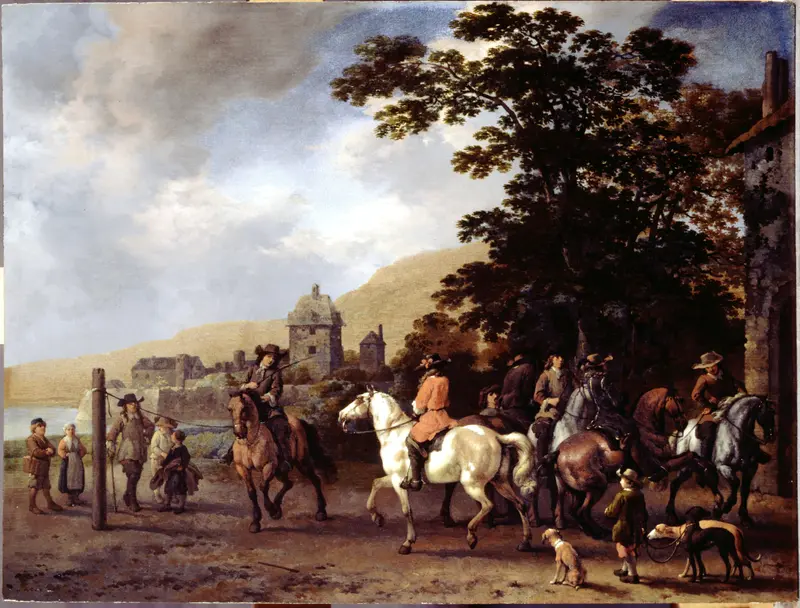
A Riding School in the Open Air
Abraham Van Calraet
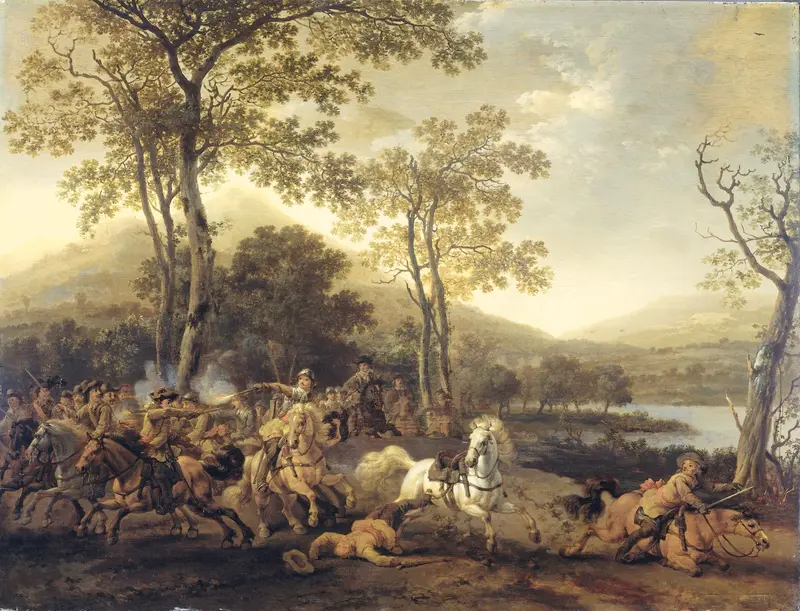
Cavalry Skirmish
Abraham Van Calraet
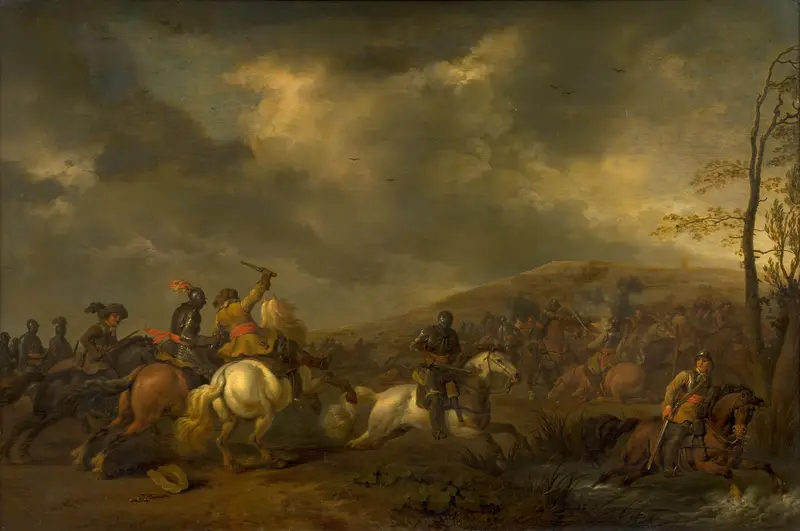
Choc de cavalerie
Abraham Van Calraet
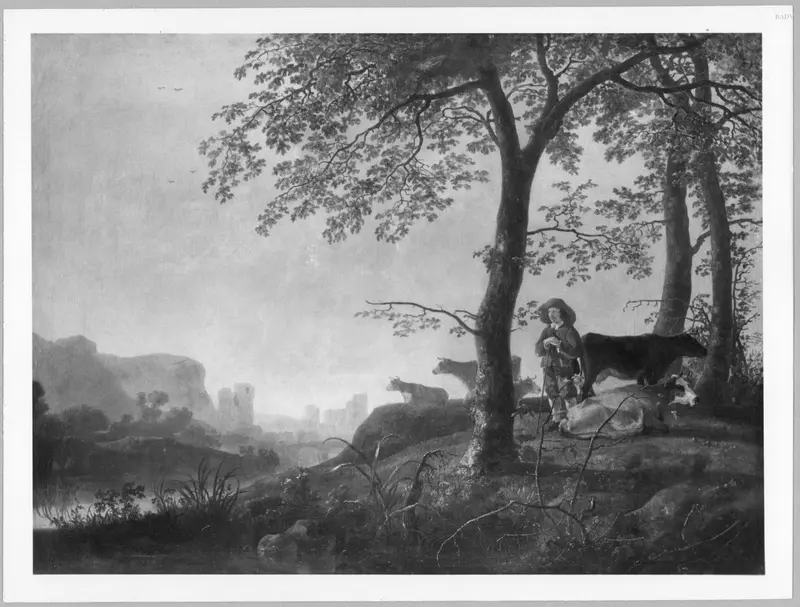
Herder and Cattle under Trees
Abraham Van Calraet
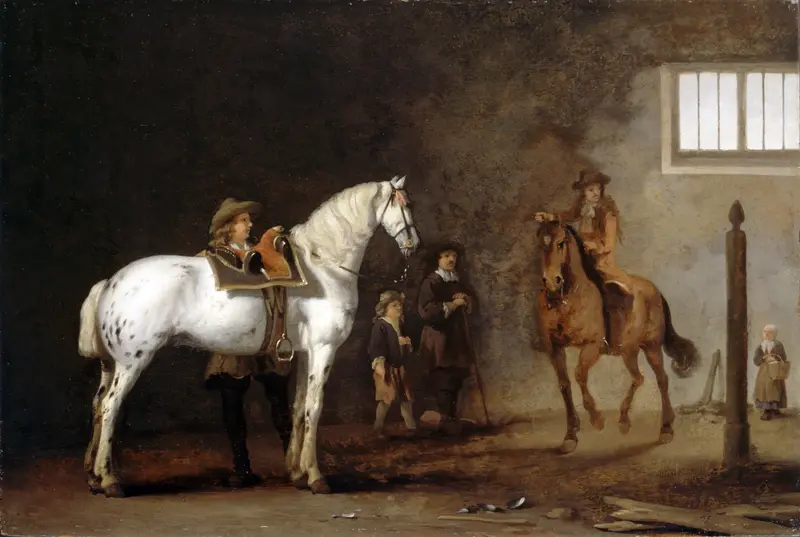
White Horse in a Riding School
Abraham Van Calraet
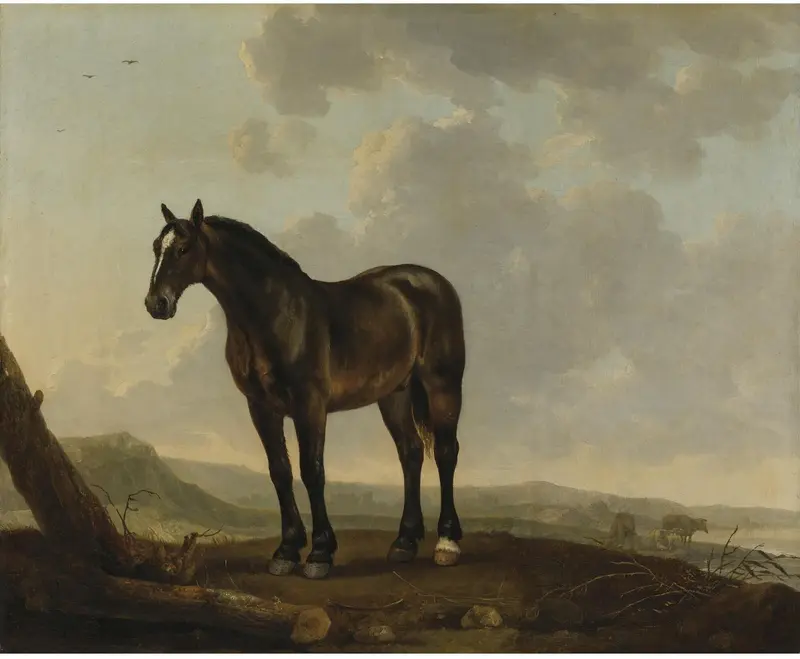
Landscape with a brown horse
Abraham Van Calraet
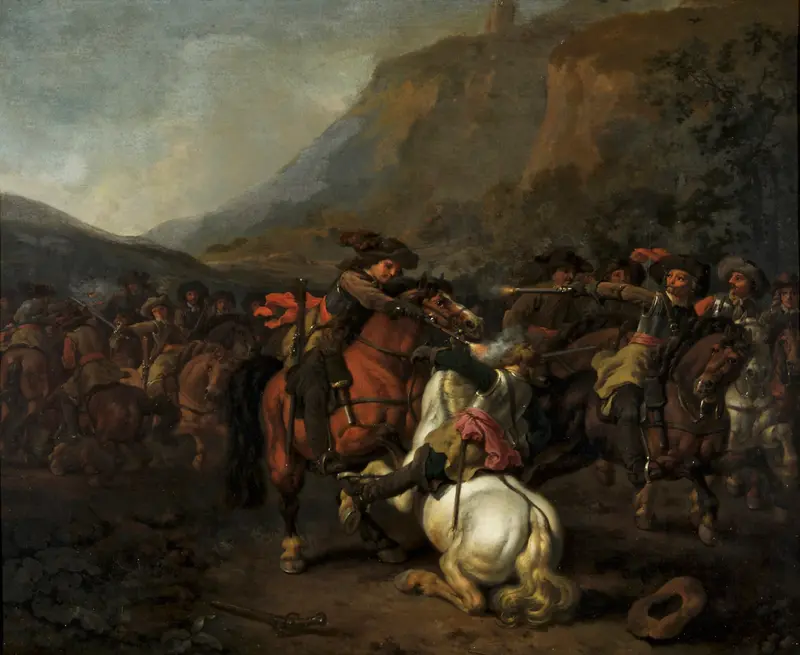
Ruitergevecht DM 016 1163 Dordrechts Museum
Abraham Van Calraet
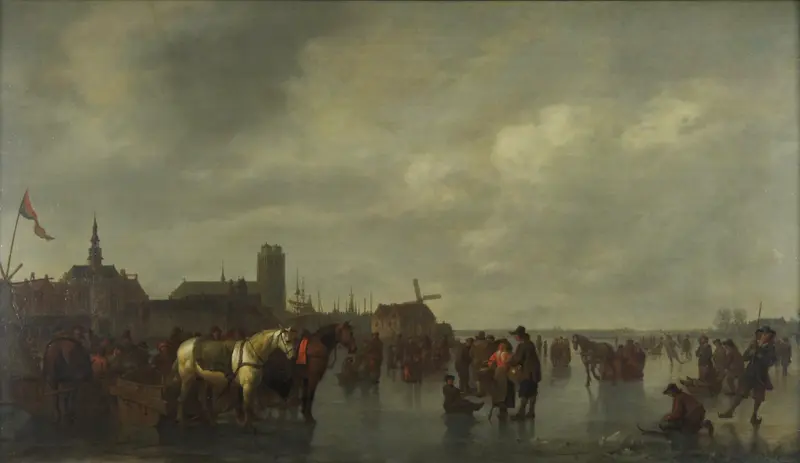
Scene on the Ice outside Dordrecht
Abraham Van Calraet
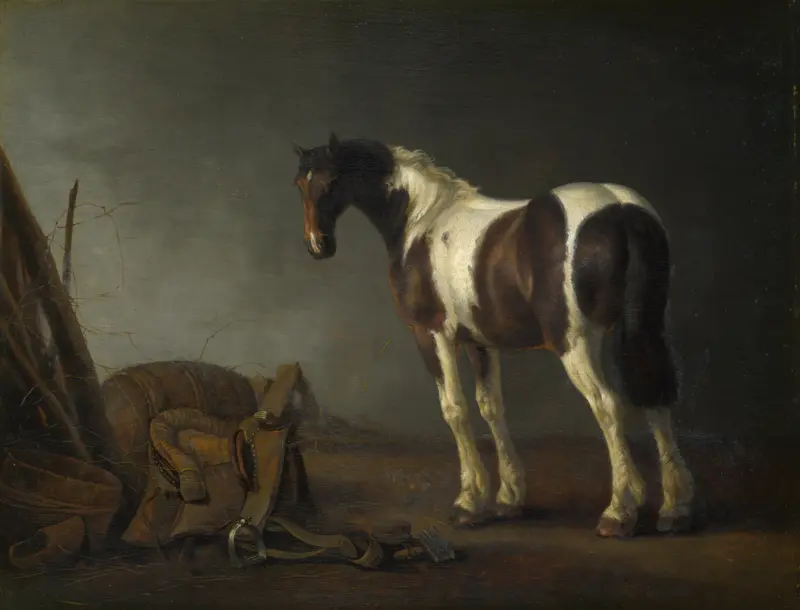
A Horse with a Saddle Beside it
Abraham Van Calraet
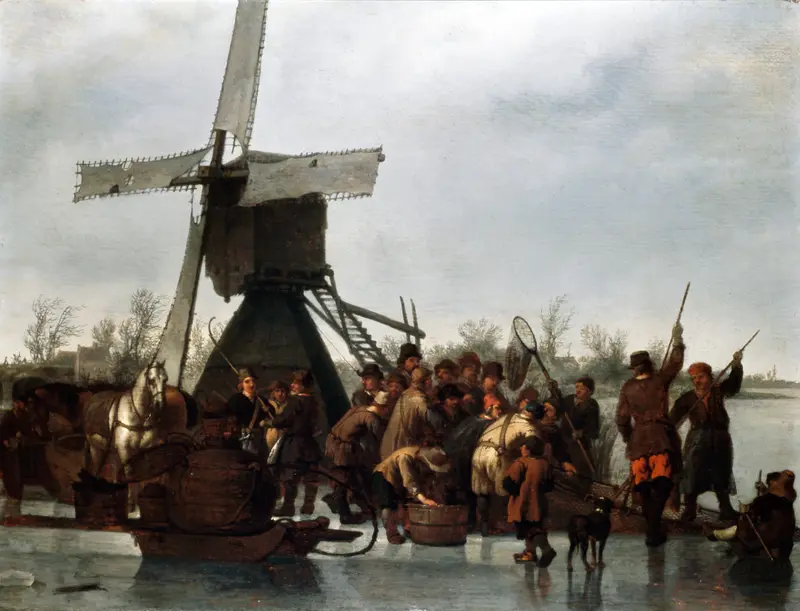
Fishing on the Ice
Abraham Van Calraet





