
Herder and Cattle under Trees — History & Facts
A hush falls over the scene, as if the world itself is holding its breath: a young herder stands beneath the gentle canopy of trees, his cattle clustered around him, their forms dappled by the filtered light. The eye is drawn first to the figure’s calm, almost contemplative posture—one hand resting on his staff, the other holding a loyal dog at his side. The cattle, at ease, graze or rest, their presence anchoring the composition and radiating a quiet stability.
The trees arch overhead, their branches framing the group and guiding our gaze toward the distant, misty landscape, where ruins and rolling hills dissolve into the horizon. Every element in Herder and Cattle under Trees is carefully placed, inviting the viewer to linger in this moment of rural stillness and gentle order. Painted in 1660, during the height of the Dutch Golden Age, this work by Abraham Van Calraet belongs to a tradition that celebrated the peace and productivity of the countryside. Such landscapes were prized by the urban elite, who commissioned them to bring a sense of pastoral calm into their homes—a reminder of the land’s bounty and the rhythms of rural life.
While little is recorded about the specific journey of this painting before it entered the collection of the Deutsches Historisches Museum, it stands as a testament to the era’s fascination with nature observed and idealized. The quiet dignity of the herder, the careful attention to the play of light and shadow, and the expansive, breathing space of the landscape all draw us back to look again, searching for the stories that linger just beyond the edge of the trees.
More Artworks by Abraham Van Calraet
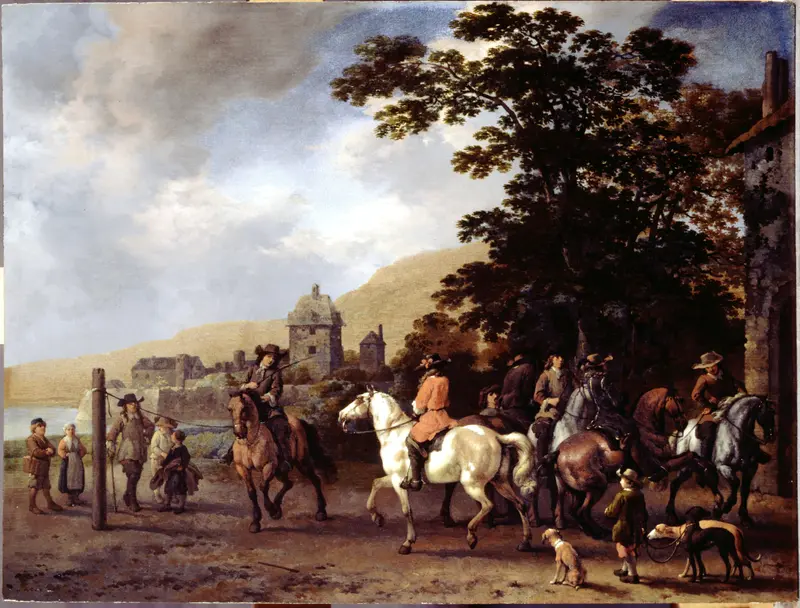
A Riding School in the Open Air
Abraham Van Calraet
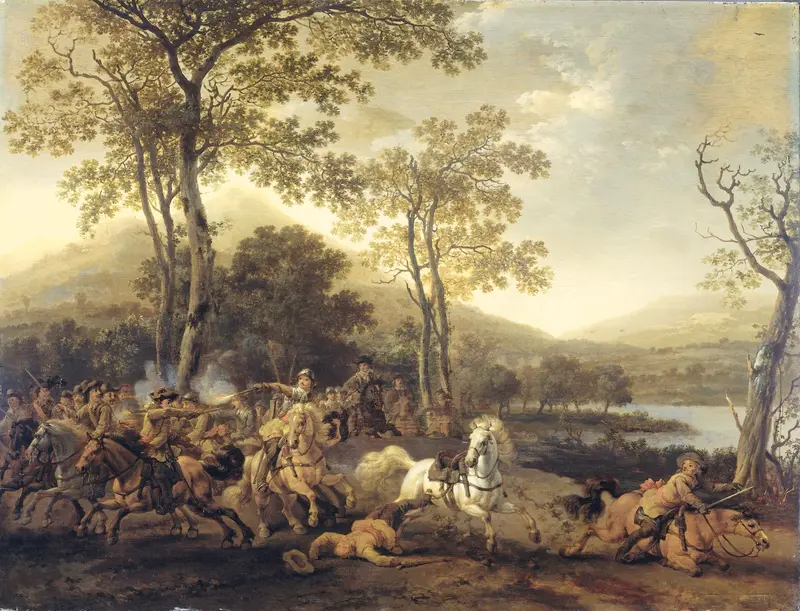
Cavalry Skirmish
Abraham Van Calraet
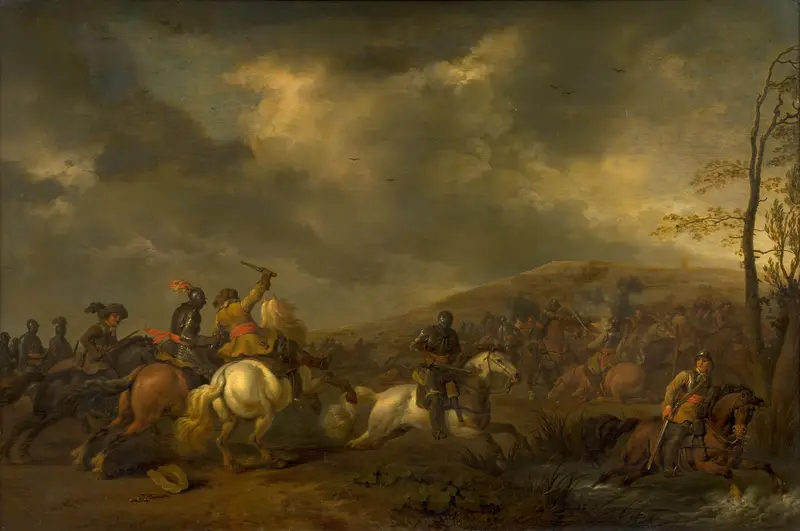
Choc de cavalerie
Abraham Van Calraet
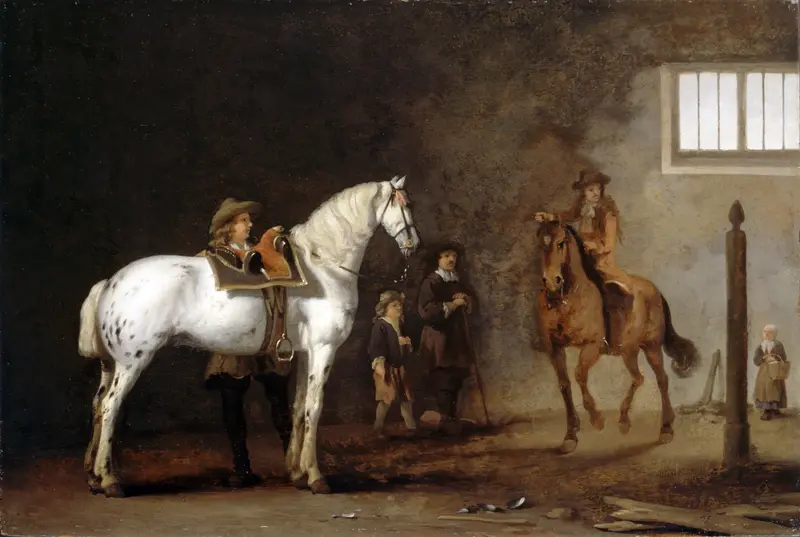
White Horse in a Riding School
Abraham Van Calraet
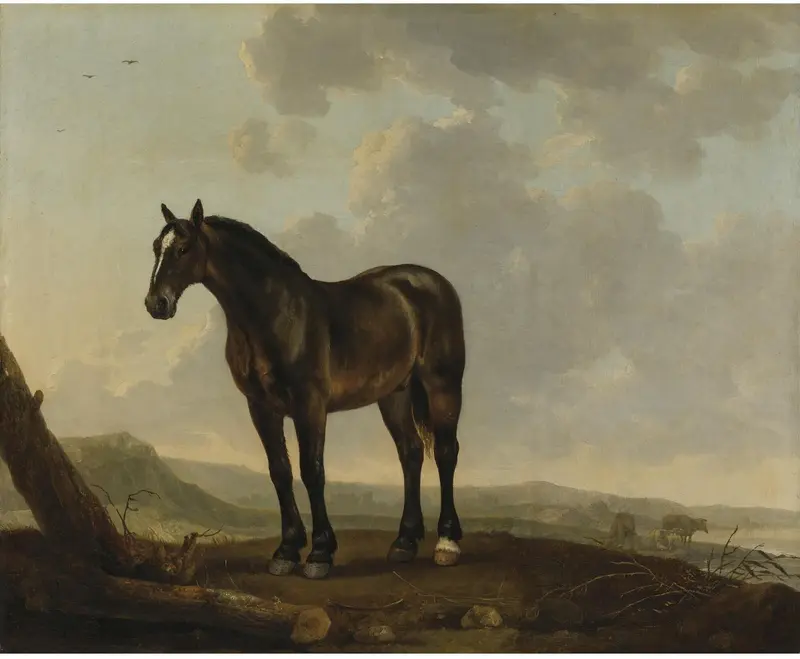
Landscape with a brown horse
Abraham Van Calraet
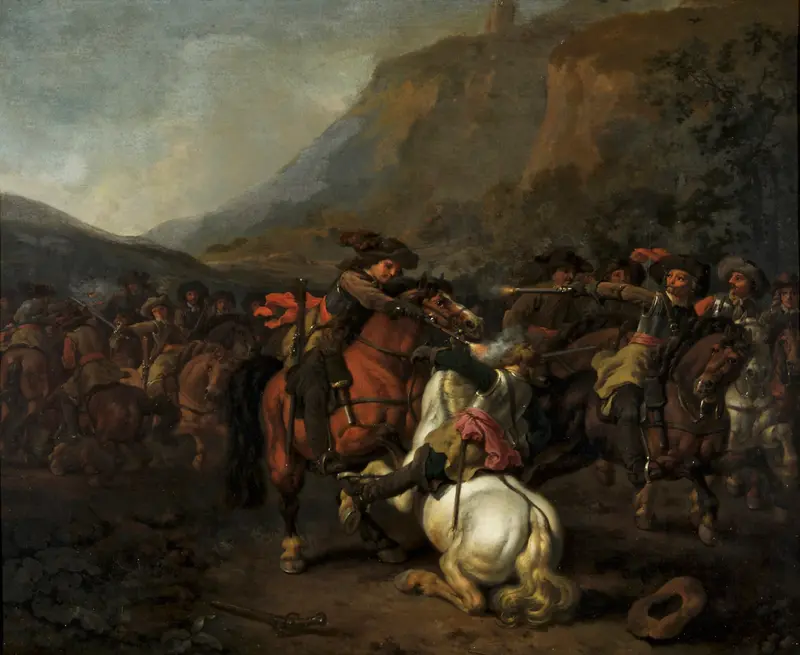
Ruitergevecht DM 016 1163 Dordrechts Museum
Abraham Van Calraet
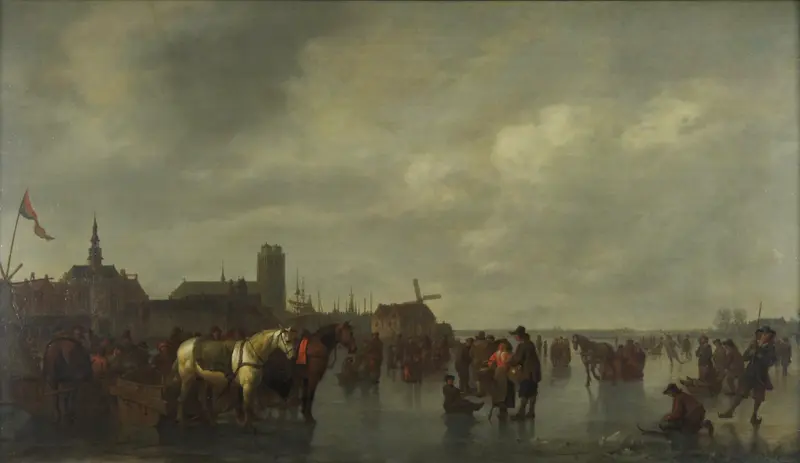
Scene on the Ice outside Dordrecht
Abraham Van Calraet
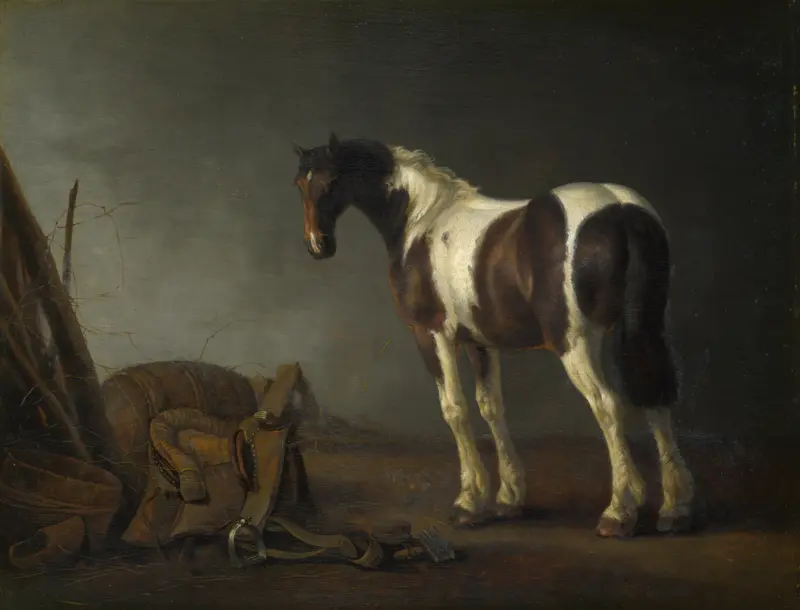
A Horse with a Saddle Beside it
Abraham Van Calraet
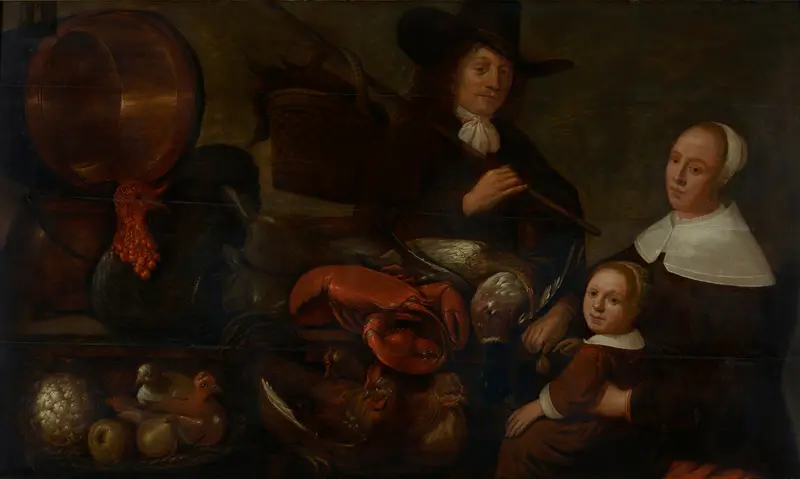
Portrait of a family
Abraham Van Calraet
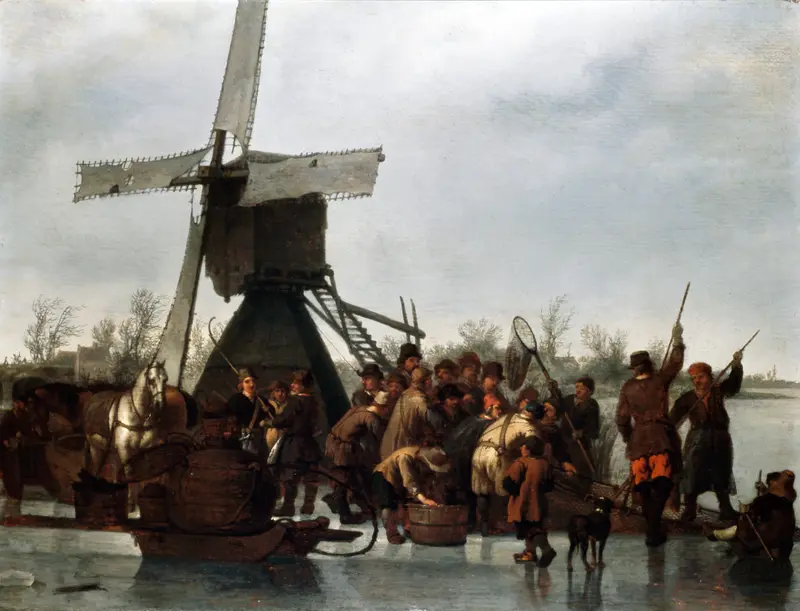
Fishing on the Ice
Abraham Van Calraet
More Landscape Art

The Starry Night
Vincent van Gogh

View of Delft
Johannes Vermeer

Water Lilies
Claude Monet

The Grand Canal, Venice, looking north-west from the Ca' Corner to the Ca' Contarini degli Scrigni, with the campanile of Santa Maria della Carità
Canaletto

Windsor Castle
Canaletto

The Grand Canal looking North-East from the Palazzo Dolfin-Manin to the Rialto Bridge
Canaletto