
Boy fishing — History & Facts
In Boy Fishing, we see a young boy engrossed in the act of fishing, surrounded by a lush, green landscape. The colors are vibrant, with rich greens and soft blues dominating the scene. The boy's expression is one of concentration, highlighting the simplicity and joy of childhood.
The setting is serene, evoking a sense of peace and connection with nature. The painting is executed in oil on canvas, a common medium for the Romantic period. The brushwork is fluid, allowing for a natural depiction of the boy and his surroundings. The use of light and shadow adds depth to the composition, emphasizing the boy's figure against the backdrop of the landscape.
This technique is characteristic of Narcisse-Virgile Diaz de La Peña's style, which often blends realism with romantic elements. Narcisse-Virgile Diaz de La Peña was a prominent figure in the Romantic movement, known for his landscapes and genre scenes. This work, created in the 1860s, reflects his fascination with nature and childhood innocence. Interestingly, Diaz was influenced by the Barbizon school, which emphasized naturalism and the beauty of rural life.
His paintings often capture moments of tranquility, much like this charming depiction of a boy fishing.
More Artworks by Narcisse-Virgile Diaz de La Peña
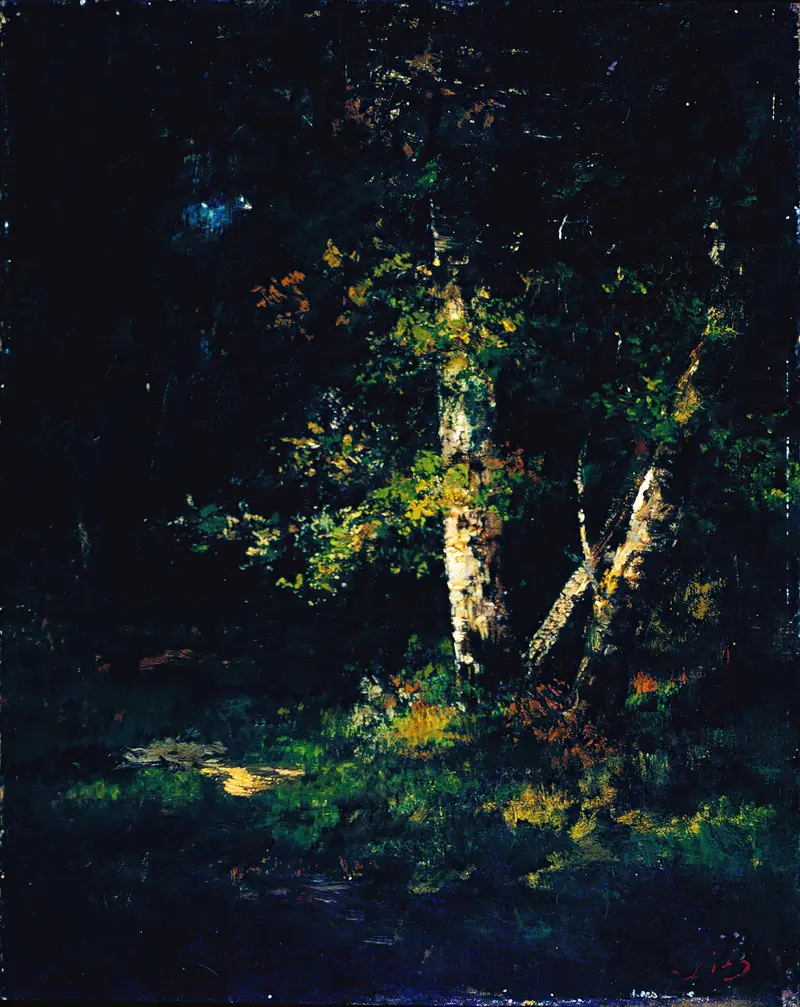
Forest Scene
Narcisse-Virgile Diaz de La Peña
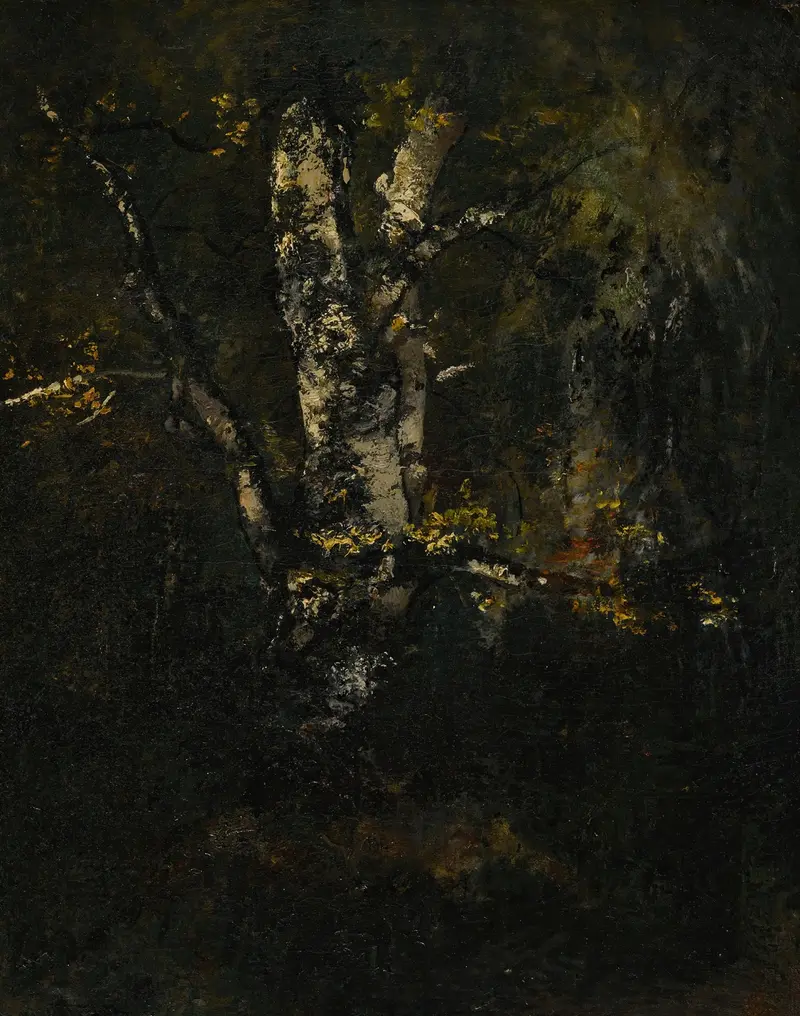
Vieux Troncs De Hêtres
Narcisse-Virgile Diaz de La Peña
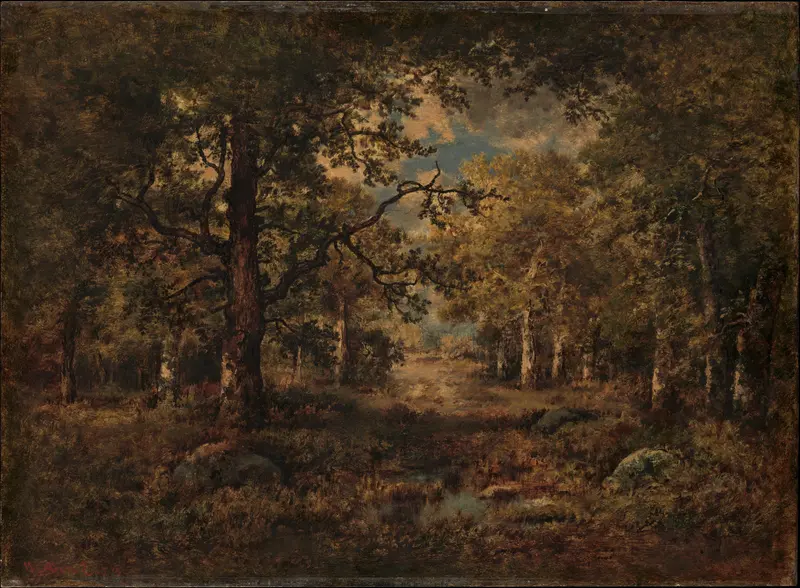
A Vista through Trees; Fontainebleau
Narcisse-Virgile Diaz de La Peña
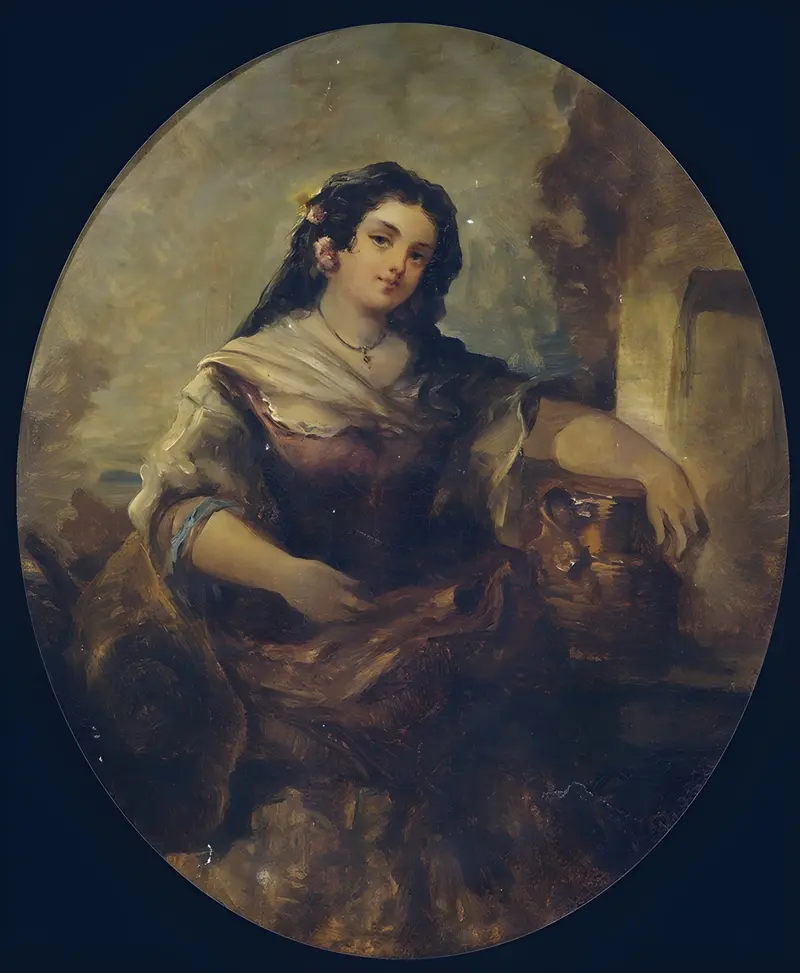
Portrait of a young girl at the well
Narcisse-Virgile Diaz de La Peña
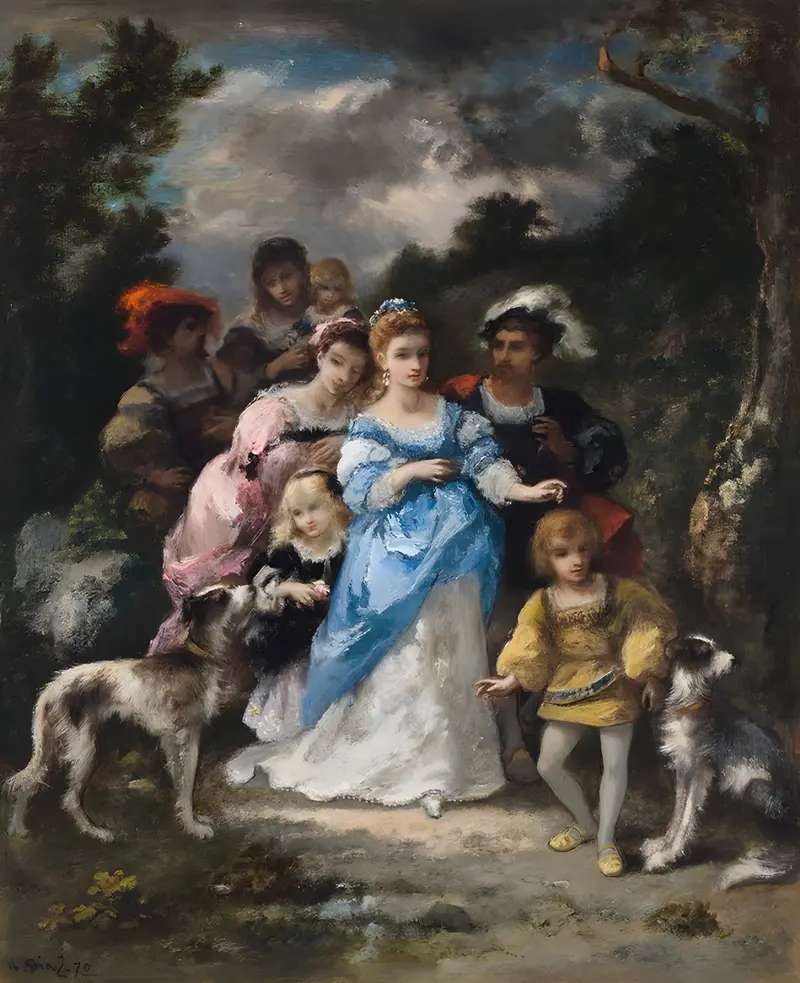
Promenade à la robe bleue
Narcisse-Virgile Diaz de La Peña
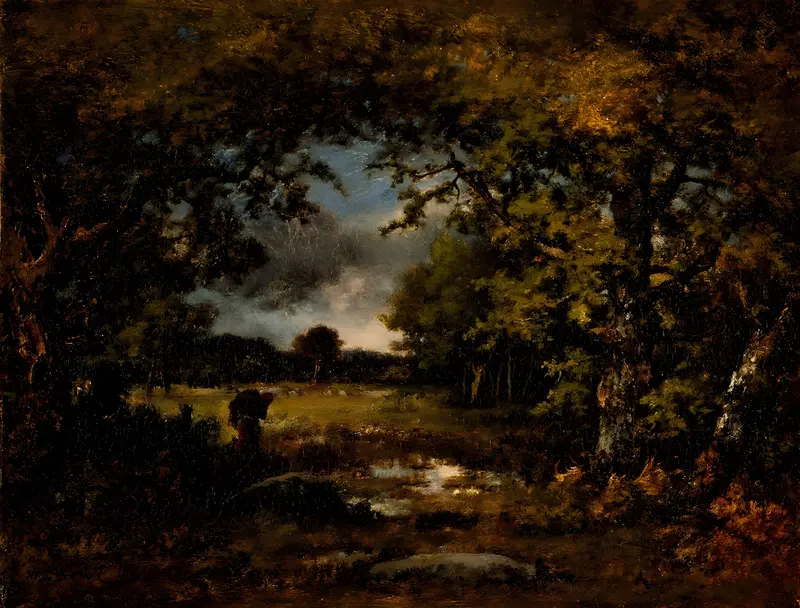
Landscape
Narcisse-Virgile Diaz de La Peña
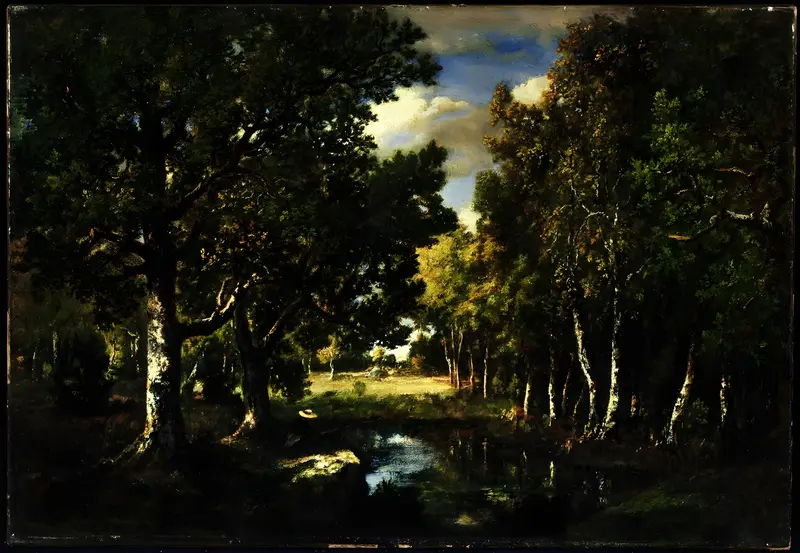
Landscape
Narcisse-Virgile Diaz de La Peña
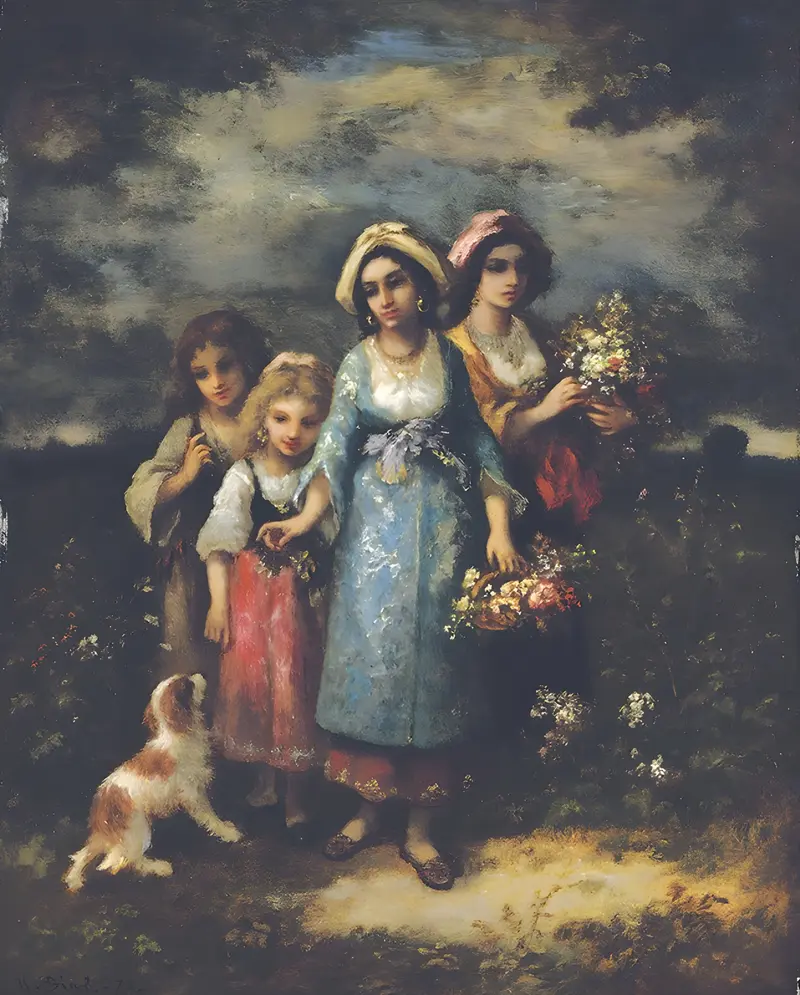
Picking Flowers
Narcisse-Virgile Diaz de La Peña
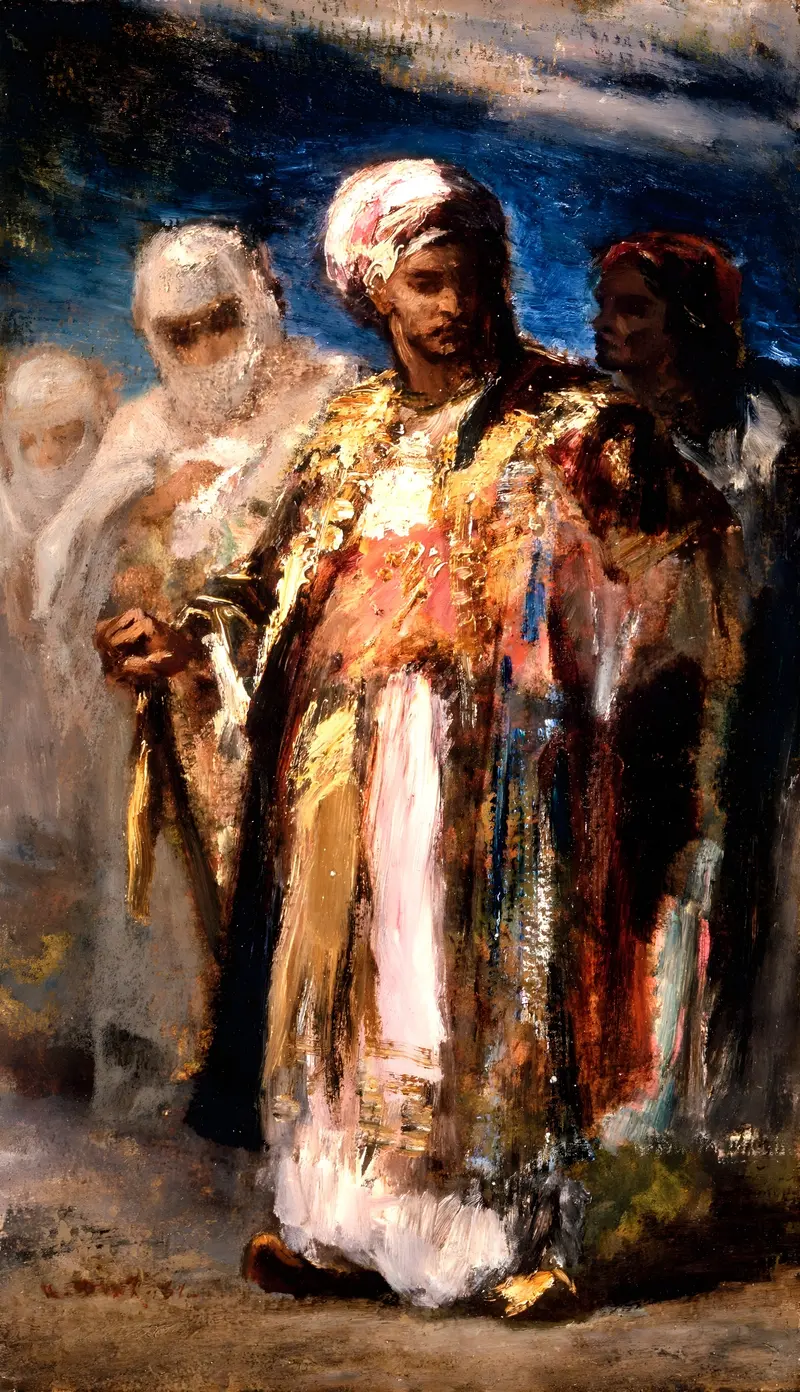
Men in Oriental Costumes
Narcisse-Virgile Diaz de La Peña
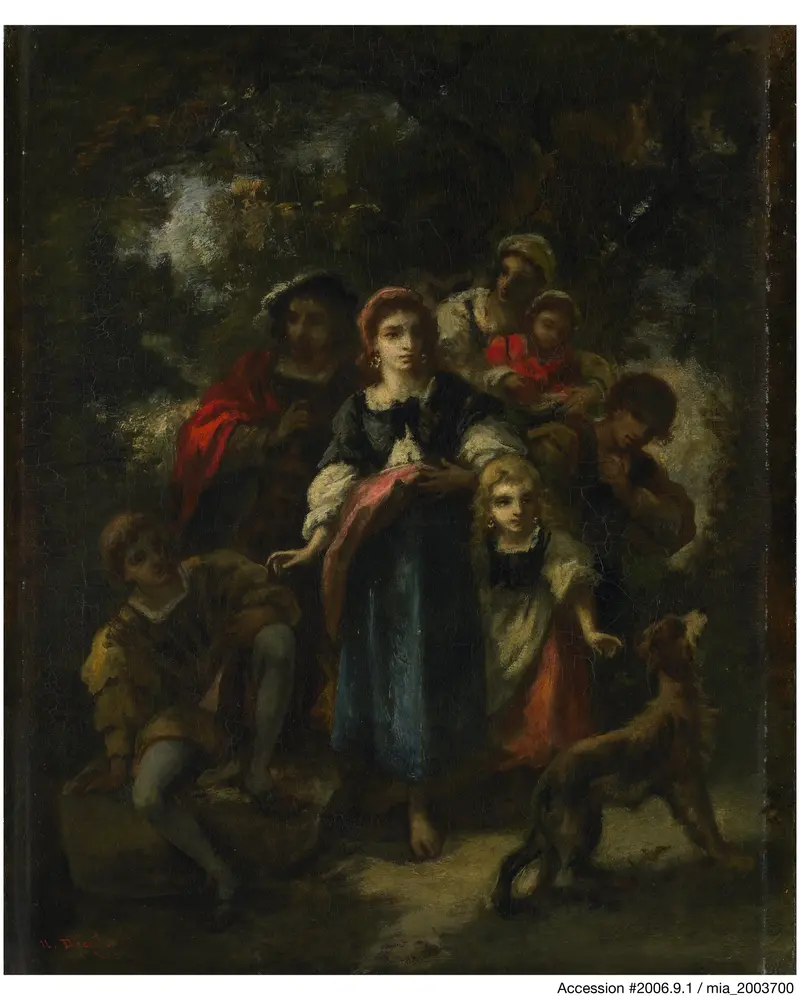
Descent of the Bohemians
Narcisse-Virgile Diaz de La Peña
More Genre Scene Art

Banquet of the Officers of the St George Civic Guard
Frans Hals

Rembrandt and Saskia in the Scene of the Prodigal Son
Rembrandt van Rijn

Bal du moulin de la Galette
Pierre-Auguste Renoir

Quadrille at the Moulin Rouge
Henri de Toulouse-Lautrec

A Burial at Ornans
Gustave Courbet

When Will You Marry?
Paul Gauguin