Brewer’s Hall — History & Facts
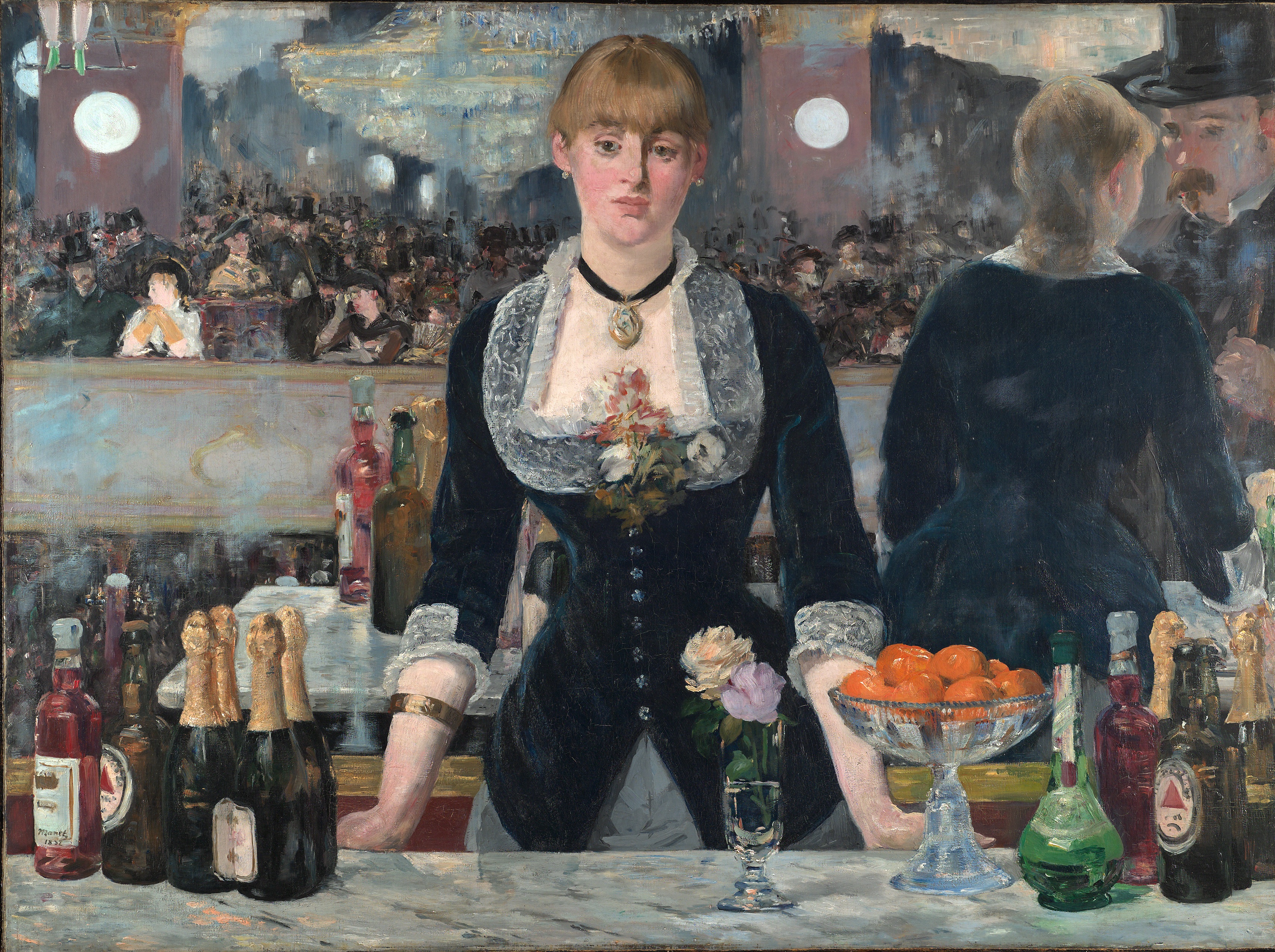
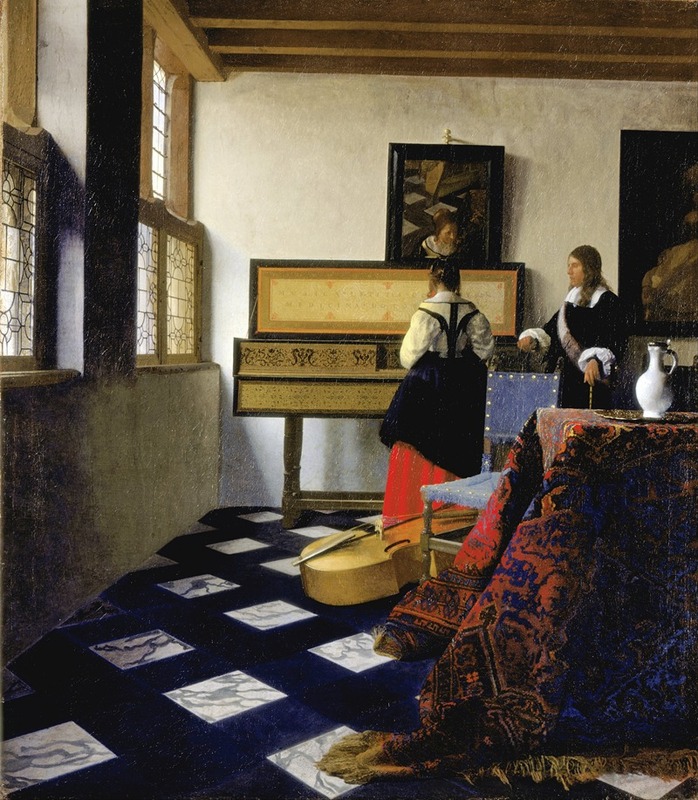
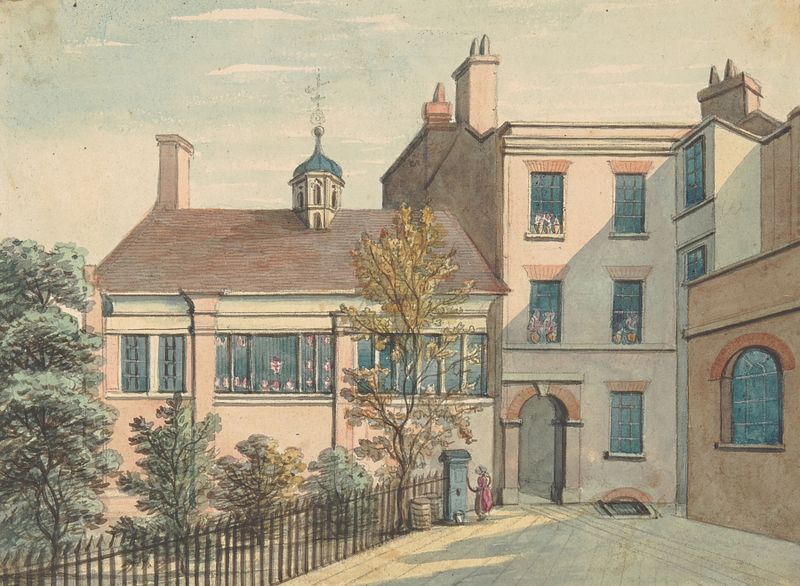
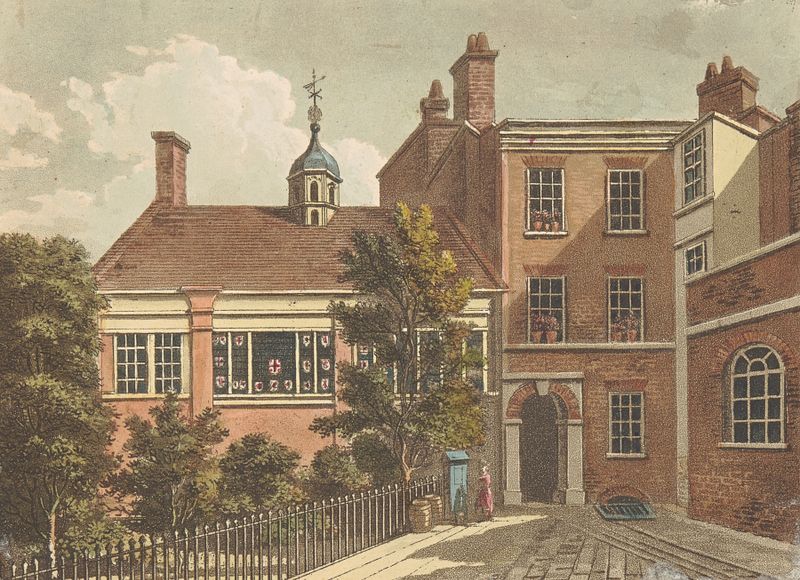
Can paint confess what words never could? In Brewer’s Hall, the canvas awakens a silent conversation, one that sways between the delicate interplay of light and shadow, revealing truths often left unspoken. Look to the right at the softly illuminated figures gathered around a polished wooden table, their faces animated in quiet discussion. Notice how the light falls upon their hands, resting or gesturing, each movement revealing the weight of unvoiced thoughts. The warm hues of ochre and deep sienna create an inviting atmosphere, while the contrasting shadows hint at underlying tensions.
The careful arrangement of the composition invites the viewer into an intimate moment, balancing the charm of camaraderie against the subtleties of conflict. Within the painting lie deeper layers of meaning. The juxtaposition of light and shadow symbolizes the duality of human interaction—the warmth of connection and the chill of isolation. Each figure's posture hints at their inner struggles, suggesting a world of ambition and rivalry just beneath the surface.
The room, with its sturdy architecture, stands as a metaphor for the societal structures that both support and constrain the individuals within it. Samuel Ireland created Brewer’s Hall between 1794 and 1800 during a time when the art world was shifting towards Romanticism, reflecting individual experience and emotion. Living in England, he was influenced by the burgeoning cultural changes of the era, as the Industrial Revolution began to reshape society. This period marked a transition in the artistic landscape, where traditional forms gave way to new expressions, mirroring Ireland's explorations of character and context in his work.
More Artworks by Samuel Ireland
Browse all →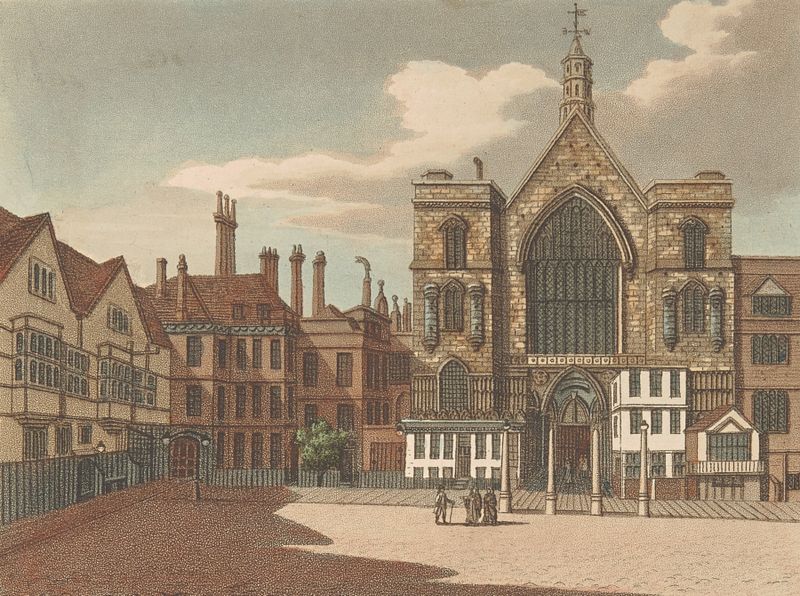
Westminster Hall
Samuel Ireland

Southwest View of Middle Temple
Samuel Ireland
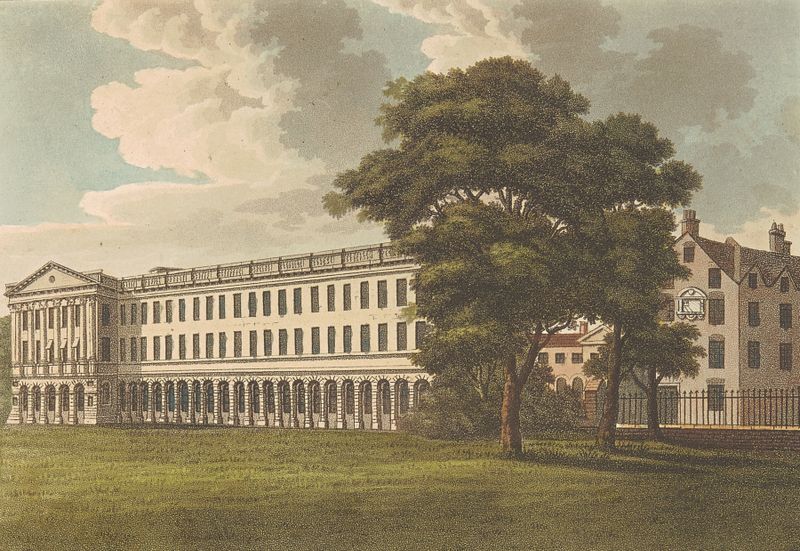
Stone Buildings, Lincoln’s Inn
Samuel Ireland
Barnard’s Inn
Samuel Ireland

Lincoln’s Inn Hall and Chapel
Samuel Ireland

Lion’s Inn
Samuel Ireland
Middle Temple Gate
Samuel Ireland
Barnard’s Inn
Samuel Ireland

Westminster Hall
Samuel Ireland
Lincoln’s Inn Gate
Samuel Ireland