
Bridge in the rain (after Hiroshige) — History & Facts
In the world of art, this duality breathes life into even the most serene landscapes, revealing the underlying struggles of existence. Van Gogh’s work resonates with this idea, captivating the viewer with its vivid colors and emotional depth. Begin by looking at the bold strokes that form the bridge, a central element in the composition, radiating a sense of stability amidst the chaos of rainfall. The swirling blues and grays of the sky create a dynamic backdrop, while splashes of yellow in the gold-touched landscape suggest fleeting moments of hope.
Notice how the bridge connects the foreground and background, guiding your gaze across the canvas and inviting you into a world drenched in emotion and atmosphere. Delve deeper into the contrasts woven within the painting. The torrential rain obscures the vibrant colors, evoking a sense of isolation and introspection. Yet, the bridge stands resilient, suggesting a journey through difficulties toward something brighter.
Each raindrop seems to whisper of beauty that emerges from struggle, making the viewer reflect on their own paths through life’s storms. In 1887, the artist, immersed in the vibrant culture of Paris, sought to redefine his style and explore new techniques influenced by Japanese prints. This period marked a significant transition in Van Gogh’s life as he grappled with mental health issues while simultaneously finding artistic inspiration. Bridge in the rain (after Hiroshige) stands as a testament to his evolving vision, melding cultural influences with his unique emotional resonance.
More Artworks by Vincent van Gogh
Browse all →
Starry Night
Vincent van Gogh
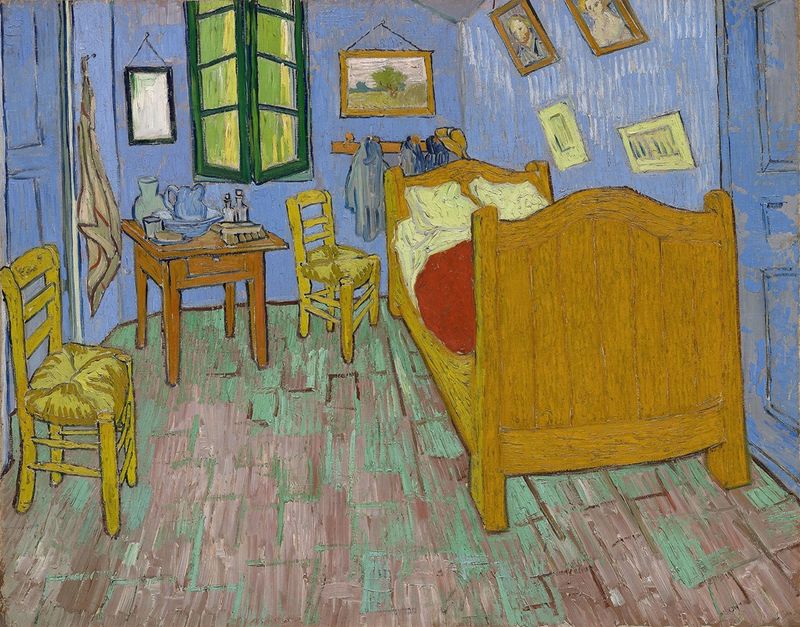
The Bedroom
Vincent van Gogh
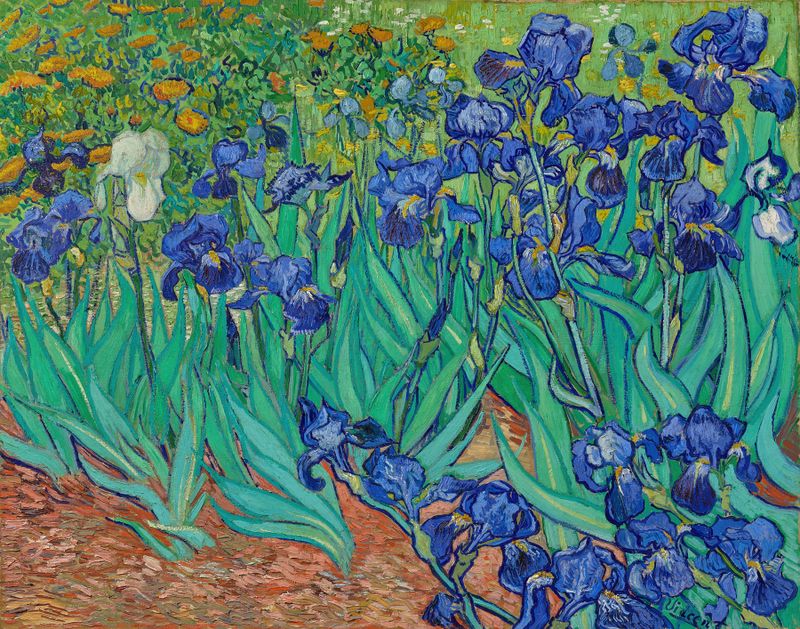
Irises
Vincent van Gogh
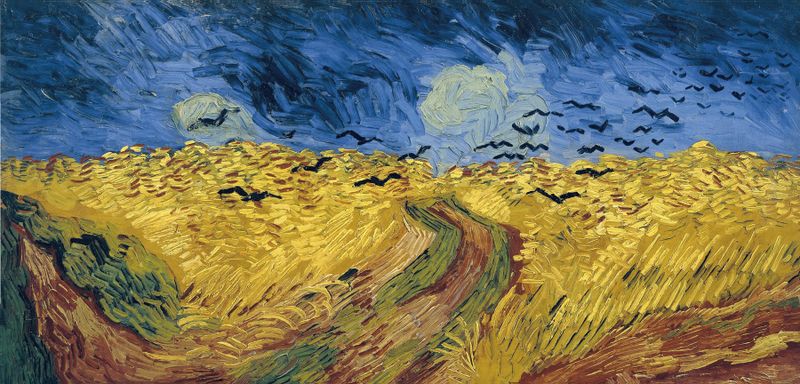
Wheatfield with Crows
Vincent van Gogh
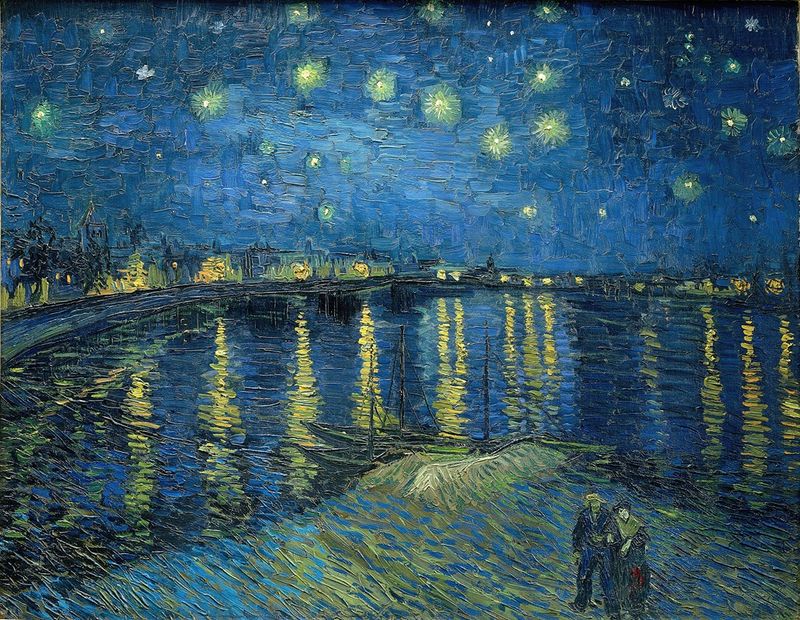
Starry Night over the Rhone
Vincent van Gogh

The yellow house
Vincent van Gogh
Almond tree in blossom
Vincent van Gogh

Portrait of Dr Gachet
Vincent van Gogh

The Church in Auvers-sur-Oise, View from the Chevet
Vincent van Gogh

Self-Portrait
Vincent van Gogh





