
Bristol Cathedral — History & Facts
Who listens when art speaks of silence? In Bristol Cathedral, an ethereal tranquility blankets the scene, inviting introspection and contemplation within the viewer. Look to the foreground where the massive stone steps ascend into the cathedral's embrace, each weathered edge telling stories of countless visitors. Focus on the soft interplay of light filtering through the intricate stained glass, casting a kaleidoscope of colors onto the cool stone floor. The muted palette, dominated by gentle blues and earthy browns, envelops the viewer in a dreamlike calm, while the towering arches above create a sense of awe and reverence. Delve deeper into the work to uncover the emotional weight it carries.
The juxtaposition of the solid, unyielding stone against the ephemeral light symbolizes the tension between permanence and transience. Notice the subtle reflections of light that seem to whisper secrets of the past, beckoning us to listen closely to the cathedral's silent narratives. Each shadow holds a memory, a heartbeat of centuries gone by, as if the very walls are alive with unseen histories. Esther Blaikie MacKinnon painted Bristol Cathedral in 1921 during a period of significant change in the art world and her own life.
Having settled in England after marrying a British artist, she found herself at the intersection of modernism and tradition. The post-war era influenced her work, prompting explorations of emotional depth and architectural beauty, reflecting both personal and societal transformations.
More Artworks by Esther Blaikie MacKinnon
Browse all →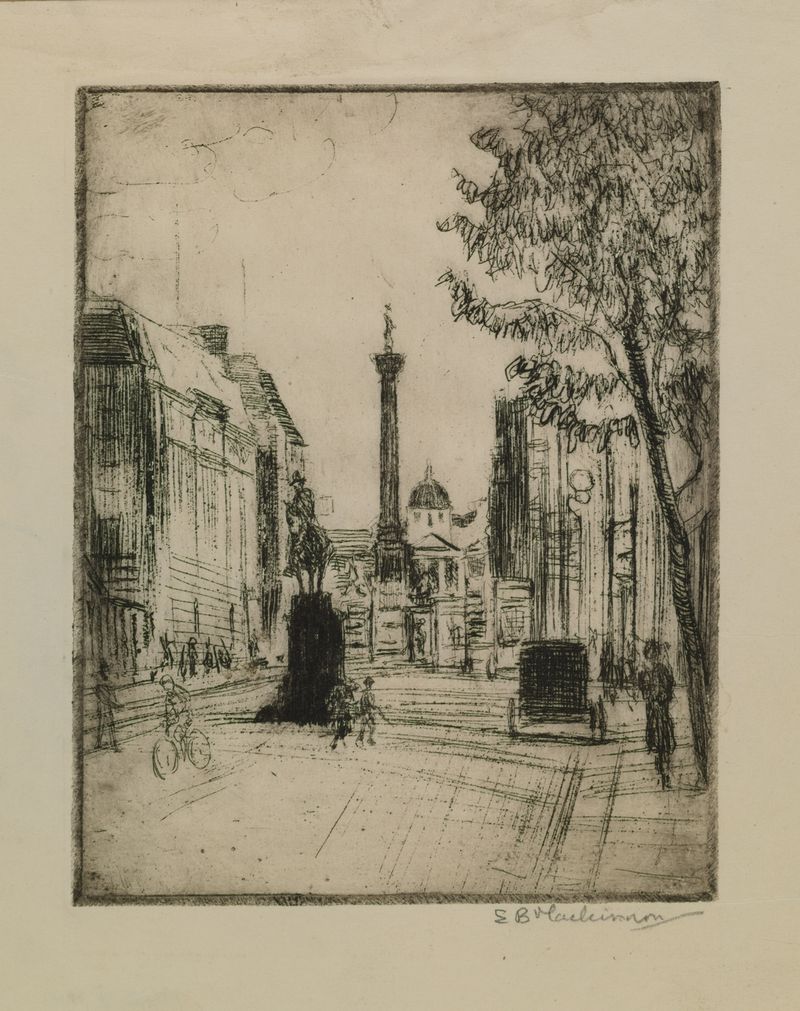
View of Trafalgar Square
Esther Blaikie MacKinnon

Pulteney Bridge, Bath – Twilight
Esther Blaikie MacKinnon

Lions in a London Square
Esther Blaikie MacKinnon

Snow in Holland
Esther Blaikie MacKinnon
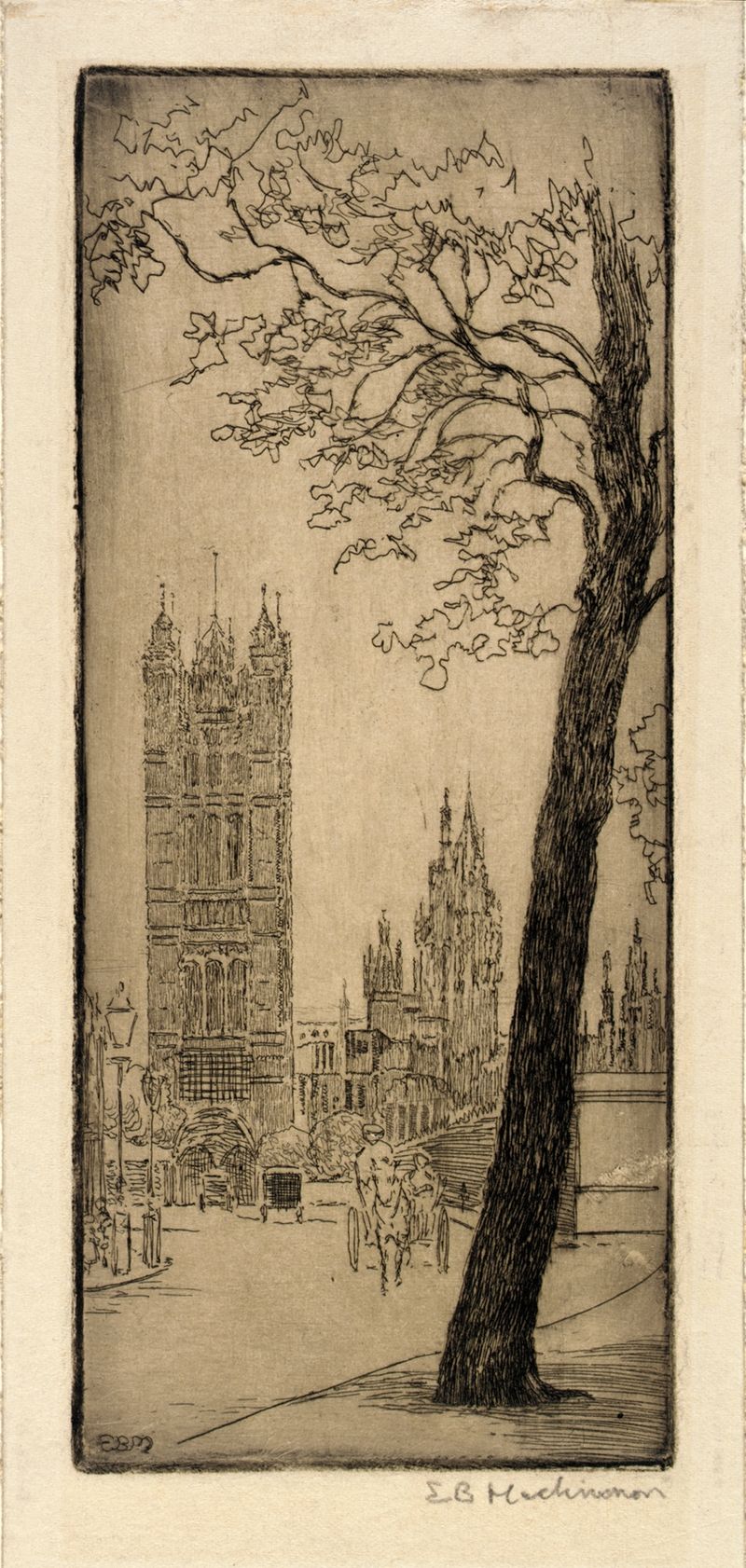
London Scene with Church
Esther Blaikie MacKinnon
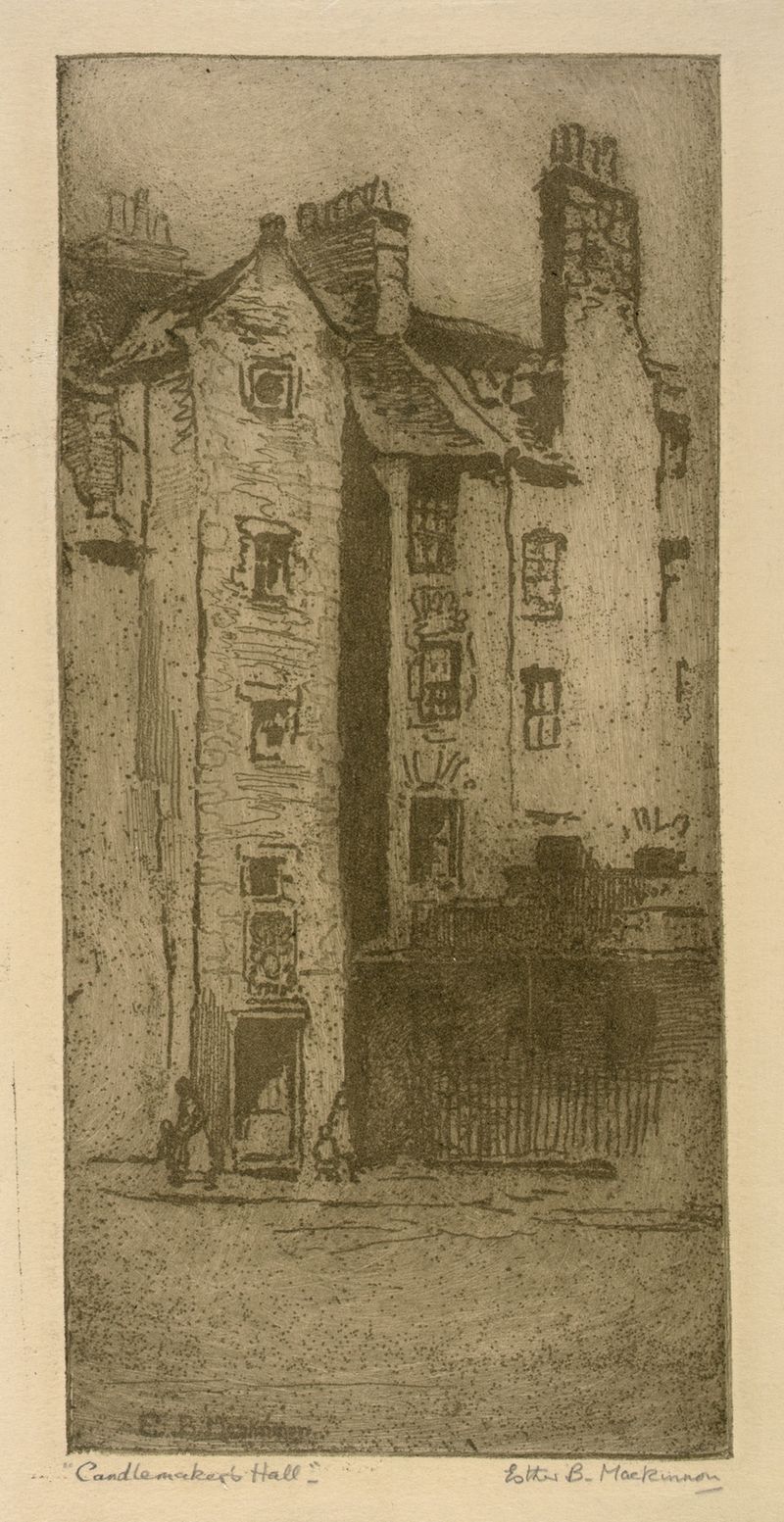
Candlemaker’s Hall
Esther Blaikie MacKinnon
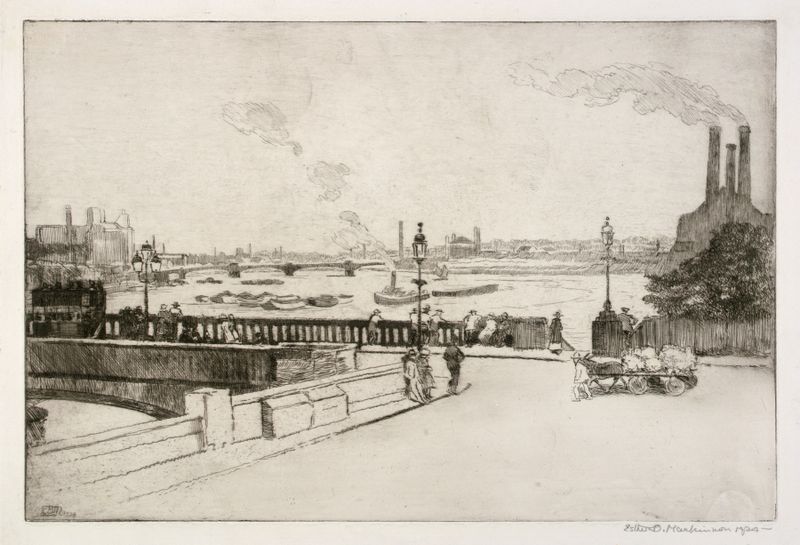
Chelsea
Esther Blaikie MacKinnon

Leycock Abbey
Esther Blaikie MacKinnon
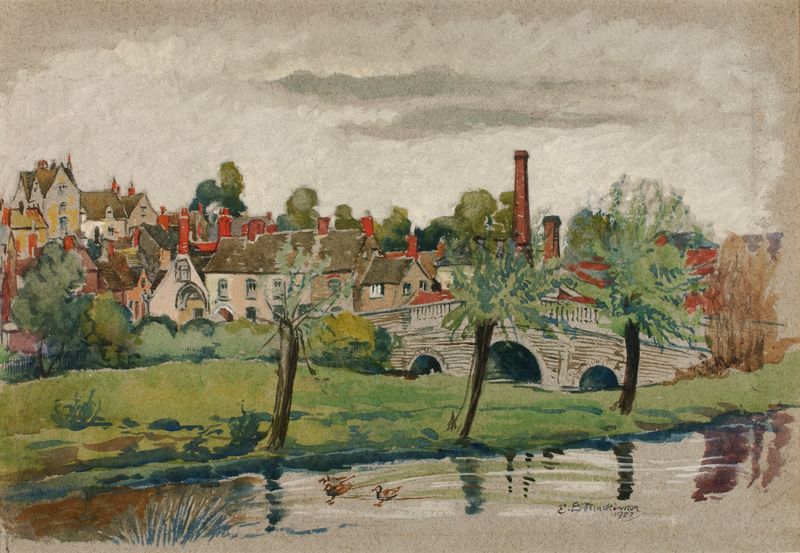
Malmesbury
Esther Blaikie MacKinnon
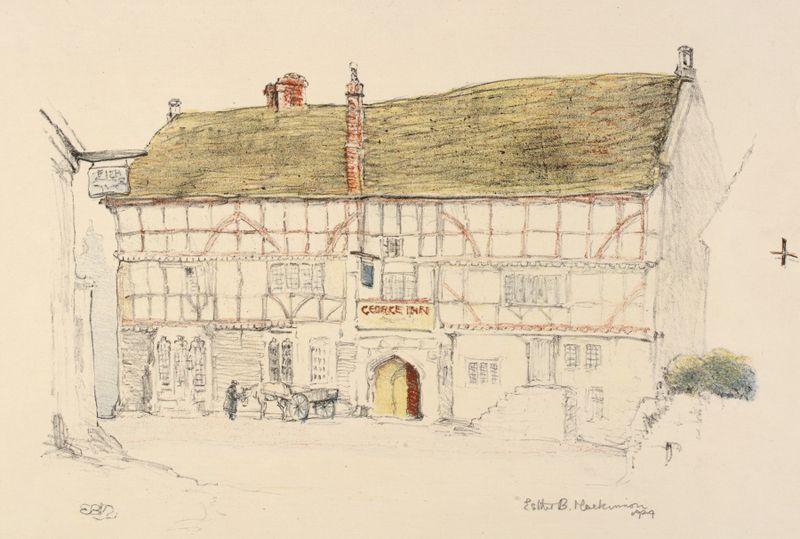
George Inn
Esther Blaikie MacKinnon
More Architecture Art
Browse all →
The statue of Liberty
Frédéric Auguste Bartholdi

View of Houses in Delft, Known as ‘The Little Street’
Johannes Vermeer

View of Houses in Delft, Known as ‘The Little Street’
Johannes Vermeer

The Cathedral in Rouen. The portal, Grey Weather
Claude Monet

The yellow house
Vincent van Gogh

The Church in Auvers-sur-Oise, View from the Chevet
Vincent van Gogh