
Broad, Silent Valley — History & Facts
A hush settles over the viewer before the scene itself comes into focus: Broad, Silent Valley by Alexander Helwig Wyant invites you to step quietly into its world. The eye is drawn first to the dense, shadowed trees at the left, their trunks anchoring the foreground and their leaves dissolving into a soft, atmospheric haze. The land stretches away, opening into a vast, nearly empty expanse where the valley floor is suggested more by shifting tones than by crisp detail.
The light, pale and uncertain, pours in from the right, dissolving the horizon and blurring the line between earth and sky. This interplay of darkness and brightness is not just a matter of weather, but a deliberate staging: Wyant uses it to slow the gaze, to make the viewer linger in the quiet between forms. Painted around 1880, this work belongs to an era when American landscape painters were turning away from the grand, theatrical vistas of the earlier Hudson River School and toward something more intimate and searching. Wyant was known for his subtle handling of light and atmosphere, and here he favors suggestion over spectacle, letting the valley breathe rather than dominate.
Such paintings were often made for private collectors, people seeking a sense of peace or reflection in their homes as the country raced toward modernity. Today, Broad, Silent Valley survives as part of the Metropolitan Museum of Art’s open-access collection, a quiet testament to a moment when American art paused to listen to the land’s quieter voices. The hush in the painting is not emptiness, but an invitation—step closer, and see what emerges from the silence.
More Artworks by Alexander Helwig Wyant

Autumn Landscape and Pool
Alexander Helwig Wyant
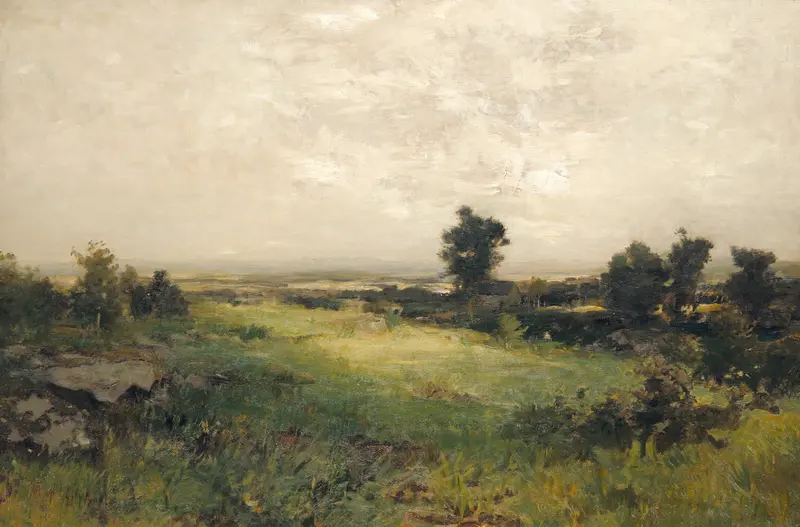
Housatonic Valley
Alexander Helwig Wyant
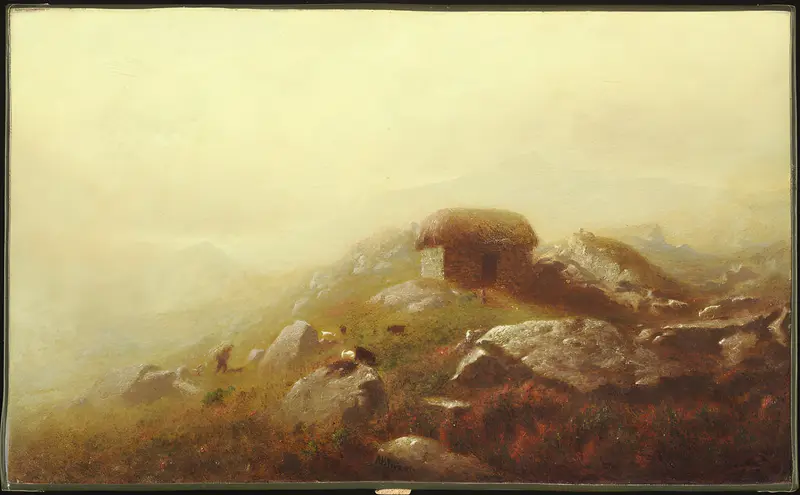
Misty Morning Near the Lakes of Killarney
Alexander Helwig Wyant
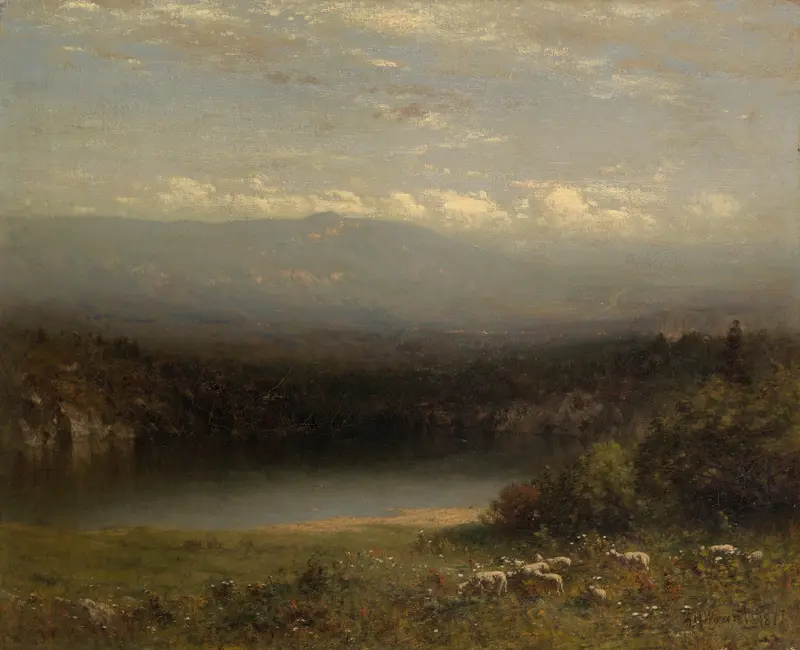
Mountain Lake
Alexander Helwig Wyant
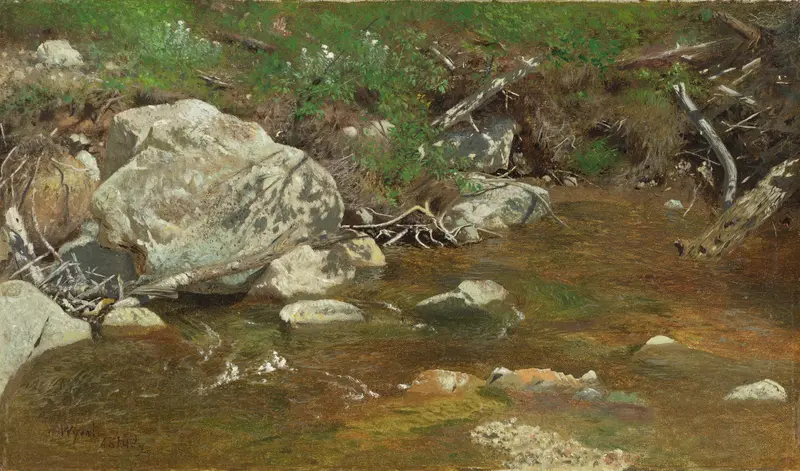
Mountain Brook; A Study
Alexander Helwig Wyant
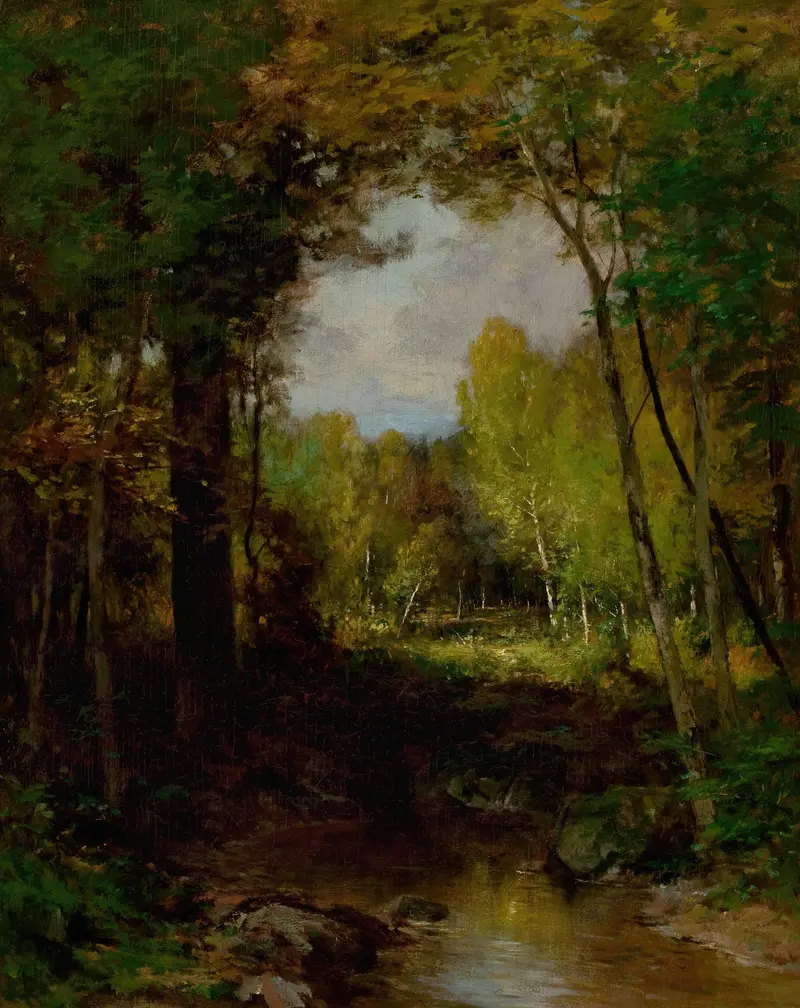
Keene, Adirondacks
Alexander Helwig Wyant
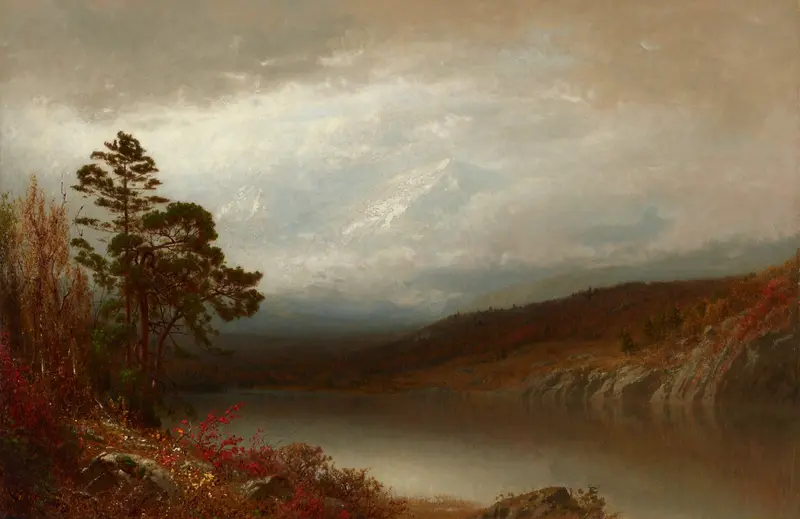
Autumn in the Adirondacks
Alexander Helwig Wyant
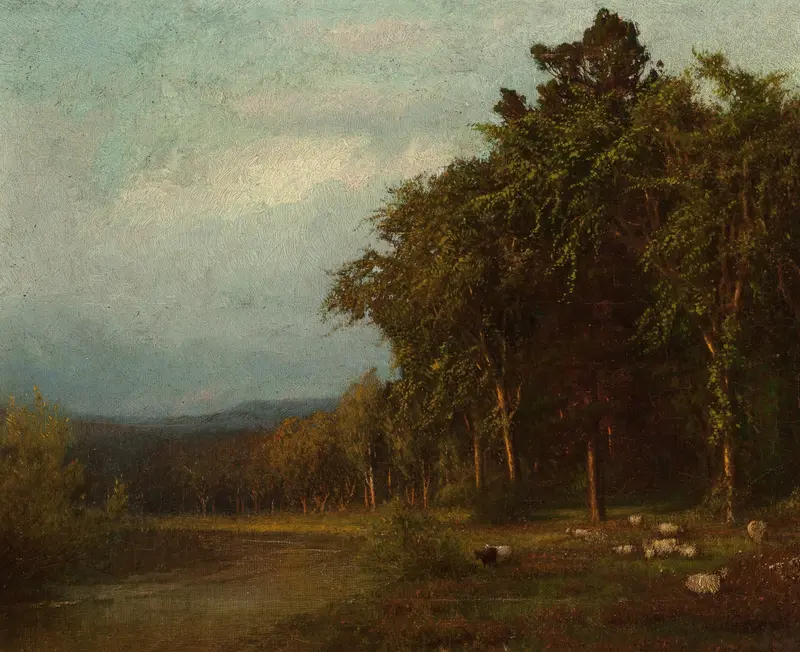
Cattle Grazing, Late Afternoon
Alexander Helwig Wyant
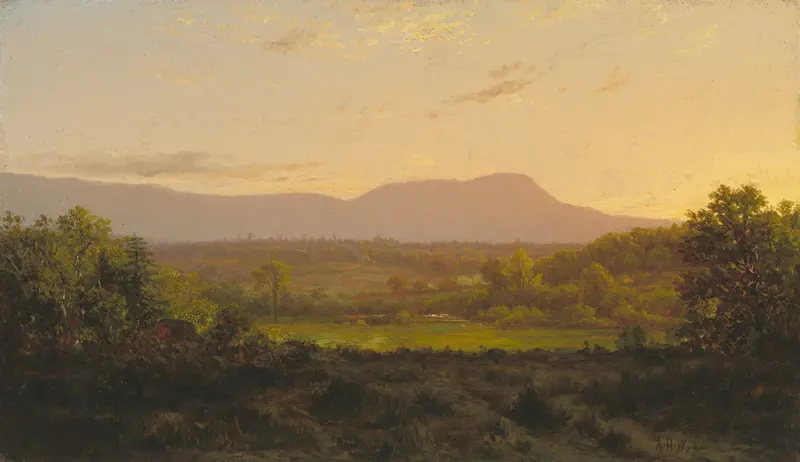
Peaceful Valley
Alexander Helwig Wyant
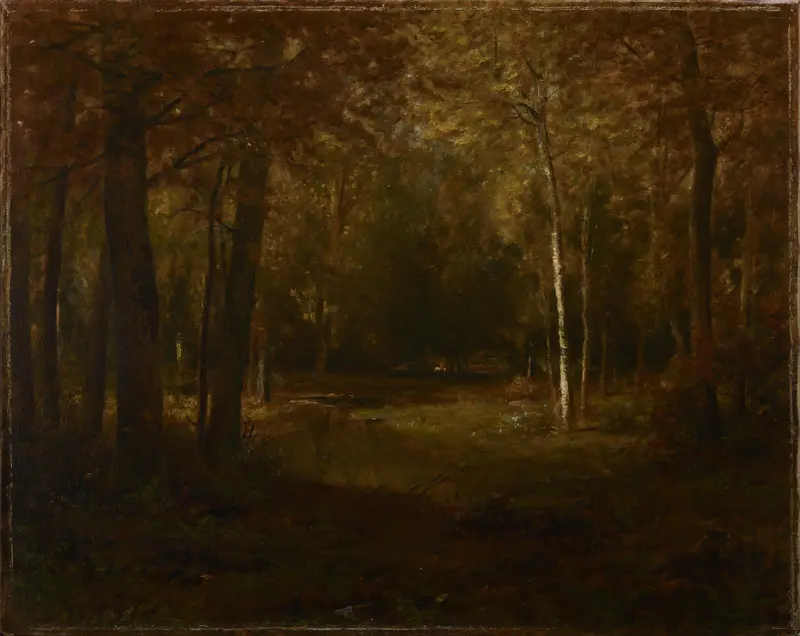
Glade in Autumn
Alexander Helwig Wyant
More Landscape Art

The Starry Night
Vincent van Gogh

View of Delft
Johannes Vermeer

Water Lilies
Claude Monet

The Grand Canal, Venice, looking north-west from the Ca' Corner to the Ca' Contarini degli Scrigni, with the campanile of Santa Maria della Carità
Canaletto

Windsor Castle
Canaletto

The Grand Canal looking North-East from the Palazzo Dolfin-Manin to the Rialto Bridge
Canaletto