
Glade in Autumn — History & Facts
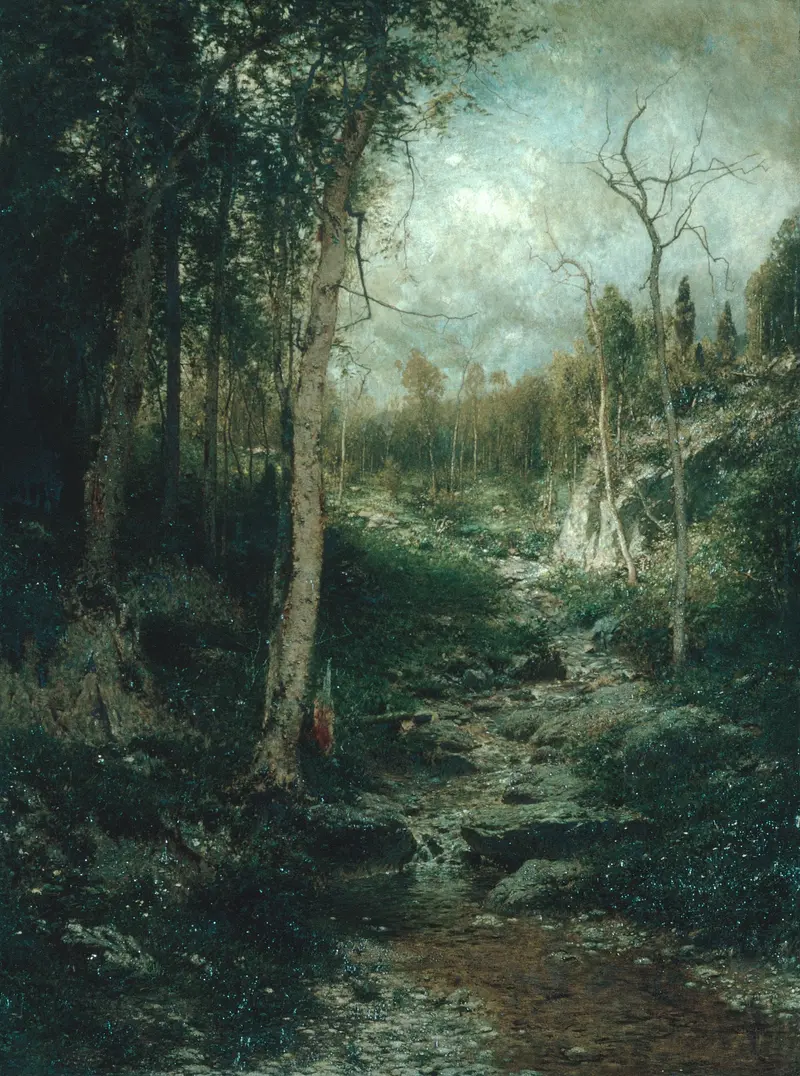
A hush settles over the clearing as your eye adjusts to the deep, coppery shadows of Glade in Autumn. The light here is not showy, but searching—threading its way through the thinning canopy, it finds the pale trunk of a birch and pools quietly on the mossy ground. The painting draws you in with its sense of pause: the glade is neither wild nor tamed, and the season’s turning is felt in the muted golds and browns that soften every edge.
Wyant’s brushwork is dense and deliberate, letting the eye wander from the sturdy trunks at the margins to the gentle opening at the heart of the scene, where a scatter of blue flowers and a faint shimmer of water offer a moment of relief from the encroaching dusk. Works like this belong to a moment in American landscape painting when artists, influenced by the Hudson River School and the Barbizon painters of France, sought not the grand spectacle but the quiet revelations of nature. Alexander Helwig Wyant was known for his meditative approach, favoring intimate woodland interiors over sweeping vistas. The Dallas Museum of Art preserves this piece, a testament to the era’s fascination with the changing seasons and the subtle drama of light.
In an age of rapid industrial growth, such paintings offered viewers a retreat—a reminder to look closely at the world’s quieter corners, where transformation happens softly, leaf by leaf.
More Artworks by Alexander Helwig Wyant

Autumn Landscape and Pool
Alexander Helwig Wyant
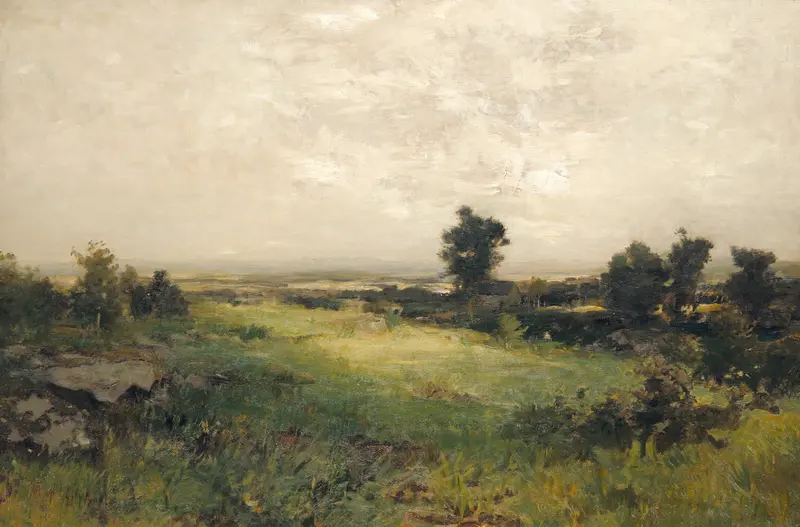
Housatonic Valley
Alexander Helwig Wyant
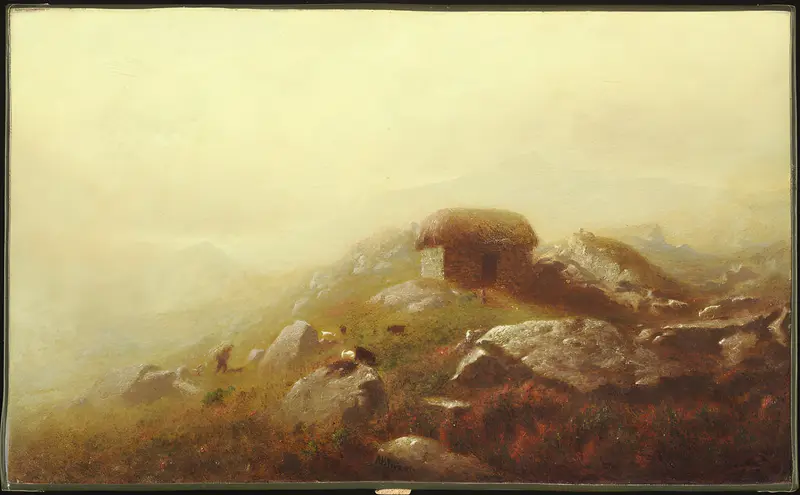
Misty Morning Near the Lakes of Killarney
Alexander Helwig Wyant
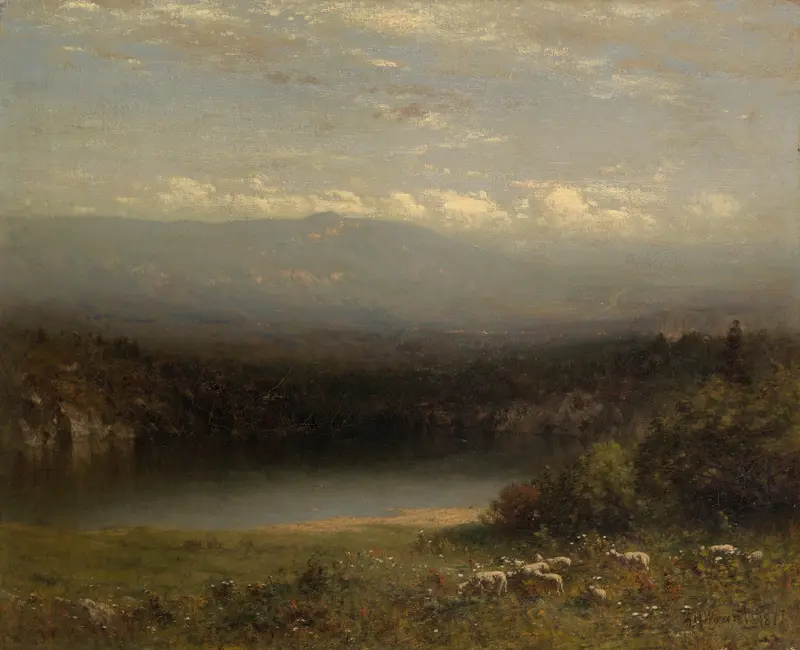
Mountain Lake
Alexander Helwig Wyant
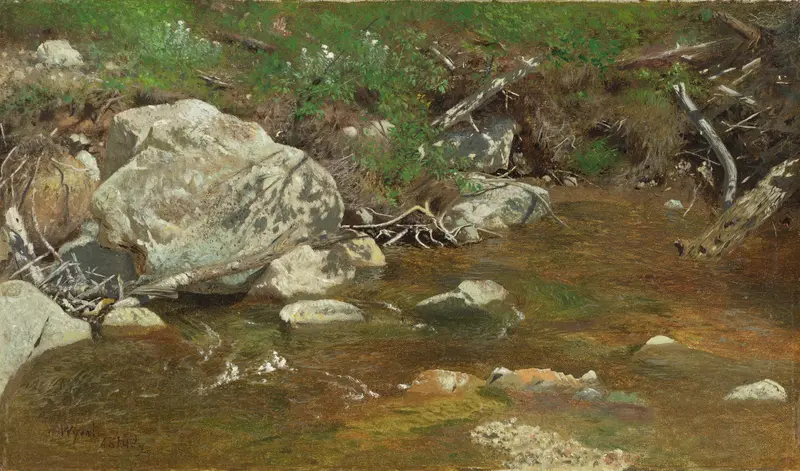
Mountain Brook; A Study
Alexander Helwig Wyant
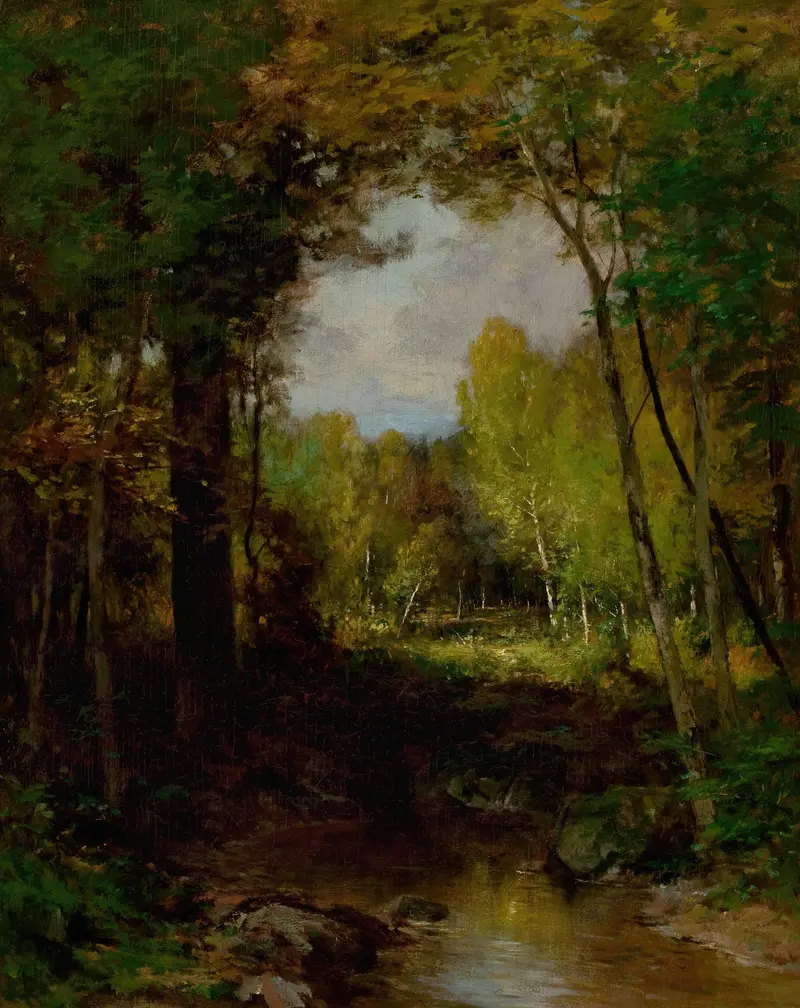
Keene, Adirondacks
Alexander Helwig Wyant
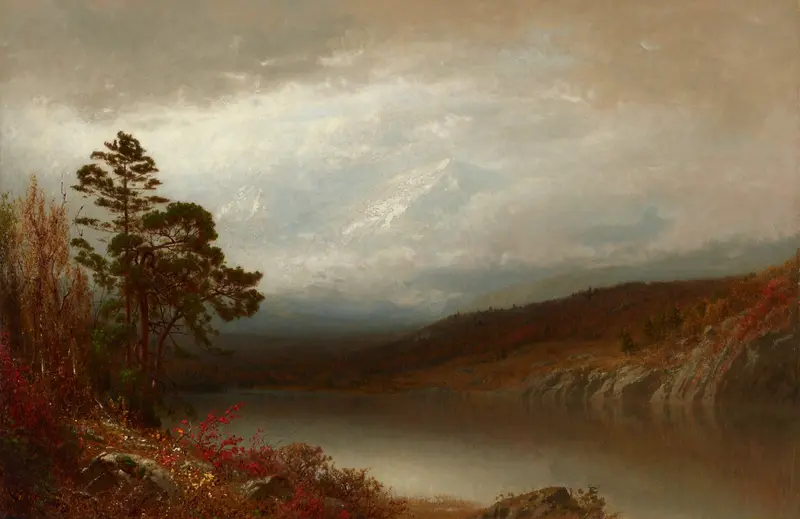
Autumn in the Adirondacks
Alexander Helwig Wyant
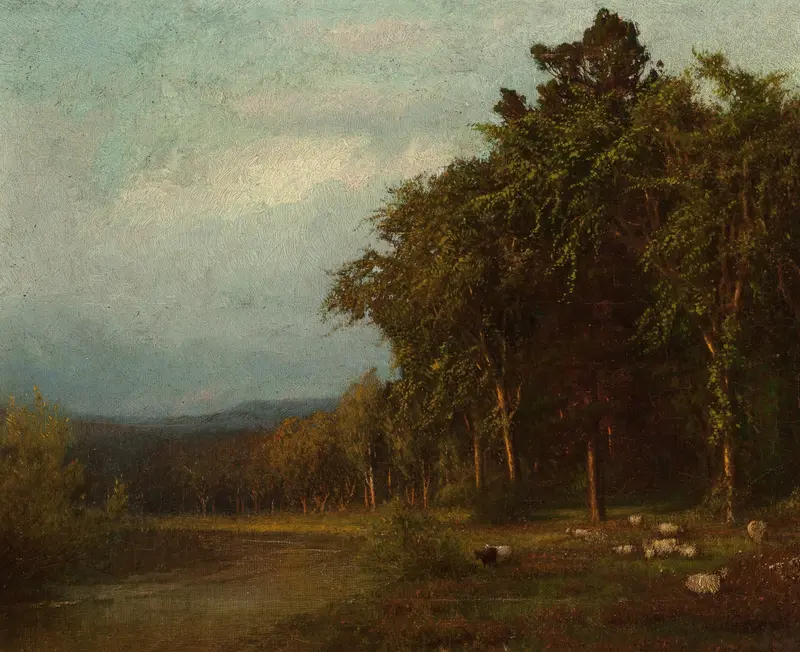
Cattle Grazing, Late Afternoon
Alexander Helwig Wyant
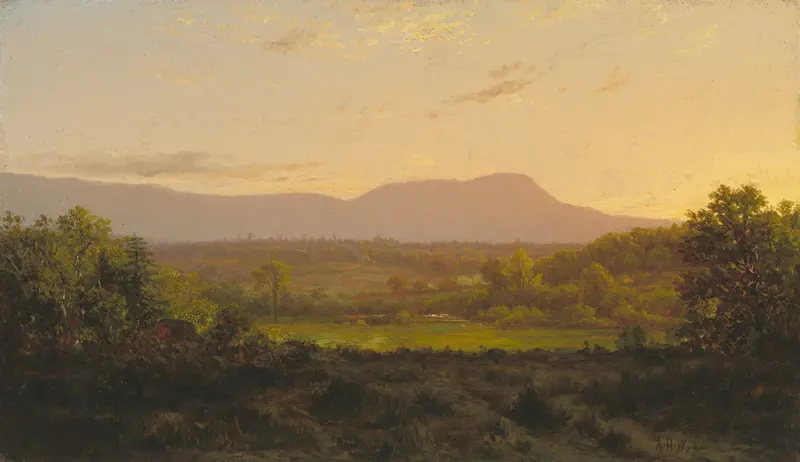
Peaceful Valley
Alexander Helwig Wyant
An Old Clearing
Alexander Helwig Wyant
More Landscape Art

The Starry Night
Vincent van Gogh

View of Delft
Johannes Vermeer

Water Lilies
Claude Monet

The Grand Canal, Venice, looking north-west from the Ca' Corner to the Ca' Contarini degli Scrigni, with the campanile of Santa Maria della Carità
Canaletto

Windsor Castle
Canaletto

The Grand Canal looking North-East from the Palazzo Dolfin-Manin to the Rialto Bridge
Canaletto