
Brook in Woods — History & Facts
The eye is drawn first to the shimmer of water winding through the forest, a ribbon of light that seems to pulse with quiet energy beneath the sheltering canopy. In Brook in Woods, Albert Bierstadt invites the viewer into a world where sunlight and shadow play across the scene, guiding our gaze from the luminous streambed to the golden foliage above. The fallen branch in the foreground acts almost as a gentle barrier, suggesting a threshold between the viewer and the untouched calm beyond.
Every leaf and stone is painted with a care that hints at hours of close observation, yet the overall effect is not stillness, but a sense of gentle movement: water flowing, leaves trembling, light shifting. Works like this belong to a moment in nineteenth-century America when landscape painting was both a celebration and a promise—an invitation to contemplate the richness of the natural world, and perhaps to claim a place within it. Albert Bierstadt is best known for his grand, panoramic visions of the American West, but here he turns to a more intimate corner of nature, one that speaks to the quieter joys of discovery. The painting surfaced at Christie’s in New York in 2009 (sale 2171, lot 74), a reminder that history has kept few traces of its early journey.
What remains is the spell of the scene itself: a brook, a forest, and the sense that you might step into the cool shade and follow the water wherever it leads.
More Artworks by Albert Bierstadt

A Storm in the Rocky Mountains, Mt. Rosalie
Albert Bierstadt
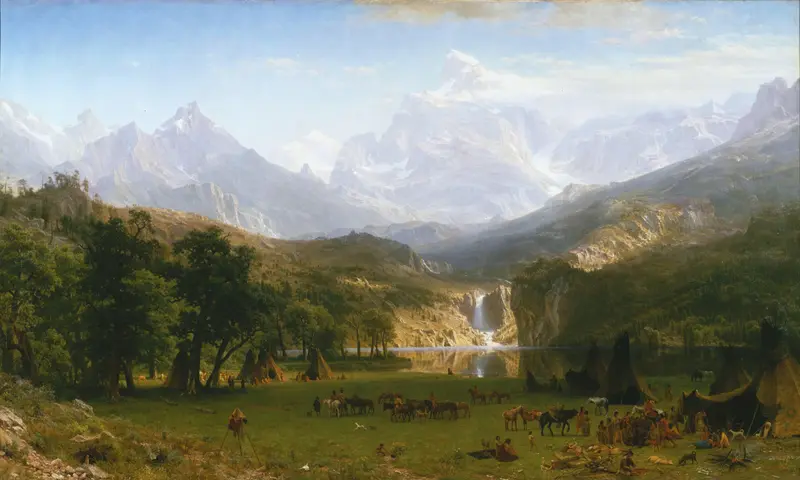
The Rocky Mountains, Lander's Peak
Albert Bierstadt
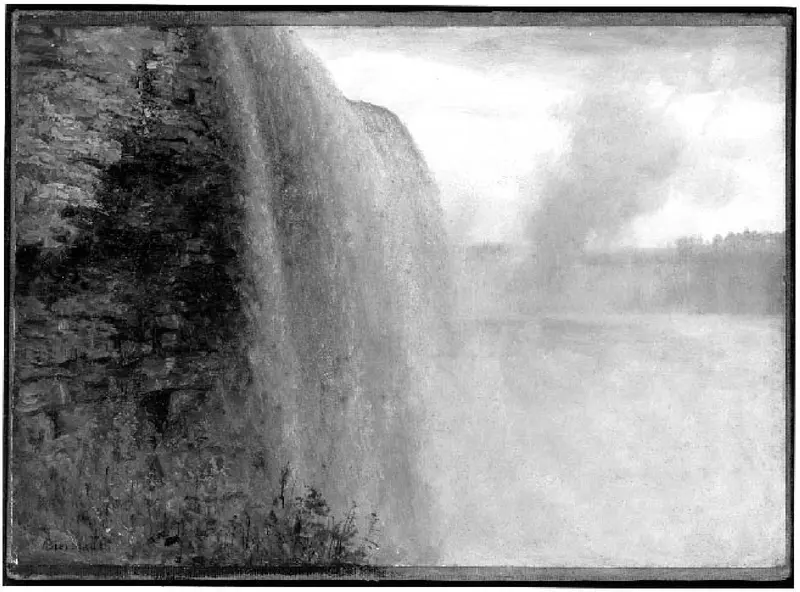
Niagara from the American Side
Albert Bierstadt
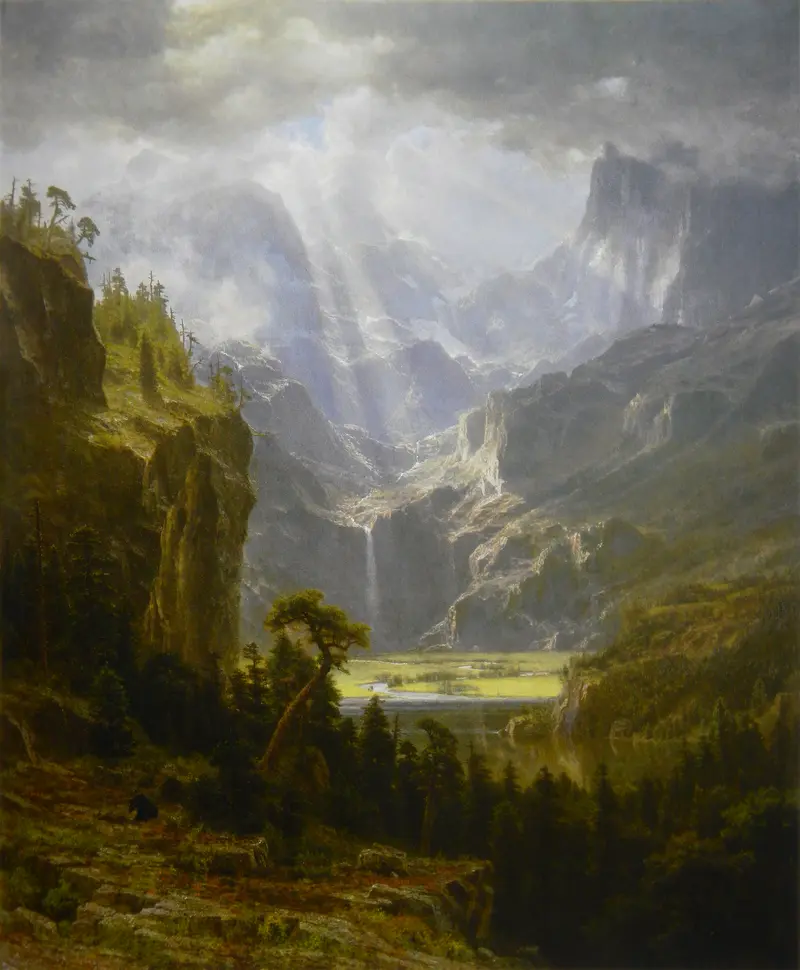
Rocky Mountains, Lander’s Peak
Albert Bierstadt

Valley of the Yosemite
Albert Bierstadt
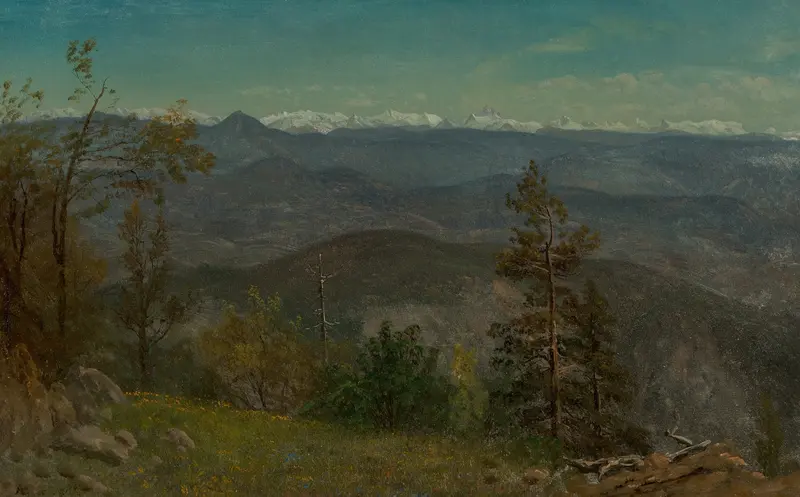
Yosemite Valley, California
Albert Bierstadt
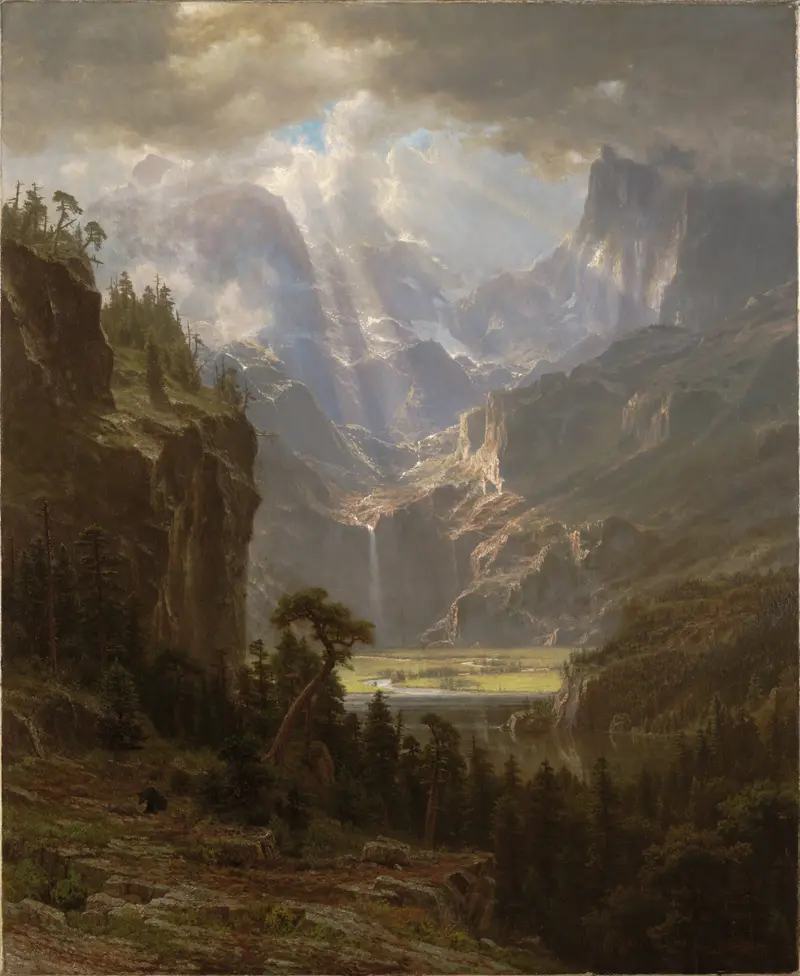
Rocky Mountains, "Lander's Peak"
Albert Bierstadt

Laramie Peak
Albert Bierstadt
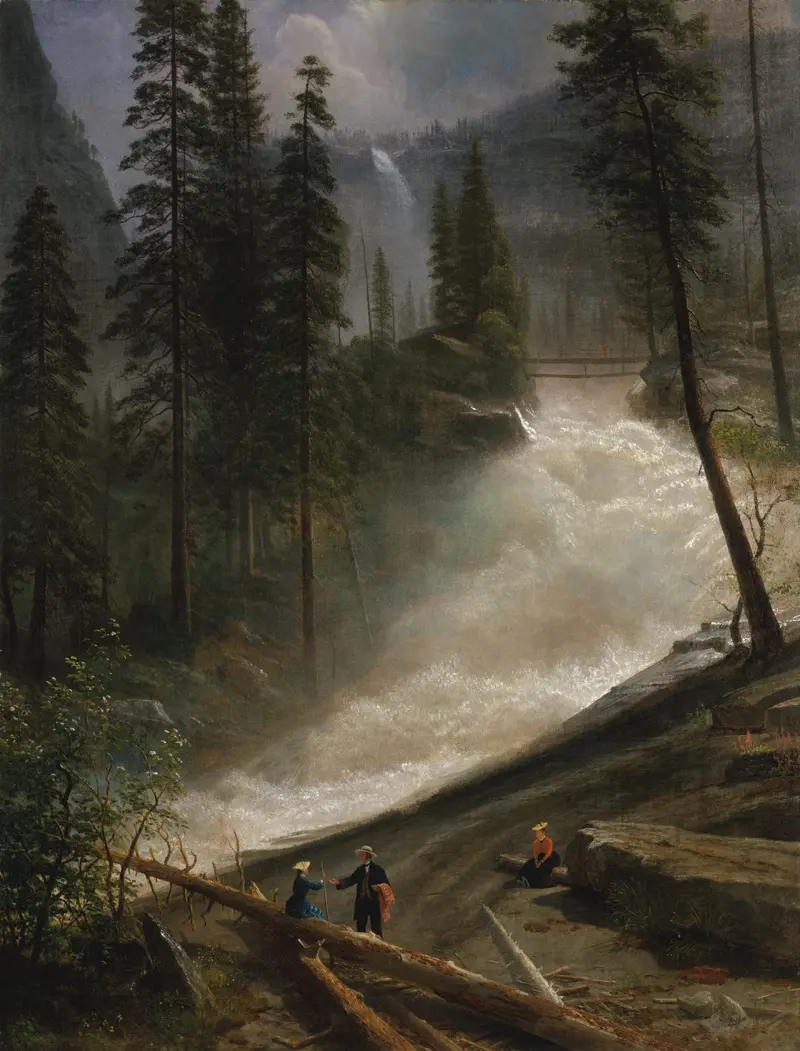
Nevada Falls, Yosemite
Albert Bierstadt
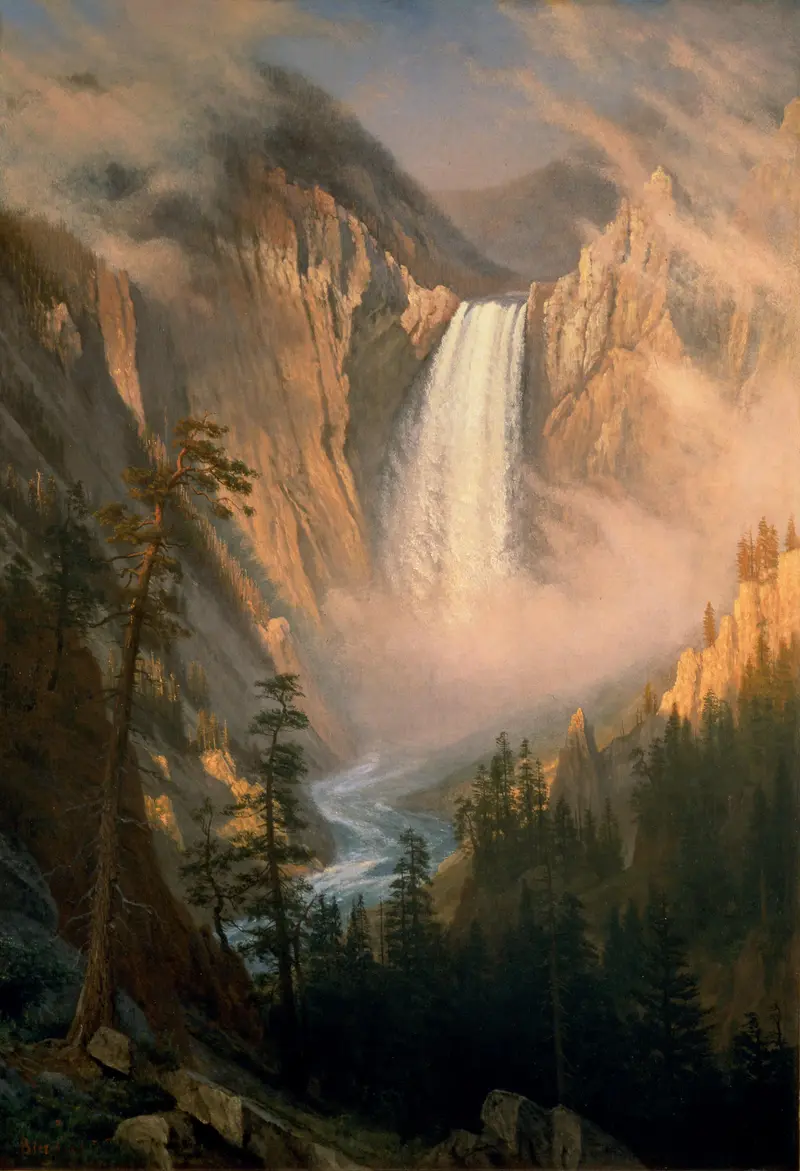
Yellowstone Falls
Albert Bierstadt
More Landscape Art

The Starry Night
Vincent van Gogh

View of Delft
Johannes Vermeer

Water Lilies
Claude Monet

The Grand Canal, Venice, looking north-west from the Ca' Corner to the Ca' Contarini degli Scrigni, with the campanile of Santa Maria della Carità
Canaletto

Windsor Castle
Canaletto

The Grand Canal looking North-East from the Palazzo Dolfin-Manin to the Rialto Bridge
Canaletto