
Bruiloft te Kana — History & Facts
Can paint confess what words never could? In the delicate interplay of figures and symbols, life and death intertwine, whispering secrets of mortality beneath the surface. Look to the left at the bride, adorned in rich fabrics that glisten in the soft candlelight, her expression a mix of joy and trepidation. Notice the intricate details of the drapery, each fold meticulously rendered to evoke both opulence and fragility. In the background, the darkened figures stand in contrast, their shadowy presence hinting at the inevitability of life’s transience.
The palette, dominated by deep reds and golds, enhances the emotional weight of the scene, while the warm glow of light encircles the couple, symbolizing the sanctity of their union. Hidden within the gathering of guests are subtle reminders of the passage of time. The withered flowers in the bride's bouquet and the somber expressions of the older attendees speak to the duality of celebration and sorrow that accompanies such milestones. The space, filled with revelry yet overshadowed by looming darkness, evokes the tension between hope and despair, love and loss.
The painting prompts reflection on the fleeting nature of life, suggesting that even in moments of joy, our mortality lingers just beneath the surface. Created in 1503, this work emerged from the hand of a talented artist associated with the Northern Renaissance in Delft. At this time, artists were exploring human emotion and the complexities of existence, reflecting the fervent societal changes and religious tensions of the period. As developments in art and thought flourished, this piece stands as a poignant reminder of the human condition, capturing the essence of life’s celebration amidst the shadow of its impermanence.
More Artworks by Master of Delft
Browse all →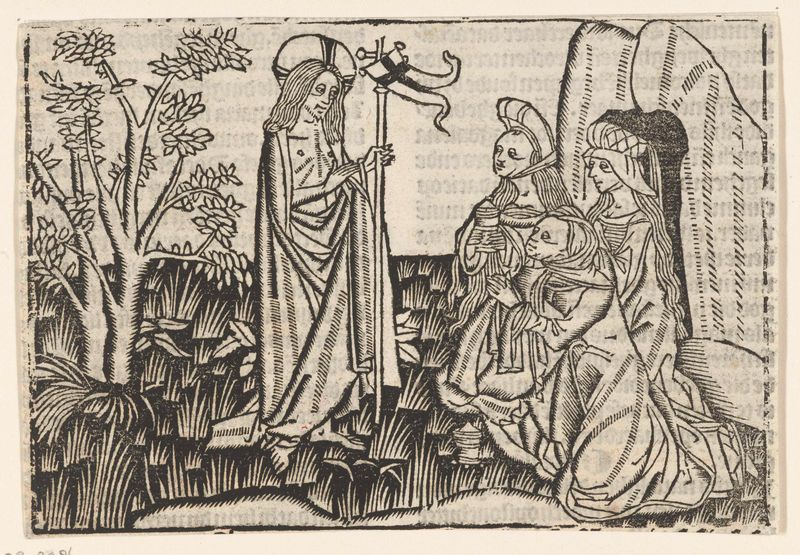
Christus verschijnt aan de drie Maria's
Master of Delft
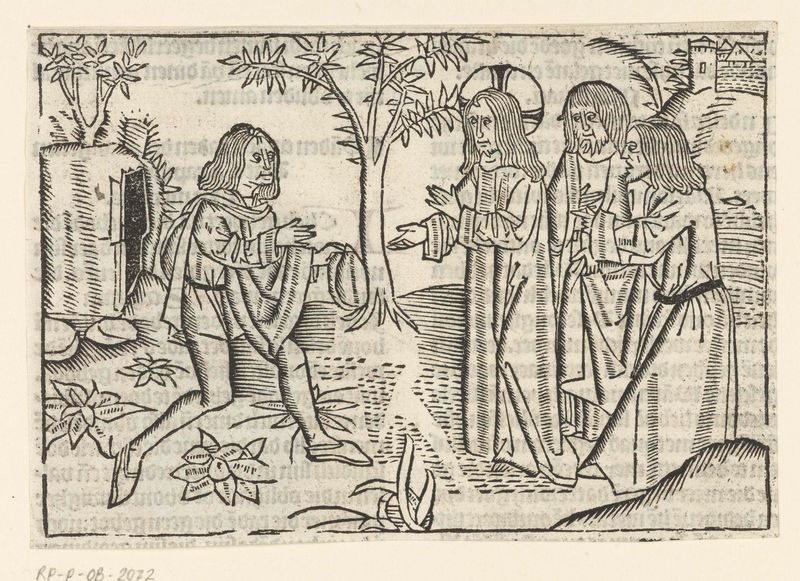
Christus en de rijke jongeling
Master of Delft
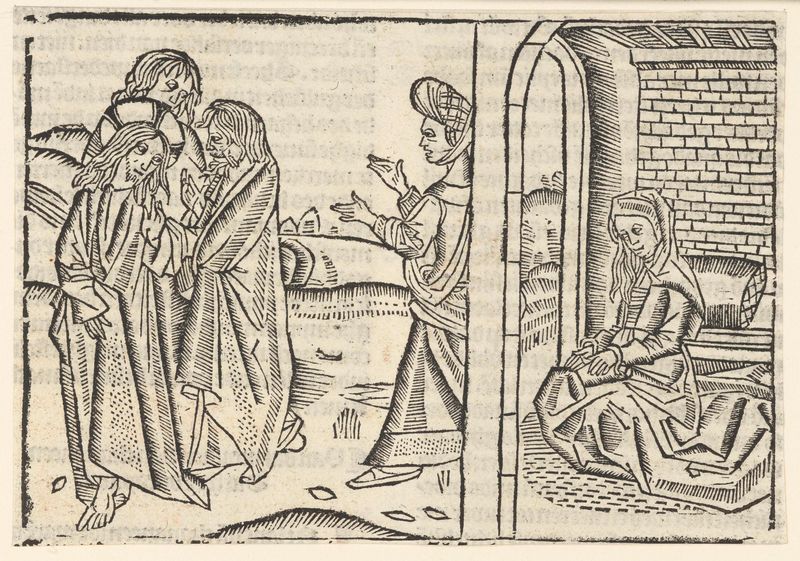
Christus en de Kanaänitische vrouw
Master of Delft
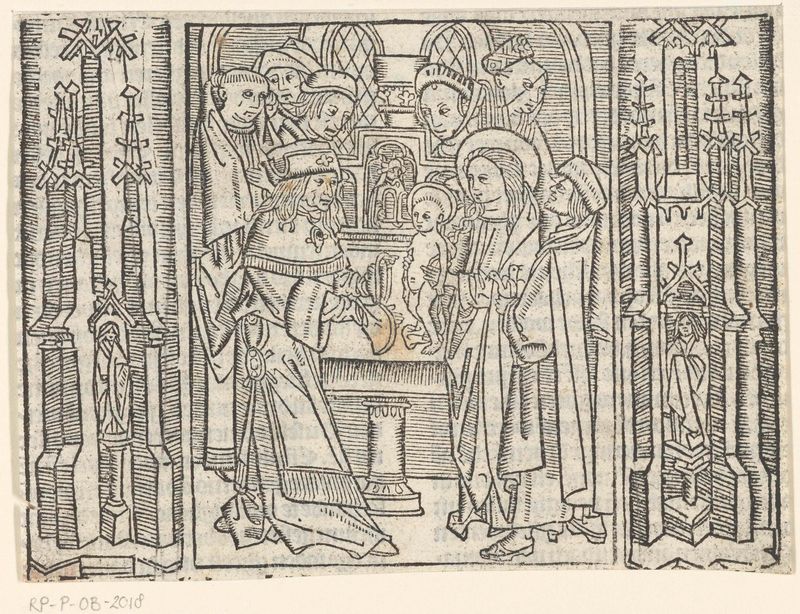
Presentatie van Christus in de tempel
Master of Delft
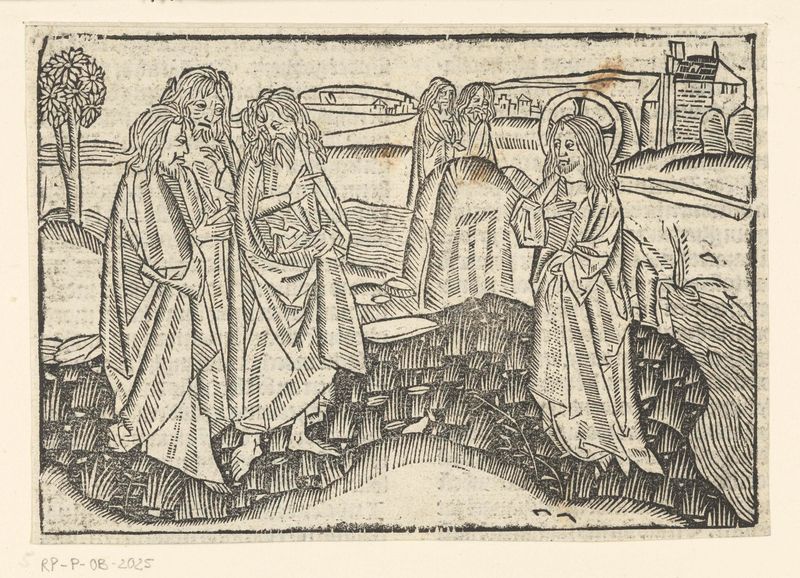
Christus kiest zijn eerste discipelen
Master of Delft
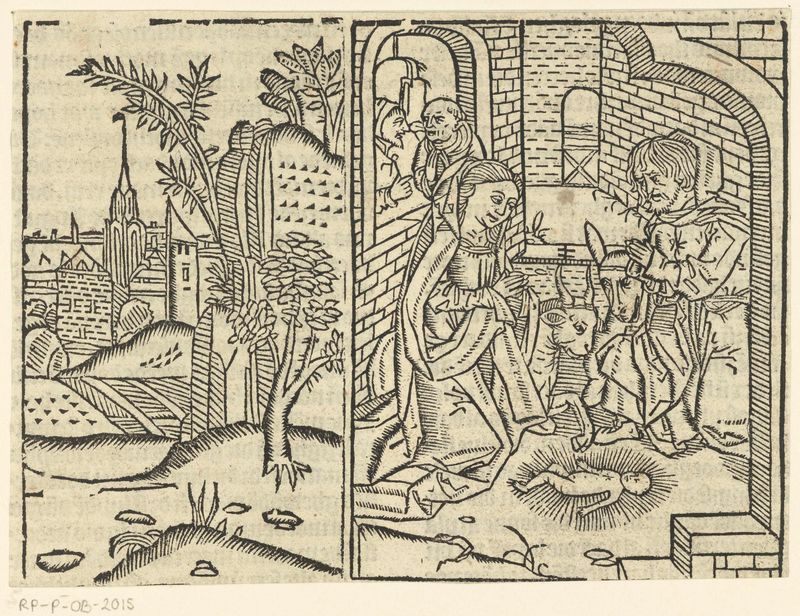
Geboorte van Christus
Master of Delft
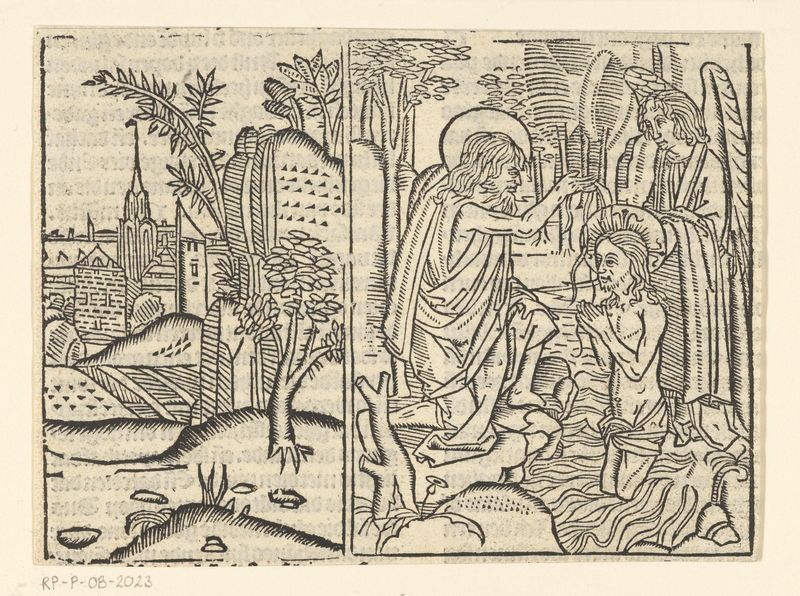
De doop van Christus in de Jordaan
Master of Delft
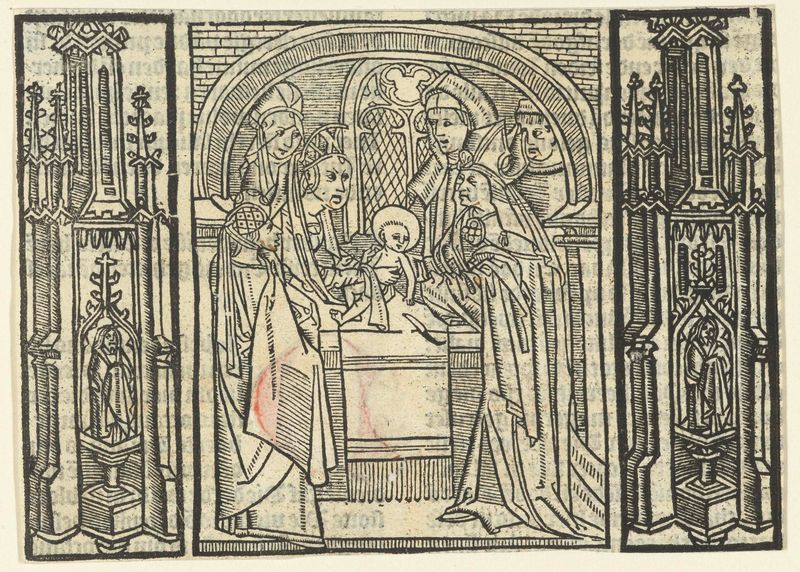
Besnijdenis van Christus
Master of Delft
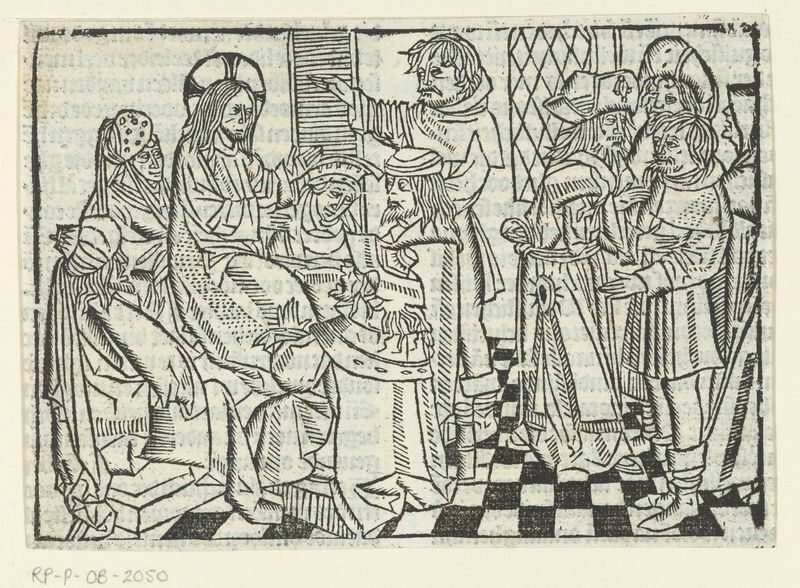
Christus geneest de man met een verdorde hand
Master of Delft
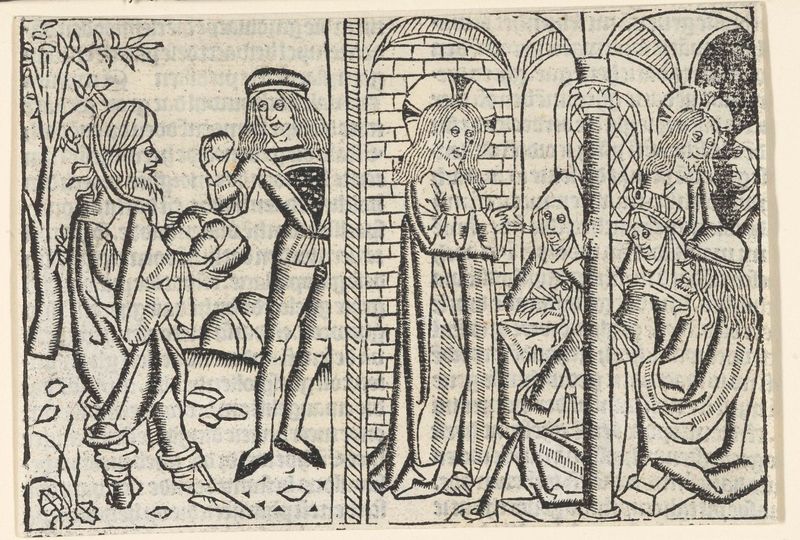
De Farizeeërs willen Christus stenigen
Master of Delft





