Morgat — History & Facts
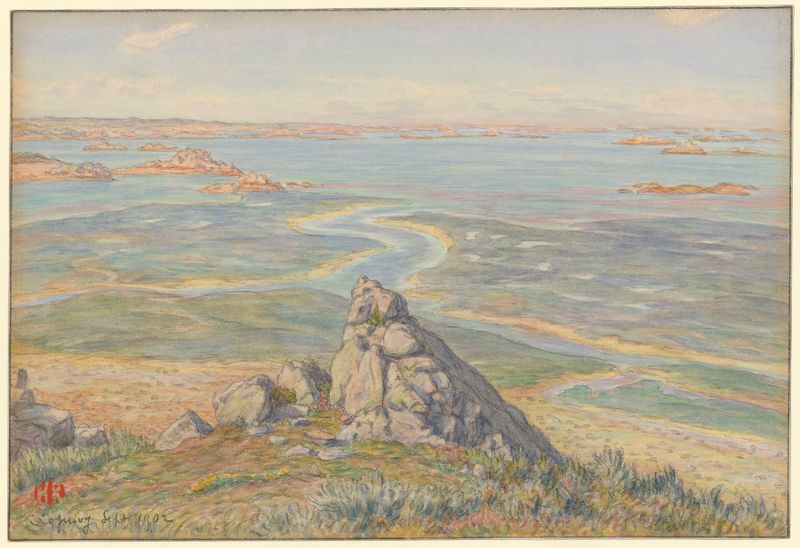
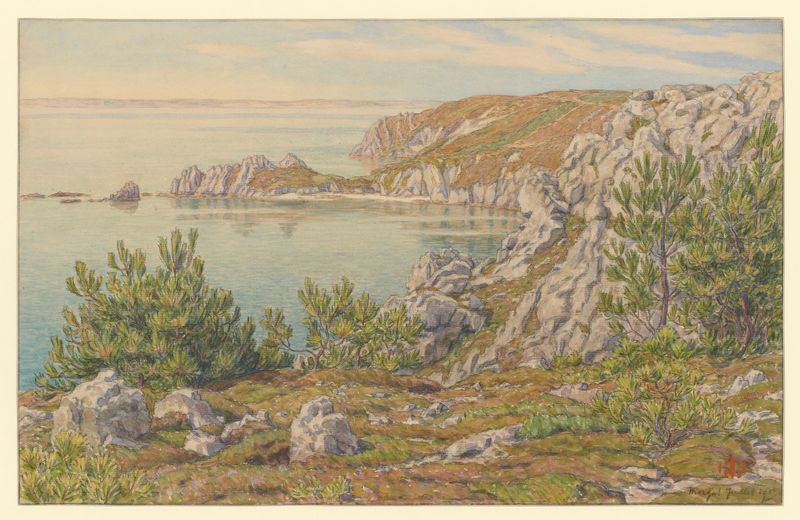
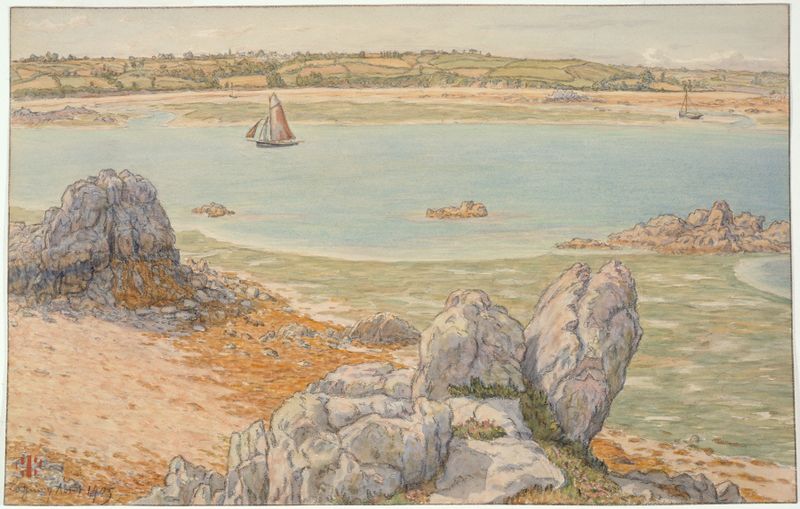
This revelation lingers as one gazes upon the intricate layers of Morgat. The artwork invites viewers into a realm where the allure of nature intertwines with the weight of human experience, revealing a complexity often hidden beneath the surface. Look to the center where the undulating waves meet the rocky coastline, a vivid tapestry painted in hues of deep blue and emerald green. Notice how light dances upon the water, glimmering like shards of glass, while the earthy browns and grays of the cliffs ground the piece in a tactile reality.
Rivière’s delicate brushwork brings motion to the sea, creating a sense of both tranquility and tumult, capturing nature’s duality. Hidden within this serene landscape lies an emotional tension, as the contrast between the calm sea and the looming cliffs suggests a battle between vulnerability and strength. The intricate details, from the frothy crests of the waves to the shadowy crevices of the rocks, reflect the artist’s keen observation of nature, yet also serve as metaphors for deeper struggles—those of the self against the overwhelming forces of life. Each brushstroke whispers stories of resilience, inviting contemplation on the fragility of beauty. In 1915, Henri Rivière painted this piece during a time of personal and global turmoil.
Living in France amidst the shadows of World War I, he sought solace in the landscapes of Brittany, where he found inspiration and renewal. This painting reflects not only his artistic journey but also the era's longing for peace and connection to the natural world, embodying the complexities of existence itself.