Cassis — History & Facts
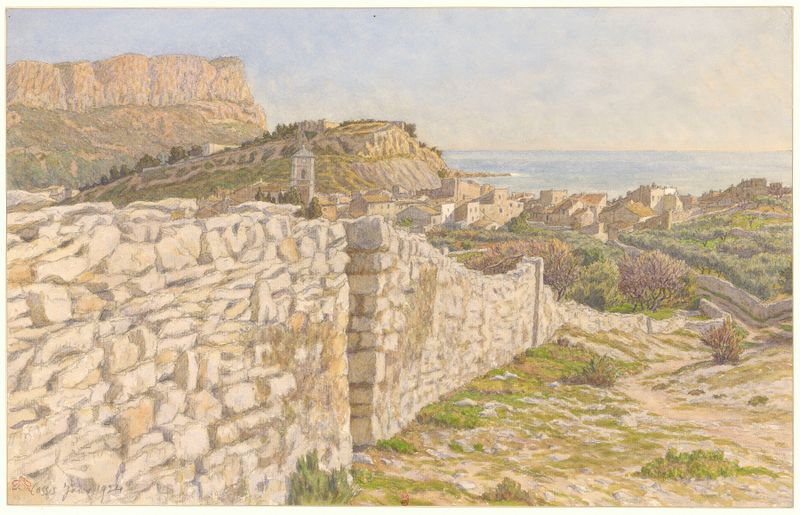
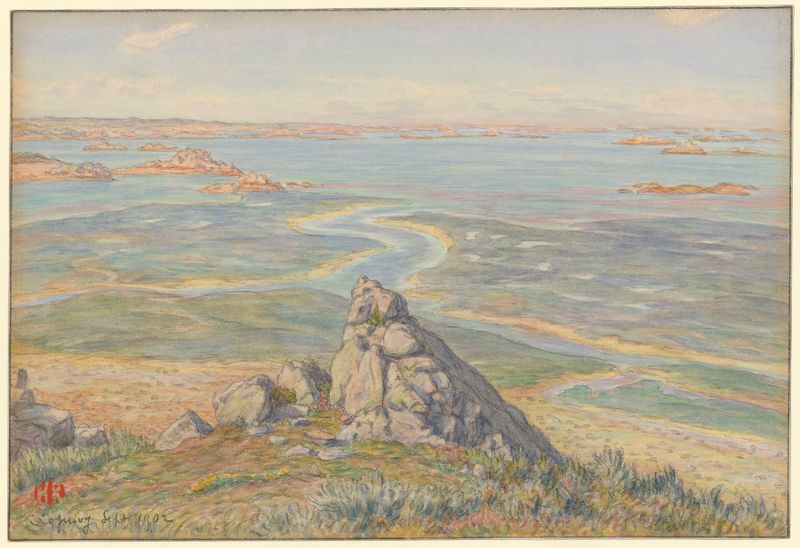
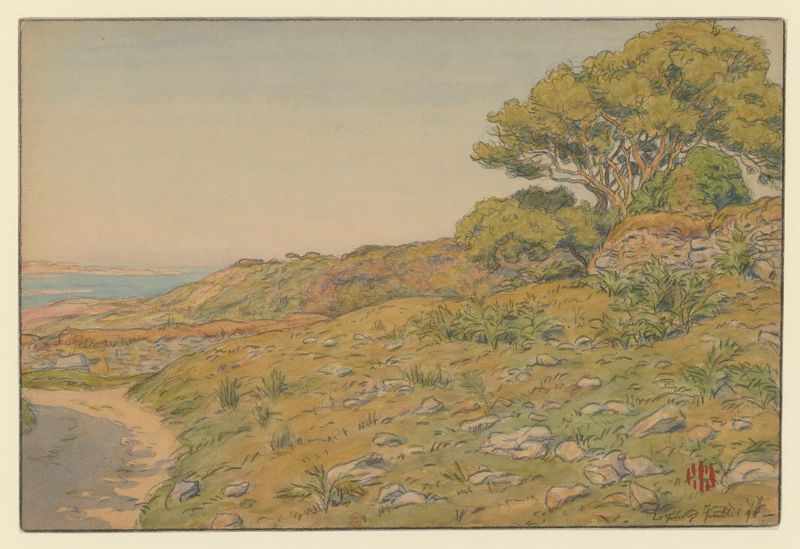
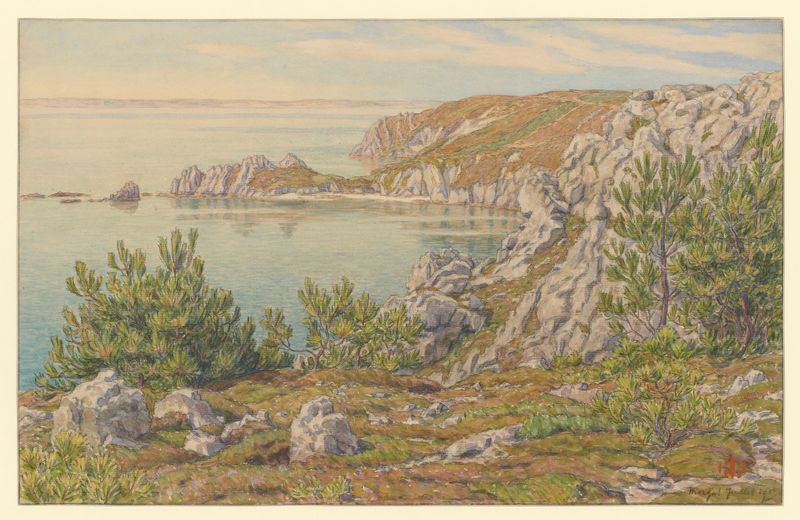
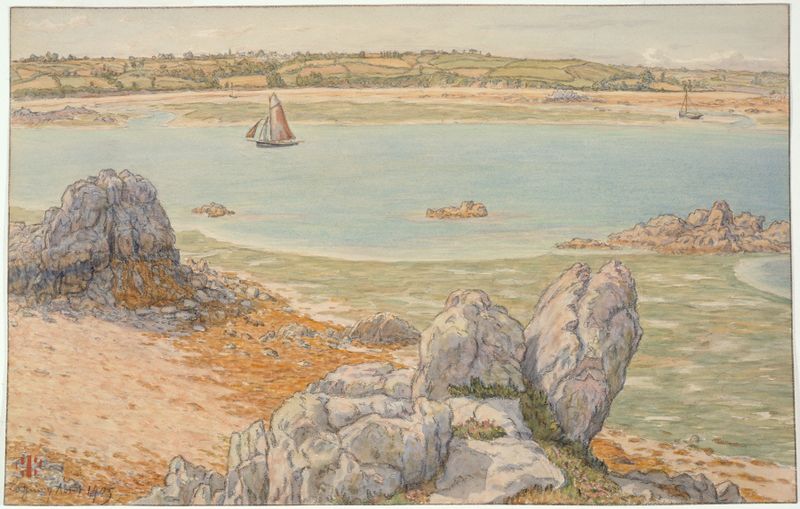
Who listens when art speaks of silence? In Cassis, a haunting stillness envelops the canvas, inviting viewers to contemplate the weight of solitude and the passage of time. Focus on the upper left corner, where vibrant strokes of deep blue sky merge with the soft contours of an islanded landscape. The play of light is masterful; it glimmers off the surface of the water, echoing the tranquility of the moment. As you trace the horizon, notice how the warm ochres and earthy greens of the land cradle the cool serenity of the sea, creating a harmonious balance that draws your eye into the depths of this seascape. Yet beneath this serene facade lies a profound melancholy.
The empty boats bob gently on the tide, suggesting the absence of human presence—a longing for connection reverberates through this still life. The gentle undulation of the waves speaks to the ceaseless flow of life, while the muted colors evoke a sense of nostalgia, as if Rivière is inviting us to reflect on what once was or what might have been. Created in 1924, the artist painted this work during a time when he was increasingly drawn to the interplay of emotion and nature. Living in France, Rivière was part of a movement that sought to convey deeper sentiments through landscape painting, mirroring the broader shifts in art during the post-World War I era.
His choice of Cassis, a location near Marseille, reflected both personal exploration and a keen observation of the evolving artistic landscape.