
Bunnosuke chaya (Bunnosuke teahouse) — History & Facts
In the whisper of a teahouse, hues dance with intention, revealing the delicate balance between vibrancy and tranquility. Focus on the soft palette that envelops the scene, where gentle greens and warm earth tones invite you into a world suspended in time. Notice how the muted light filters through the teahouse windows, casting a serene glow that highlights the intricacies of the wooden beams and paper screens. The composition expertly draws your gaze to the inviting entrance, where a subtle invitation lingers in the air, beckoning you to step closer. Yet, beneath this peaceful exterior lies a profound contrast: the dynamic interplay between the bustling outside world and the sanctuary within.
Each brushstroke conveys a moment of pause, echoing the silent conversations shared over tea. The artist plays with color not just as a visual tool but as a narrative force, suggesting the coexistence of chaos and calm in our daily lives. Yoshida Hiroshi created Bunnosuke chaya in 1940 while living in Japan, a time when traditional practices were beginning to clash with modernization. This period marked a significant transition in the world of art, as Hiroshi sought to preserve the essence of Japanese culture through his prints.
His work captures the tranquility of a fleeting moment, amidst the rapid changes of his era, and speaks to the timelessness of human connection.
More Artworks by Yoshida Hiroshi

Crytomeria Avenue (Sugi Namiki)
Yoshida Hiroshi
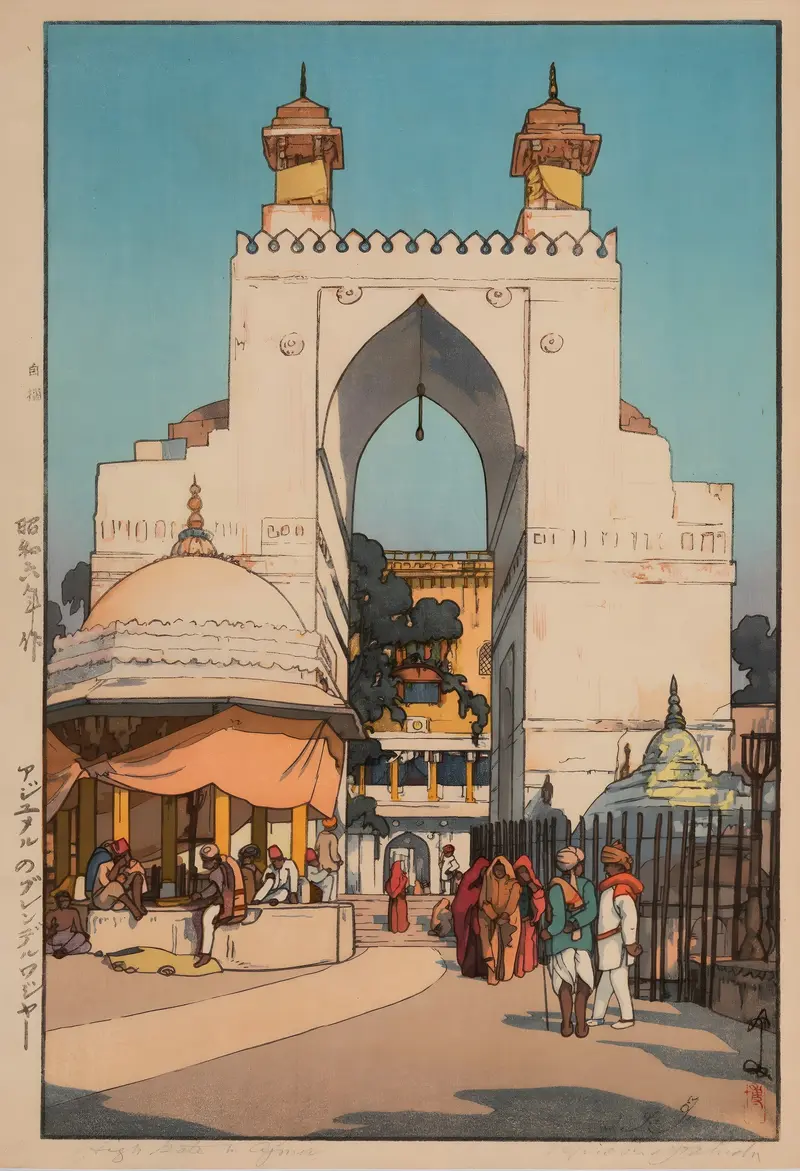
High Gate in Ajmer (Ajumeru no Berenderuwajaa)
Yoshida Hiroshi
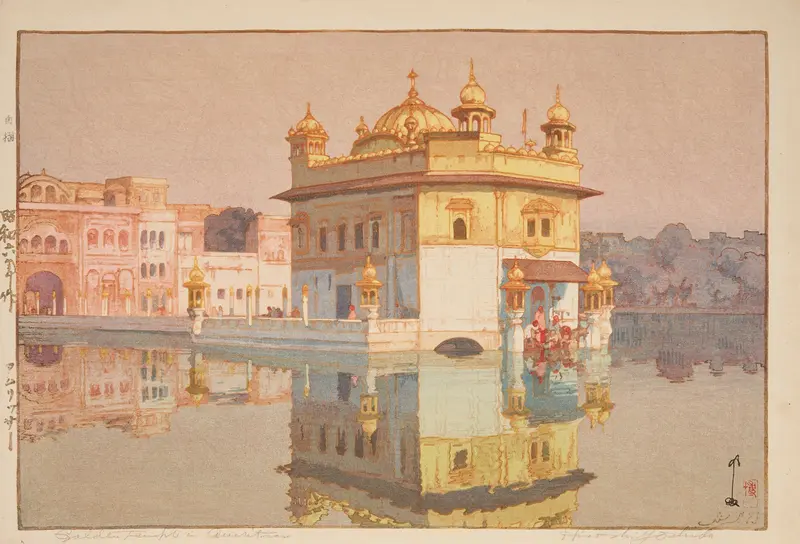
Amurissaa (Golden Temple in Amritsar)
Yoshida Hiroshi
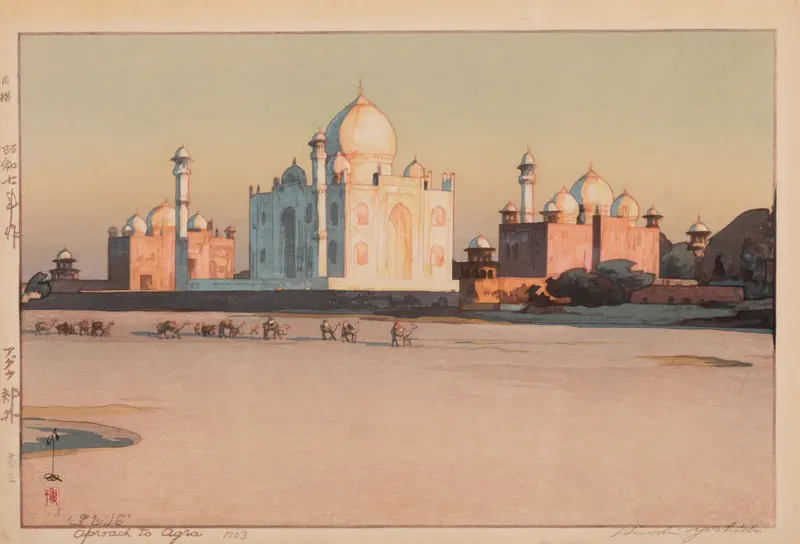
Approach to Agra No. 3 (Agura kogai, dai san)
Yoshida Hiroshi
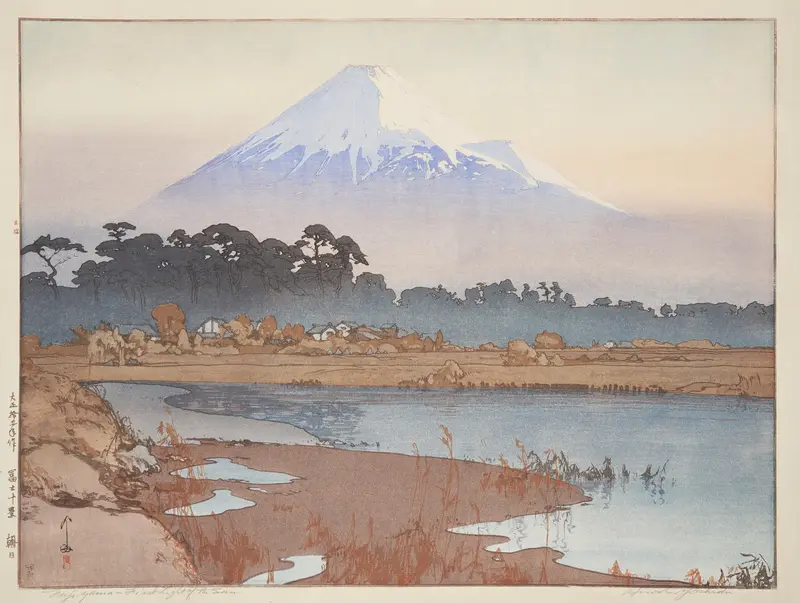
Asahi (Sunrise).
Yoshida Hiroshi
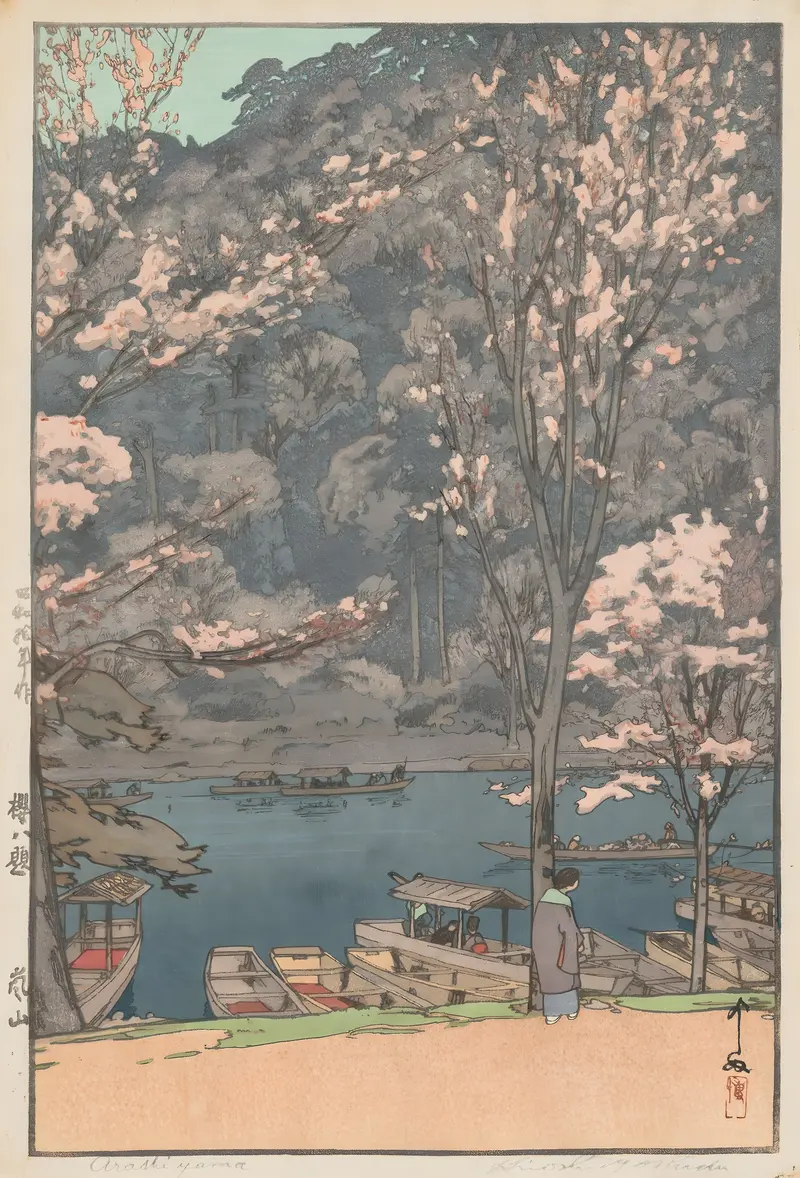
Eight Scenes of Cherry Blossom; Arashiyama
Yoshida Hiroshi
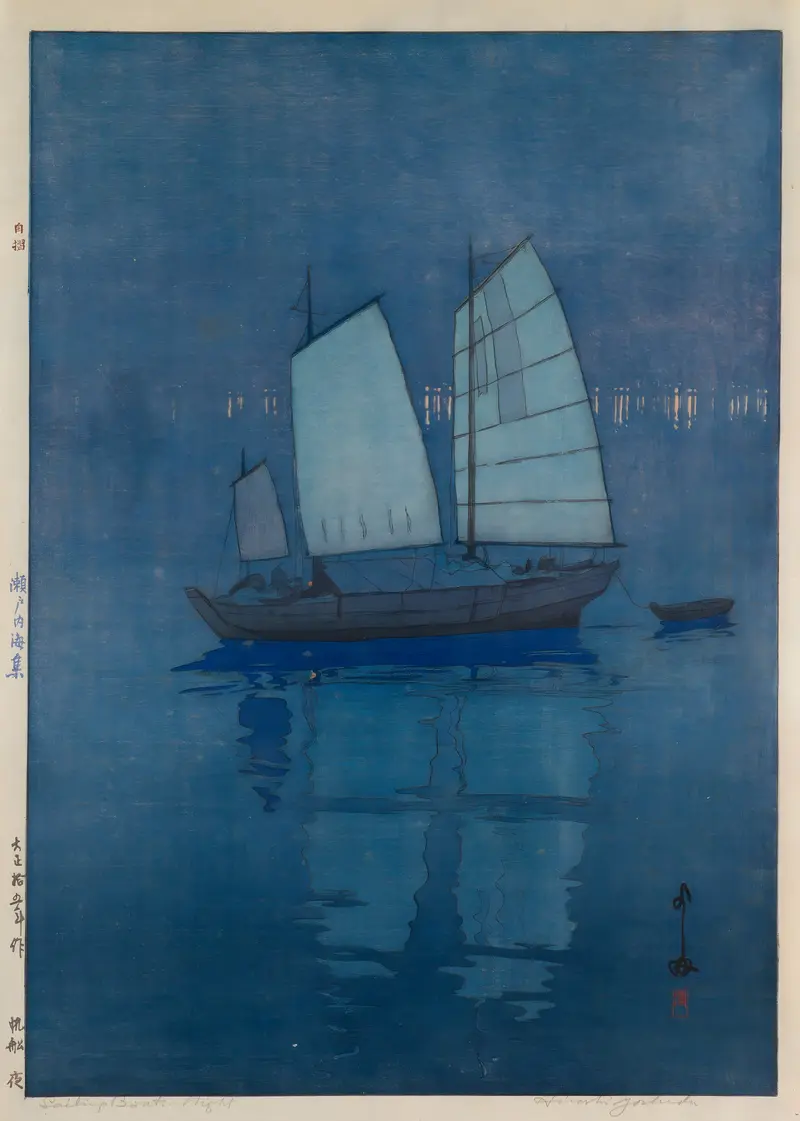
Sailing Boats — Night, from the series ‘The Seto Inland Sea’
Yoshida Hiroshi
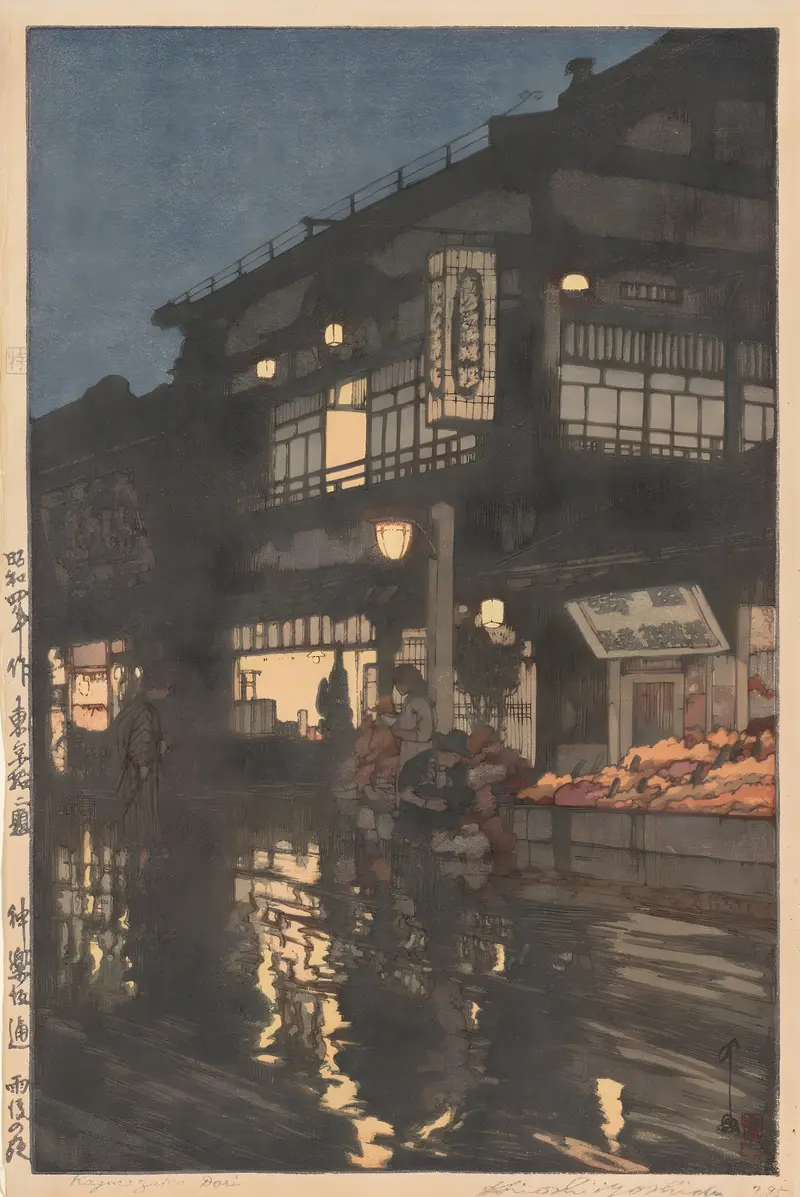
Kagurazaka Street after a Night Rain
Yoshida Hiroshi
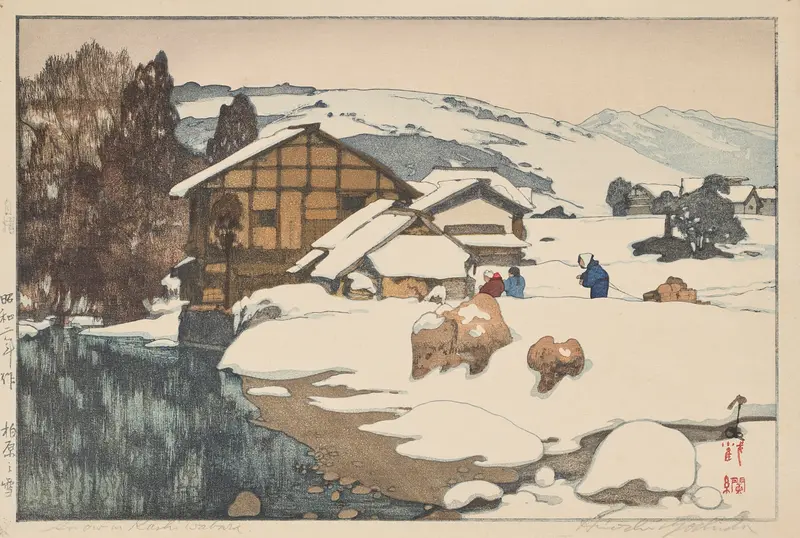
Kashiwabara no yuki (Snow at Kashiwabara)
Yoshida Hiroshi
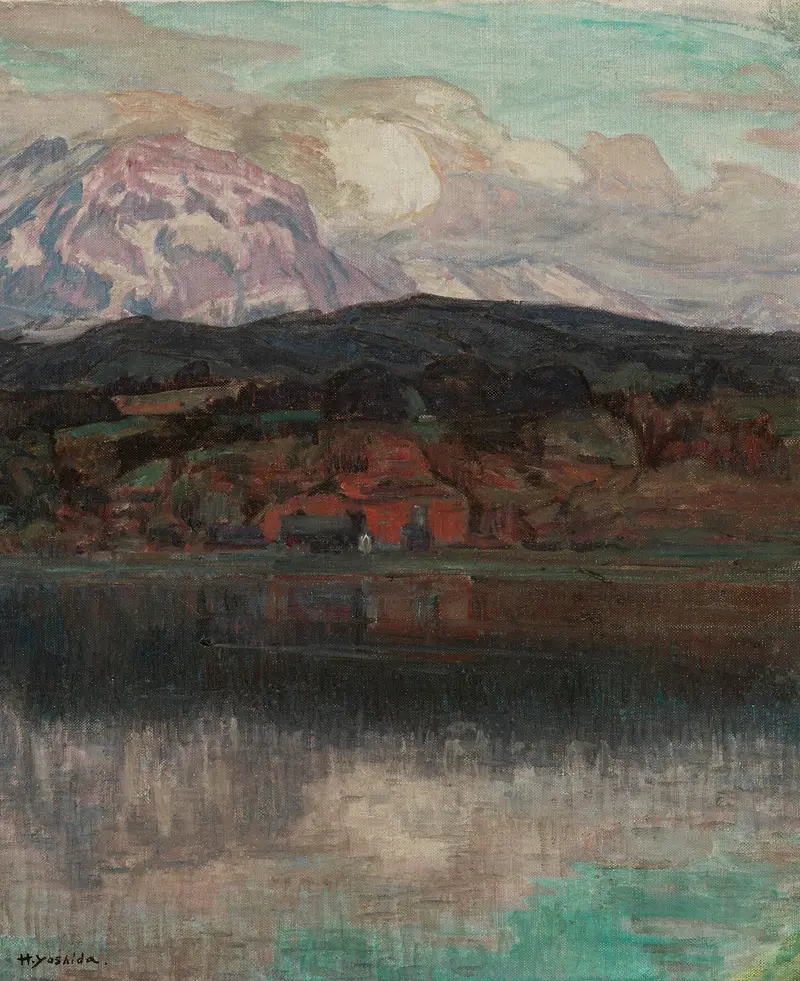
Landscape
Yoshida Hiroshi





