
Burning Tares in a Wheatfield — History & Facts
When Burning Tares in a Wheatfield was first exhibited in 1868, visitors recognized an image drawn directly from the rhythms of rural life, but also from the parables of the Gospel. Jules Breton had already won acclaim for his scenes of French peasantry, but here, he captured a ritual that was both practical and symbolic: the burning of weeds—tares—among the wheat, a practice as old as agriculture itself. The work quickly became a talking point in Parisian circles, not only for its luminous treatment of dusk, but for its subtle engagement with themes of labor, morality, and the cycles of the land.
Critics noted how Breton’s painting blurred the line between documentary and allegory, prompting debate about its true subject. The moment chosen by Breton is one of action and decision: farmworkers, faces illuminated by the low firelight, gather in the fields to burn the tares that threaten the wheat’s purity. The flames lick upward, casting long shadows and painting the workers’ gestures in gold and black. The wheat stands tall and untouched, while the tares—symbolic of corruption or evil, as in the biblical parable—are consigned to destruction.
Breton’s attention to the workers’ postures, the careful arrangement of tools, and the interplay of dusk and fire, all serve to heighten the sense of ritual and communal purpose. Unlike Jean-François Millet’s more somber The Gleaners, which dwells on poverty, Breton’s scene is one of active stewardship and hope for a good harvest. The precise journey of Burning Tares in a Wheatfield after its debut is not fully documented, though it is known that Breton’s agricultural scenes were highly sought after by collectors in both France and England during the late nineteenth century. The painting’s medium remains uncertain, though oil on canvas is likely given Breton’s typical practice.
Today, the work stands as a testament to the artist’s lifelong dedication to rural subjects and his ability to infuse everyday labor with dignity and meaning. It continues to be studied as a key example of Realism—a movement that, in Breton’s hands, became as much about myth and morality as about the faithful depiction of the world.
More Artworks by Jules Breton

The Song of the Lark
Jules Breton
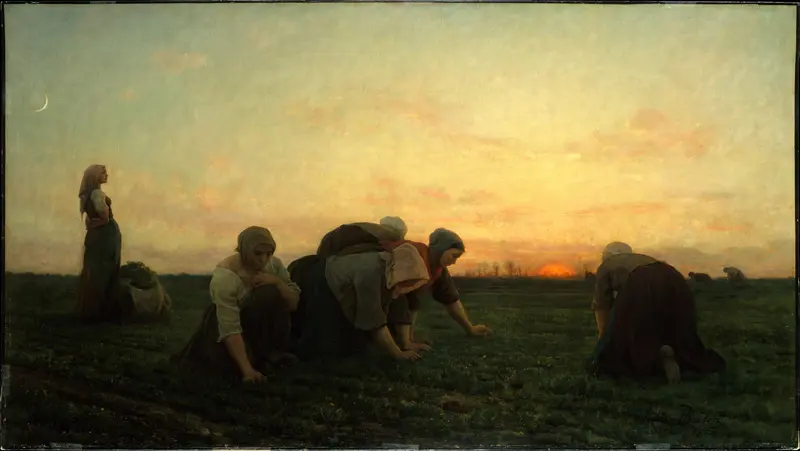
The Weeders
Jules Breton
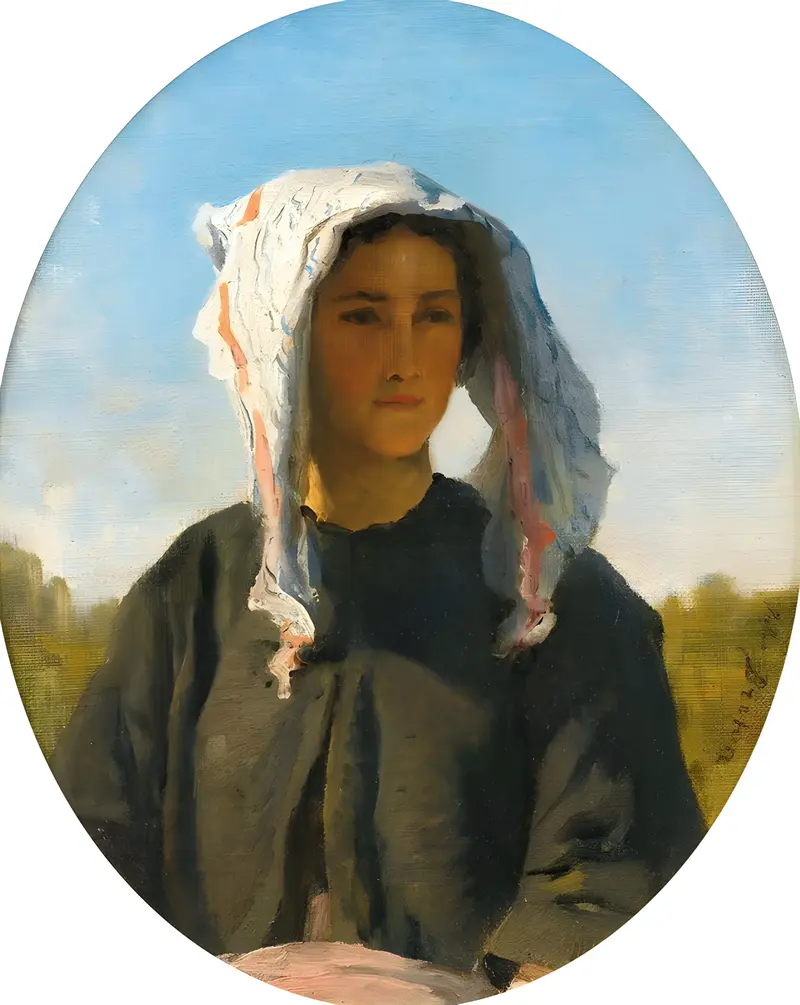
Portrait de jeune Paysanne Bordelaise
Jules Breton
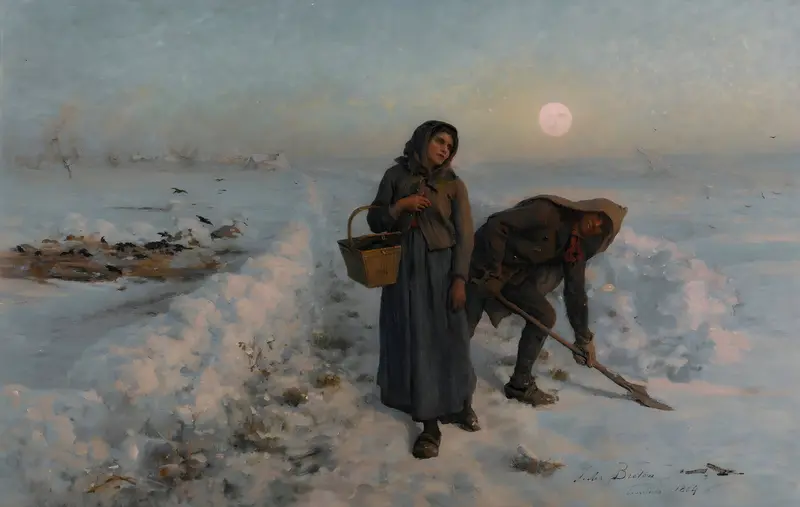
Sur la route en hiver; artois
Jules Breton
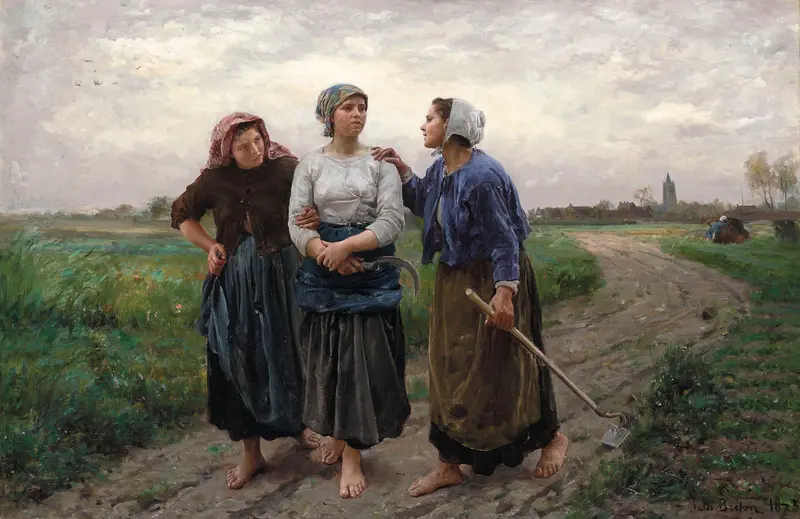
Les amies
Jules Breton
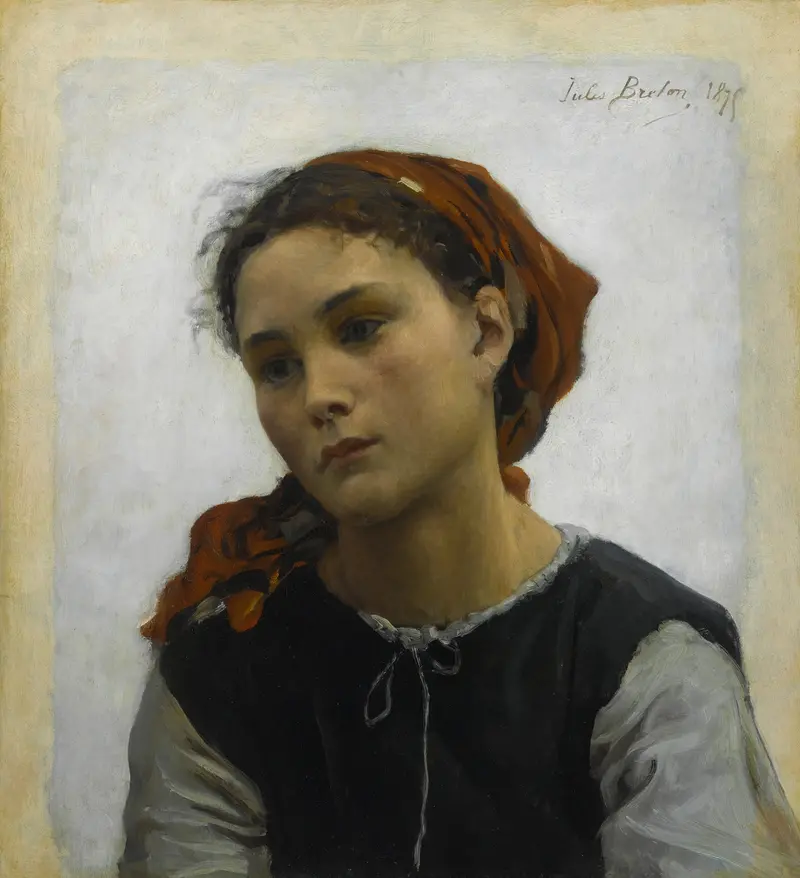
Innocente
Jules Breton
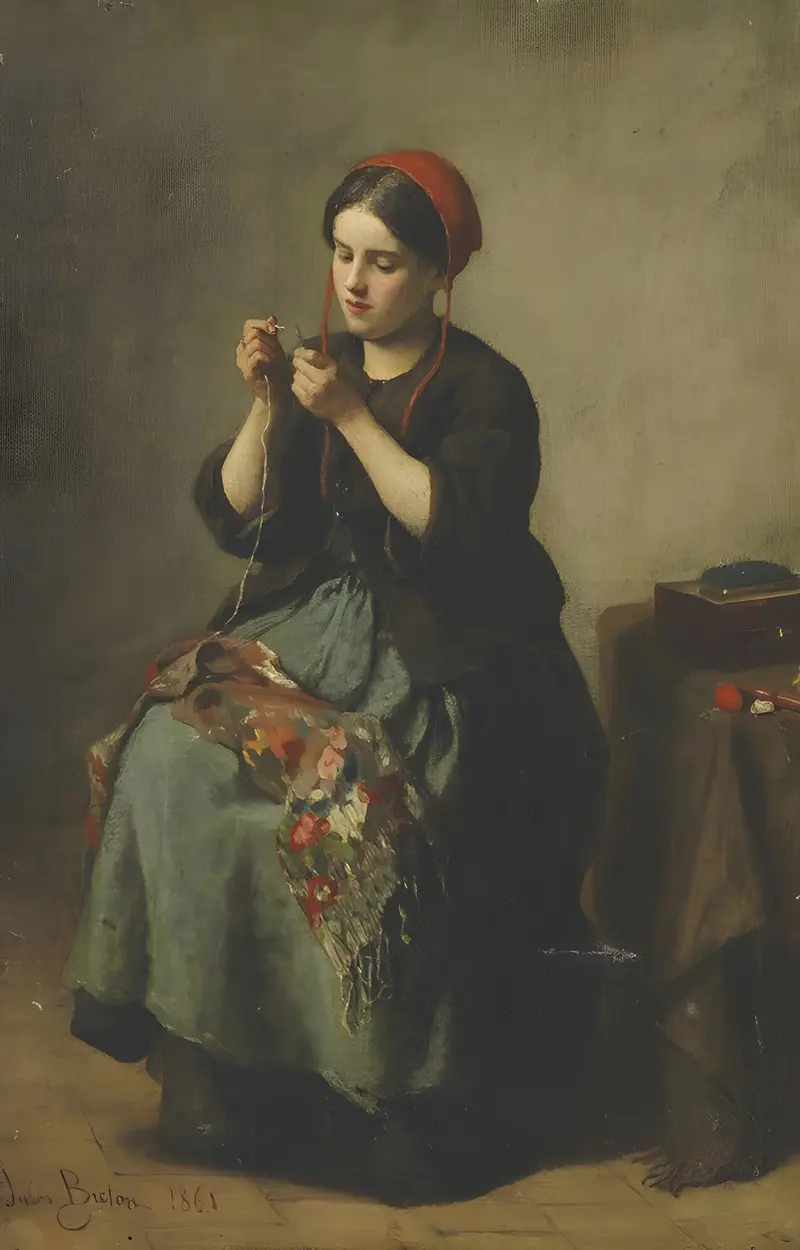
Peasant woman threading a needle
Jules Breton
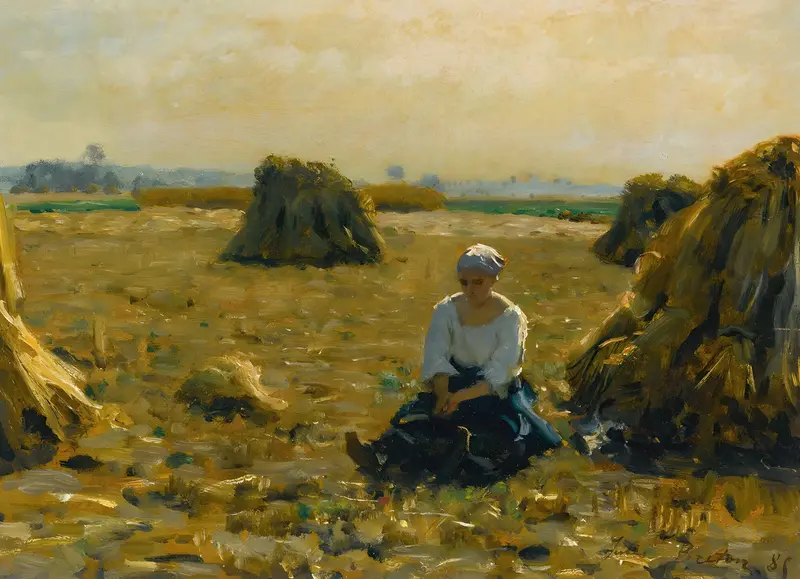
Jeune femme dans les champs
Jules Breton
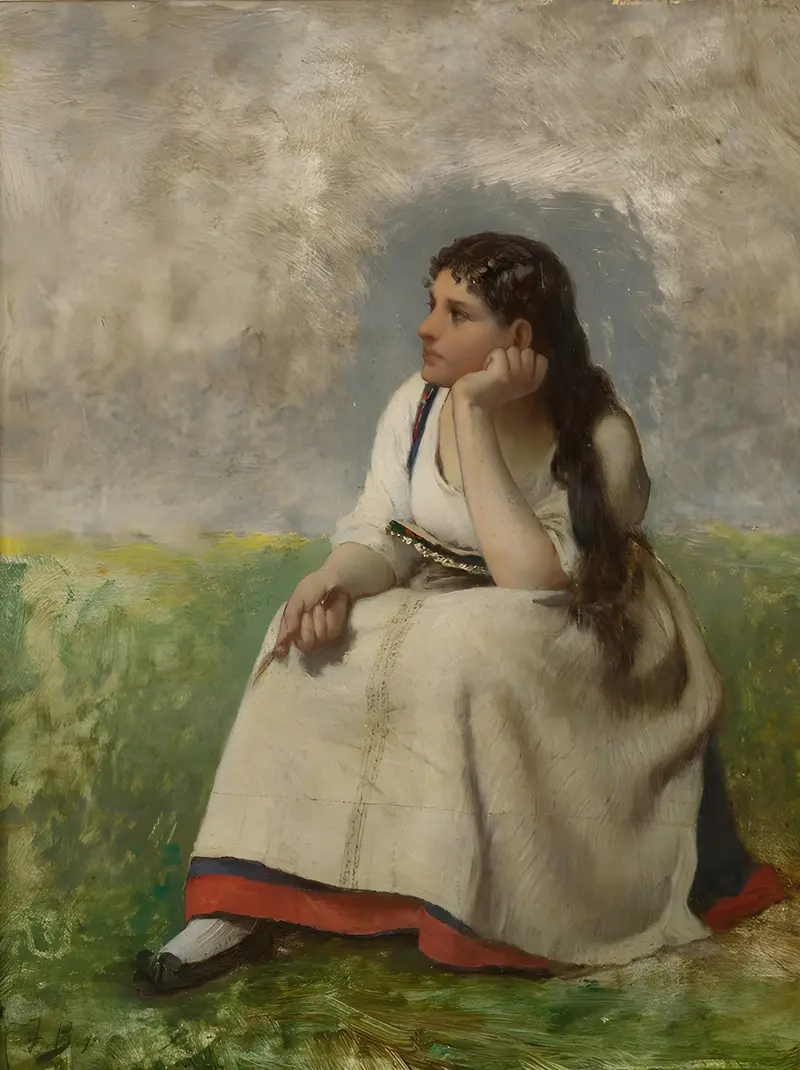
Jeune Fille Pensive
Jules Breton
Returning from the Fields
Jules Breton
More Genre Scene Art

Banquet of the Officers of the St George Civic Guard
Frans Hals

Rembrandt and Saskia in the Scene of the Prodigal Son
Rembrandt van Rijn

Bal du moulin de la Galette
Pierre-Auguste Renoir

Quadrille at the Moulin Rouge
Henri de Toulouse-Lautrec

A Burial at Ornans
Gustave Courbet

When Will You Marry?
Paul Gauguin