
Bust of a Woman — History & Facts
When Bust of a Woman was first exhibited in 1919, viewers were unsettled by its elongated forms and mask-like face—hallmarks that had already made Amedeo Modigliani both famous and controversial in Parisian circles. The sitter’s identity remains a mystery, fueling speculation among art historians: was she one of the many women in Modigliani’s Montparnasse circle, or an imagined muse? What is certain is that, by this late stage in his short life, Modigliani was working feverishly, producing portraits and nudes that would define his legacy. His health was failing, and the urgency of his final year pulses through works like this. The woman’s almond eyes, gently sloping shoulders, and impossibly long neck seem to hover between reality and dream.
Modigliani selects a moment of stillness, the sitter gazing neither at the viewer nor away, but inward, as if caught in meditation. The simplified forms—oval face, narrow nose, pursed lips—recall the stylized masks of African sculpture, which deeply influenced Modigliani after he encountered them in Paris. Unlike the psychological intensity of Pablo Picasso’s portraits from the same era, Modigliani’s approach is quieter, more enigmatic, inviting us to wonder about the inner life of his subject. The precise medium of Bust of a Woman is unknown, though Modigliani often worked in oil on canvas.
Like many of his portraits, it was likely painted in his cramped studio in Montparnasse, surrounded by fellow artists and poets. The painting’s early history is unclear, as Modigliani’s works changed hands frequently, sometimes exchanged for food or rent. Today, it stands as a testament to the artist’s distinctive vision in the last year of his life, a period marked by both creative intensity and personal hardship.
The painting’s journey from bohemian Paris to the museum wall mirrors the rise of Modigliani’s reputation, from outsider to icon of early Modernism.
More Artworks by Amedeo Modigliani
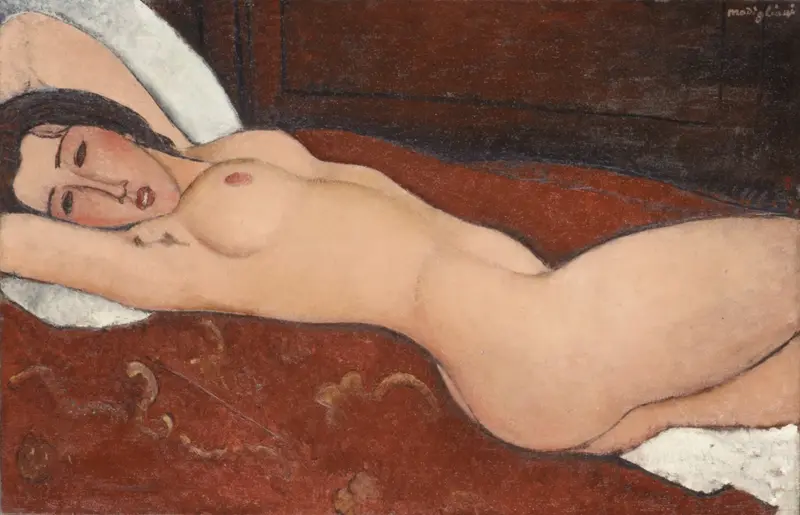
Reclining Nude
Amedeo Modigliani

Portrait Of Jeanne Hébuterne
Amedeo Modigliani

Jeanne Hébuterne
Amedeo Modigliani
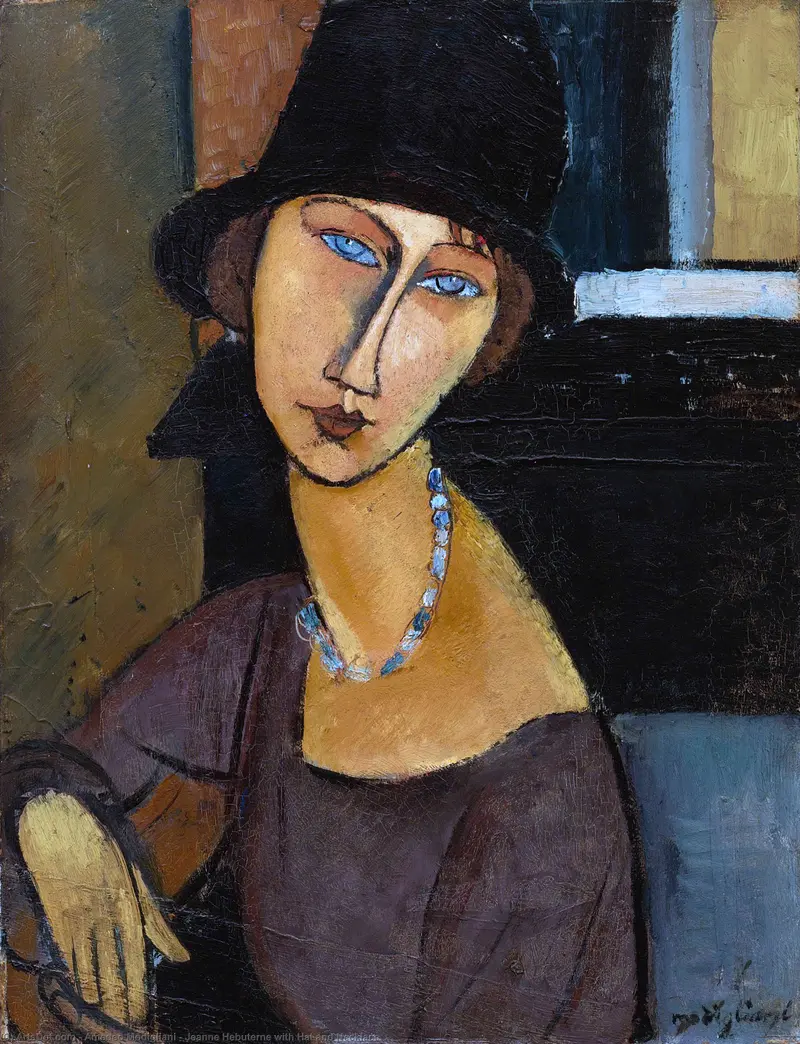
Jeanne Hébuterne with Hat and Necklace
Amedeo Modigliani
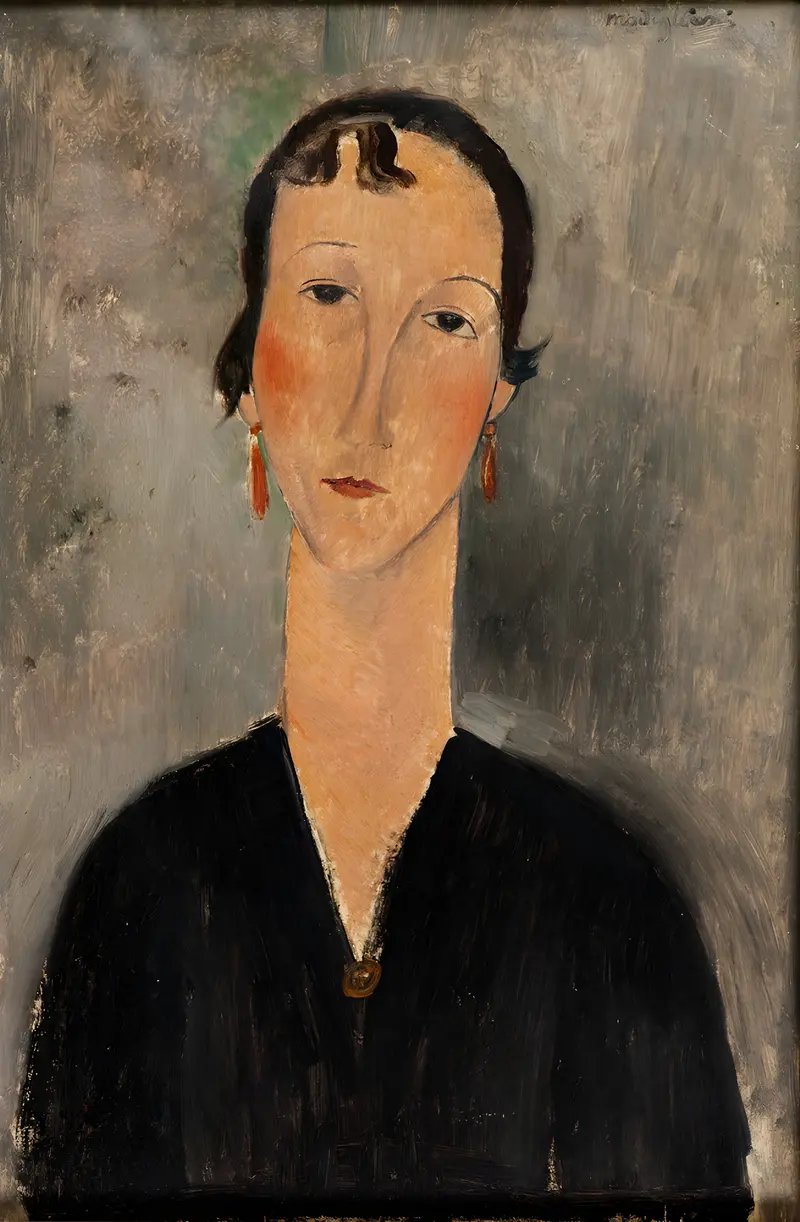
Femme aux boucles d'oreilles
Amedeo Modigliani
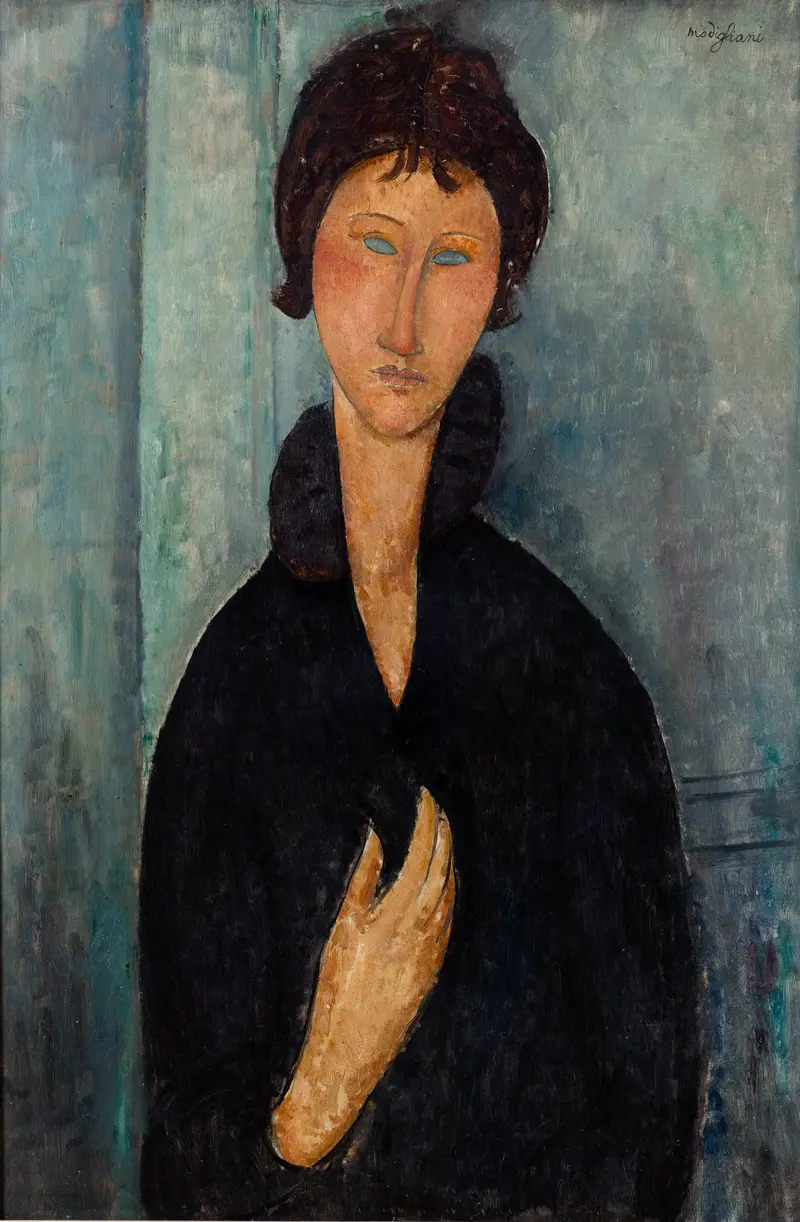
Femme aux yeux bleus
Amedeo Modigliani
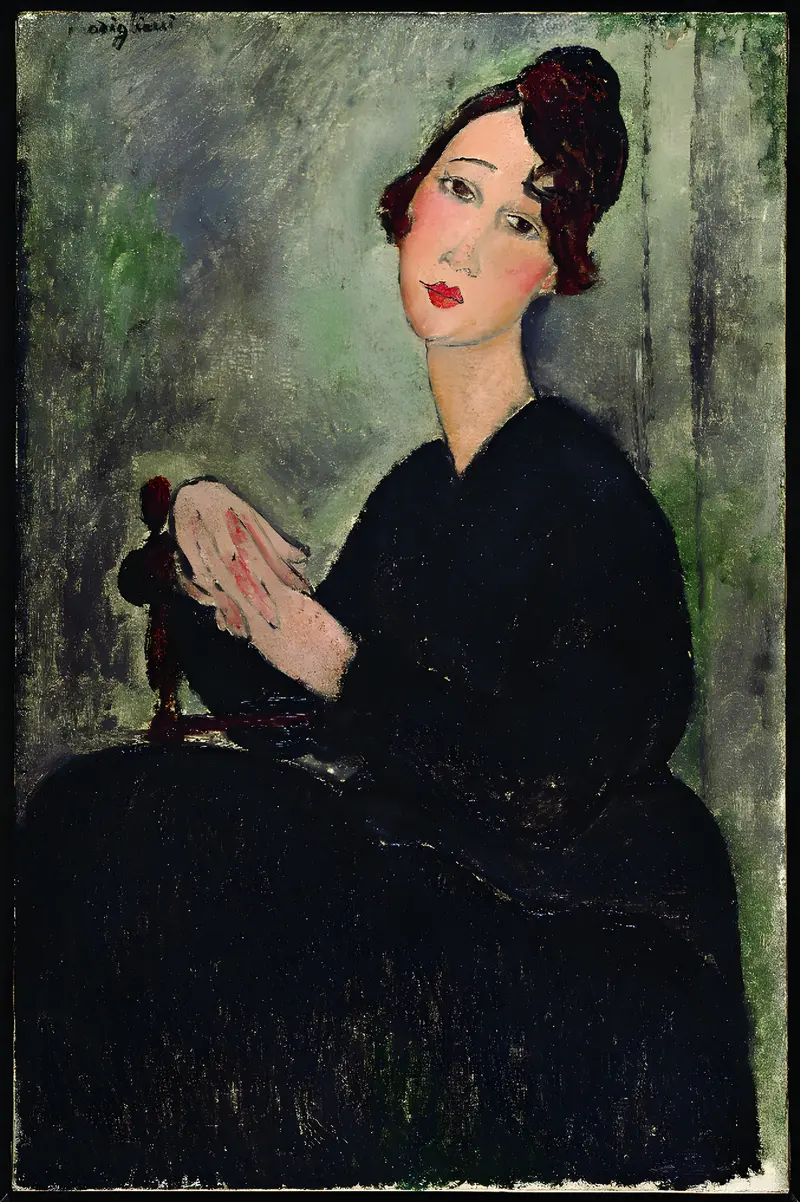
Portrait of Dedie
Amedeo Modigliani
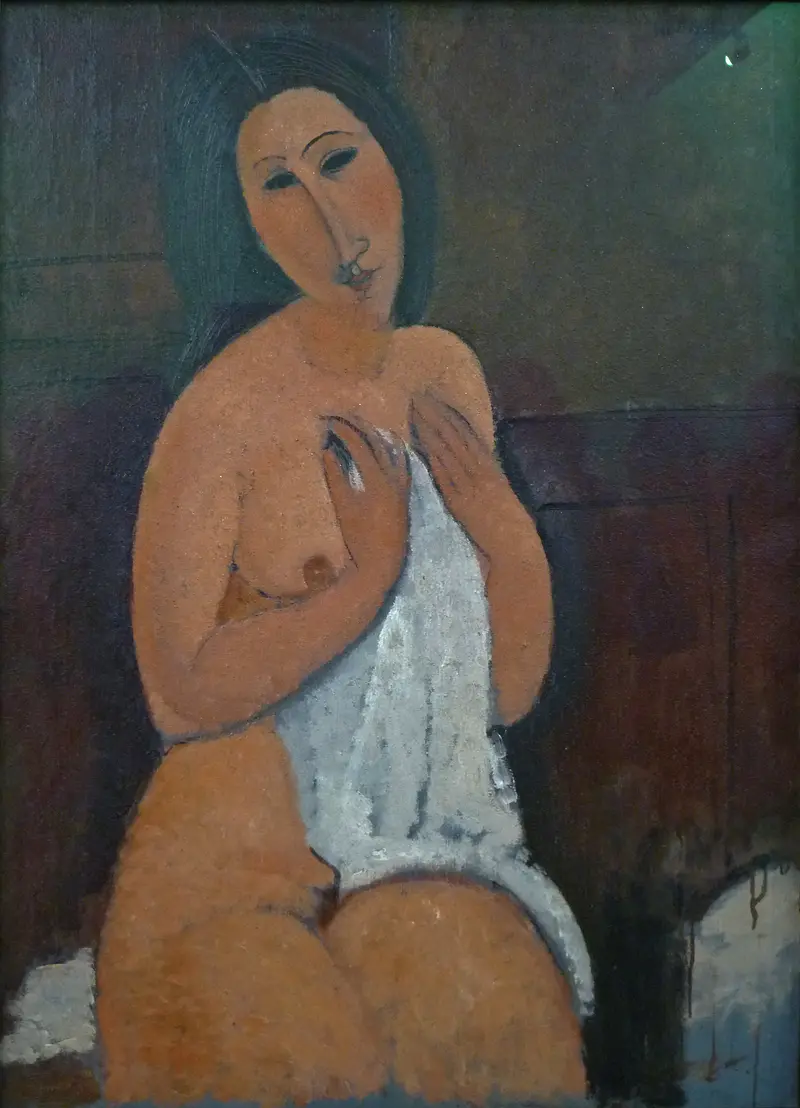
Seated nude with shirt
Amedeo Modigliani
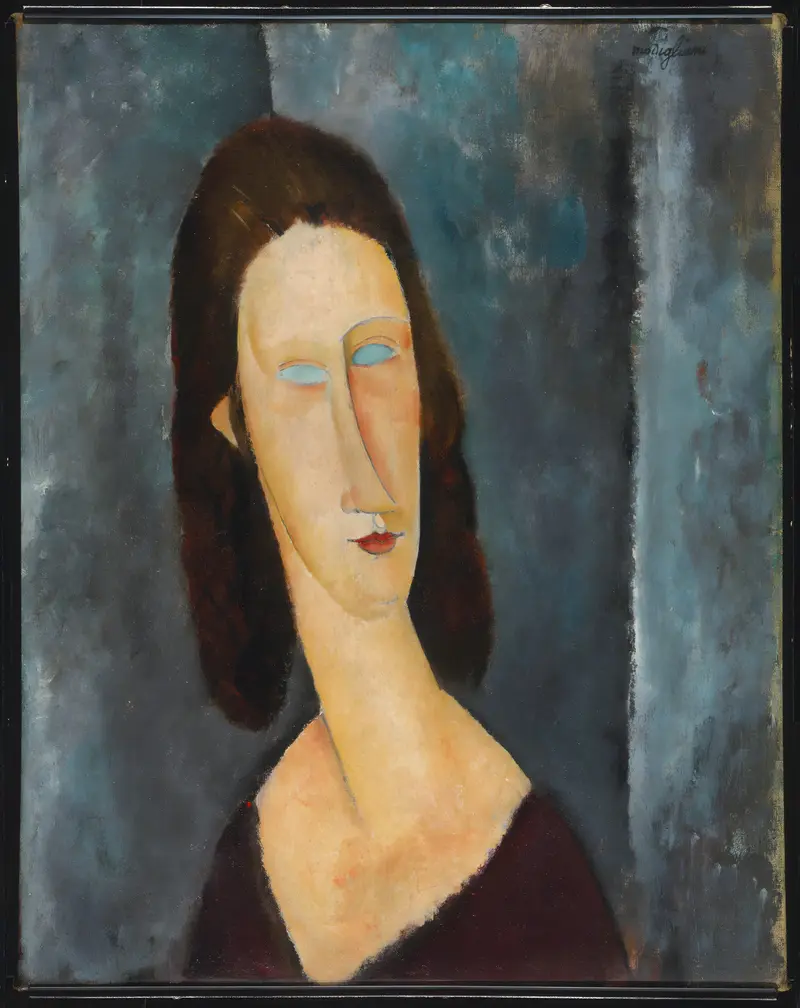
Blue Eyes (Portrait of Madame Jeanne Hébuterne)
Amedeo Modigliani
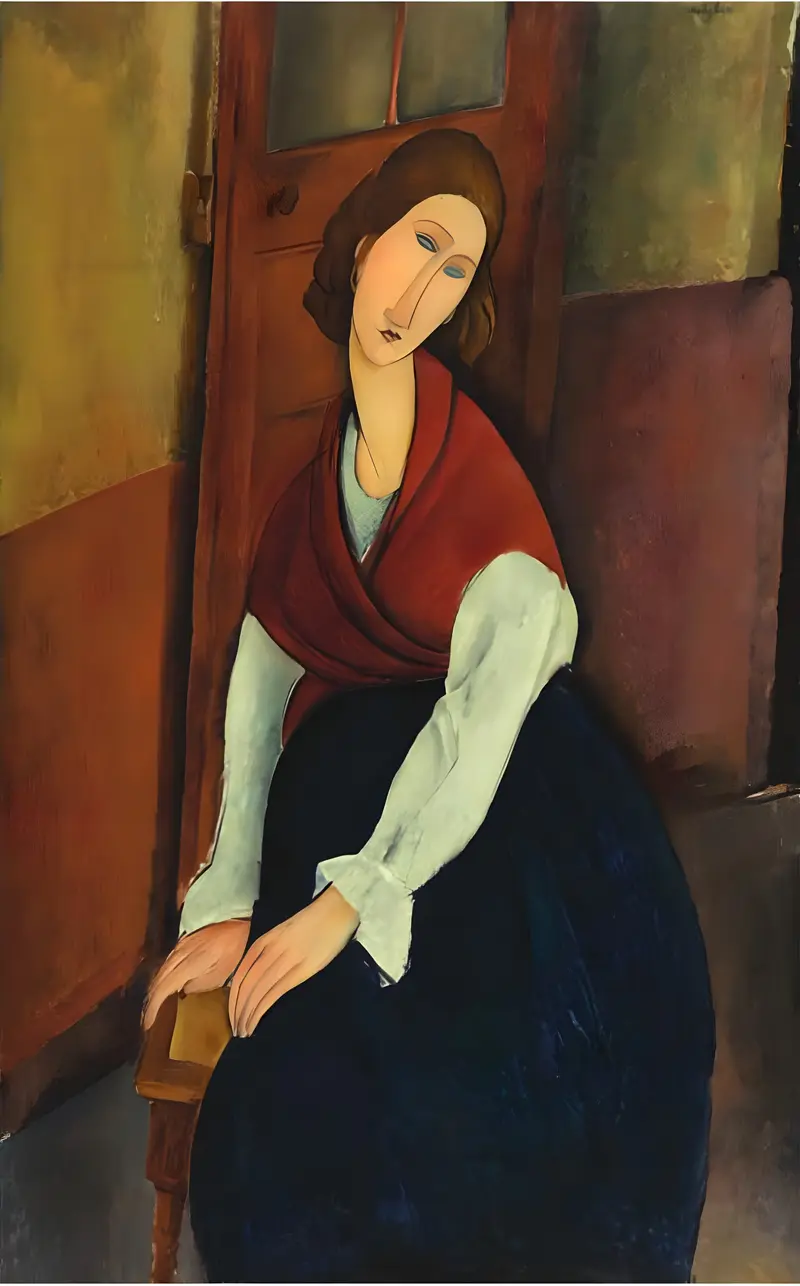
Jeanne Hebuterne in Red Shawl
Amedeo Modigliani





