
Cabanes de bois parmi les oliviers et cyprès — History & Facts
Is this a mirror — or a memory? The fragile interplay of color and form in this piece evokes the impermanence of life, inviting viewers to reflect on their own past. Look to the left at the vibrant green of the olive trees, each leaf painted with Van Gogh's signature swirling strokes. The cabins emerge from a soft, sun-drenched landscape, their earthy tones contrasting against the brilliant blues and greens. Notice how the light falls upon the roofs, highlighting the texture of the wood, while the cypress trees stand tall in the distance, casting elongated shadows that hint at the passage of time. The emotional tension in the painting lies in its juxtaposition of stability and transience.
The sturdy cabins suggest a sense of permanence, yet their weathered appearance speaks to the fragility of existence. The vibrant colors of the landscape vibrate with life, contrasting with the muted undertones of the buildings, embodying the constant conflict between nature’s beauty and the inevitability of decay. In 1889, during his stay at the asylum in Saint-Rémy-de-Provence, the artist sought solace and inspiration among the olive groves and cypress trees of the surrounding countryside. It was during this tumultuous time that he created Cabanes de bois parmi les oliviers et cyprès, capturing not only the beauty he observed but also the complexities of his own emotional landscape amidst the challenges he faced in both life and art.
More Artworks by Vincent van Gogh
Browse all →
Starry Night
Vincent van Gogh
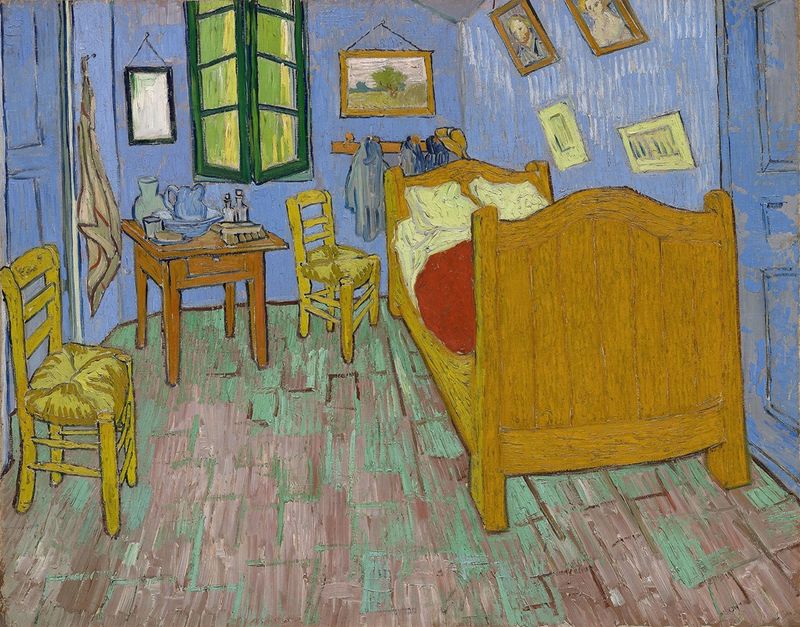
The Bedroom
Vincent van Gogh
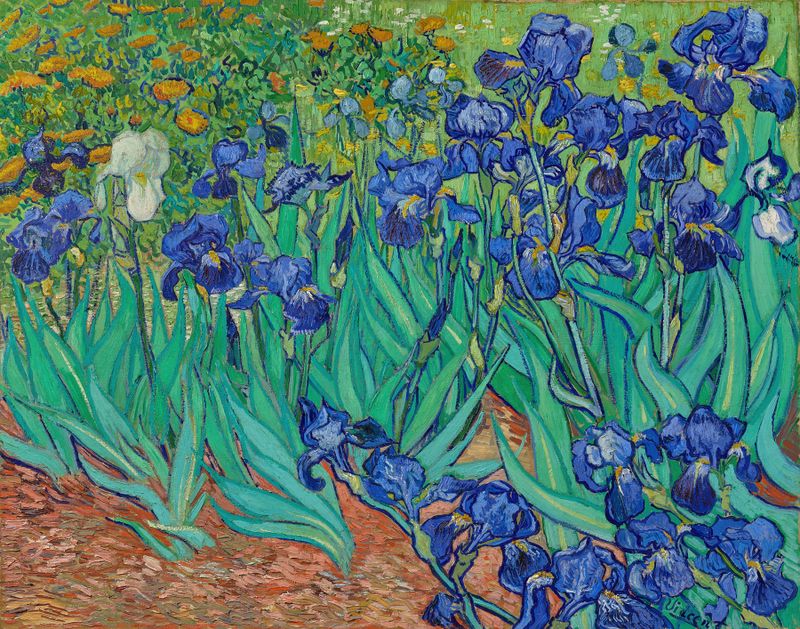
Irises
Vincent van Gogh
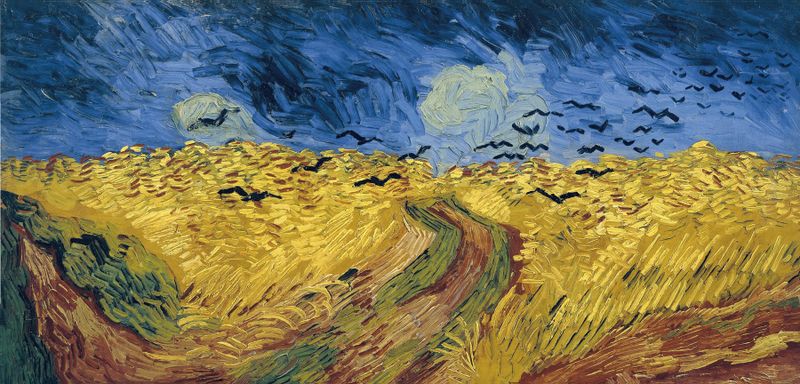
Wheatfield with Crows
Vincent van Gogh
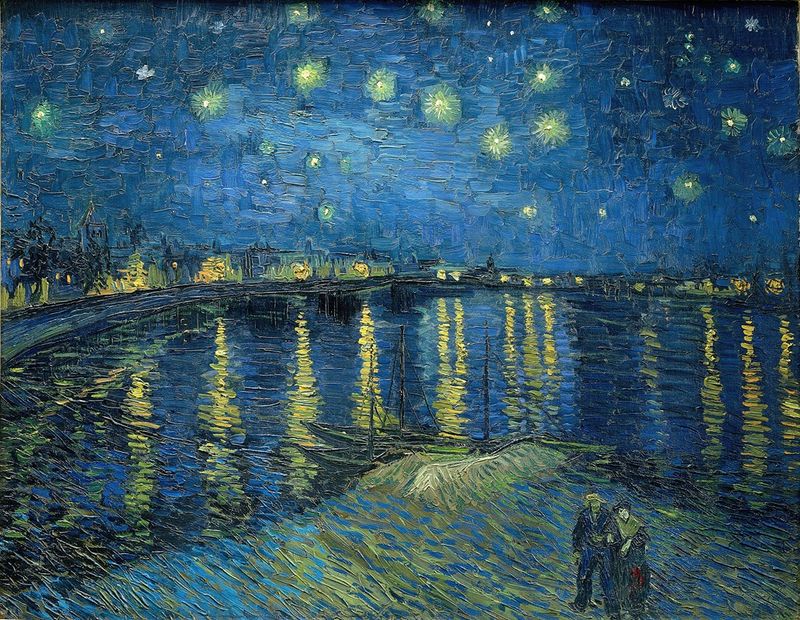
Starry Night over the Rhone
Vincent van Gogh

The yellow house
Vincent van Gogh
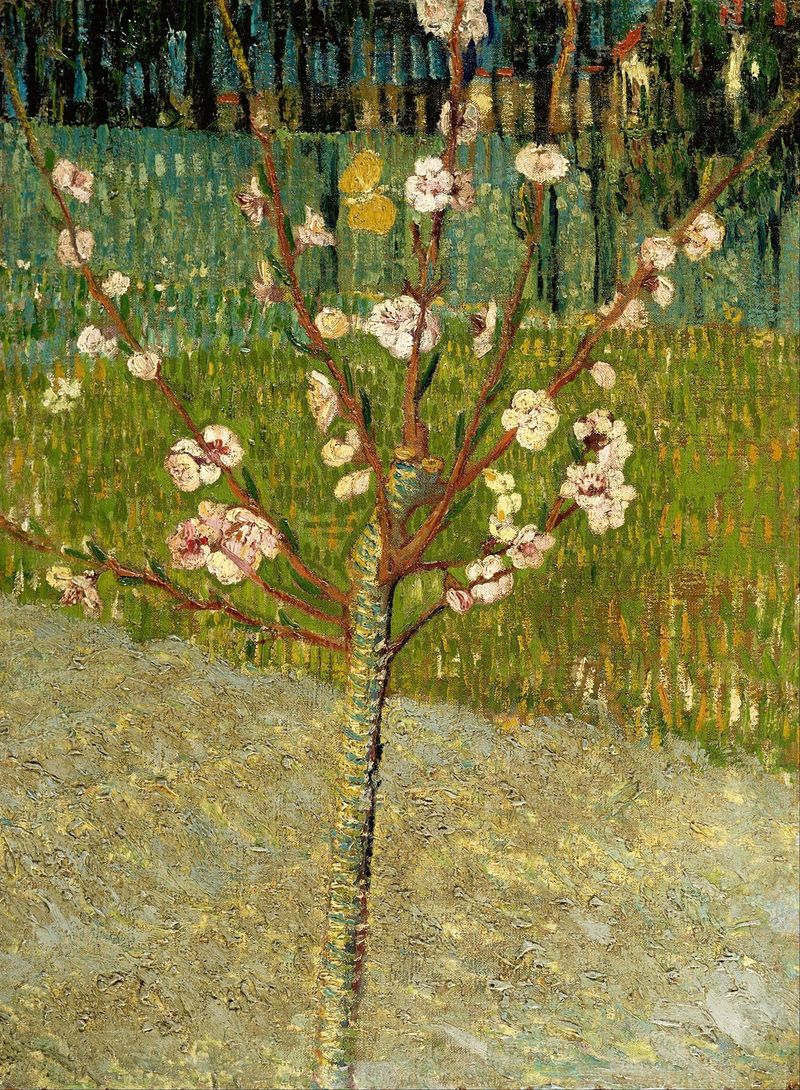
Almond tree in blossom
Vincent van Gogh

Portrait of Dr Gachet
Vincent van Gogh

The Church in Auvers-sur-Oise, View from the Chevet
Vincent van Gogh

Self-Portrait
Vincent van Gogh





