Cabin — History & Facts
Could a single brushstroke hold eternity? In the quiet solitude of a cabin, longing breathes through the wood, whispering stories of forgotten moments and unfulfilled dreams. Look closely at the textured strokes that define the rustic cabin — the weathered shingles, each line imbued with the weight of time. Notice how the warm browns and greens envelop the structure, creating a sense of home amidst the vastness of nature. The light plays softly across the canvas, casting gentle shadows that hint at the passage of day and the fleeting nature of light, urging the viewer to ponder what lies beyond those walls. The cabin stands as a silent testament to isolation and yearning, symbolizing both shelter and the emotional weight of solitude.
Observe the delicate interplay between light and dark; it captures a moment suspended in time, as if the cabin itself is holding its breath. This tension between safety and loneliness reflects a deeper narrative about the human experience—how we seek refuge while grappling with the spaces that keep us apart from the outside world. William Aiken Walker created this piece during a period marked by a burgeoning American Impressionism movement, likely in the late 19th century. Immersed in a changing landscape of art, he sought to capture the essence of rural life, emphasizing the harmony between humanity and nature.
As industrialization rose, his work became a quiet rebellion, celebrating the simplicity and beauty of a world slowly fading away.
More Artworks by William Aiken Walker
Browse all →
A South Carolina Cabin
William Aiken Walker

Louisiana Cabin Scene
William Aiken Walker
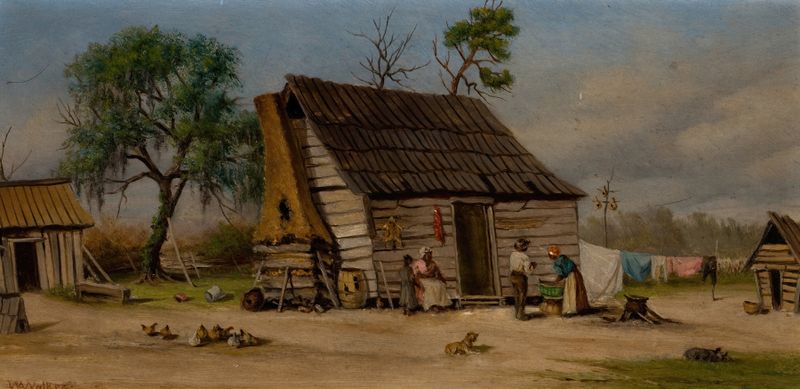
Cabin Scene
William Aiken Walker

Cabin Scene
William Aiken Walker

Cabin Scene, Wash Day
William Aiken Walker

Sharecroppers Gathering in the Yard
William Aiken Walker
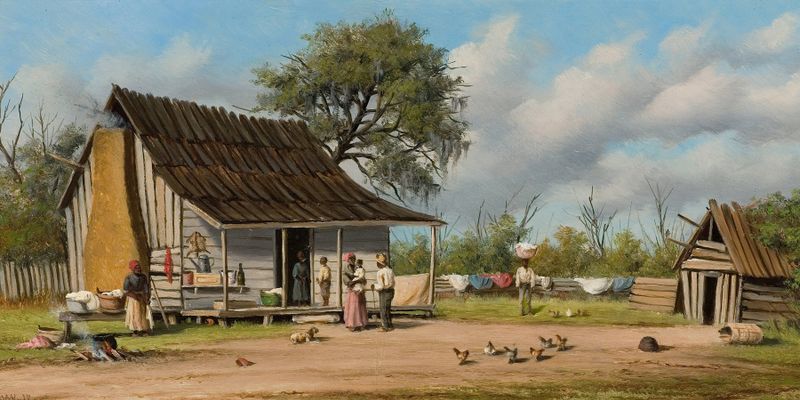
Cabin Scene
William Aiken Walker
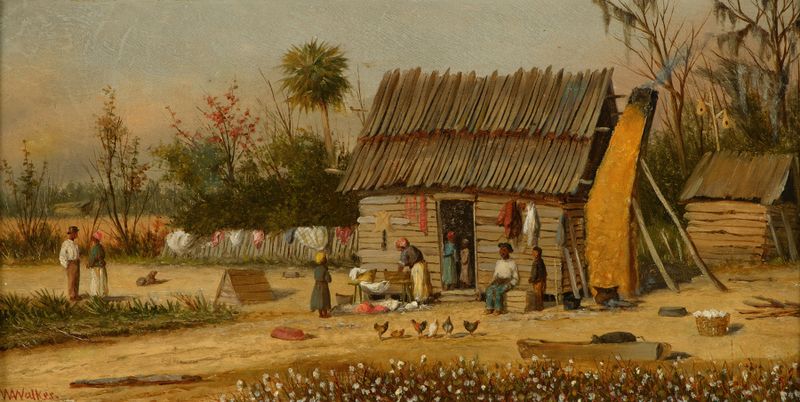
Wash Day
William Aiken Walker
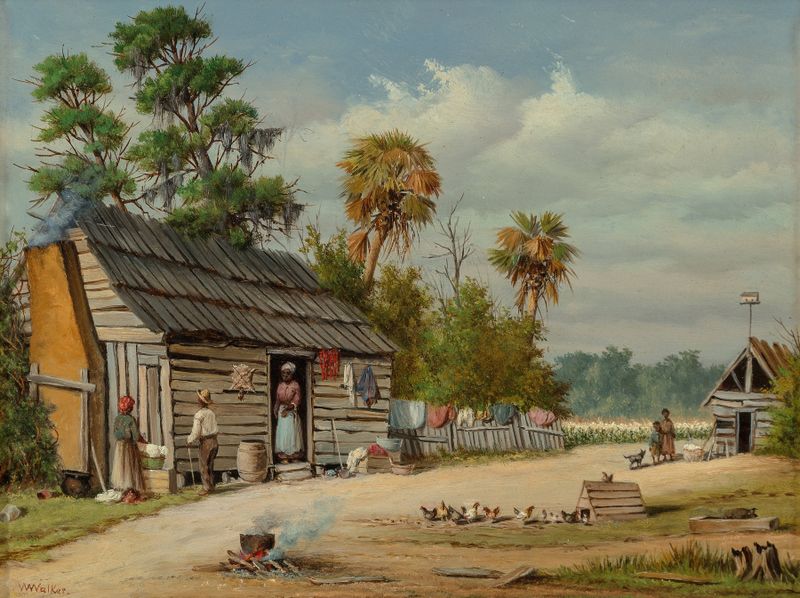
Cabin
William Aiken Walker
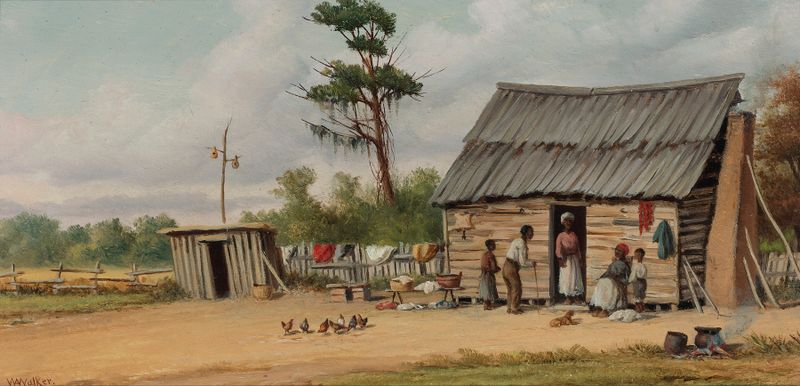
The Old Cabin
William Aiken Walker