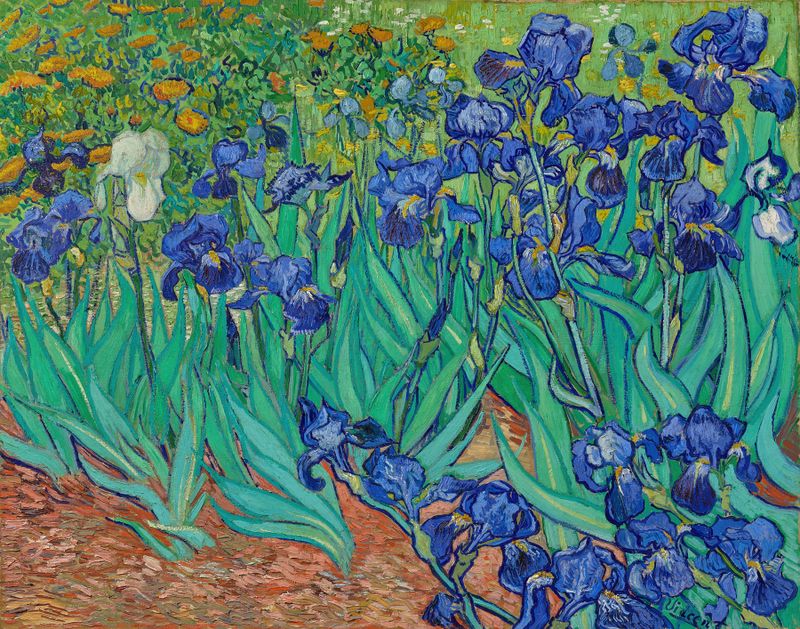
Cactus — History & Facts
Did the painter know this moment would outlive them? In Cactus, Thomas Fearnley captures not just a botanical specimen, but a profound balance between nature’s stark beauty and its unforgiving resilience. Look to the center of the canvas, where the cactus stands defiantly against an expansive backdrop. Notice how the light falls upon its textured surface, illuminating the delicate spikes that suggest both fragility and strength. The muted earth tones create a serene ambiance, drawing your gaze to the precise brushwork that details the contours of the plant, inviting contemplation.
Surrounding elements blend harmoniously yet remain secondary, highlighting the cactus' singular dominance in the composition. Delve deeper into the artwork, and you’ll discover the contrasting themes of vulnerability and endurance. The cactus, often seen as a symbol of survival, thrives in arid conditions, suggesting a quiet resilience in the face of adversity. This tension reflects broader human experiences—an innate struggle to find balance amidst life's harsh realities.
The subtle variations in color and shadow further emphasize the plant's unique form, creating an emotional dialogue about endurance and beauty. In the years between 1833 and 1835, Fearnley painted Cactus while immersing himself in the natural world, inspired by his travels across Europe. Emerging as a prominent figure in the Norwegian Romantic movement, he sought to convey the raw essence of nature through his work. This period was marked by a growing appreciation for landscapes and botanical studies, and Fearnley’s meticulous approach to detail echoes the burgeoning Romantic ideals of harmony within the natural world.
More Artworks by Thomas Fearnley
Browse all →
Norwegian Landscape, Marumfoss
Thomas Fearnley

View of the Oslofjord
Thomas Fearnley

Gudvangen
Thomas Fearnley

Stormy Landscape with a Rider
Thomas Fearnley
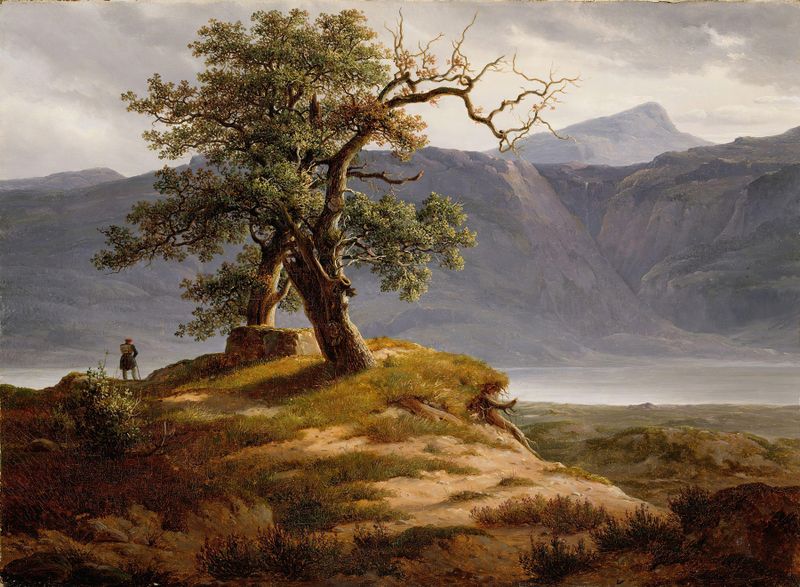
Landscape with a Wanderer
Thomas Fearnley
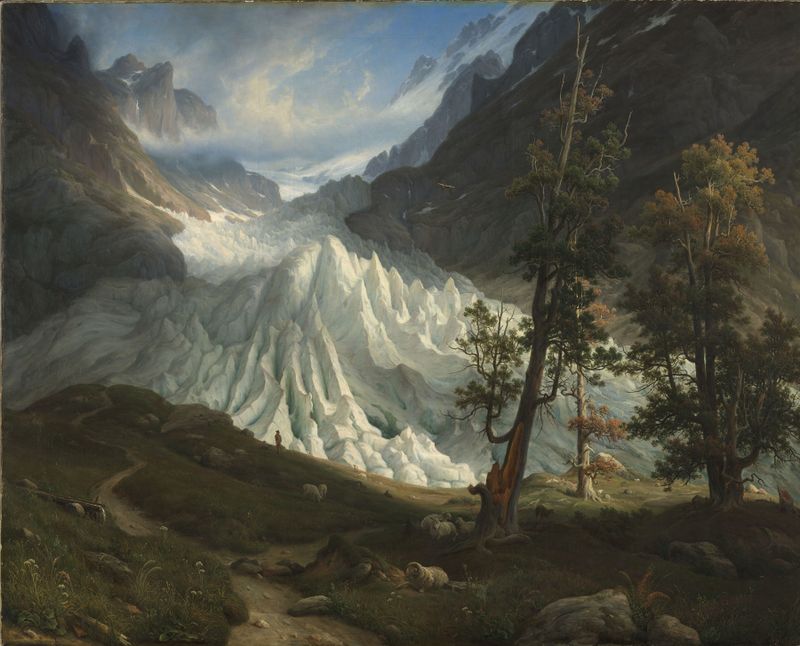
The Grindelwaldgletscher
Thomas Fearnley

Clouds over the Fjord
Thomas Fearnley
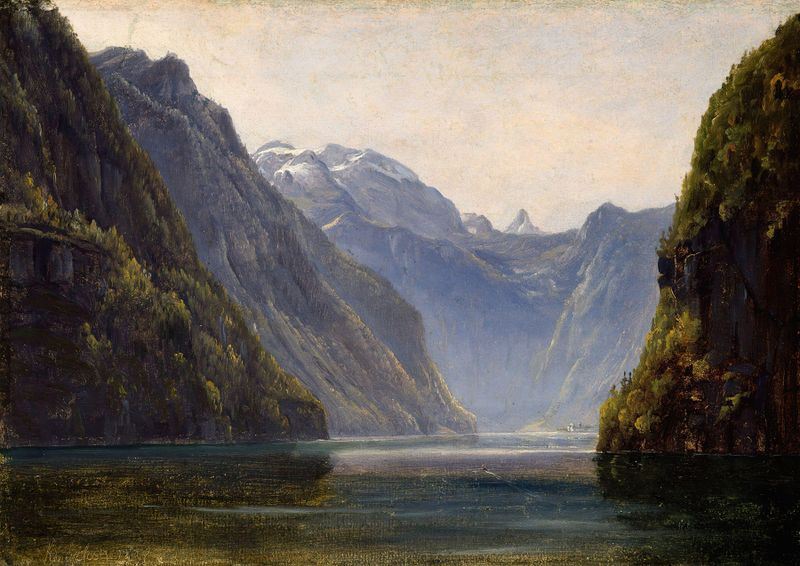
From Königssee
Thomas Fearnley

The Bridge of Hauge outside Arendal
Thomas Fearnley

King Vilhelm II’s ceremonial Processsion in Amsterdam in 1840
Thomas Fearnley