
Caenlochan — History & Facts
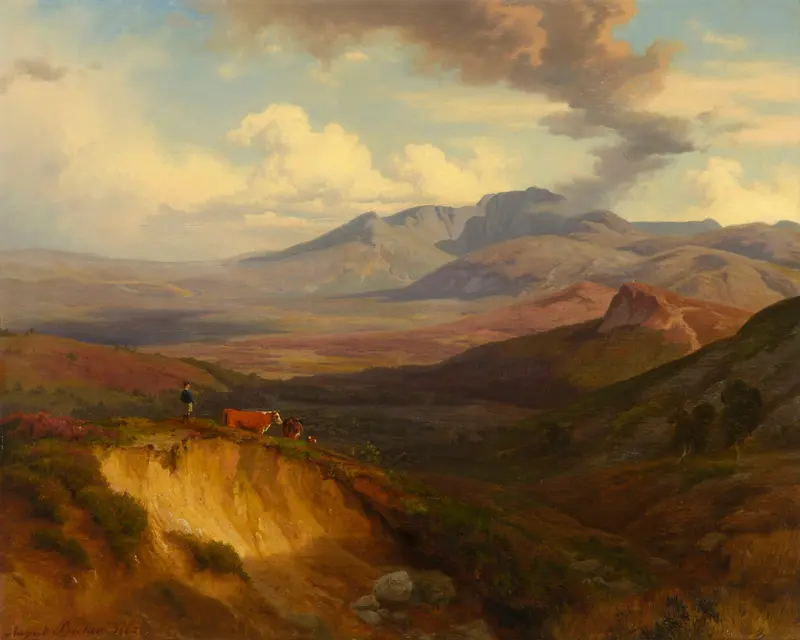
What first draws the eye in Caenlochan is the sheer sweep of space—an unbroken vista that seems to stretch forever, pulling the viewer into the heart of the Scottish Highlands. The painter, August Becker, leads us along a winding river that threads through the valley, its silver ribbon catching the last of the daylight. The foreground is dark, almost secretive, but the light quickly gathers strength as it spills over the distant slopes, turning ochre and gold.
The horizon dissolves into a haze of blue and rose, suggesting both the chill of high air and the warmth of a sun that lingers just out of sight. Every contour is shaped by shadow and sun, inviting the viewer to imagine the silence and scale of the place. Painted in 1865, this work belongs to a moment when landscape painting was both a celebration of nature’s grandeur and a quiet act of observation. In the mid-nineteenth century, artists like Becker traveled far from the cities to capture wild places that were just beginning to be romanticized by a wider public.
Such paintings often found their way into royal and aristocratic collections, serving as both souvenirs and statements of taste. The Royal Collection’s acquisition of this piece places it within a tradition of collecting that valued both the technical skill of the artist and the distant lands depicted. History has kept few traces of Becker’s journey to Caenlochan, but the painting itself remains an invitation to step into that immense, golden silence.
More Artworks by August Becker

Hirsche und alte Eiche nahe der Wallwitzburg bei Dessau
August Becker
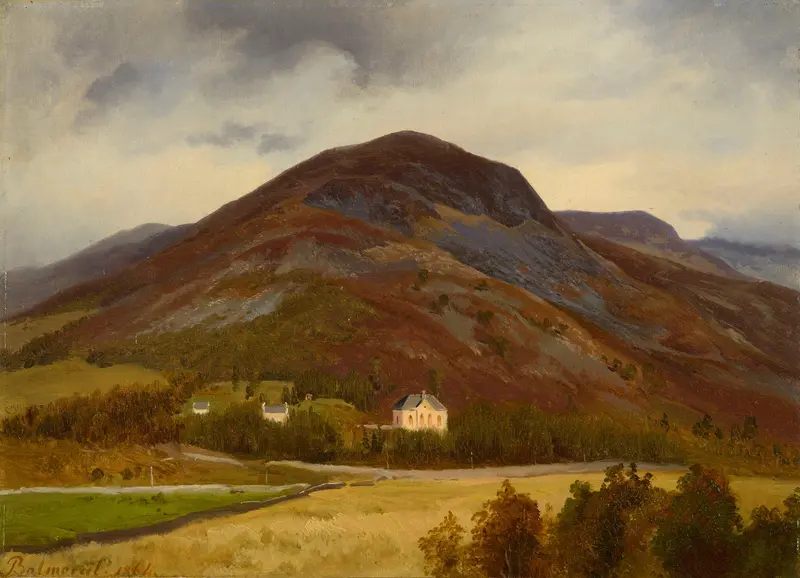
A View of the Church at Crathie
August Becker
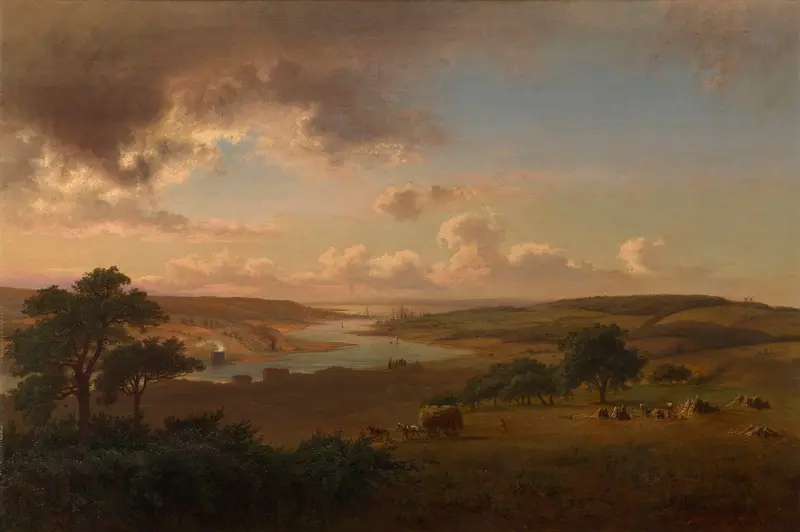
A View of Cowes
August Becker
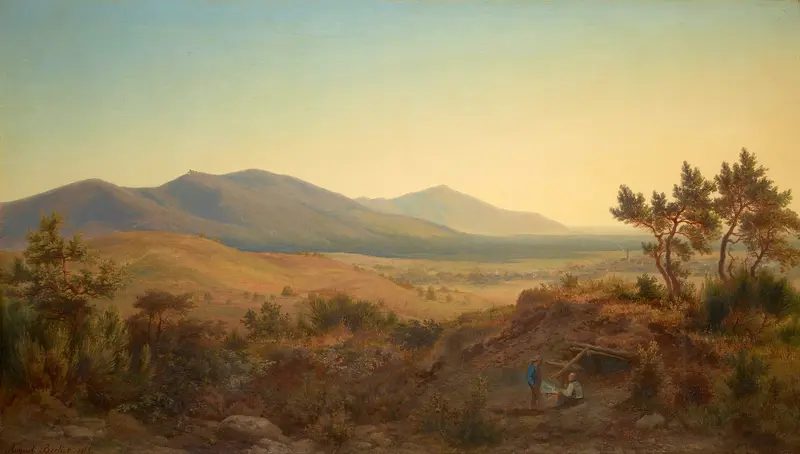
A View of Melibokus and The Bergstrasse
August Becker
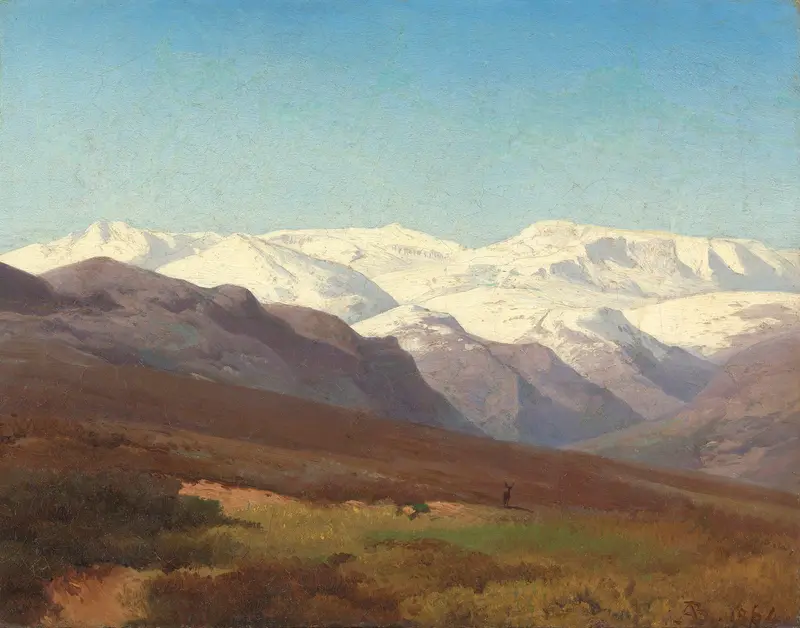
Glen Gelder
August Becker
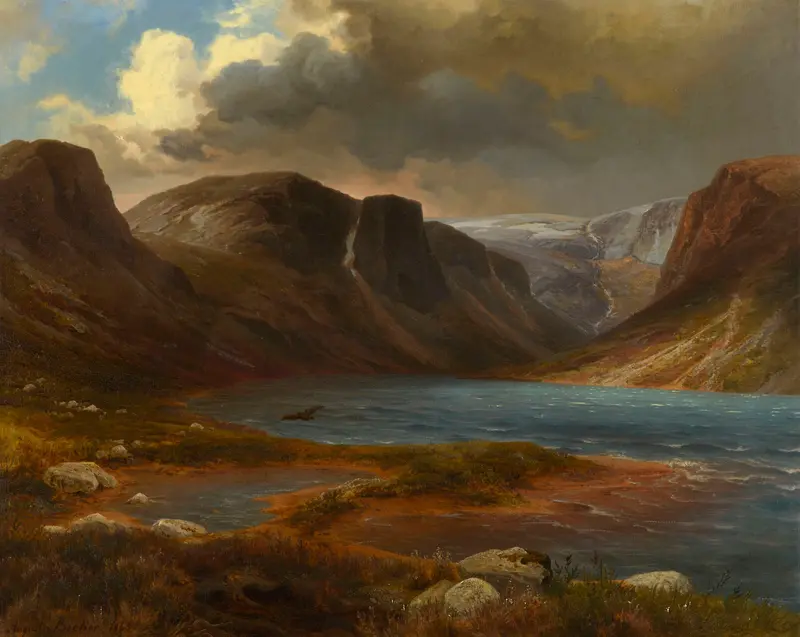
Loch Avon
August Becker
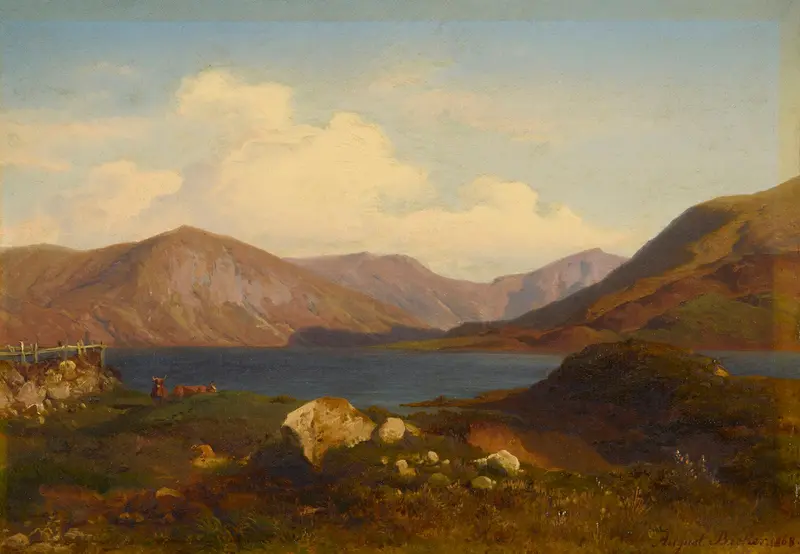
Loch Callater
August Becker
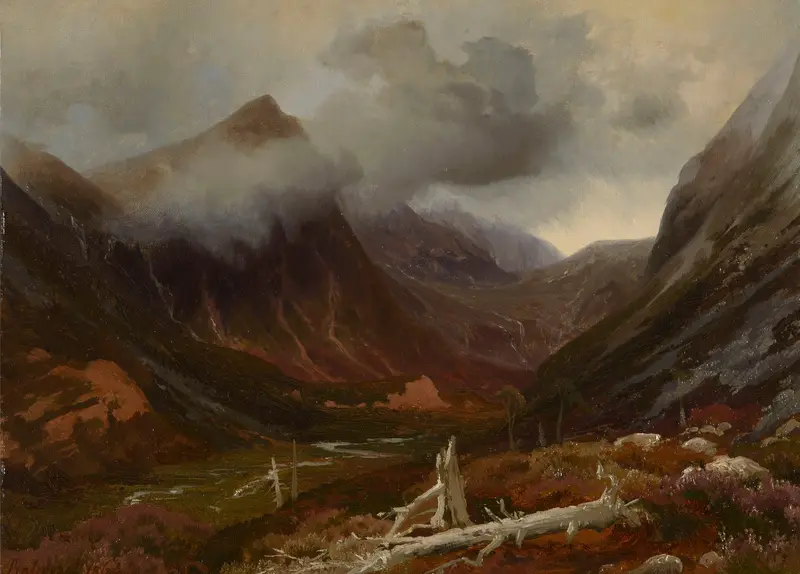
A View in Glen Derry (?)
August Becker
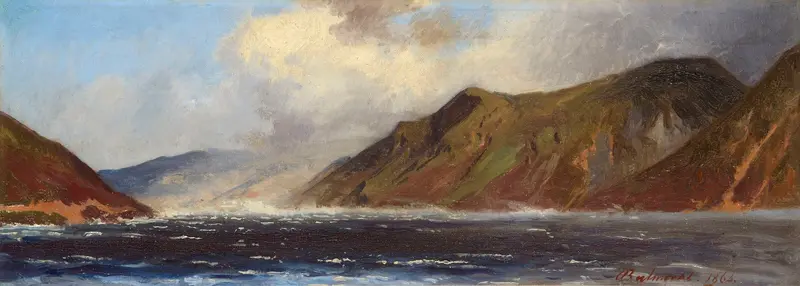
A Storm on Loch Muick
August Becker
Glen Gelder and Lochnagar
August Becker
More Landscape Art

The Starry Night
Vincent van Gogh

View of Delft
Johannes Vermeer

Water Lilies
Claude Monet

The Grand Canal, Venice, looking north-west from the Ca' Corner to the Ca' Contarini degli Scrigni, with the campanile of Santa Maria della Carità
Canaletto

Windsor Castle
Canaletto

The Grand Canal looking North-East from the Palazzo Dolfin-Manin to the Rialto Bridge
Canaletto