
Cagnes — History & Facts
Where does light end, and longing begin? In the ethereal landscapes of the late 1920s, one can almost feel the pulse of nostalgia enveloping the viewer like a warm embrace. Look to the horizon, where soft brushstrokes of azure and golden hues meld seamlessly. The sky cradles the sun as it descends, casting gentle reflections on tranquil waters that ripple with a hint of breeze. The sprawling, undulating hills of Cagnes rise in the background, their earthy tones grounding the painting while a delicate play of light dances across the canvas, inviting the eye to wander. Yet beneath the surface lies an emotional undercurrent.
The juxtaposition of the vibrant colors against the tranquil landscape creates a tension between serenity and the inevitable passage of time. The luminous glow of the sun hints at fleeting moments, while the darker shadows suggest a depth of yearning, an unfulfilled desire for a connection to the past or perhaps to a lost paradise. Each detail, from the meandering paths to the distant rooftops, beckons a personal journey of reminiscence. In 1929, Armand Apol painted Cagnes during a period marked by social upheaval and a longing for peace amidst uncertainty.
Living in France, he found inspiration in the scenic beauty of the French countryside, which contrasted sharply with the tumultuous atmosphere of the time. This work reflects not only his personal exploration of light and form but also a collective desire for tranquility and beauty in an increasingly chaotic world.
More Artworks by Armand Apol
Browse all →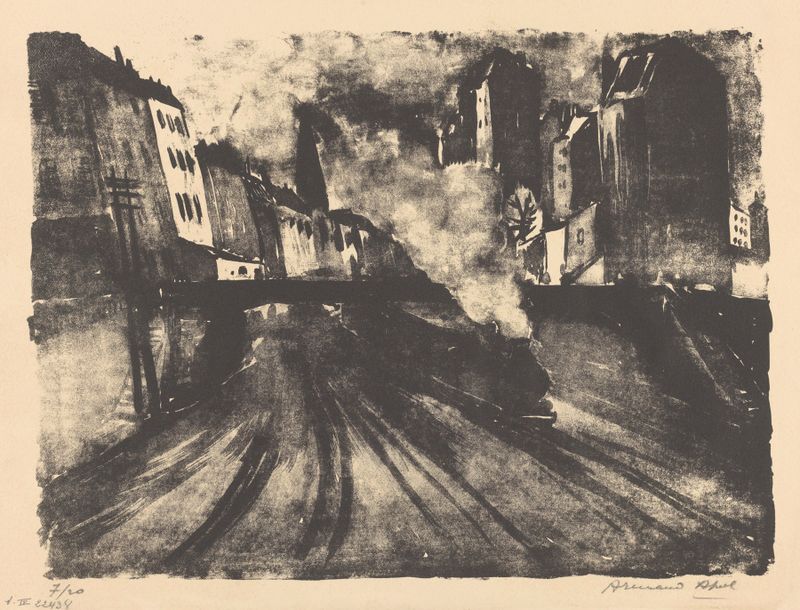
Chemin de fer de ceinture à Paris
Armand Apol
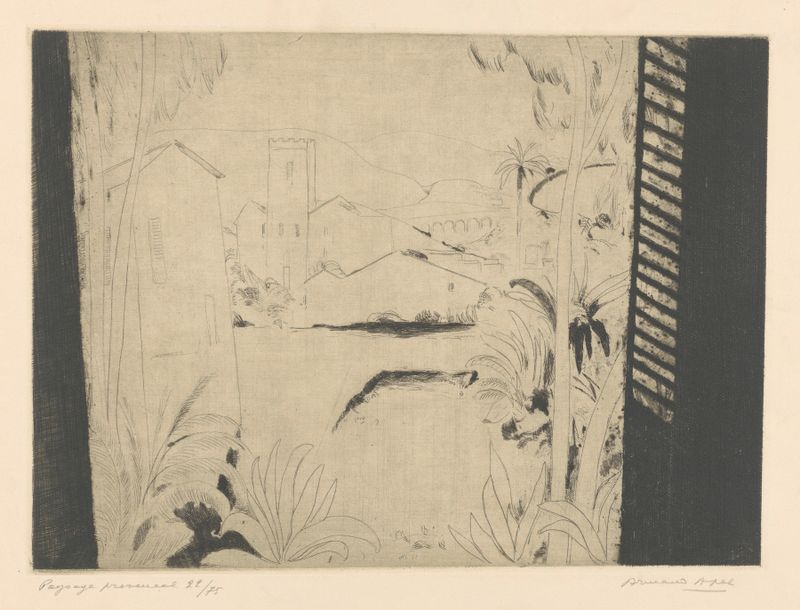
Paysage provençal
Armand Apol
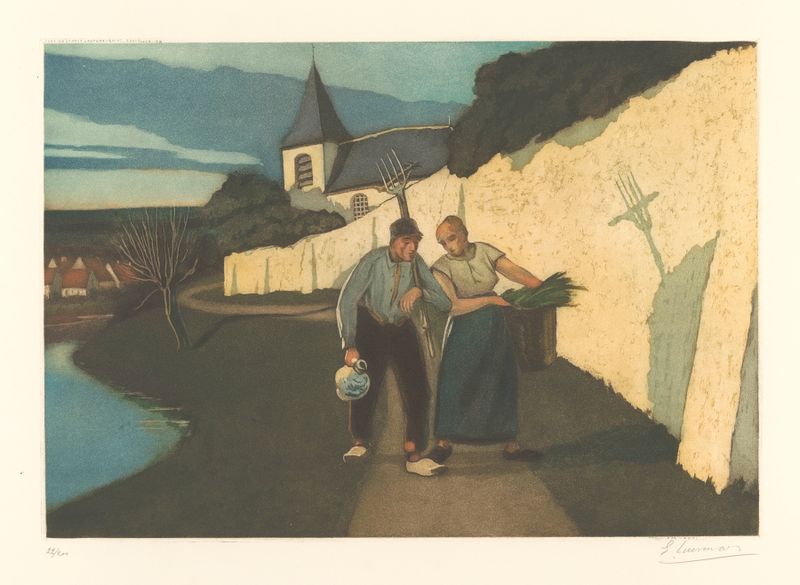
Retour des champs
Armand Apol
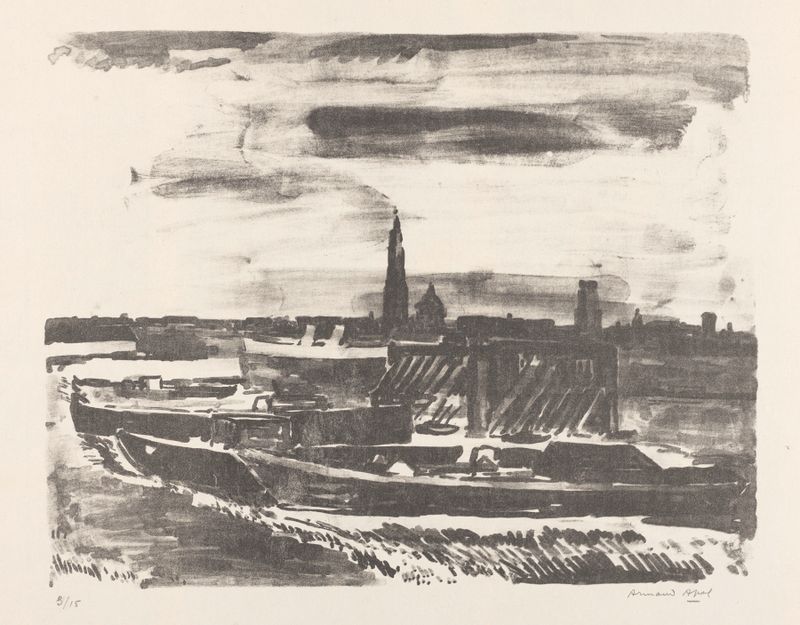
Bateaux à quai à Anvers
Armand Apol
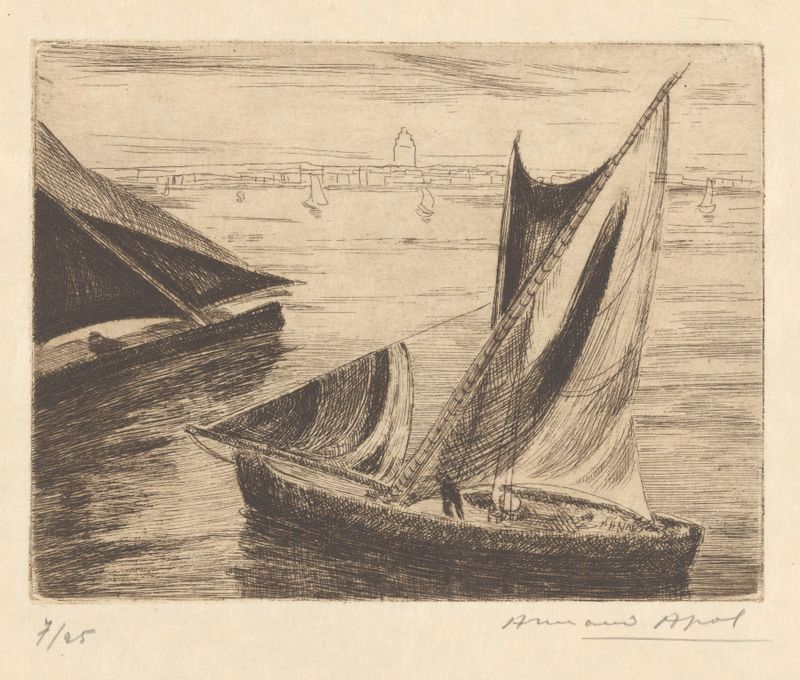
Marseille. Tartanes
Armand Apol
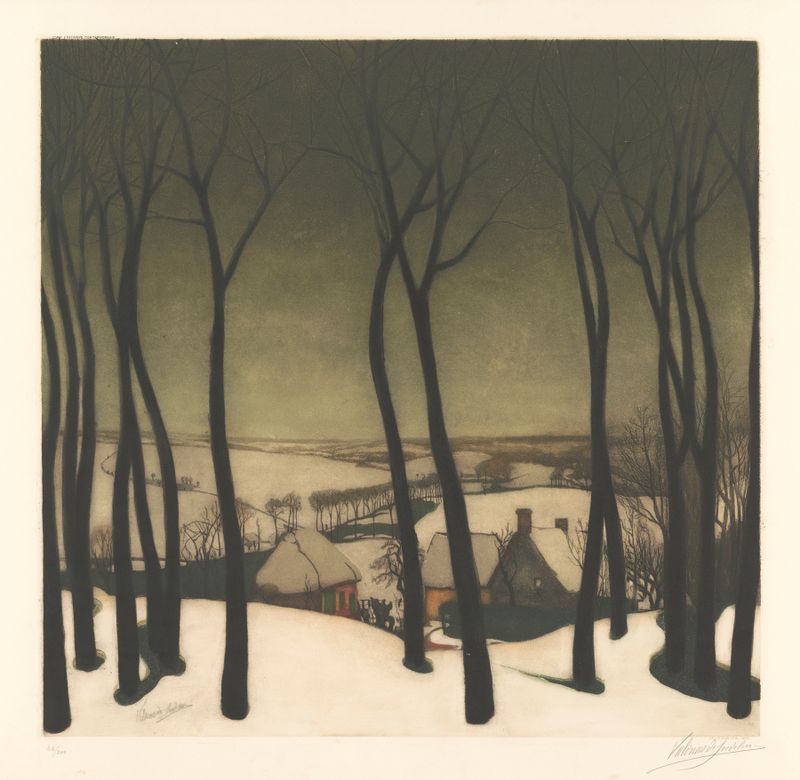
Paysage
Armand Apol
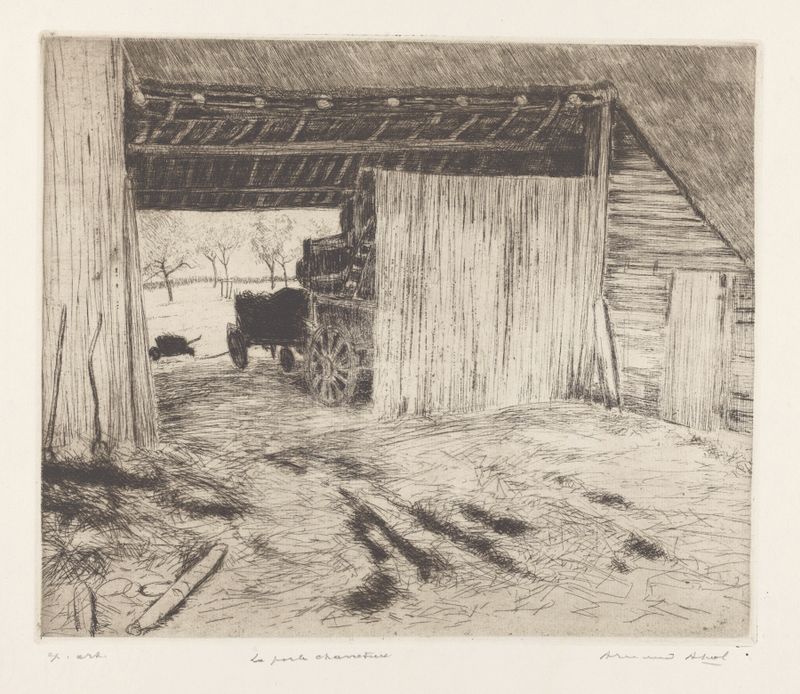
La porte charretière
Armand Apol
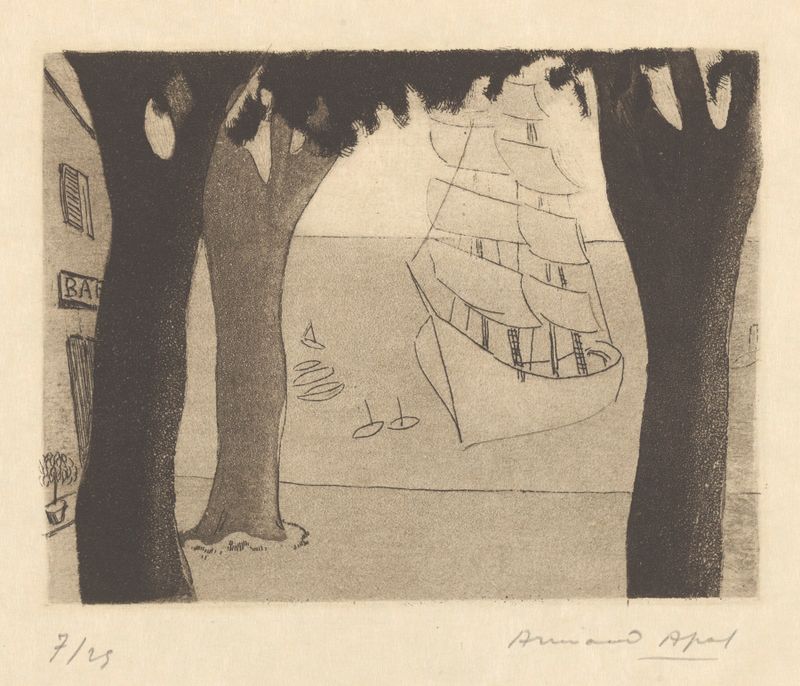
Cassis. Vue sur le port
Armand Apol
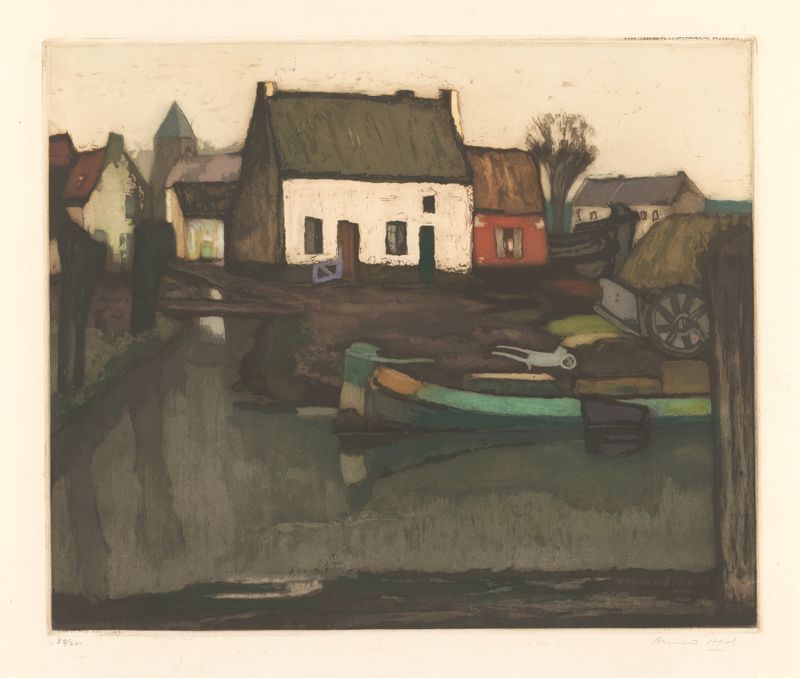
Bord du canal
Armand Apol
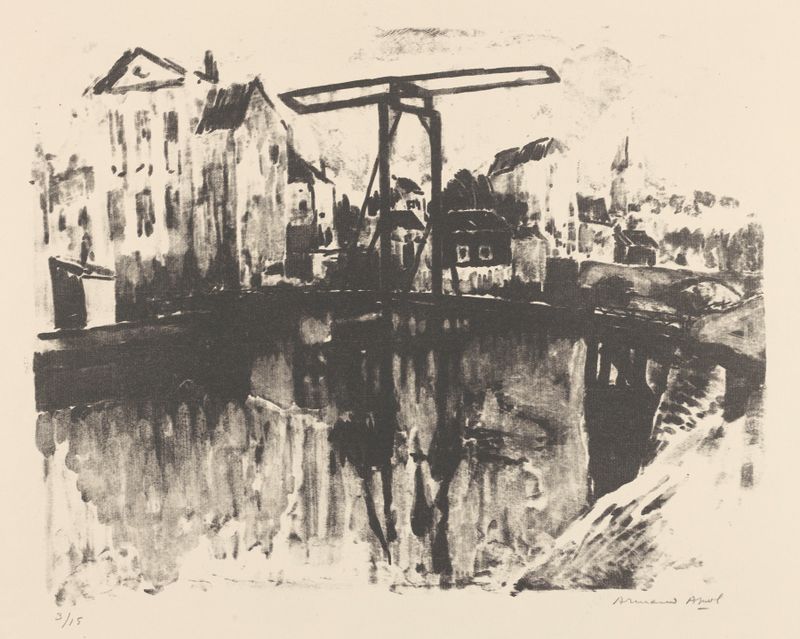
Pont basculant dans une ville
Armand Apol





