
Calanques de Marseille — History & Facts
What first seizes the eye in Calanques de Marseille is the restless energy where sea and stone collide. The painter draws you straight to the froth of surf battering the ochre cliffs, the water’s turquoise clarity giving way to indigo depths. The sharp geometry of the rocks stands in contrast to the fluid brushwork of the waves, while tiny sailboats in the distance offer a fleeting human presence—fragile, almost lost, against the vastness.
The sky, streaked with soft clouds, holds the horizon low and wide, letting the Mediterranean’s expanse dominate the scene. Every element seems chosen to heighten the sensation of movement and space, urging the viewer to follow the line of cliffs out toward the islands beyond. Works like this, painted by Adolphe Appian, belong to a tradition of 19th-century landscape painting that found new poetry in the rugged coasts of southern France. The calanques near Marseille were celebrated for their wild beauty, attracting artists who sought to capture the changing moods of sea and sky.
Such paintings were often collected by urban patrons longing for a glimpse of untamed nature, a counterpoint to the ordered city. This particular work, held in the collection of Robert Valette, is a reminder of how even lesser-known artists and paintings can hold the power to transport us—if only we let our gaze linger on the meeting of water, rock, and wind.
More Artworks by Adolphe Appian
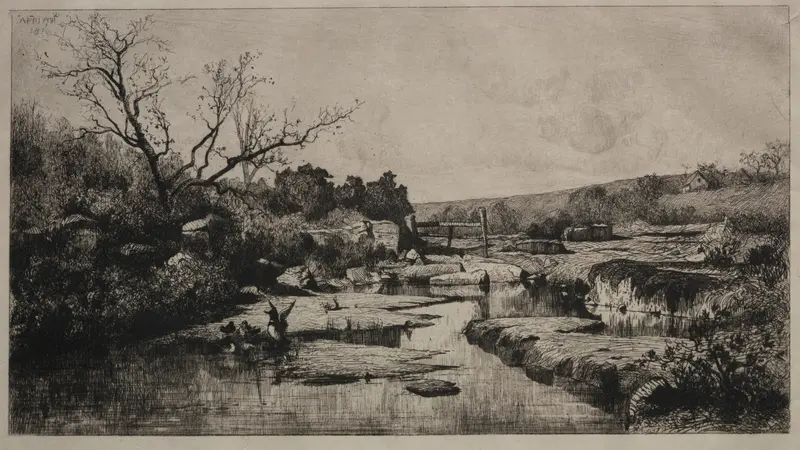
Source of the Albarine
Adolphe Appian
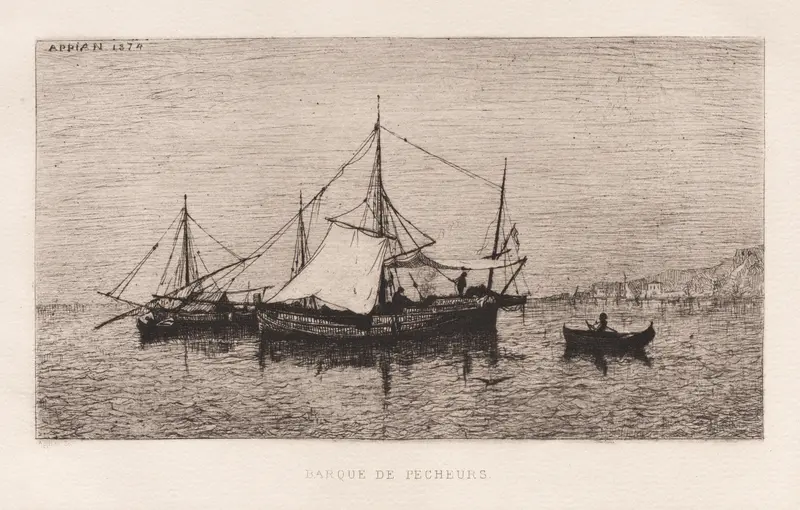
Barque de Pecheurs
Adolphe Appian
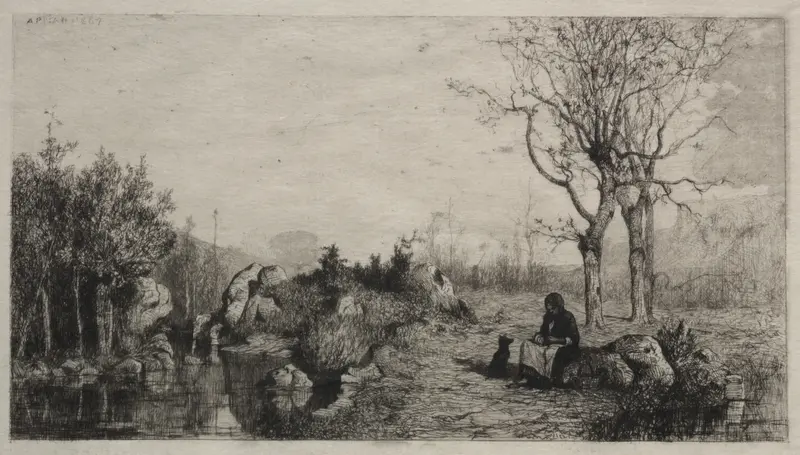
Shore of a Stream at Rossillon
Adolphe Appian
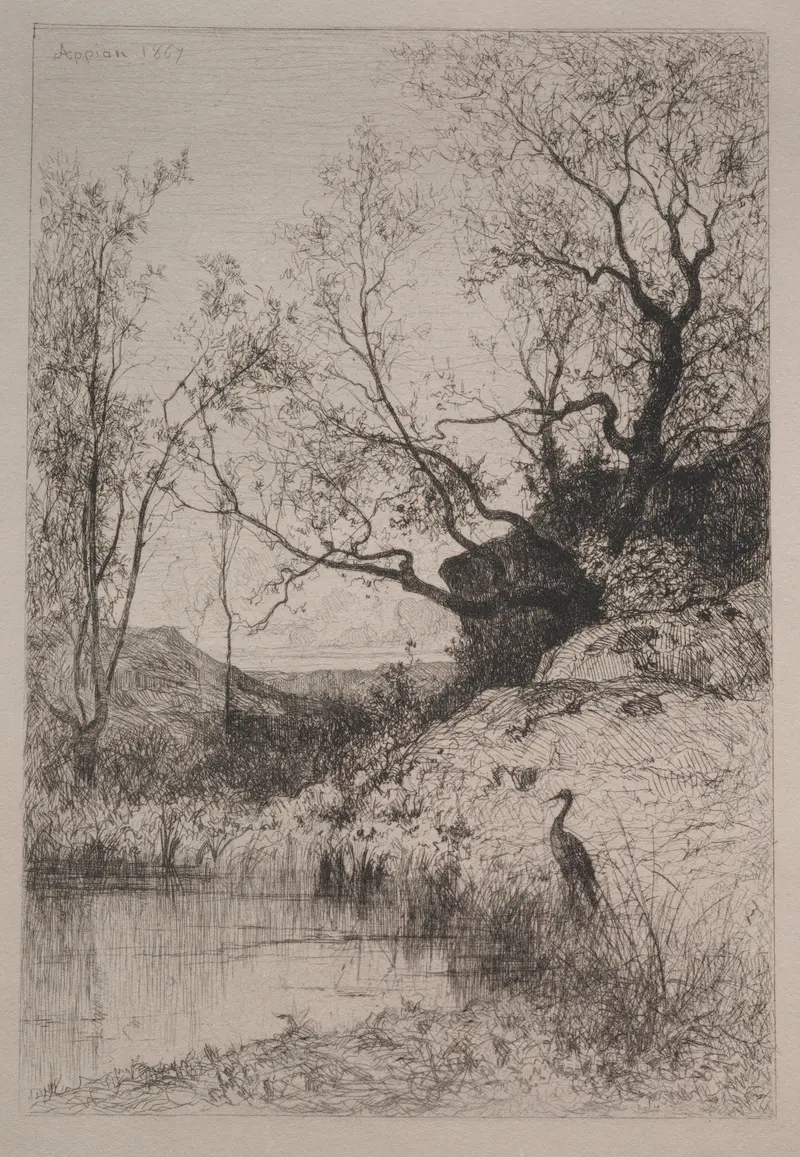
A Pond
Adolphe Appian
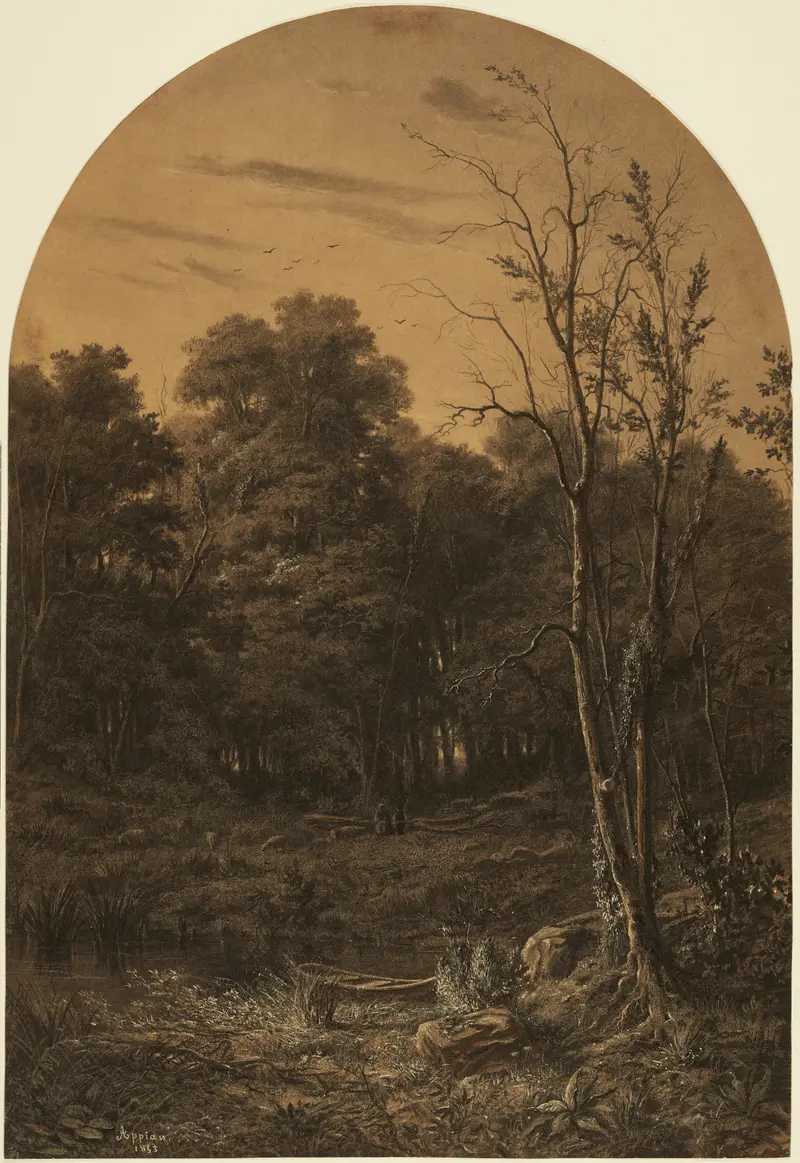
Forest Landscape near a Pond
Adolphe Appian
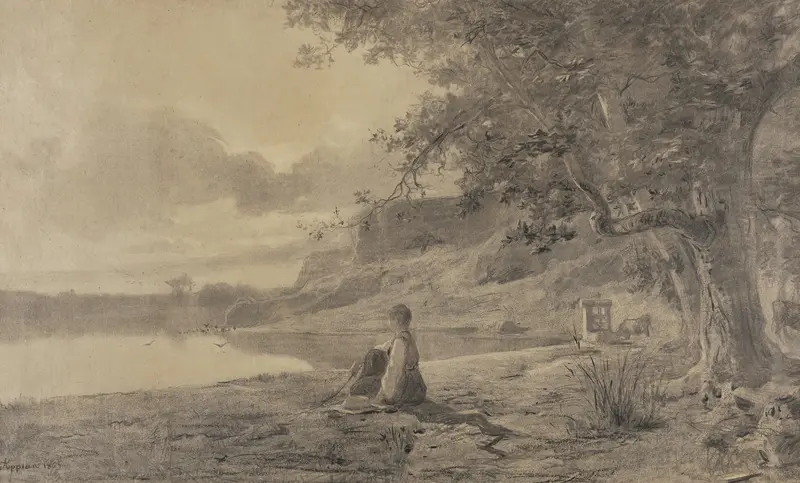
Woman Seated at the Edge of a Pond
Adolphe Appian
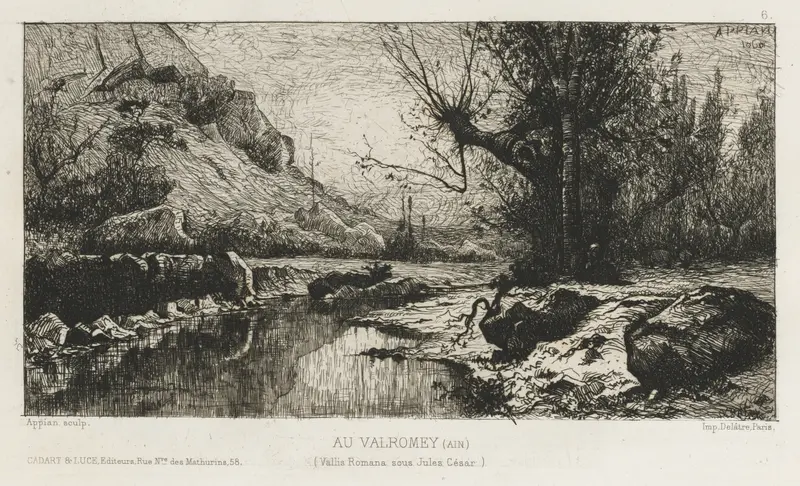
At Valromay (Ain)
Adolphe Appian
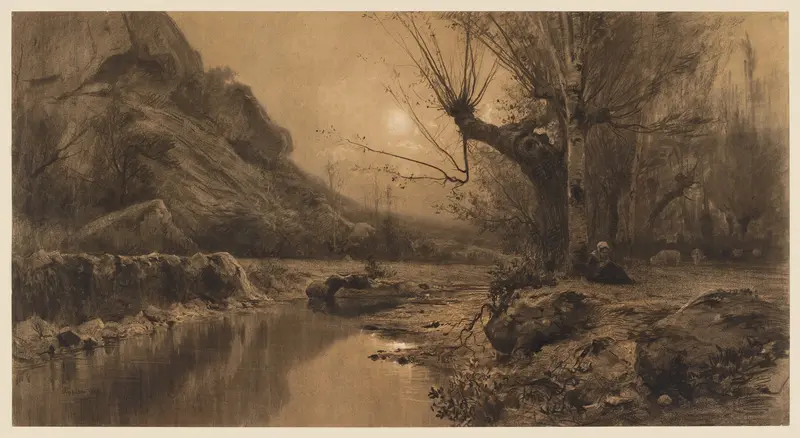
In the Valromey Valley, near the Rhône River
Adolphe Appian
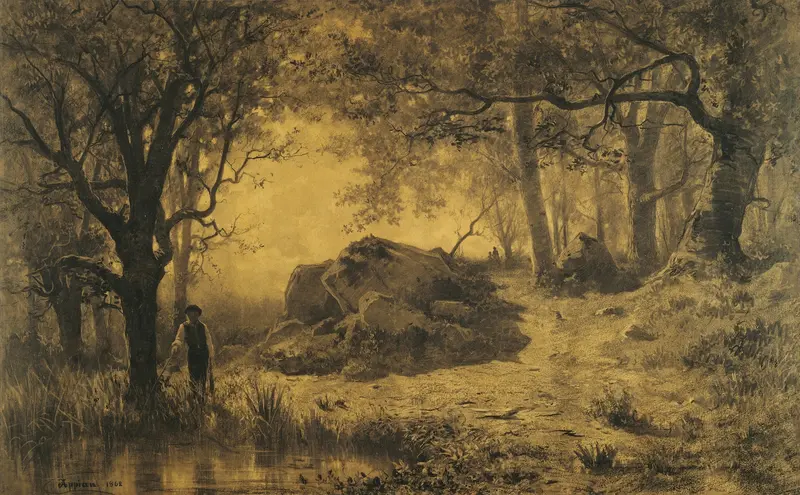
Pond at the Edge of the Wood
Adolphe Appian
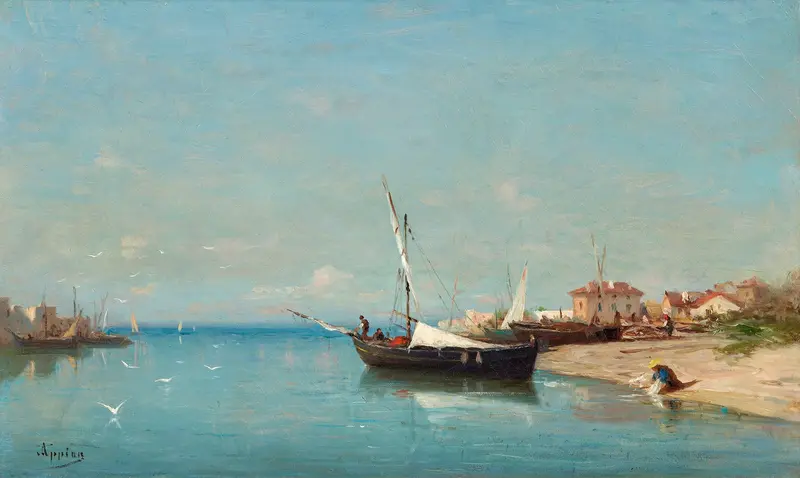
Bord de mer
Adolphe Appian





