
Calvary and the Family of Gillis de Smidt en Maria de Deckere — History & Facts
What first draws the eye in Calvary and the Family of Gillis de Smidt en Maria de Deckere is its ambitious, almost theatrical composition: a grand triptych, but with the central panels devoted not to saints or martyrs, but to the living patrons themselves, hands clasped in prayer, surrounded by their children. The artist, Adriaen Thomasz. Key, arranges the family in two distinct groups—men and boys on one side, women and girls on the other—each gathered around open books and a table draped with a heraldic cloth.
The setting is stately, the costumes rich in detail, and the faces rendered with a quiet individuality, as if each sitter is caught in a moment of private devotion within the public act of commemoration. On either side, the world of the sacred breaks in: the flanking panels transport us to the biblical table of the Last Supper, where apostles lean forward, hands gesturing in animated debate or silent wonder, their bodies twisting with the tension of the moment. The light falls unevenly, highlighting the expressive faces and muscular arms, while a sleeping dog and a basket of bread anchor the scene in the everyday. The palette is earthy, the brushwork deliberate, and the contrast between the spiritual drama and the sober piety of the central group is striking.
The artist draws the viewer into a conversation between past and present, sacred narrative and personal legacy. Painted in or after 1575, this work belongs to the Royal Museum of Fine Arts Antwerp, a city that in the late sixteenth century was a crucible of religious and social change. Portraits like this, blending donor family with sacred history, were often commissioned by prosperous burghers eager to secure both spiritual favor and social memory. The blending of devotional imagery with family portraiture reflects the values of the age, when faith and lineage were intertwined, and the church was both a house of worship and a stage for civic identity.
Little is recorded about the specific journey of this painting, but its presence in Antwerp today invites us to imagine the ambitions and anxieties of a world on the threshold of modernity—inviting us, too, to look again at the faces that once looked out in hope and prayer.
More Artworks by Adriaen Thomasz. Key
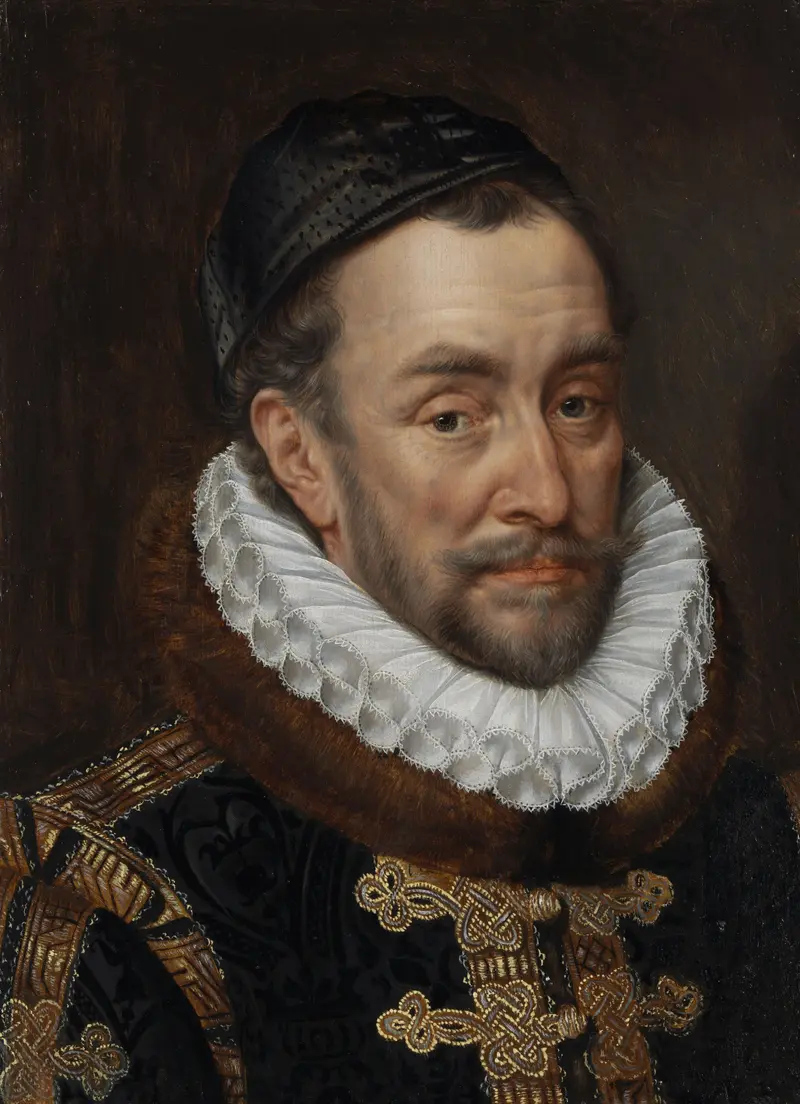
Portrait of William I, Prince of Orange
Adriaen Thomasz. Key
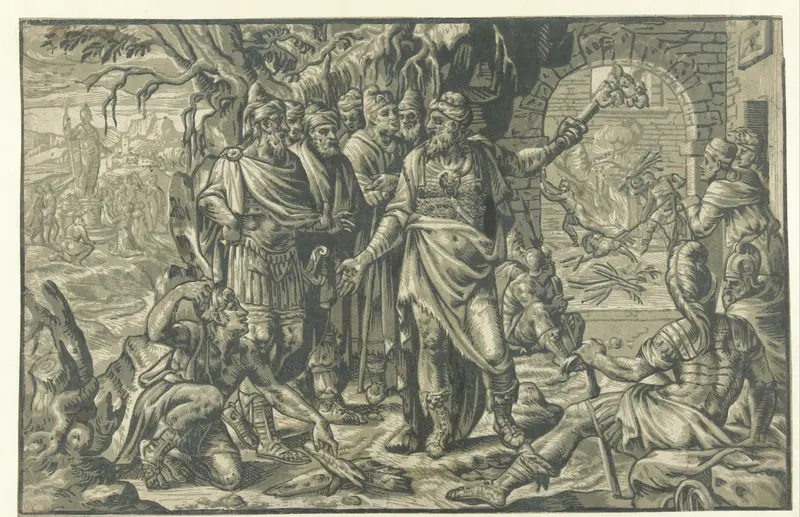
Nebukadnezar werpt de drie jongelingen in de vurige oven
Adriaen Thomasz. Key
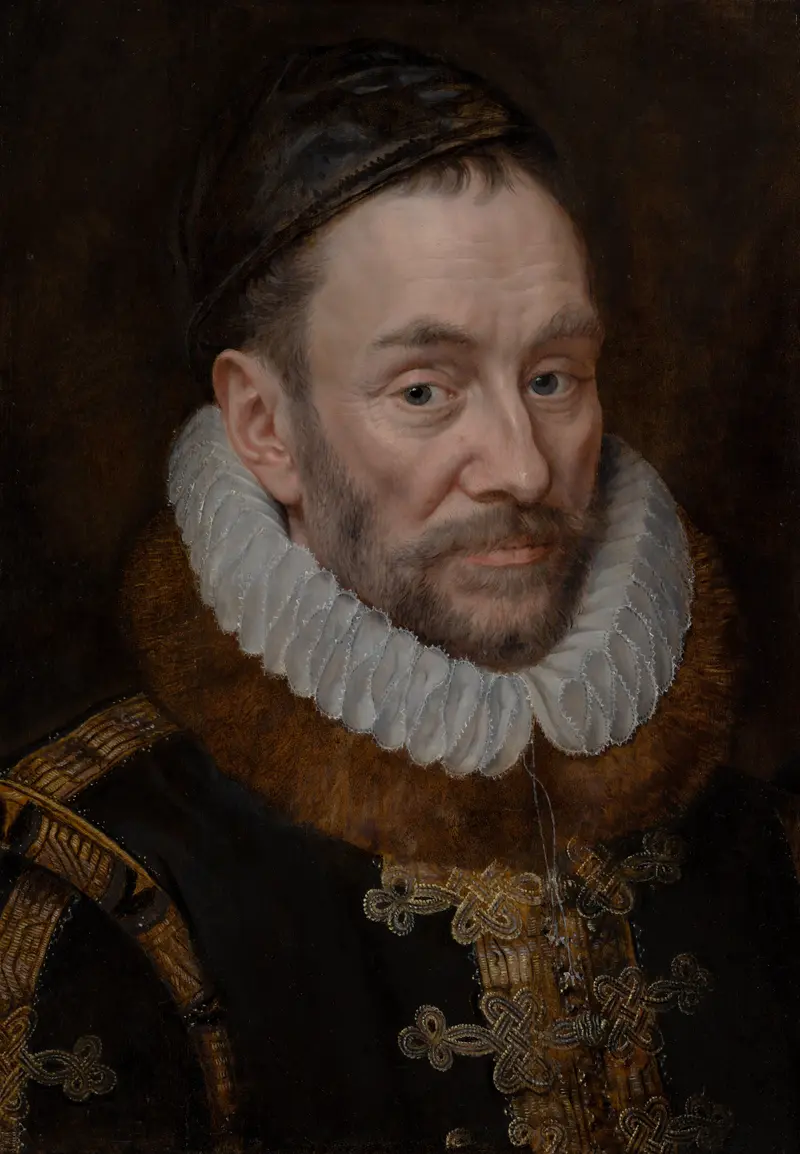
Portrait of William I (1533-1584), Prince of Orange
Adriaen Thomasz. Key
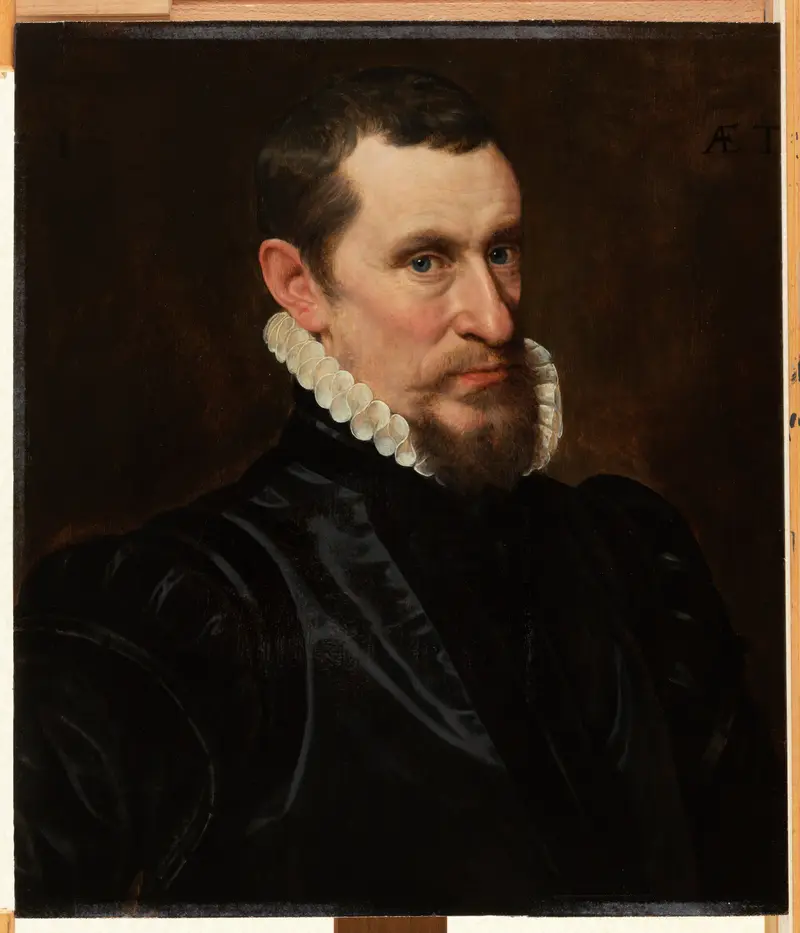
Portrait of Gillis Beys
Adriaen Thomasz. Key
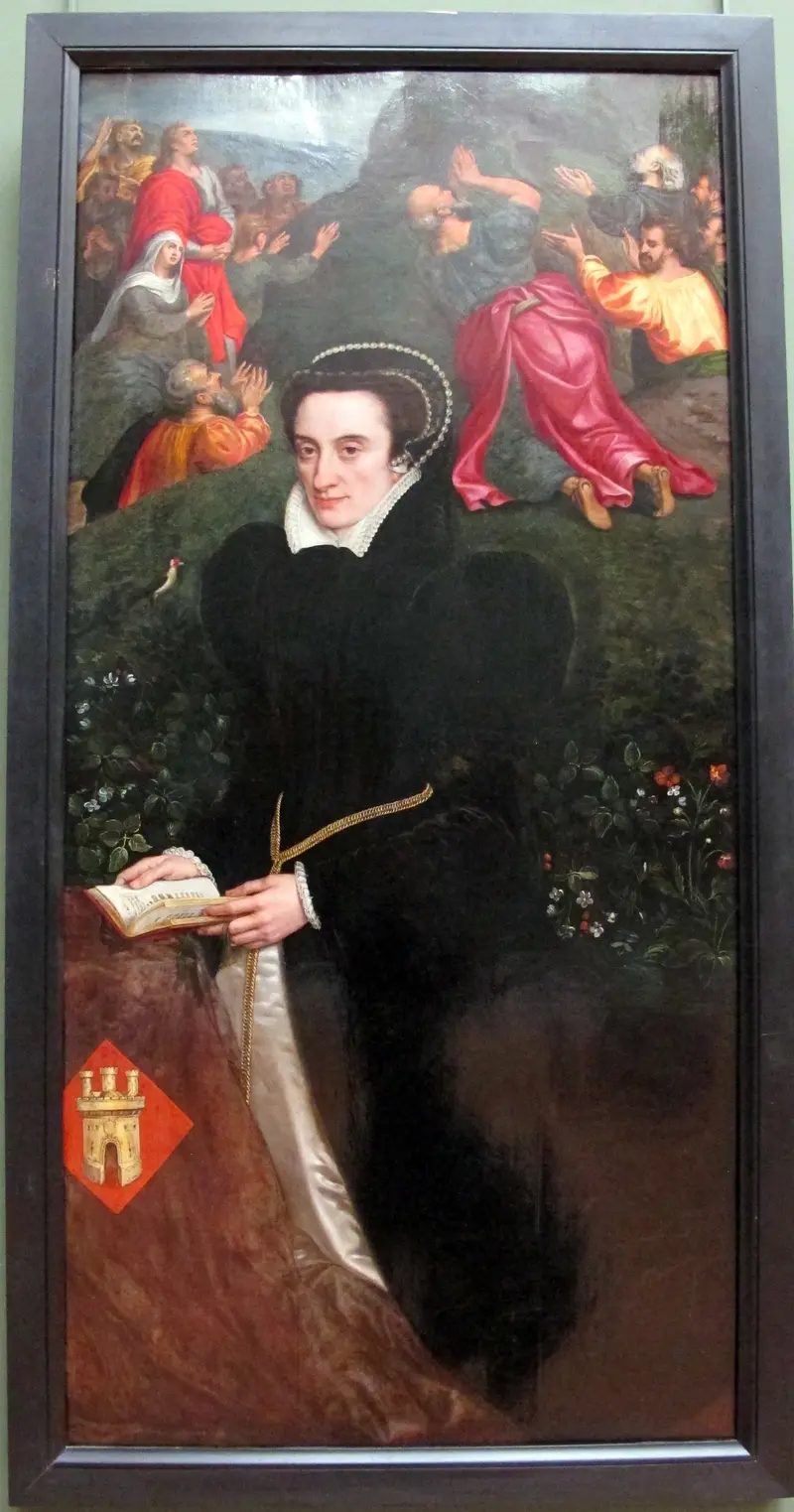
Leonor Lopez de Villanueva, Wife of Antonio del Rio
Adriaen Thomasz. Key
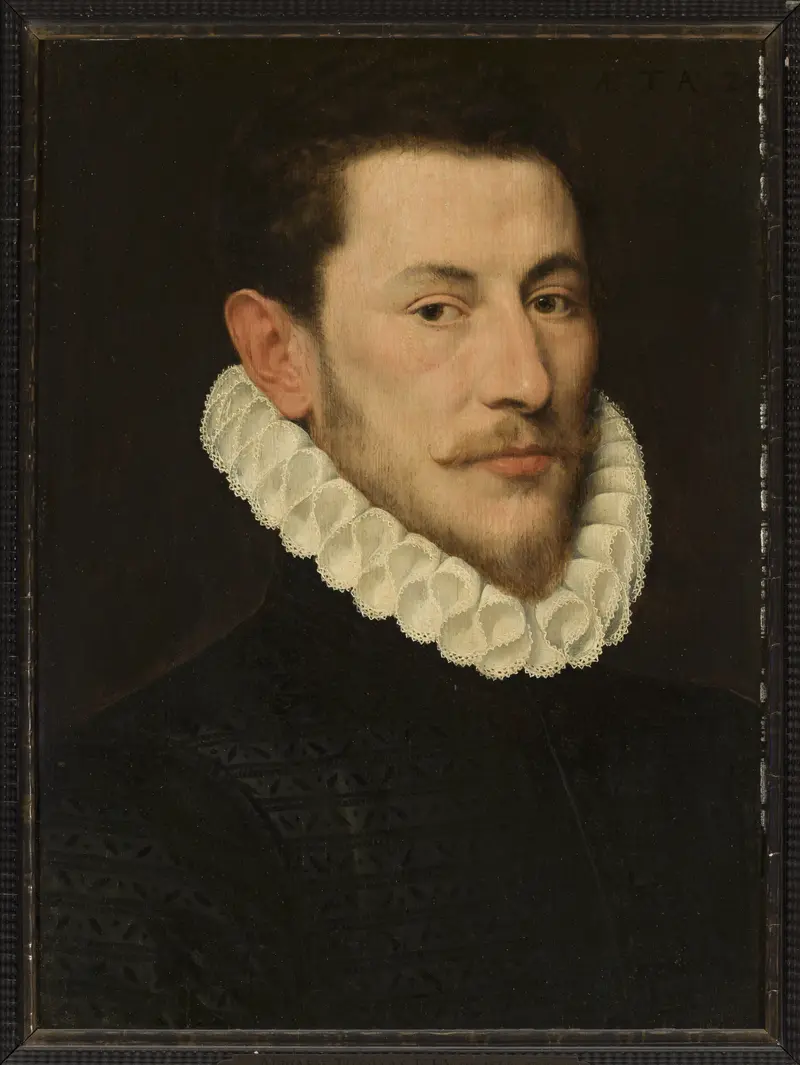
Portrait of a young man
Adriaen Thomasz. Key
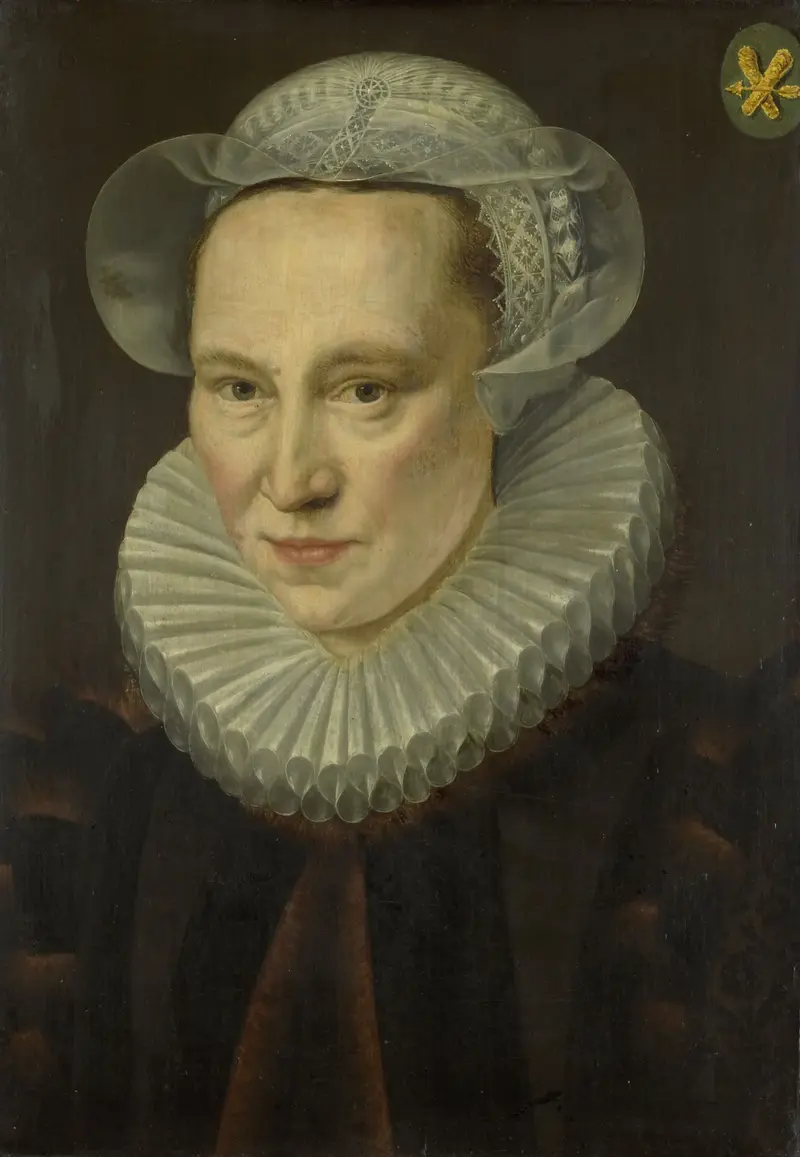
Portrait of Grietje Pietersdr Codde (d. 1607), wife of Jacob Bas
Adriaen Thomasz. Key
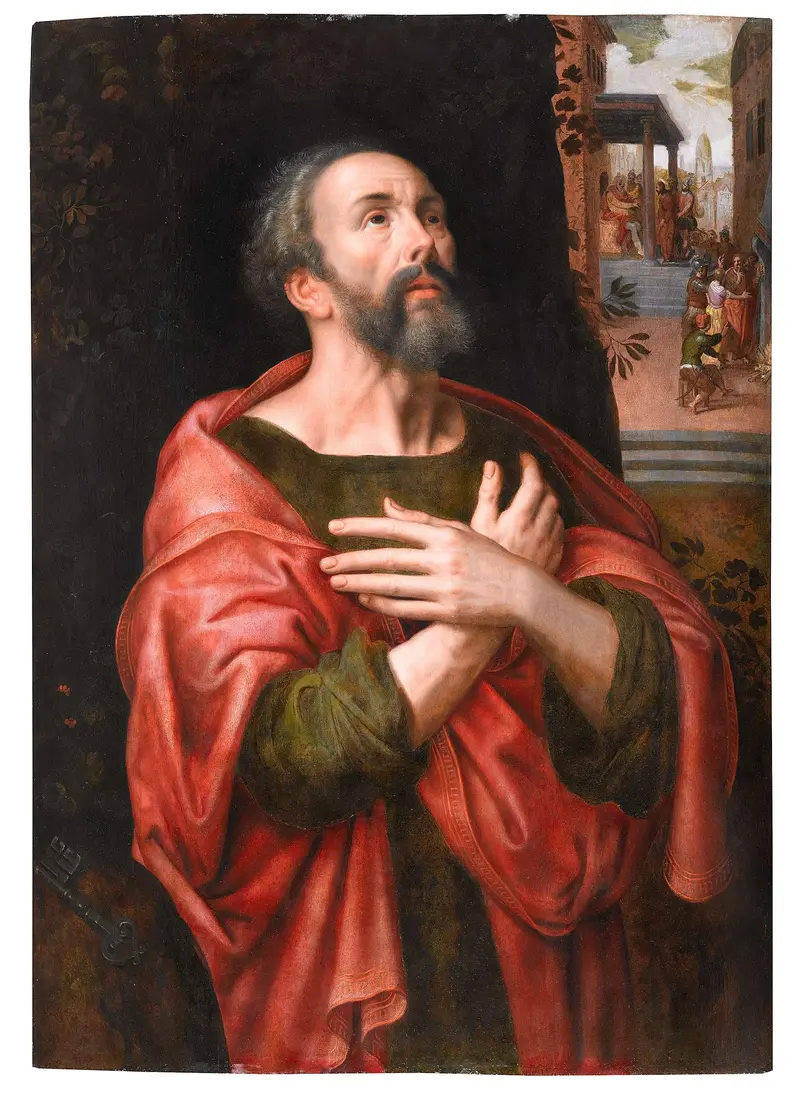
St. Peter Penitent
Adriaen Thomasz. Key
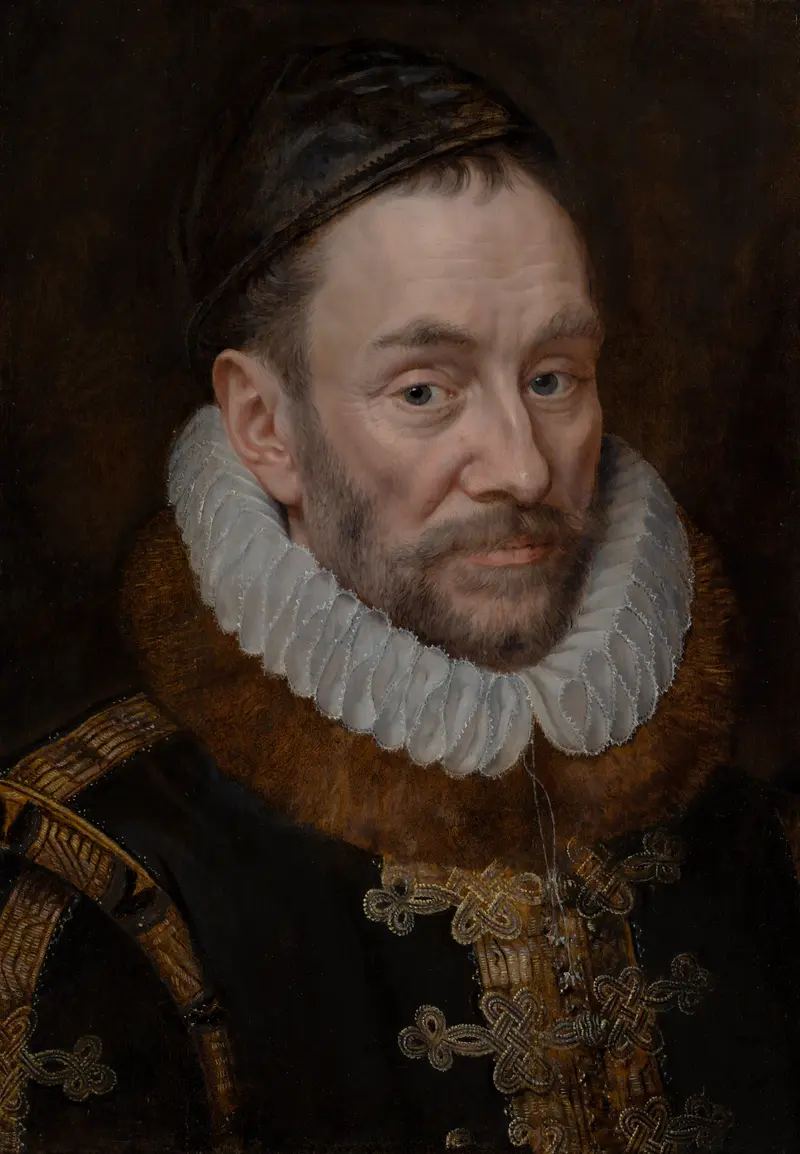
William I, Prince of Orange, known as William the Silent
Adriaen Thomasz. Key
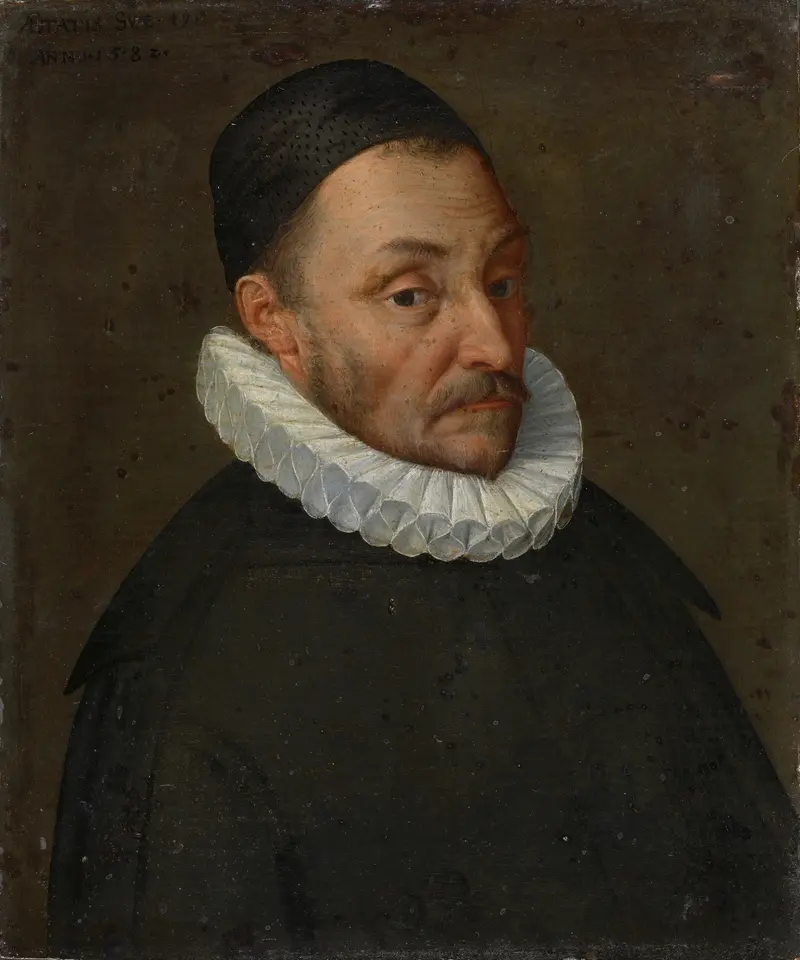
Willem of Orange (1533-1584), leader of the Dutch revolt against Spain
Adriaen Thomasz. Key





