
Calvary — History & Facts
When Giovanni Bellini painted Calvary in 1467, he was at the heart of a Venetian transformation, fusing the solemn traditions of Byzantine iconography with the new, human-centered vision of the Italian Renaissance. This particular work is one of several early explorations by Bellini of the Passion theme, and its date places it just before his breakthrough into the luminous, color-rich style that would define his later career. Unlike many of his contemporaries, Bellini chose not to crowd the scene with onlookers or angels, instead focusing on the stark confrontation between Christ and his executioners.
The painting’s precise origins remain uncertain, and its medium is still debated by scholars, adding an air of mystery to its already intense subject. At the center of Calvary, Christ is shown at the moment of his crucifixion, his gaze lifted heavenward even as the nails are driven into his hands. The figures are arranged in a frieze-like band across the foreground: the two thieves hang beside him, while Roman soldiers and mourners cluster at the base of the crosses. The landscape behind is rendered with a cool clarity, its rocky outcrops and distant city walls echoing the emotional barrenness of the scene.
The palette is restrained, with Christ’s pale body standing out starkly against the darker tones—an effect that draws the eye inexorably to his suffering. Compared to Mantegna’s more crowded and theatrical Calvary scenes, Bellini’s version is quieter, more meditative, inviting the viewer into a private moment of grief and endurance. The early history of Calvary is obscure, as is often the case with Bellini’s smaller devotional works, which were likely intended for private chapels or lay confraternities in Venice. Over the centuries, the painting has passed through various hands, its attribution at times questioned due to the lack of signature and the transitional style.
Today, art historians agree on its place within Bellini’s early period, noting its blend of Gothic linearity and emerging Renaissance naturalism. The painting is now housed in a public collection, where it offers a rare glimpse into the formative years of an artist who would become one of Venice’s greatest painters. Its survival and continued study reflect both the enduring power of its subject and the fascination with Bellini’s evolving vision.
More Artworks by Giovanni Bellini
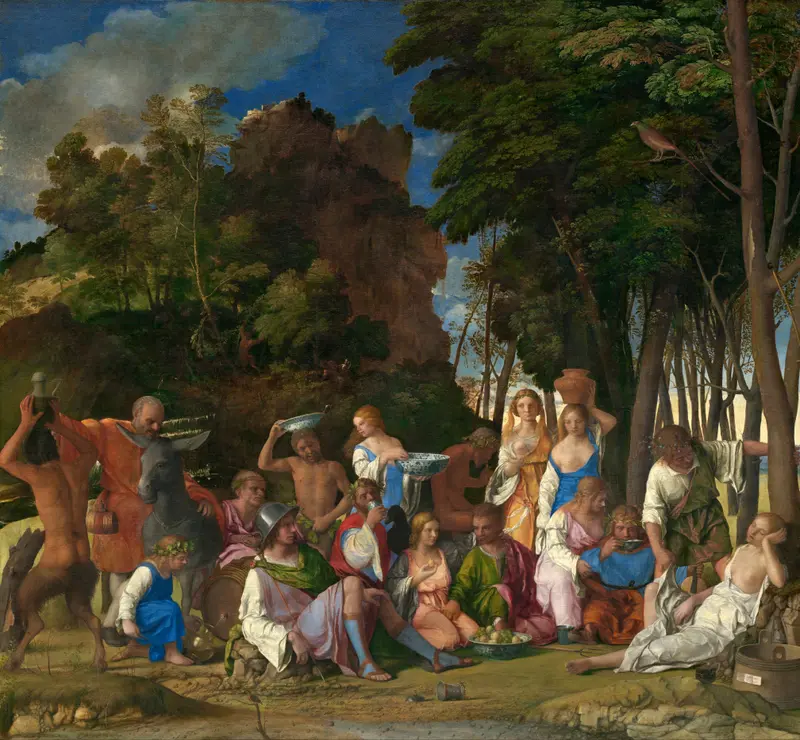
The Feast of the Gods
Giovanni Bellini

Madonna and Child enthroned with Saints and Angels
Giovanni Bellini
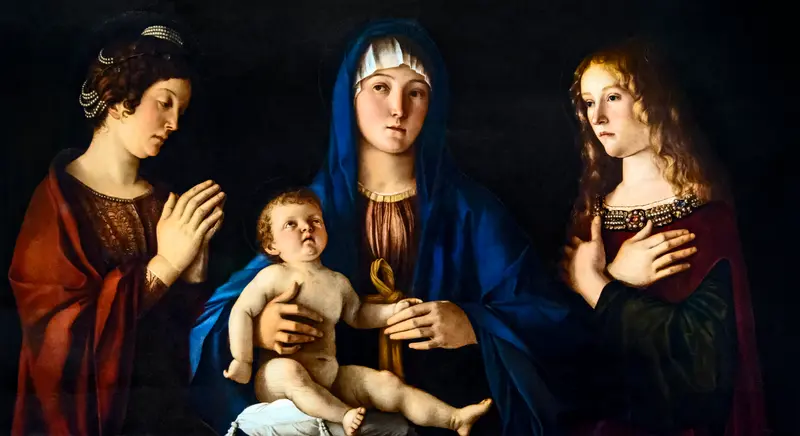
Madonna and Child between Saints Catherine and Mary Magdalene
Giovanni Bellini
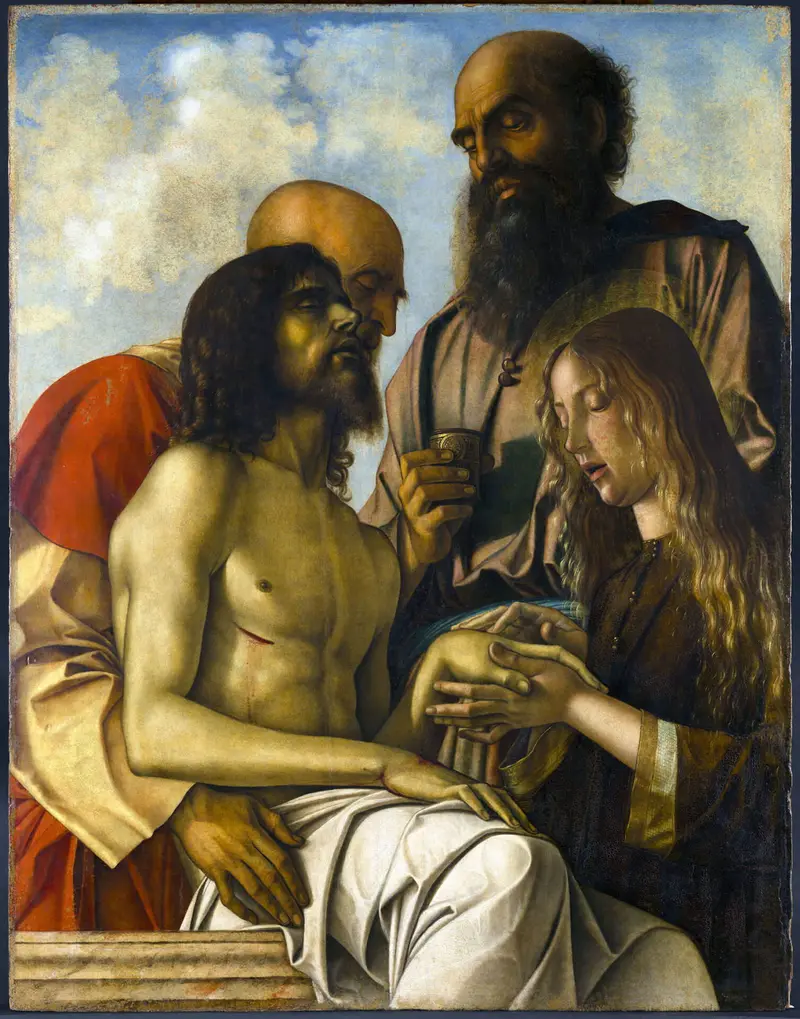
Lamentation over the Dead Christ
Giovanni Bellini
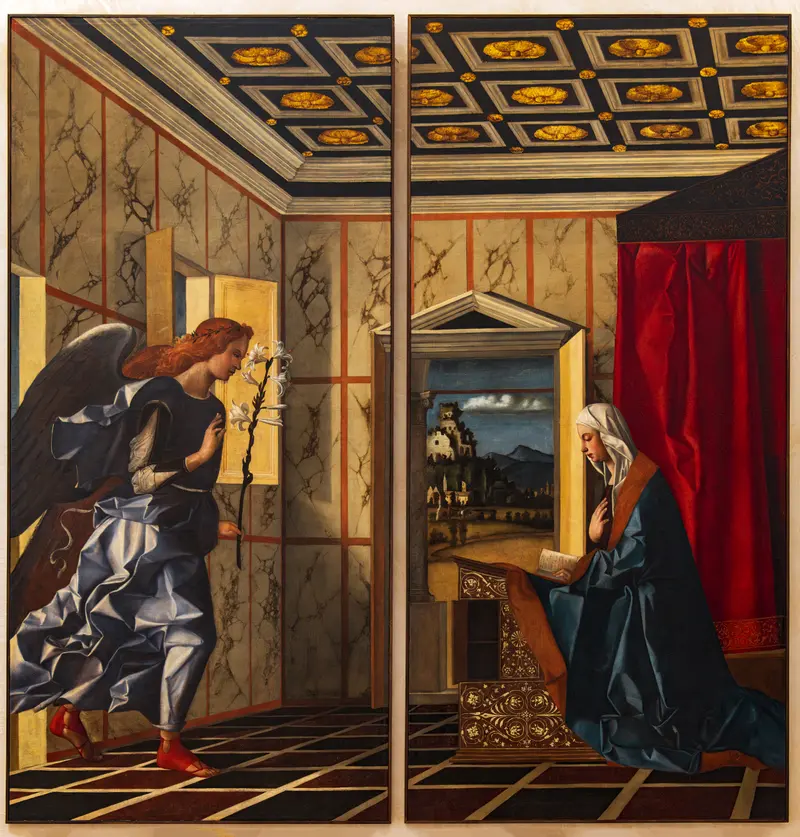
Annunciation
Giovanni Bellini
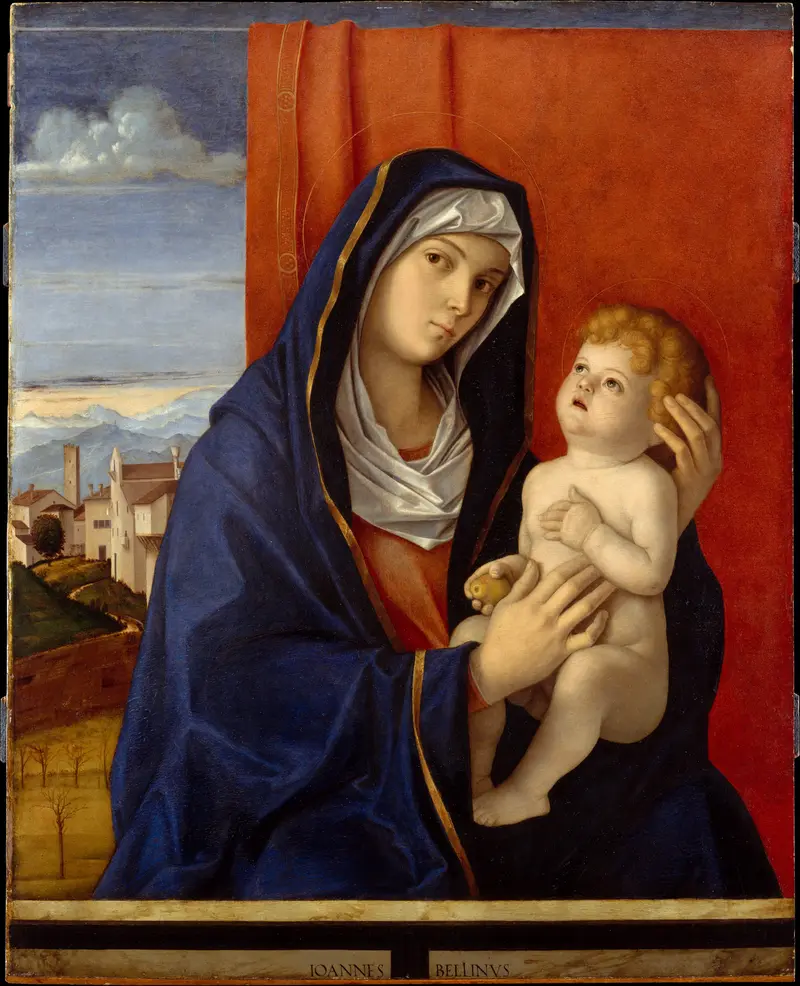
Madonna and Child
Giovanni Bellini
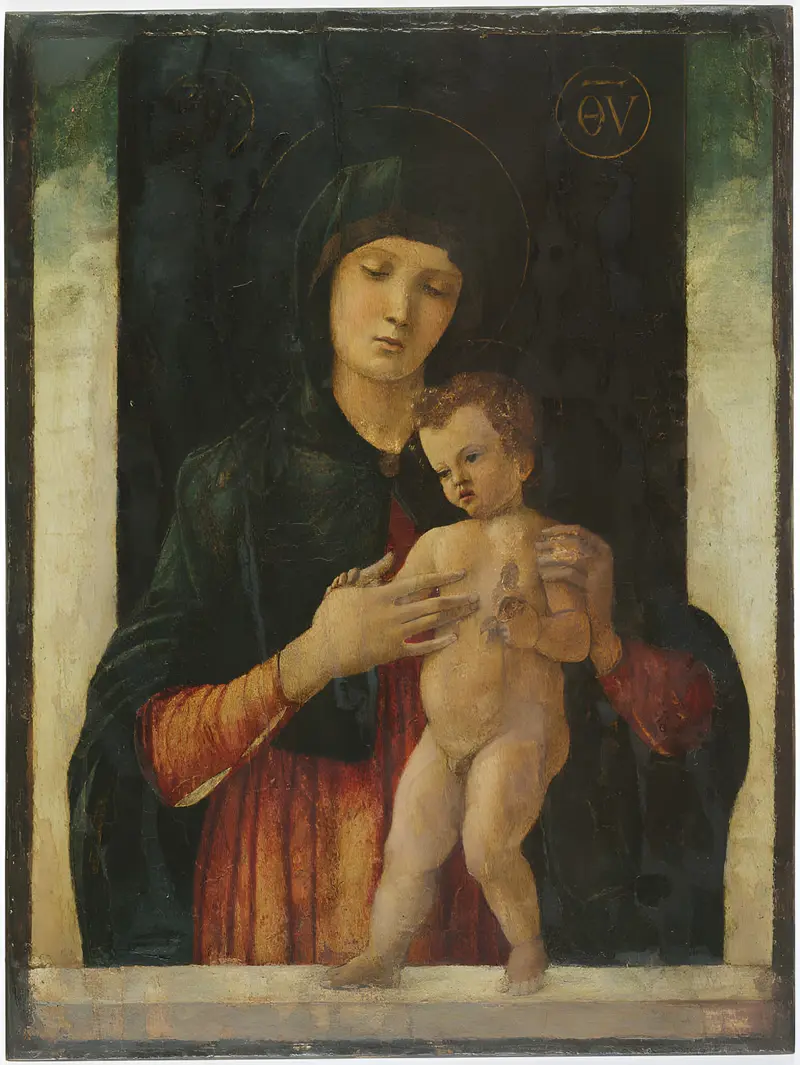
The Virgin and Child
Giovanni Bellini
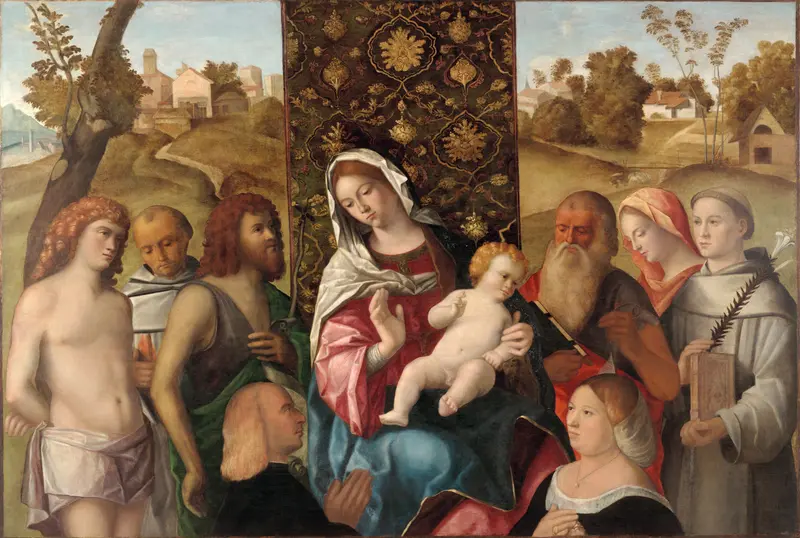
Virgin and Child with Saints Sebastian, Francis, John the Baptist, Jerome, an unidentified female saint, Saint Anthony of Padua and two donors
Giovanni Bellini
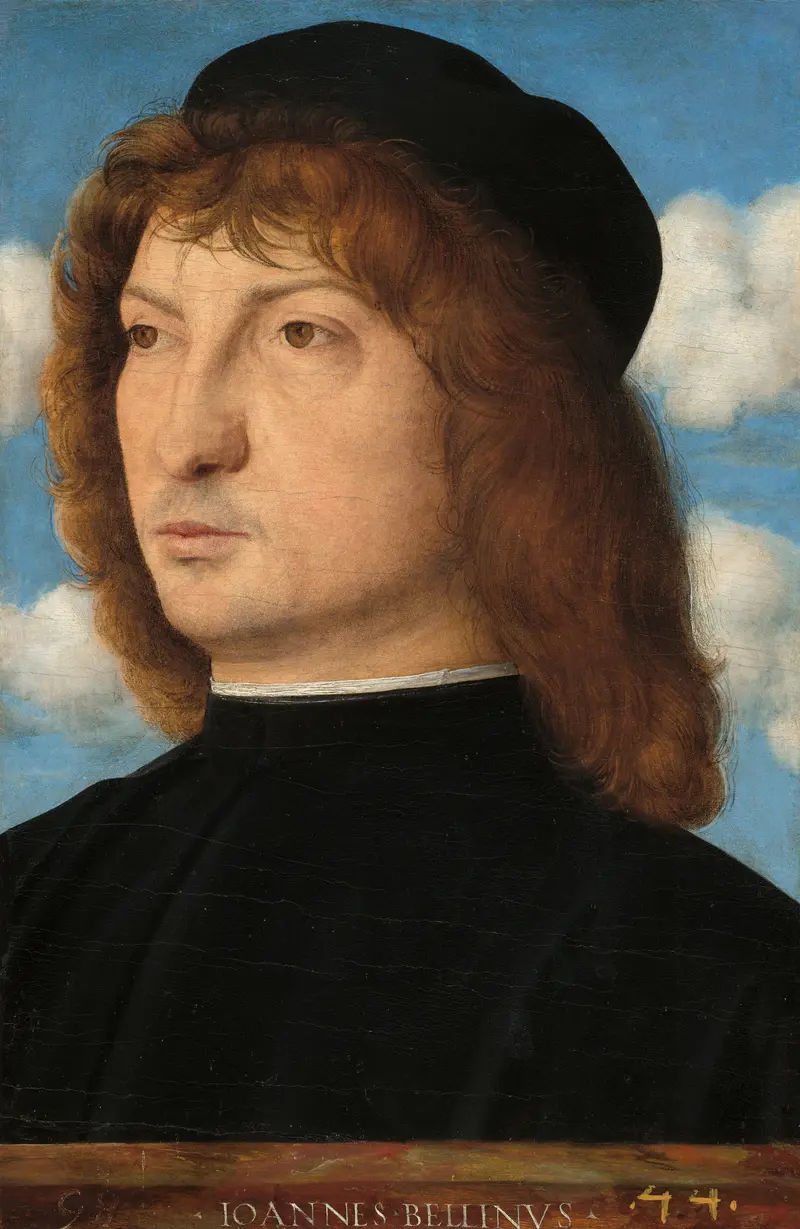
Portrait of a Venetian Gentleman
Giovanni Bellini
Portrait of a Young Man
Giovanni Bellini





