
Campagne, Le Labour — History & Facts
What secret hides in the quiet of the canvas? In Campagne, Le Labour, Pierre Bonnard invites us to meditate on the delicate balance between nature and human endeavor, a moment suspended in time. Focus first on the vibrant fields that stretch across the canvas, a lush tapestry of greens and golden hues. Notice how the light dances over the earth, casting soft shadows that interweave with the strokes of the ploughman's labor. The figures stand grounded, yet their forms seem to blend seamlessly with the landscape, as if they are an intrinsic part of the scenery itself.
This harmony is accentuated by Bonnard's brushwork, which radiates warmth and intimacy, compelling the viewer to linger in this rural haven. Examining the details reveals a deeper emotional tension: the juxtaposition of toil and beauty. The workers, though engaged in a laborious task, appear undisturbed by the effort, embodying a tranquil coexistence with the land. The gentle rise of the horizon suggests an infinite cycle of labor and rest, evoking reflections on the rhythms of life.
Each stroke seems to celebrate both human agency and the serenity of nature, creating a dialogue between the two that speaks to our own existence. In 1909, when Campagne, Le Labour was created, Bonnard was living in Paris, grappling with the evolving art scene that surrounded him. Influenced by the Nabis group, he sought to capture the emotional essence of everyday life through color and light, moving beyond mere representation. This work reflects not only his artistic journey but also the broader transition in art towards the modernist explorations that would soon follow, making it a pivotal moment in his career.
More Artworks by Pierre Bonnard
Browse all →
Les deux fiacres (Boulevard des Batignolles)
Pierre Bonnard

Le Balcon Et L’ombrelle
Pierre Bonnard

Paysage de Vernon
Pierre Bonnard

Place Pigalle at Night
Pierre Bonnard
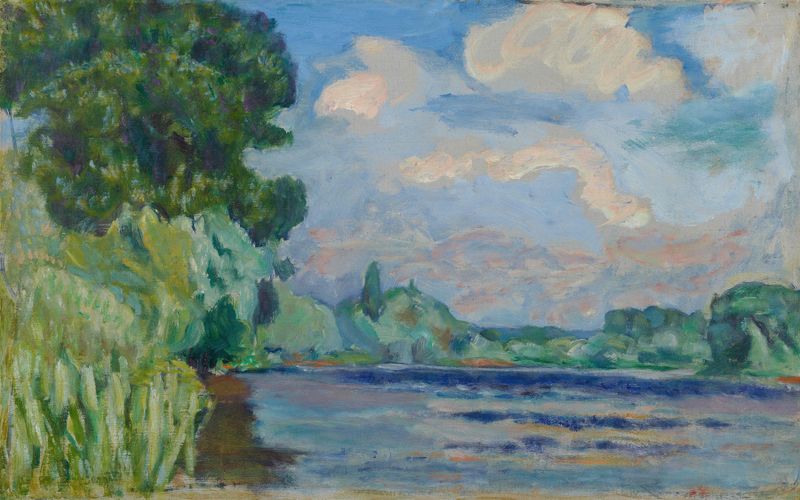
La Seine à Vernon
Pierre Bonnard

Les Toits
Pierre Bonnard
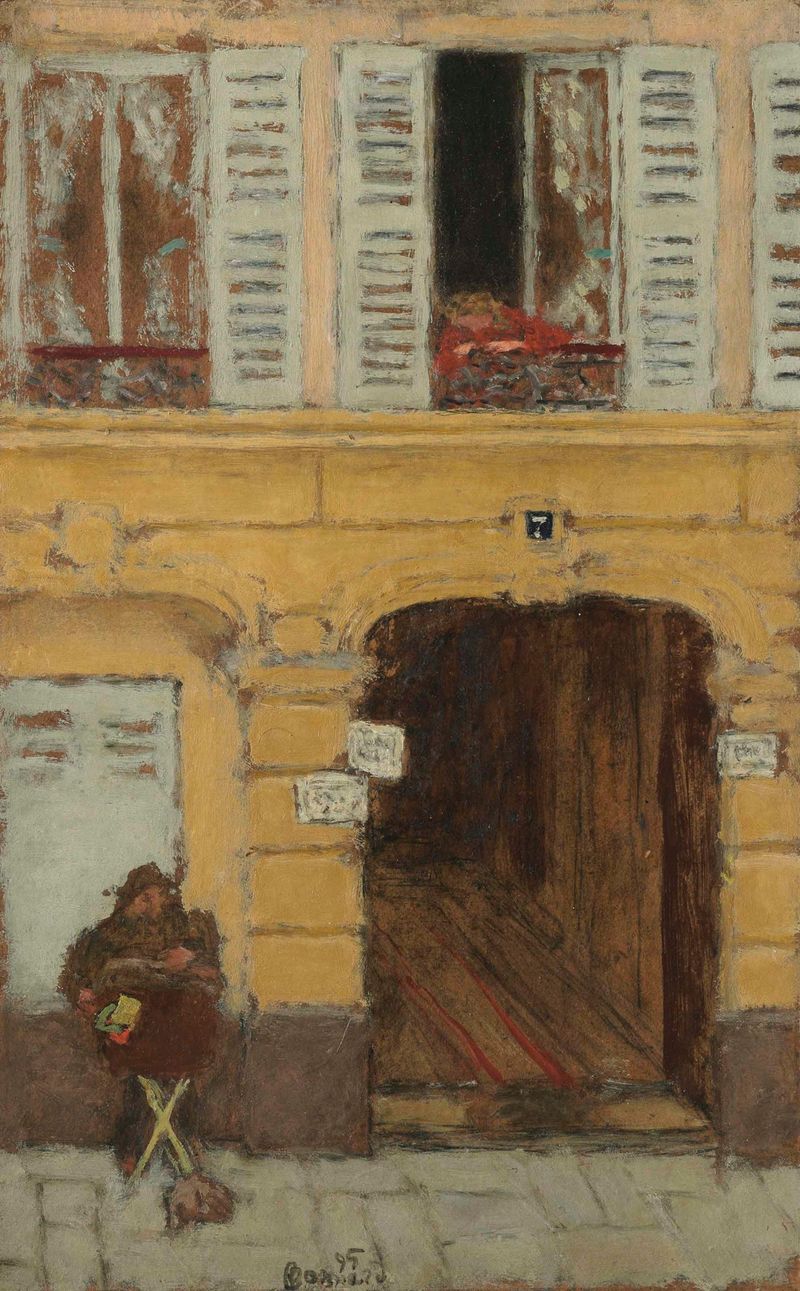
L’orgue de Barbarie ou Le joueur d’orgue
Pierre Bonnard

Paysage de Saint-Tropez
Pierre Bonnard

Soleil Couchant
Pierre Bonnard
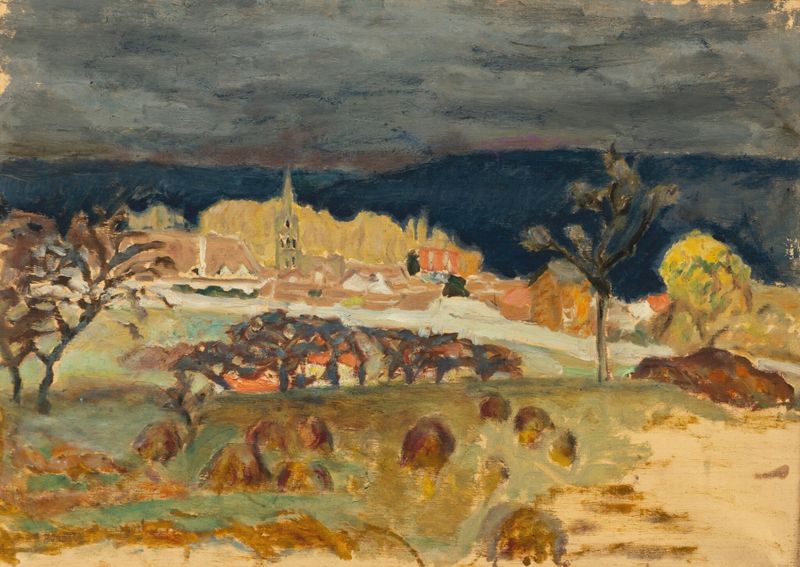
Village, ciel d’orage
Pierre Bonnard





