
Canal Wharf — History & Facts
The essence of painting transcends time, inviting us to reflect on the fleeting moments that linger in our memories. Focus on the serene waterway sprawling across the canvas, where gentle ripples mirror the soft hues of dusk. Notice how the artist captures the play of light, where pastels blend seamlessly, evoking a sense of tranquility. The boats, tethered along the wharf, appear almost dreamlike, beckoning the viewer to explore their stories hidden within shadow and illumination. As you look closer, consider the juxtaposition of the tranquil scene against the whisper of industrial progress encroaching from the background.
The delicate balance of nature and human endeavor speaks to a deeper narrative—one of coexistence, nostalgia, and the inevitable change that time demands. Each element, from the rustic buildings to the calm water, tells a story of transformation and longing, hinting at the beauty that exists in transience. During the late 18th century, as Thomas Girtin worked on this piece, he was establishing his reputation within the English watercolor movement. Emerging from the tumultuous period of the Industrial Revolution, Girtin found inspiration in the landscapes of Britain, capturing the essence of nature amidst changing times.
His innovative approach to color and light marked a pivotal shift in landscape painting, emphasizing emotional connection over mere representation.
More Artworks by Thomas Girtin
Browse all →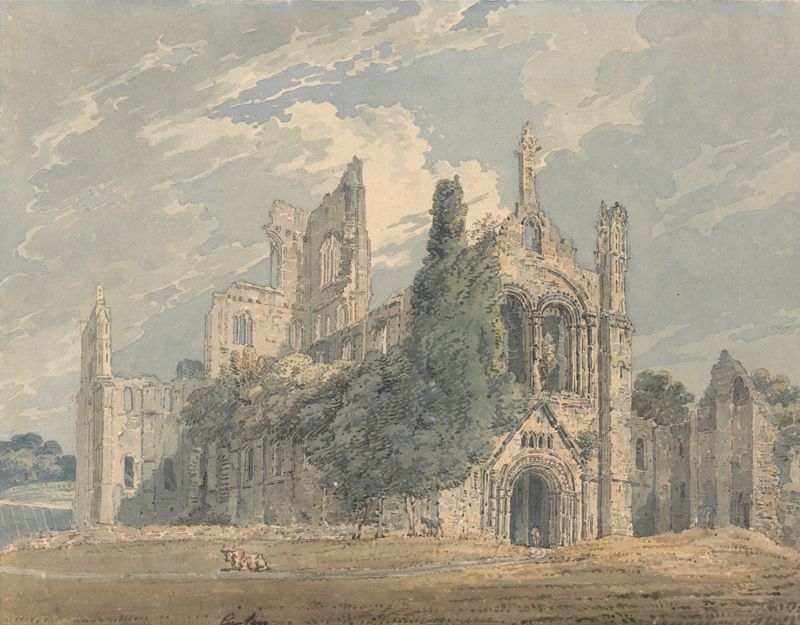
Kirkstall Abbey from the N.W.
Thomas Girtin
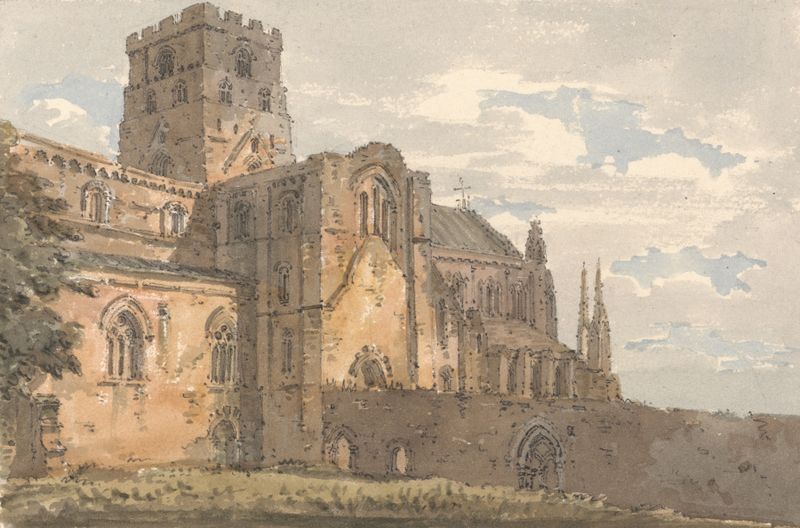
Carlisle Cathedral, Cumberland, from the South-west
Thomas Girtin
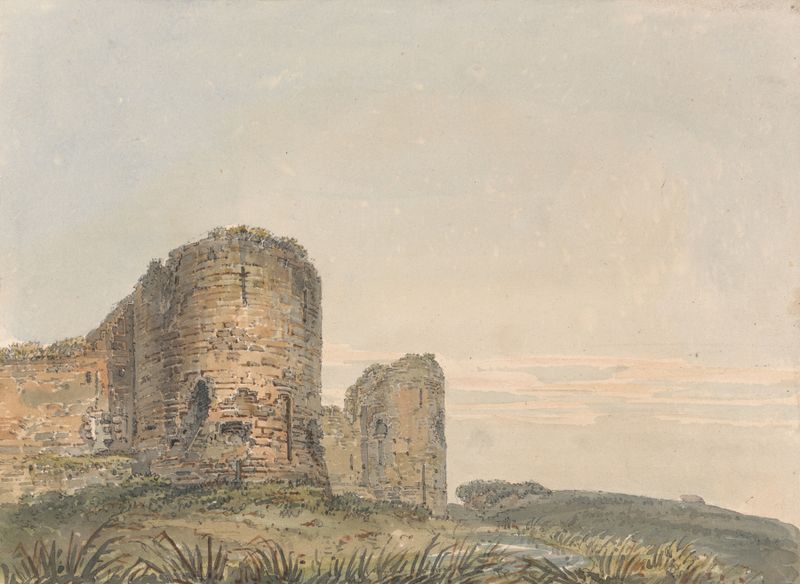
Pevensey Castle, Sussex
Thomas Girtin
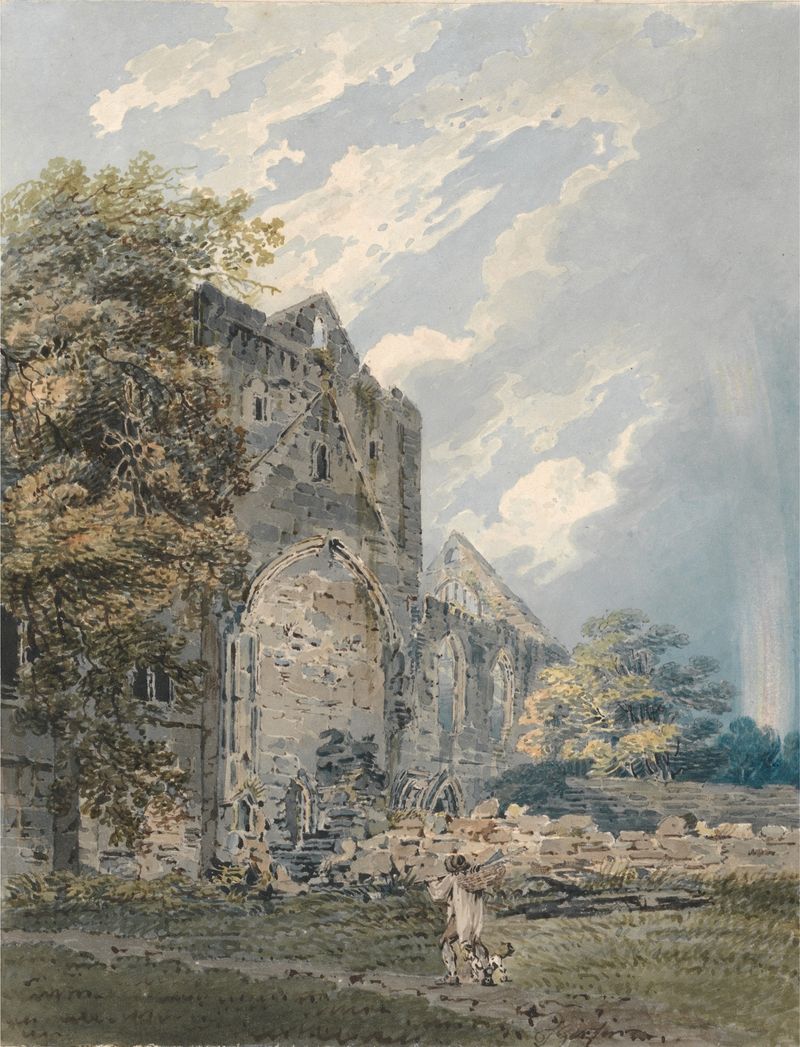
Pluscardine Abbey, Elgin
Thomas Girtin
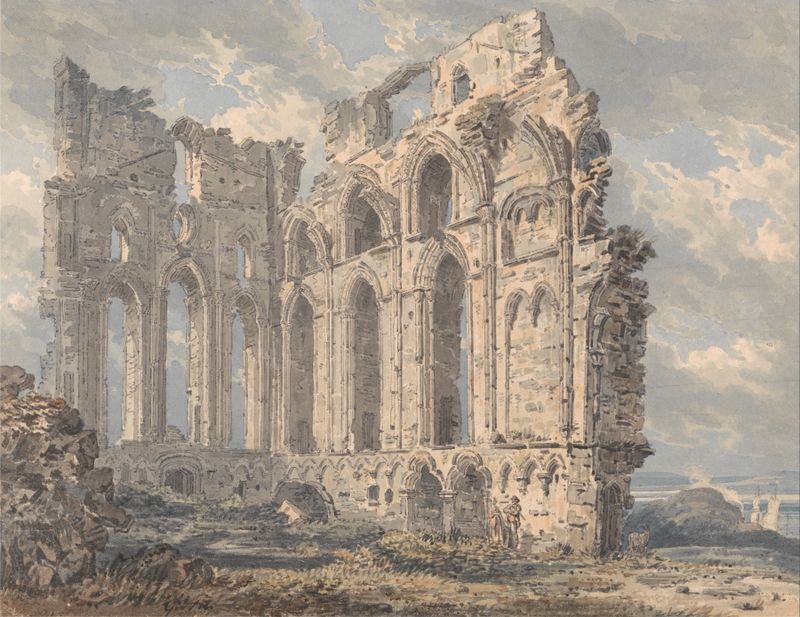
Tynemouth Priory, Northumberland
Thomas Girtin
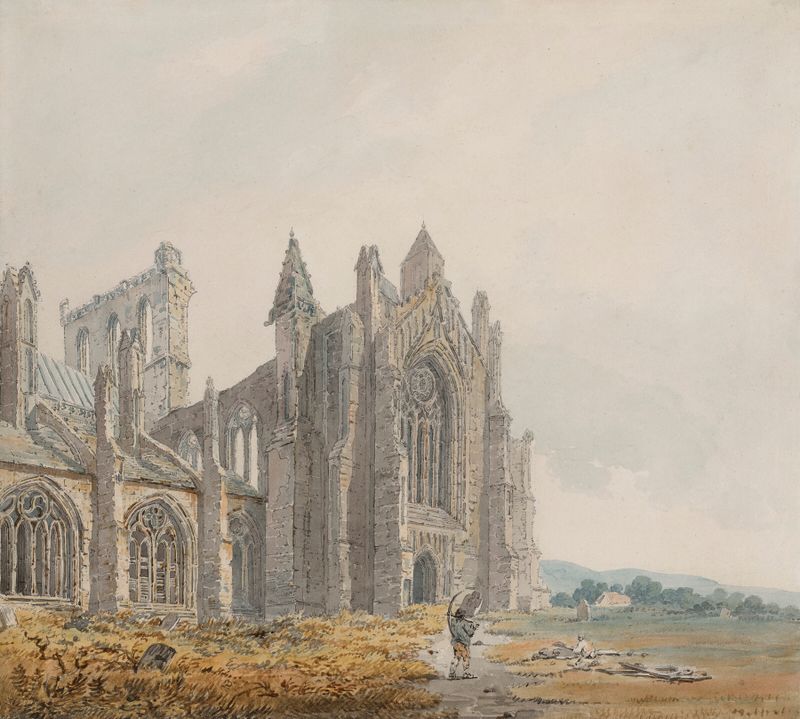
Melrose Abbey, Scotland
Thomas Girtin
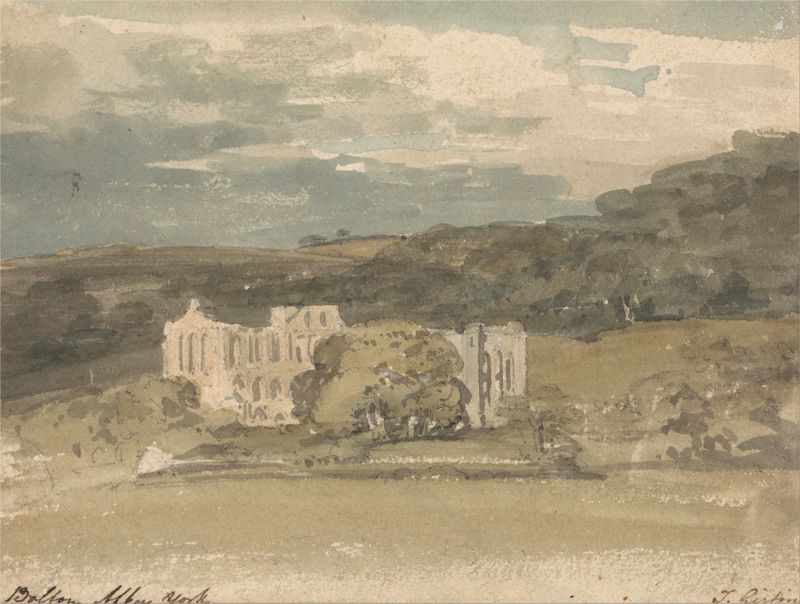
Rievaulx Abbey, Yorkshire
Thomas Girtin
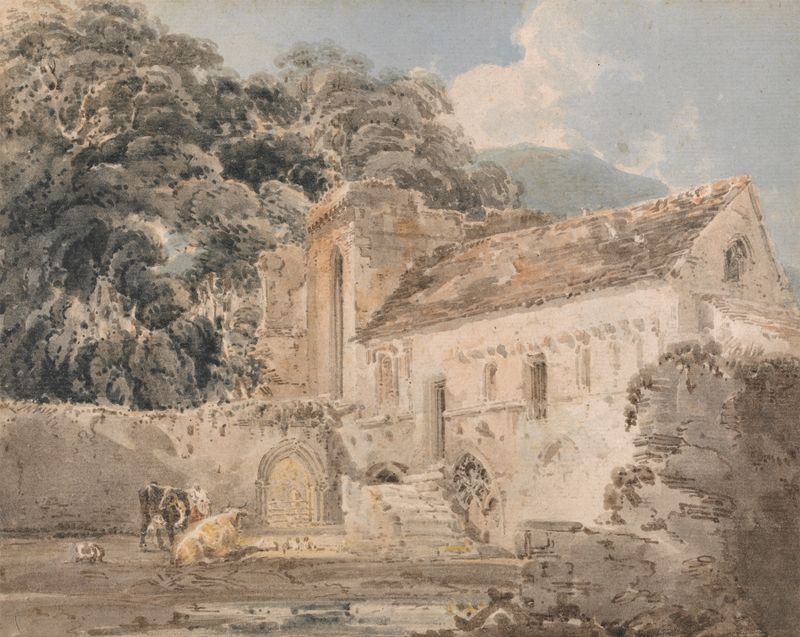
Valle Crucis Abbey, Denbighshire
Thomas Girtin
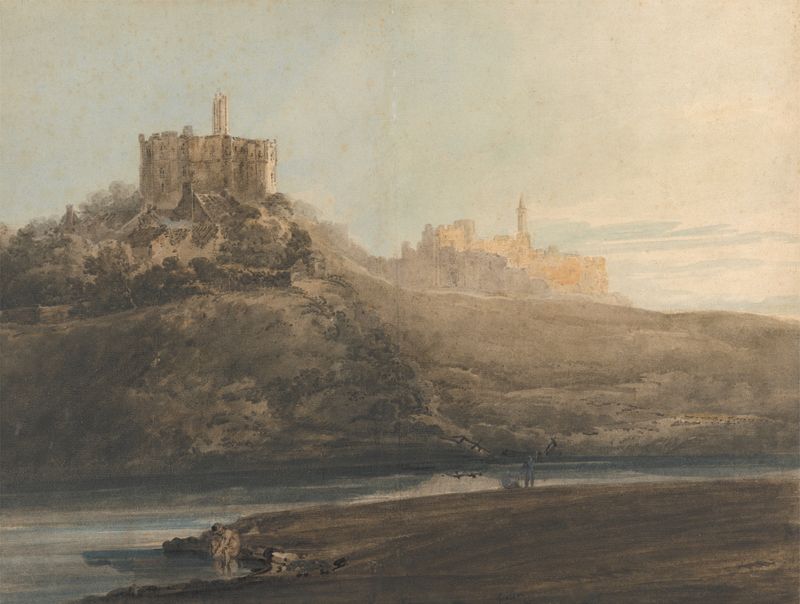
Warkworth Castle, Northumberland
Thomas Girtin
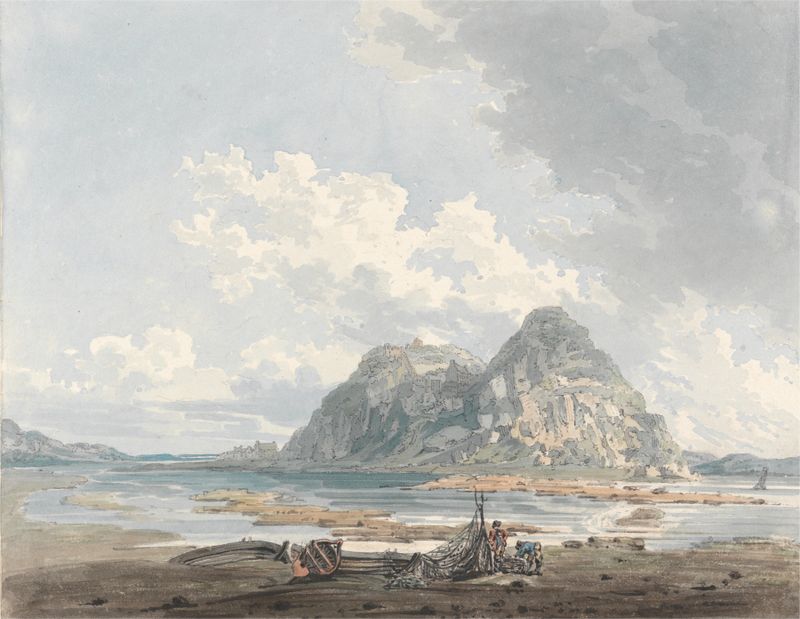
Dumbarton Rock and Castle
Thomas Girtin





