
Cannes — History & Facts
When did color learn to lie? The vibrant hues of a canvas can beguile, whispering truths or weaving fictions, and in Cannes, the interplay of color captures both the charm and deception of creation itself. Look to the foreground, where the sun-drenched coastline entwines with azure waters, inviting the viewer into a world that feels both serene and alive. Notice how the shimmering light dances upon the surface of the sea, creating a mosaic of reflections. The artist’s choice of soft pastels and rich tones reflects both the beauty of the landscape and a more profound commentary on the essence of perception—how the eyes can be fooled by the allure of beauty. Beyond the surface, one can sense a tension between reality and imagination.
The vibrant flowers at the edge of the cliff seem to spill into the scene, blurring the lines between the earthly and ethereal. Each brushstroke is a whisper of artistic intention, suggesting that what we see is often filtered through our desires and dreams rather than a mere representation of life. This interplay invites reflection on the nature of art itself—as lush and layered as the scenery, it beckons the mind to question what is real. In 1865, Edward Lear painted Cannes during a period marked by his exploration of landscapes and scenes infused with personal significance.
While residing in Italy, he was capturing not just the physical beauty around him but also his evolving understanding of artistry amidst the burgeoning Romantic movement. This work showcases his desire to convey emotional depth through color and form, a testament to his role in the discourse of 19th-century art.
More Artworks by Edward Lear
Browse all →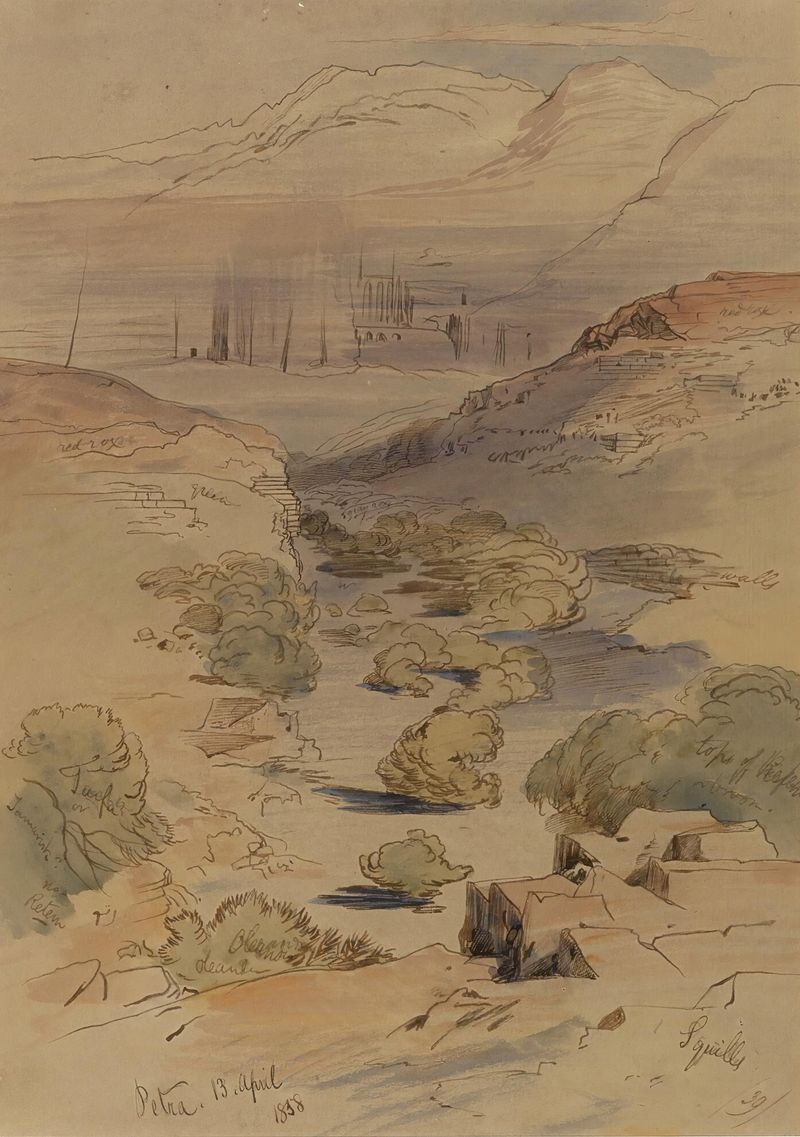
Petra
Edward Lear
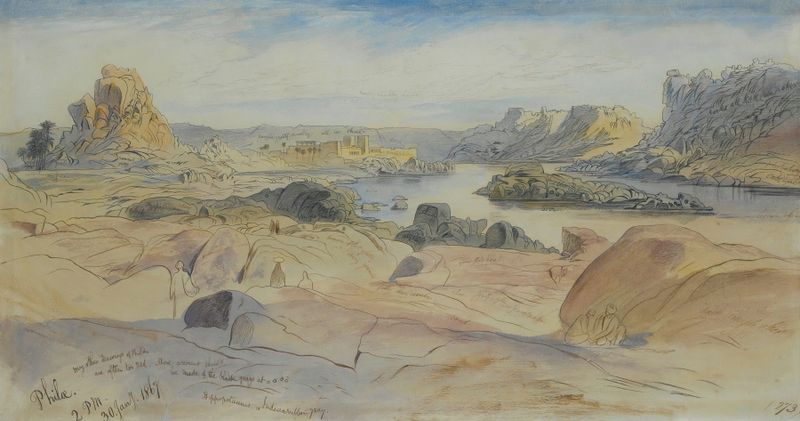
Philae, Egypt
Edward Lear
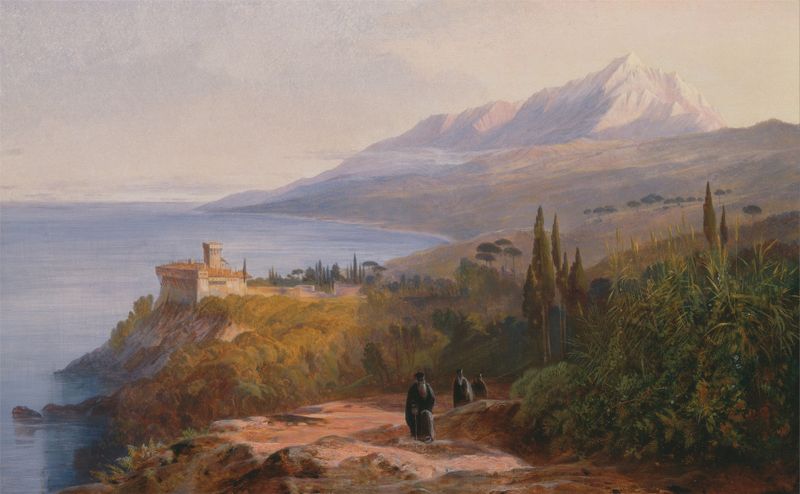
Mount Athos and the Monastery of Stavronikétes
Edward Lear
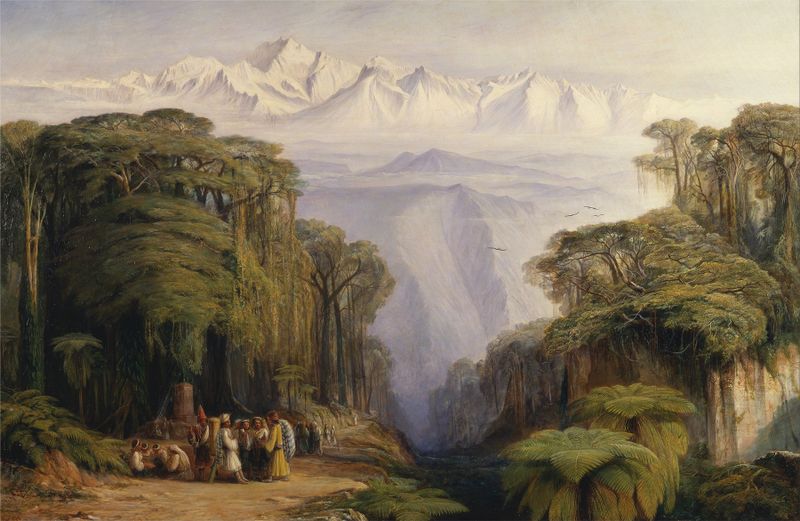
Kangchenjunga from Darjeeling
Edward Lear
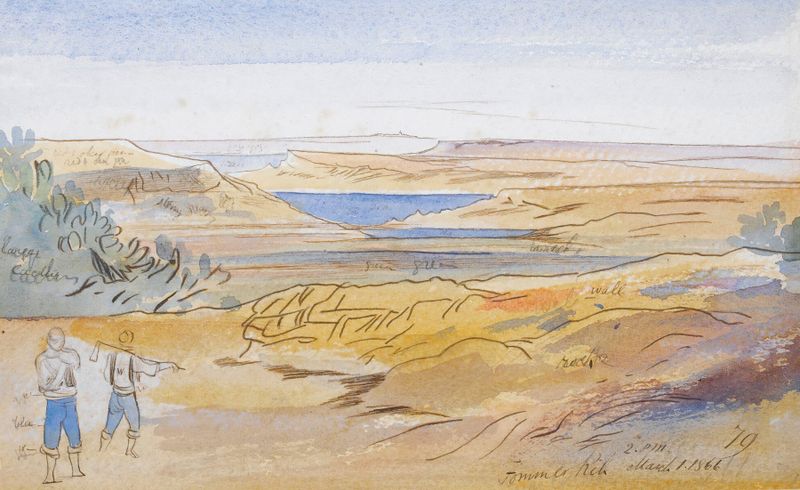
Fomm Ir-Rih, Malta
Edward Lear
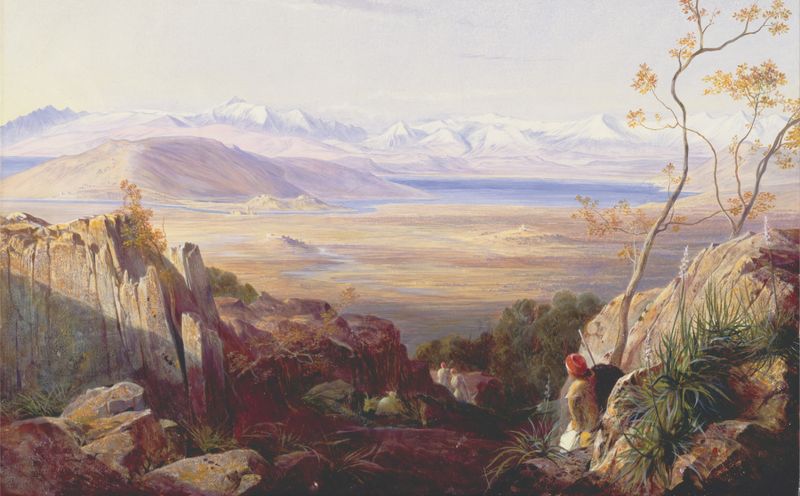
Butrinto, Albania
Edward Lear
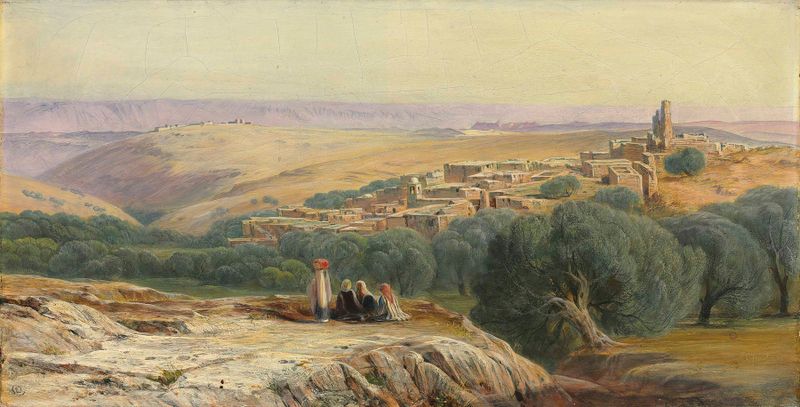
The Plains of Bethany
Edward Lear

Karnak, 9-30 pm, 22 January 1867
Edward Lear
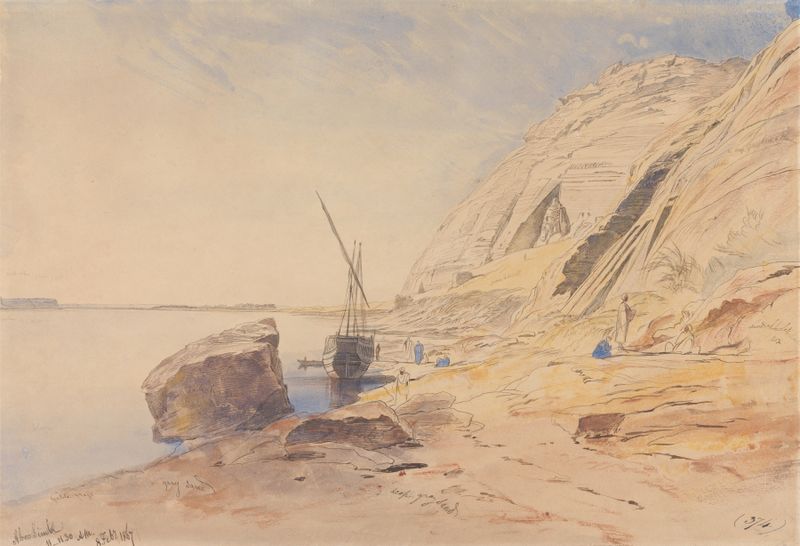
Abu Simbel, 11-11;30 am, 8 February 1867 (374)
Edward Lear

A View Of Mount Athos And The Pantokrator Monastery, Greece
Edward Lear





