
Cap De Sorrente — History & Facts
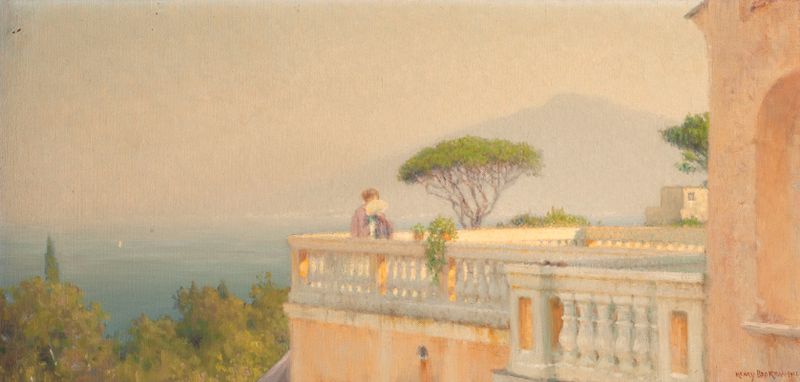
What if beauty was never meant to be finished? The shadows captured in this piece suggest a fleeting moment, where the ethereal meets the tangible, leaving us to ponder the permanence of beauty in a world defined by transience. Look to the left at the gentle curves of the coastline, where the interplay of light and shadow creates a mesmerizing rhythm. This part of the canvas is bathed in soft hues of blue and green, inviting viewers into the tranquil embrace of nature. As your eyes move across the painting, notice how Brokman uses delicate brushwork to portray the shimmering water, its surface reflecting the warm tones of an unseen sun, suggesting warmth and nostalgia.
The subtle gradations of color enhance not only depth but also a sense of time suspended, as if the moment itself yearns to last forever. Amid this serene landscape, the shadows play a crucial role, representing the tensions between light and dark. They embody uncertainty and the impermanence of beauty, hinting at hidden depths beneath the surface. The contrast between the vibrant colors of the land and the darkening shadows evokes feelings of longing and introspection, as if the viewer is caught in a dialogue with their own emotions, reflecting on what lies beneath the visible. In 1912, Brokman painted this work during a transformative time in the art world, where Impressionism was giving way to new modernist styles.
Living in a rapidly changing society, he sought to capture the ephemeral beauty of nature, emphasizing the transient moments that exist between light and shadow. This piece, with its evocative forms and rich contrasts, demonstrates his evolving artistic vision, a bridge between the old and the new.
More Artworks by Henry Brokman
Browse all →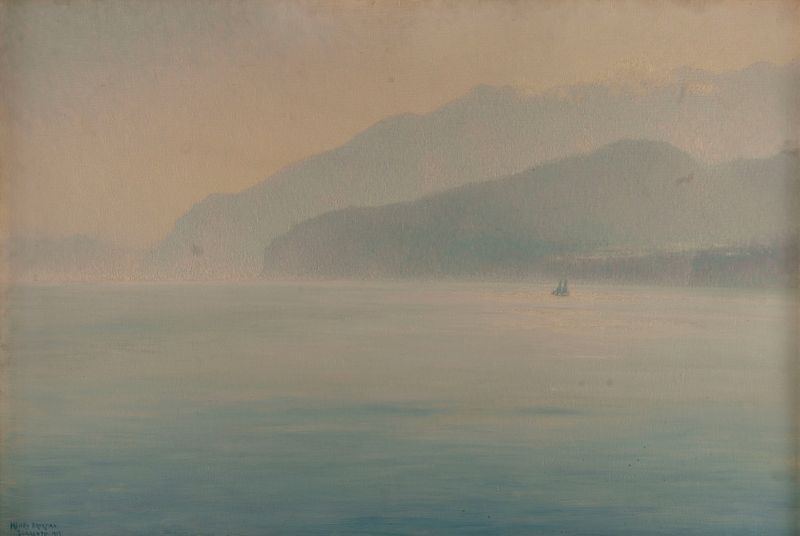
Côte De Sorrente, Bleu Et Argent
Henry Brokman
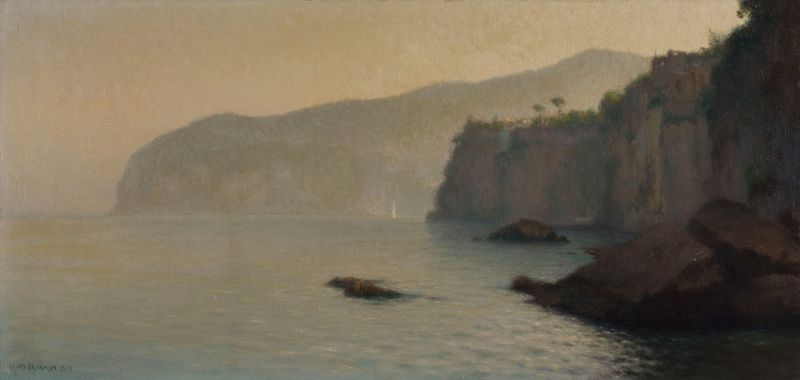
Petite côte de Sorrente (grise)
Henry Brokman
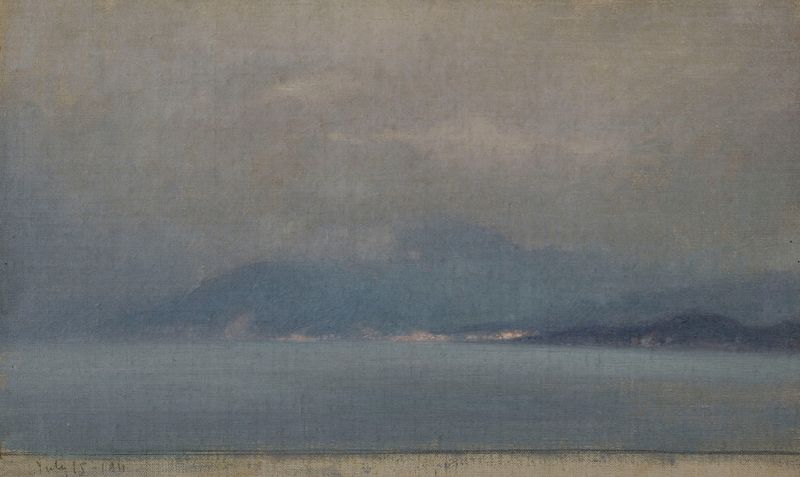
Etude de paysage
Henry Brokman
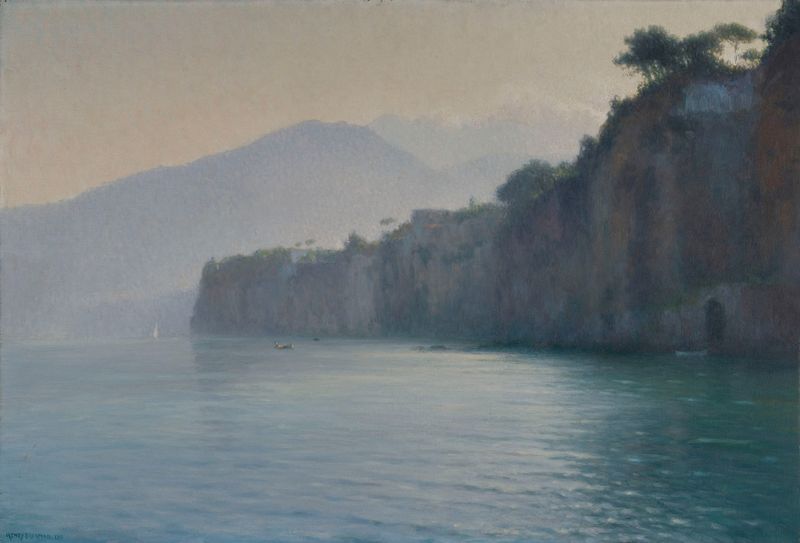
Sorrente, côte argentée
Henry Brokman
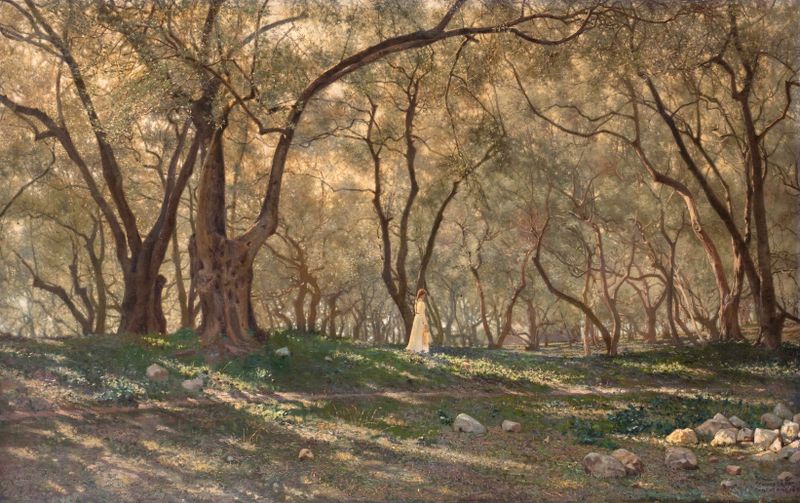
Jeune Fille Sous Les Oliviers – Menton
Henry Brokman
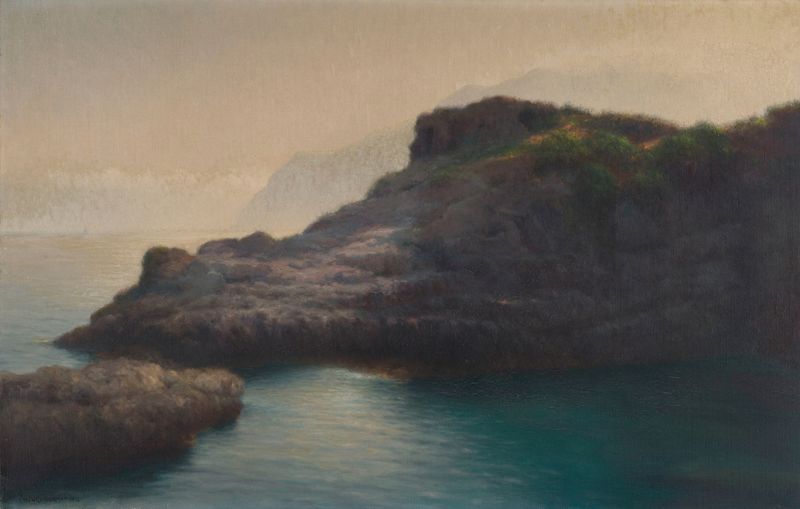
Cap de Sorrente
Henry Brokman
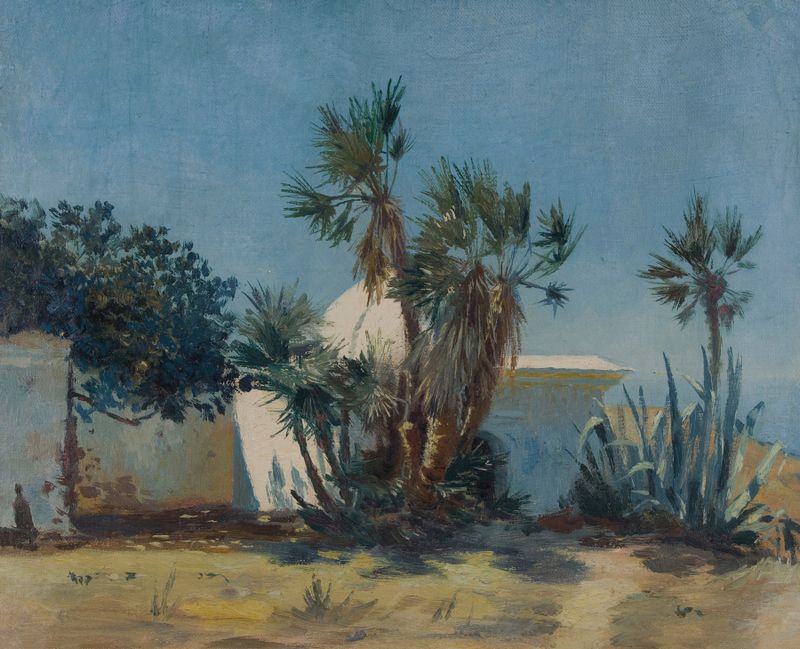
L’Oasis
Henry Brokman
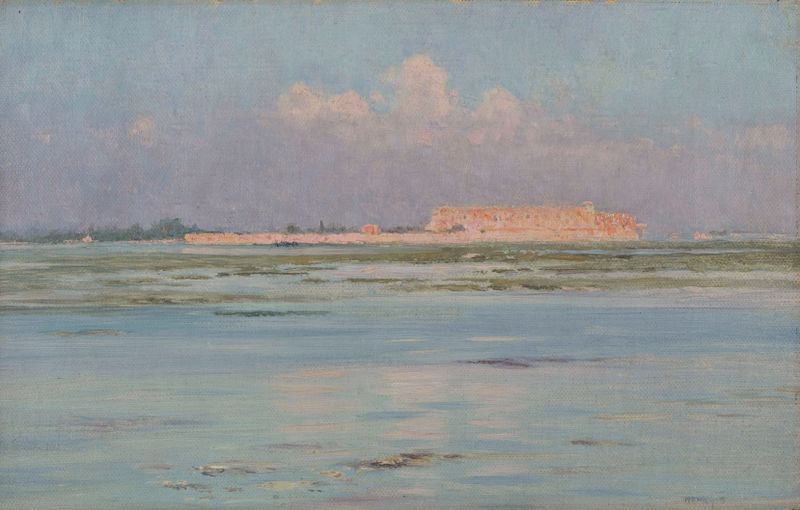
Le Temple De Louxor, Egypte
Henry Brokman
Terrasse De L’hôtel Cocumella
Henry Brokman
Rive du Nil, Egypte
Henry Brokman





