
Capriccio of Classical Ruins on a Shore — History & Facts
What secret hides in the quiet of the canvas? In a world balanced delicately on the brink of chaos, the stillness of a moment can reveal profound truths. Look to the left where soft, sun-kissed ruins emerge from the shadows, their crumbling forms bathed in warm, golden hues. The juxtaposition of the cool blue sea against the earthy tones captures the viewer's eye, drawing you toward the horizon where water meets sky. Notice how the artist's delicate brushstrokes create an ethereal quality, allowing light to dance across the surface of the waves, while the wispy clouds hint at an impending shift, suggesting that this tranquil scene may be but a fleeting illusion. Within this landscape lies a poignant contrast between the beauty of nature and the remnants of human ambition.
The ruins symbolize past achievements, now surrendered to time's relentless passage, while the vibrant sea teeters on the edge of chaos. Such tension evokes reflections on transience, encouraging viewers to ponder the fragility of existence and the inevitable decay that awaits all creations. Each brushstroke beckons with subtle emotions, inviting deeper contemplation of what has been lost. Created in Venice during an era rich with dramatic shifts in artistic expression, the work emerges from a time when Giacomo Guardi sought to blend romanticism with the allure of classical themes.
The chaos of 18th-century Europe informed his perspective, as he navigated the evolving landscape of art and embraced the beauty of ruins as metaphors for both human aspiration and vulnerability.
More Artworks by Giacomo Guardi
Browse all →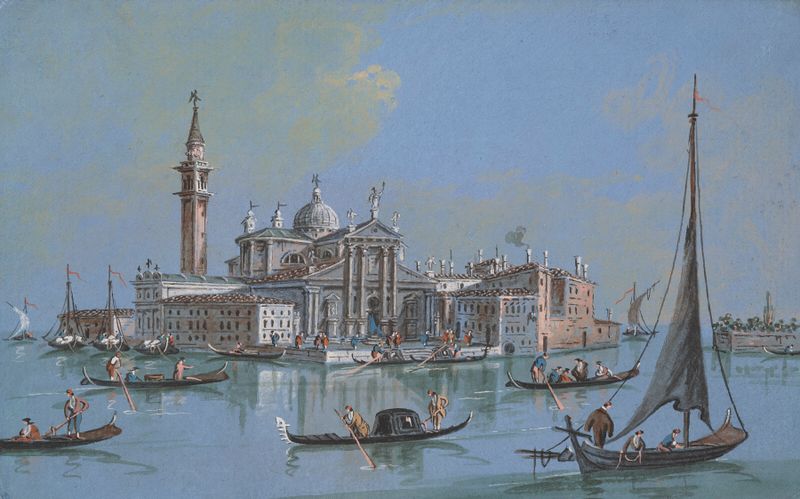
A view of San Giorgio Maggiore from the Bacino of San Marco, Venice
Giacomo Guardi
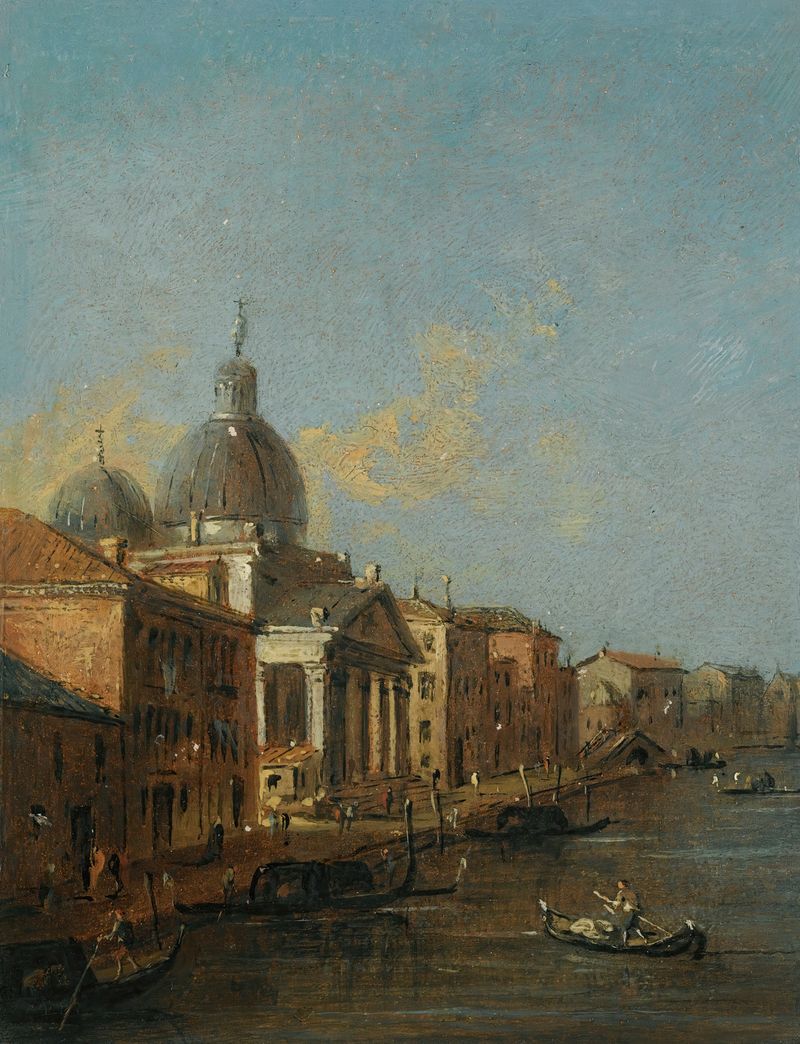
Venice, A View Of The Grand Canal With The Church Of San Simeone Piccolo
Giacomo Guardi
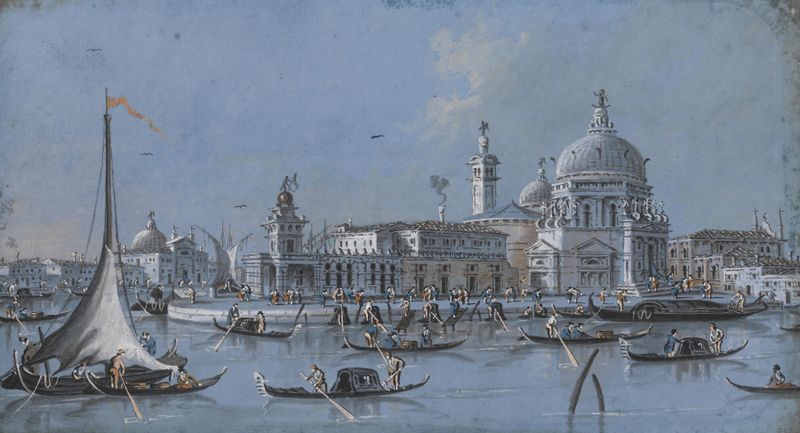
Santa Maria Della Salute, Venice And The Punta Della Dogana
Giacomo Guardi

Piazza San Marco, Looking toward the Basilica
Giacomo Guardi
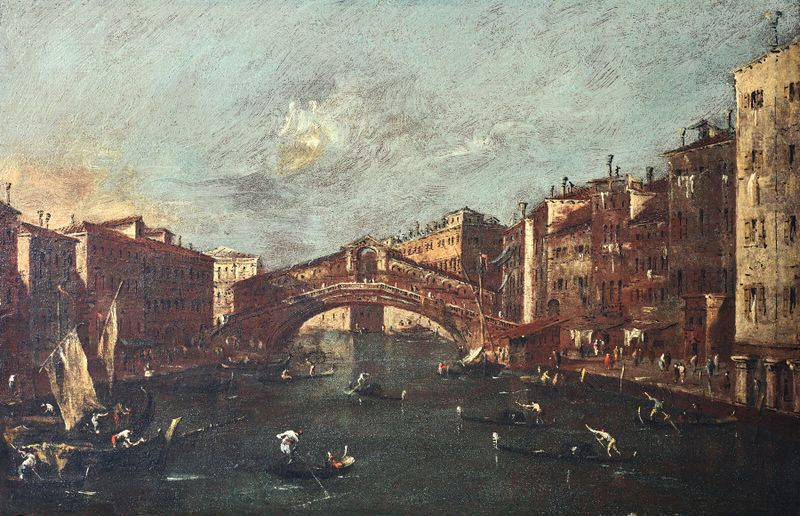
A view of the Rialto Bridge, Venice
Giacomo Guardi
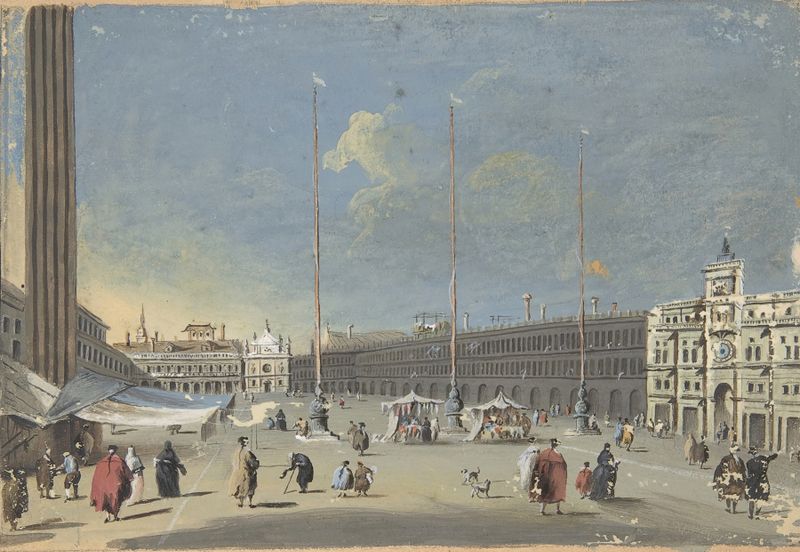
The Piazza San Marco towards San Giacomo
Giacomo Guardi
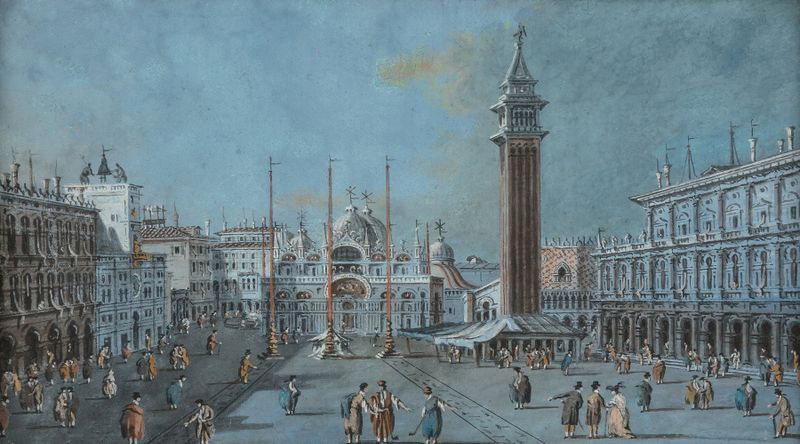
Veduta della Piazza di San Marco
Giacomo Guardi
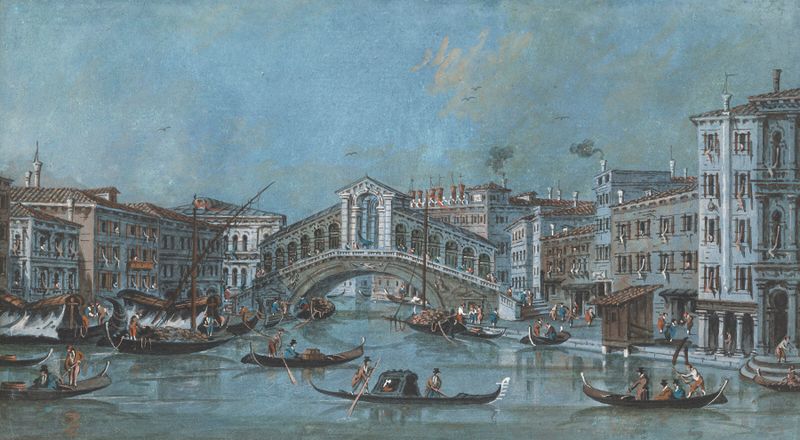
The Rialto Bridge, Venice
Giacomo Guardi
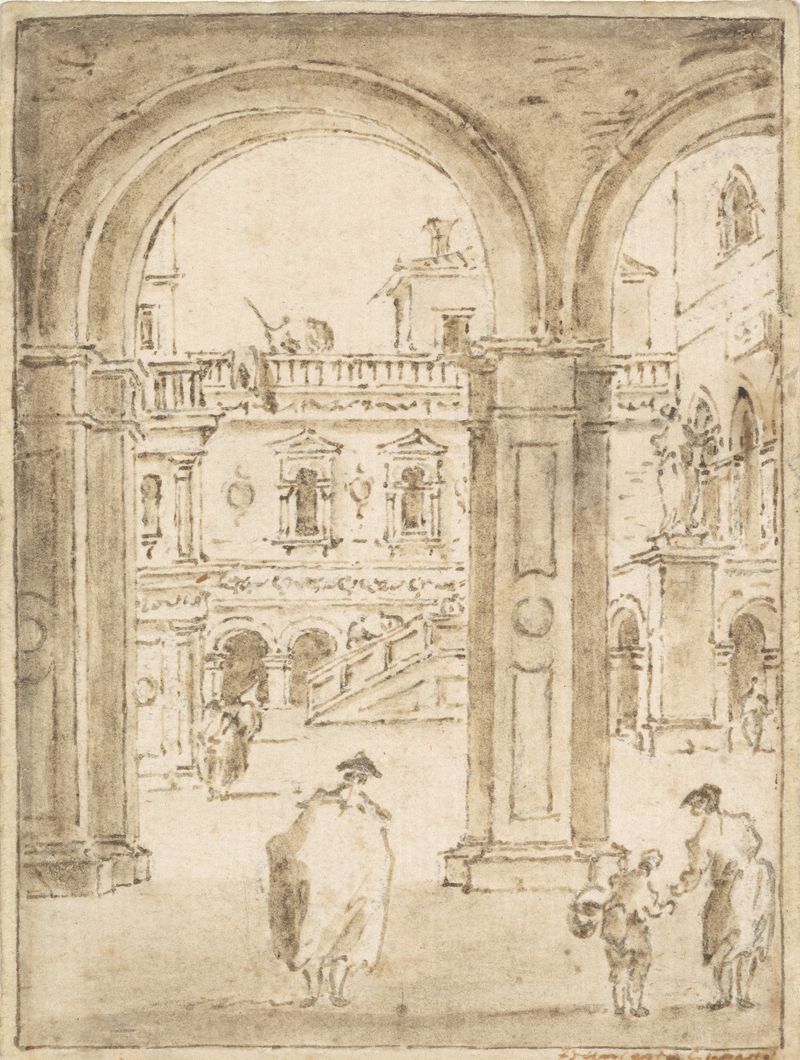
The Courtyard of the Doges’ Palace
Giacomo Guardi
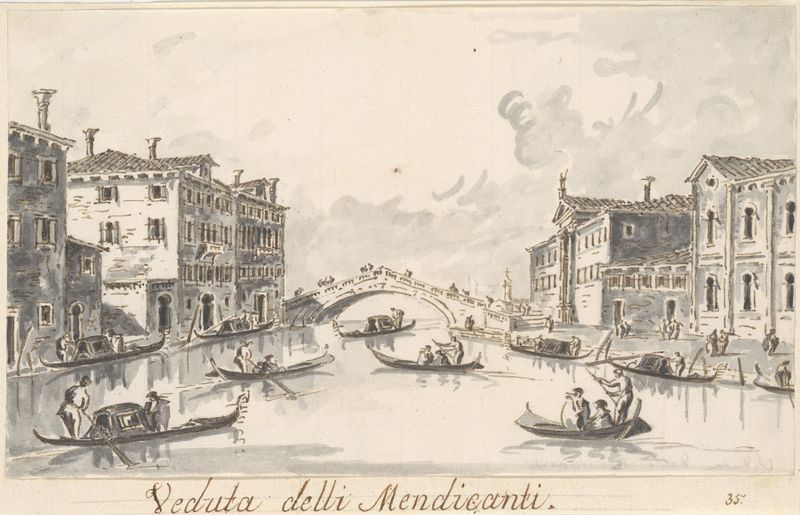
The Rio dei Mendicanti
Giacomo Guardi





