
Capriccio View of a Seaport — History & Facts
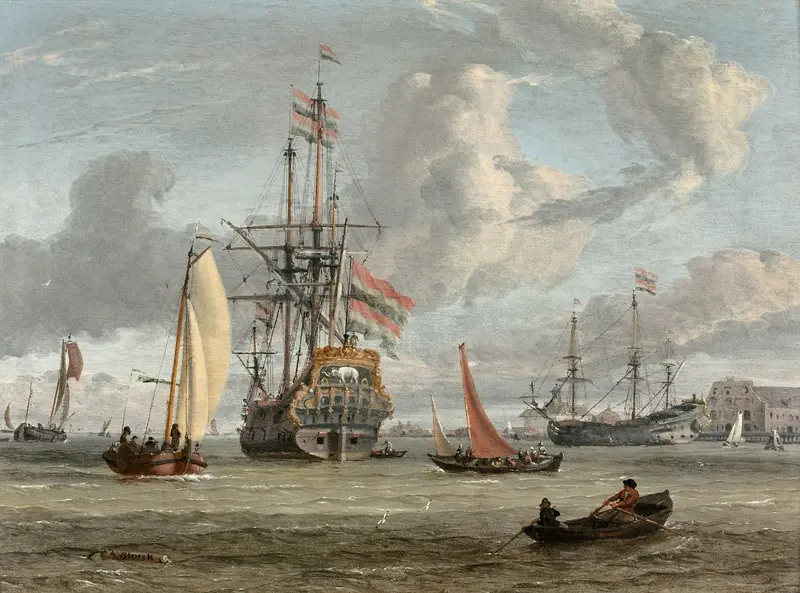
A city of the imagination rises at the edge of the water, where merchant ships and classical columns share the same stage. The eye is drawn first to the grand vessel, its stern gilded and proud, but quickly the scene unfolds: figures gather on the quay, some in animated conversation, others intent on their tasks, while a dog scampers at the edge of the crowd. The architecture is a fantasy of stone and order, with arcades and statues that evoke ancient Rome more than any real port.
Storck orchestrates the light so it glances off the rippling water and the marble steps, guiding us from the bustle of the foreground to the serene, distant domes and the soft, cloud-filled sky. Every gesture and grouping hints at commerce and encounter, but also at a sense of spectacle—the harbor as a stage where the city’s wealth and aspirations are on display. Painted in 1688, Capriccio View of a Seaport belongs to a tradition beloved in the Dutch Golden Age: the capriccio, where artists conjured idealized harbors and invented cities to delight patrons hungry for visions of prosperity and order. Such works were often commissioned by merchants or officials, eager to see their world reflected in the grandeur of imagined antiquity.
Abraham Storck, known for his lively marine scenes, here blends the precision of Dutch observation with Italianate fantasy, a combination that answered the tastes of a cosmopolitan clientele. History has kept few traces of this specific painting’s journey, but its presence in the Art UK collection today invites us to linger over its careful choreography of light, stone, and sail—a vision as much about longing as about reality.
More Artworks by Abraham Storck

The Muscovite legation visiting Amsterdam, 29 August 1697
Abraham Storck
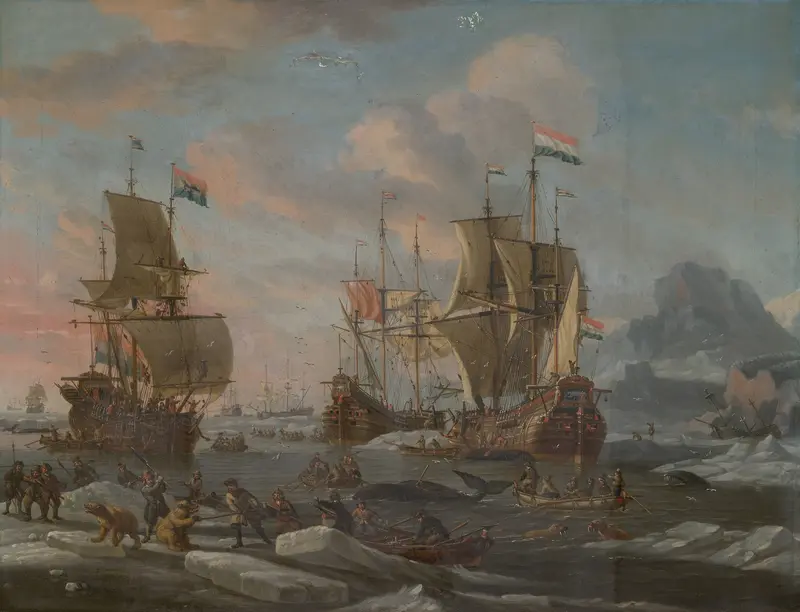
The Dutch Whaling Fleet
Abraham Storck
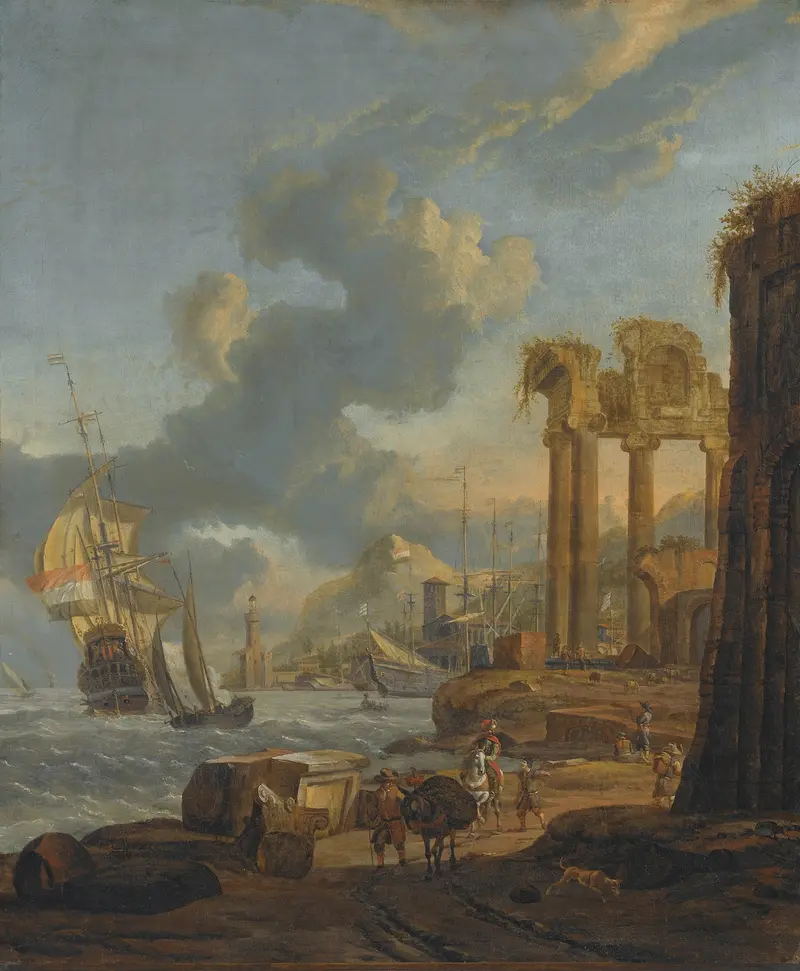
A Mediterranean Harbour Scene With Travellers On The Shore, A Dutch Man-Of-War On The Left
Abraham Storck
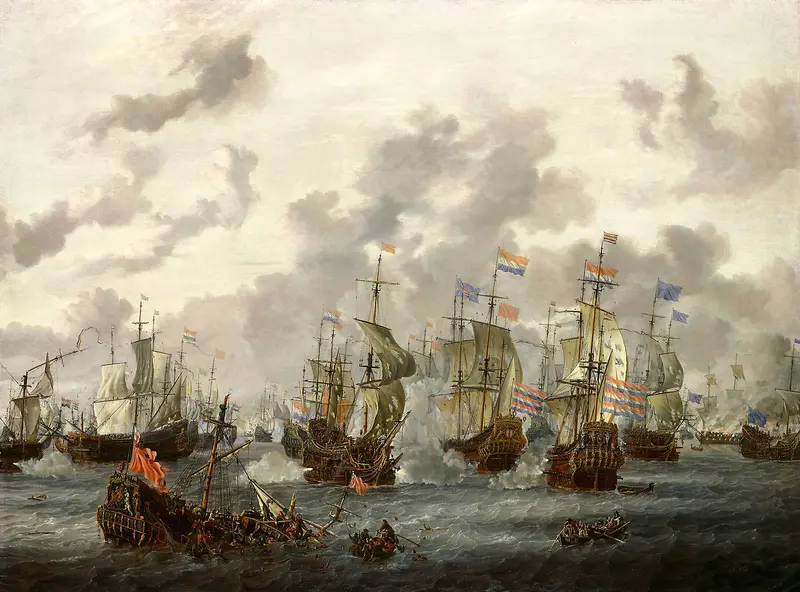
The Four Days’ Battle
Abraham Storck
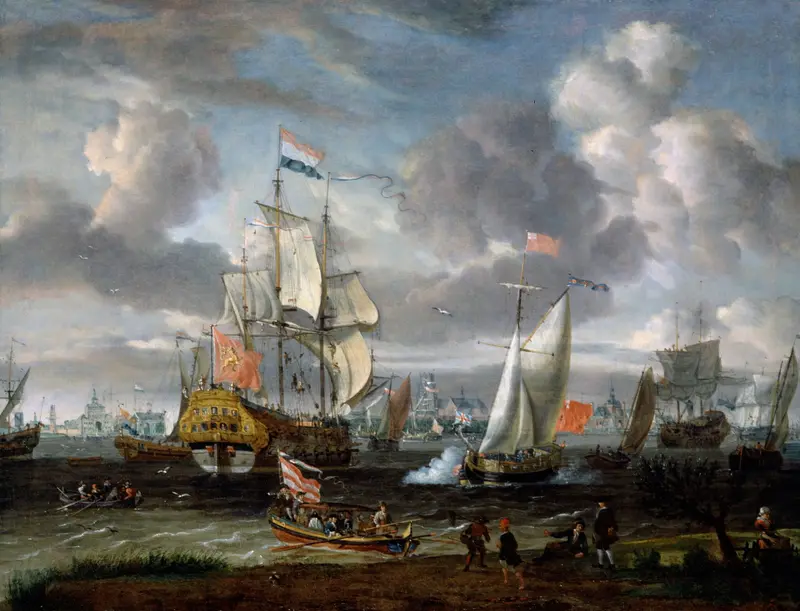
An English Yacht saluting a Dutch Man-of-War in the port of Rotterdam
Abraham Storck
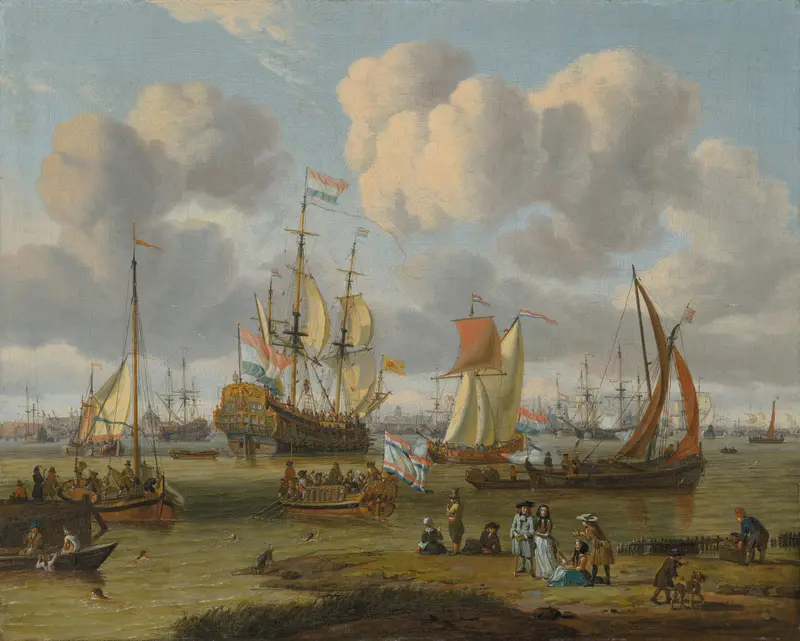
Shipping off Amsterdam with figures on a quay
Abraham Storck
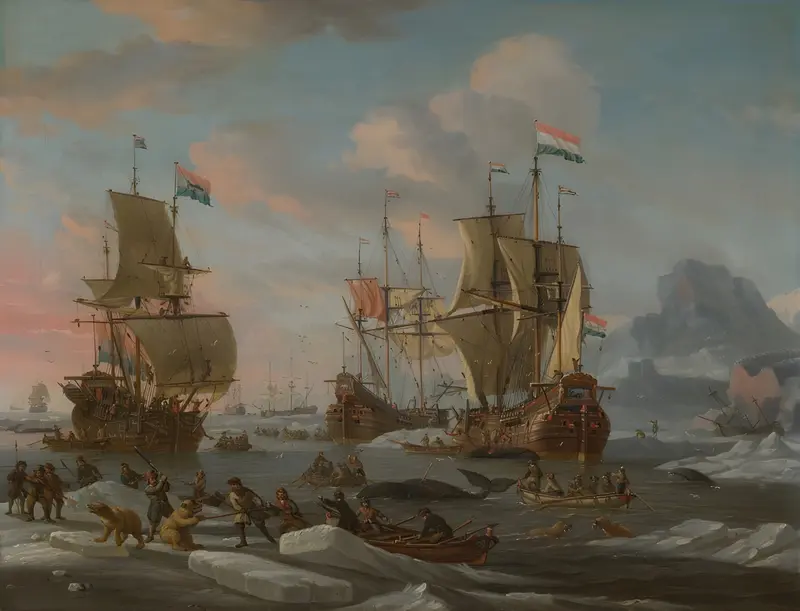
The Dutch Whaling Fleet
Abraham Storck
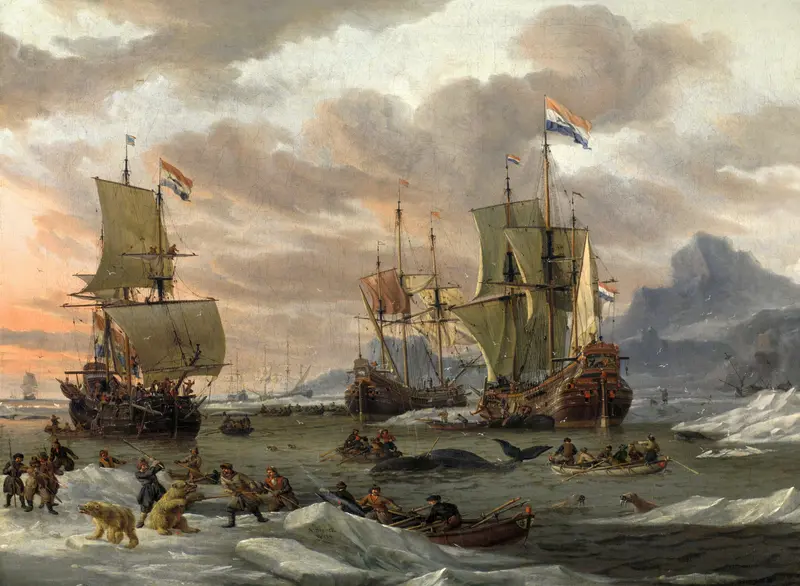
Whaling Grounds in the Arctic Ocean
Abraham Storck
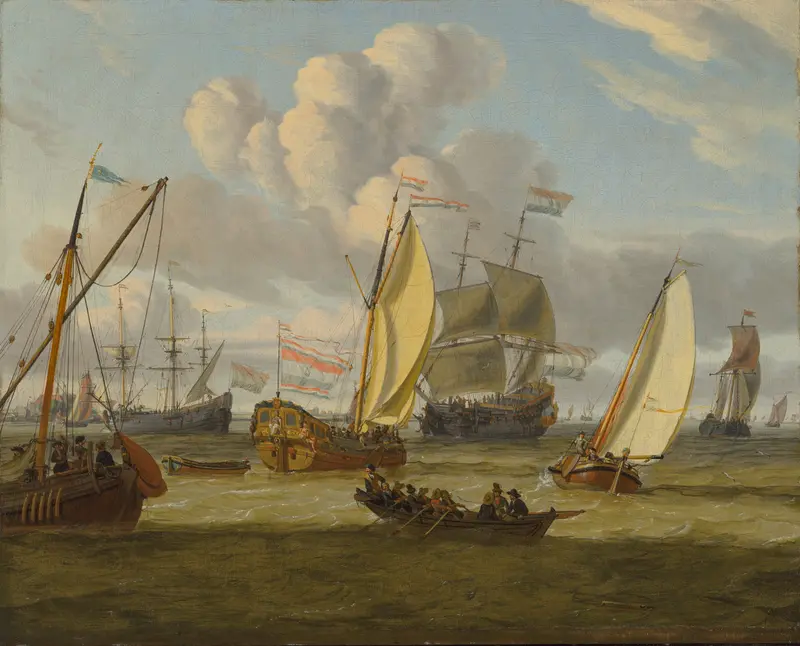
Shipping in an estuary
Abraham Storck
Grand navire de la couronne du Danemark près d’un littoral
Abraham Storck





