
Castle by the sea & murder in the castle garden — History & Facts
A brisk wind stirs the trees as shadows stretch across the moonlit garden. Tension hangs in the air, palpable and thick, as figures linger just beyond the castle walls, their movements cautious and furtive. A haunting silence permeates, broken only by the gentle lapping of waves against the rocks below, hinting at an unseen danger lurking beneath the surface. Look to the left at the ominous presence of the castle, its turrets reaching toward the sky, silhouetted against the night.
The cool blues and muted grays of the scene create a haunting atmosphere, while the flickering candlelight in the windows offers a glimpse of life inside. Focus on the garden below, where twisted vines and dark foliage envelop hidden secrets, suggesting both beauty and dread. The contrast of light and dark in Böcklin's palette evokes a sense of foreboding, drawing the viewer into the heart of the intrigue. Within this work lies a profound yearning—an exploration of desire shadowed by threat.
The castle stands as a symbol of both sanctuary and entrapment, representing the duality of longing for safety while facing the inevitable specter of mortality. The figures, cloaked in mystery, embody the tension between hope and despair, their presence hinting at a narrative that demands to be unraveled. Each brushstroke invites reflection on the choices we make in the face of danger and desire. In 1859, Arnold Böcklin painted Castle by the Sea and Murder in the Castle Garden during a time when he was deeply engaged with themes of myth and symbolism.
Living in Switzerland, Böcklin's artistic vision was influenced by the Romantic movement, which emphasized emotion and the sublime. The painting emerged amid an era where artists began exploring darker narratives, reflecting a growing fascination with the psychological complexities of the human experience.
More Artworks by Arnold Böcklin
Browse all →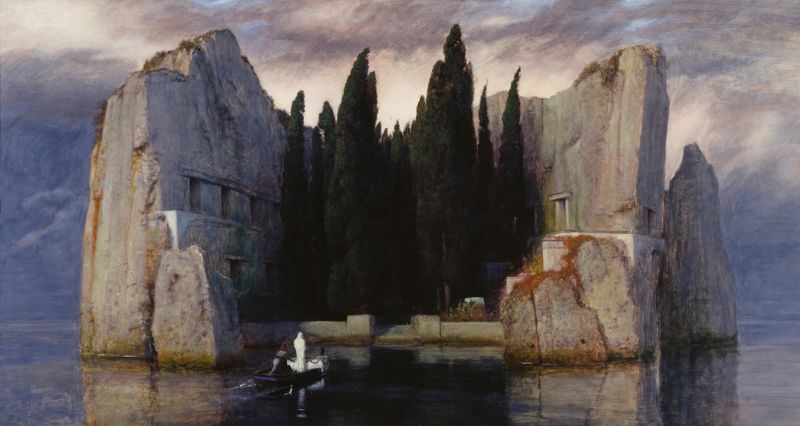
Die Toteninsel III
Arnold Böcklin
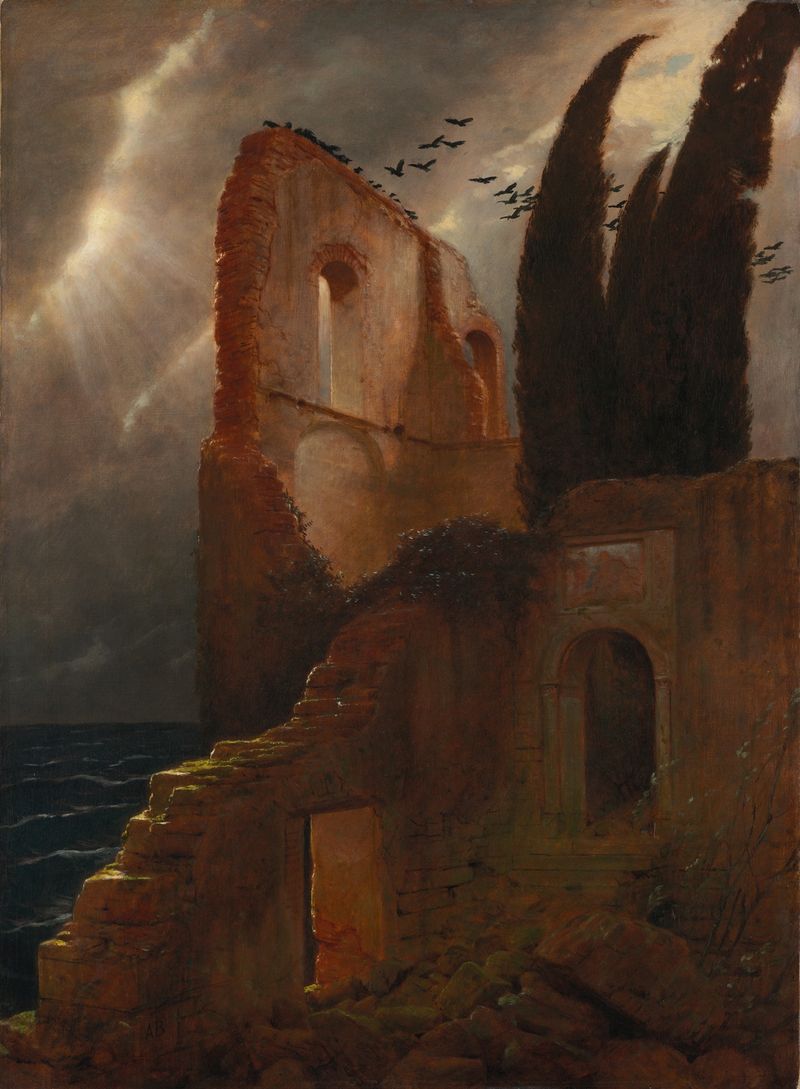
Ruin by the Sea
Arnold Böcklin
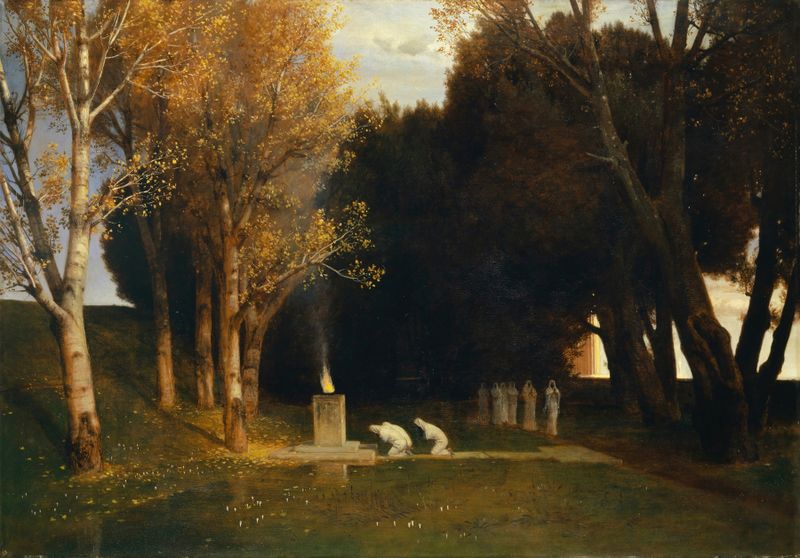
The Sacred Grove
Arnold Böcklin
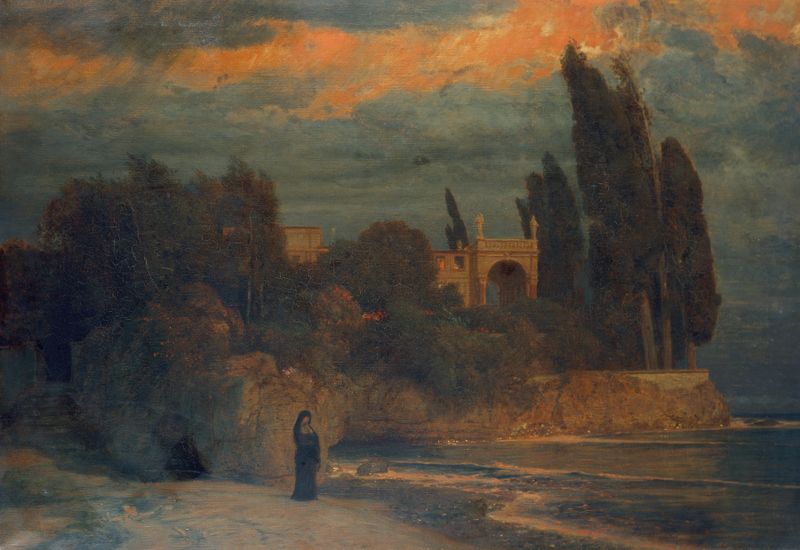
Villa by the Sea
Arnold Böcklin
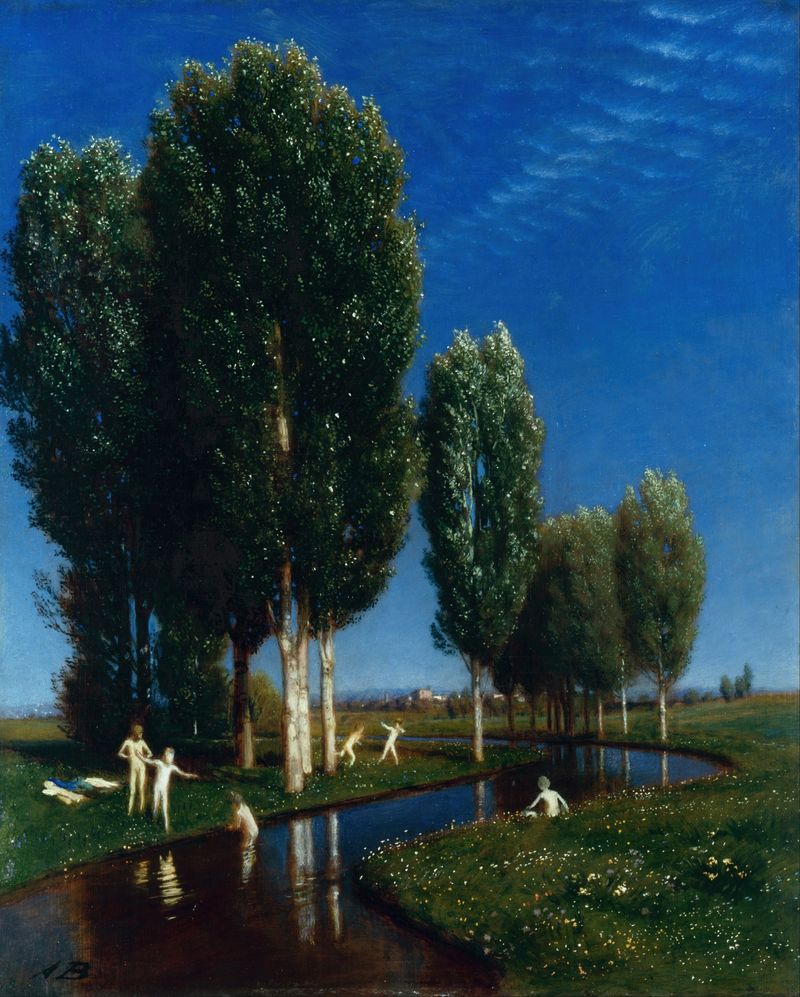
Summer Day
Arnold Böcklin
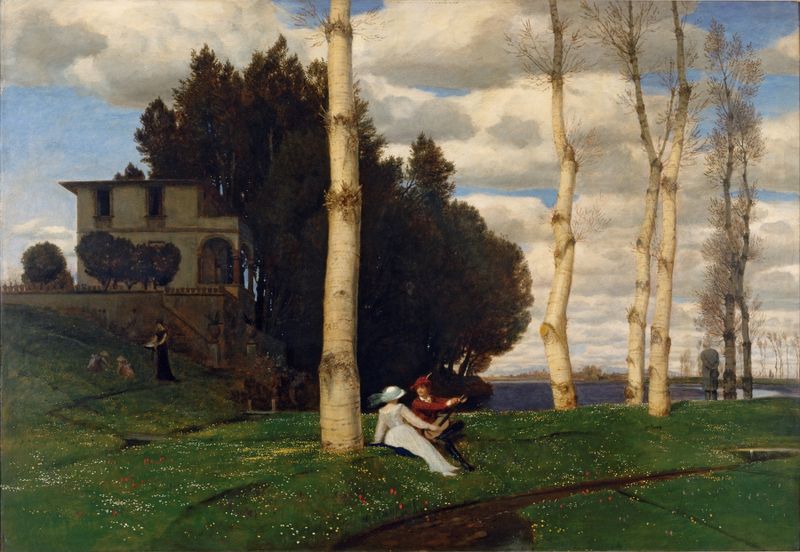
Spring Day (The Three Life Ages)
Arnold Böcklin
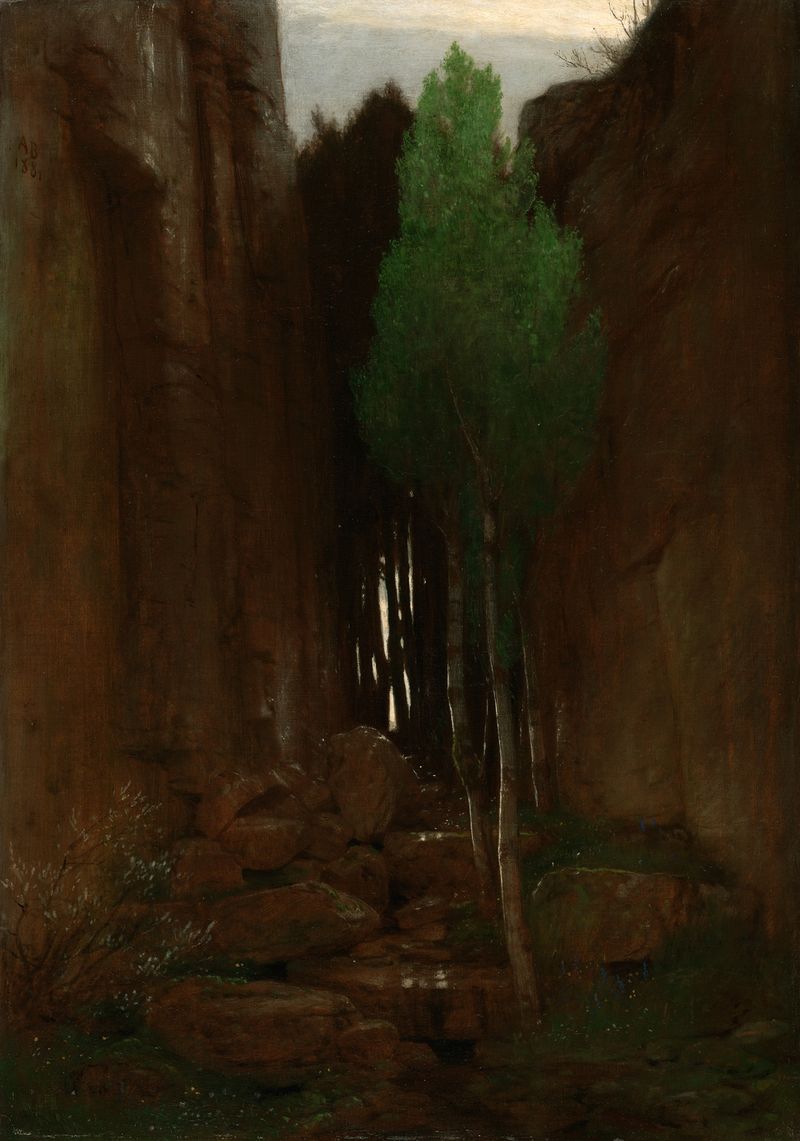
Spring in a Narrow Gorge (Quell in einer Felsschluct)
Arnold Böcklin
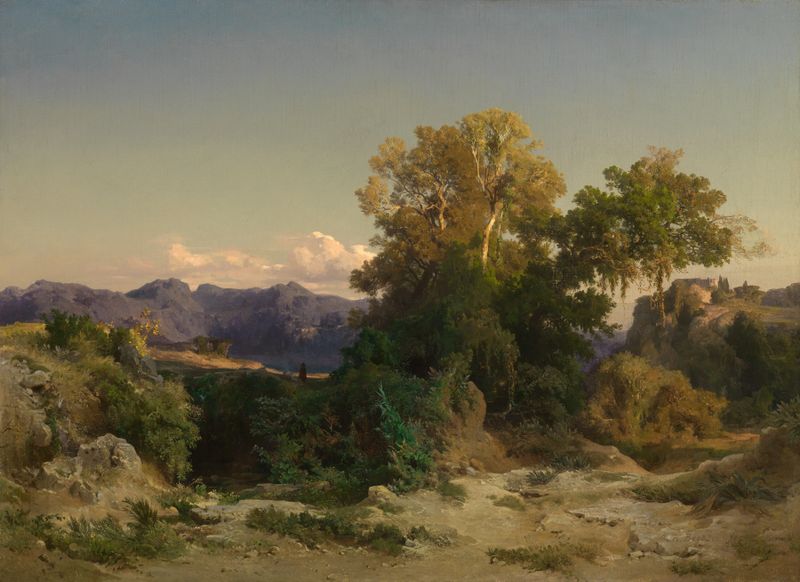
Landscape in the Roman Campagna
Arnold Böcklin
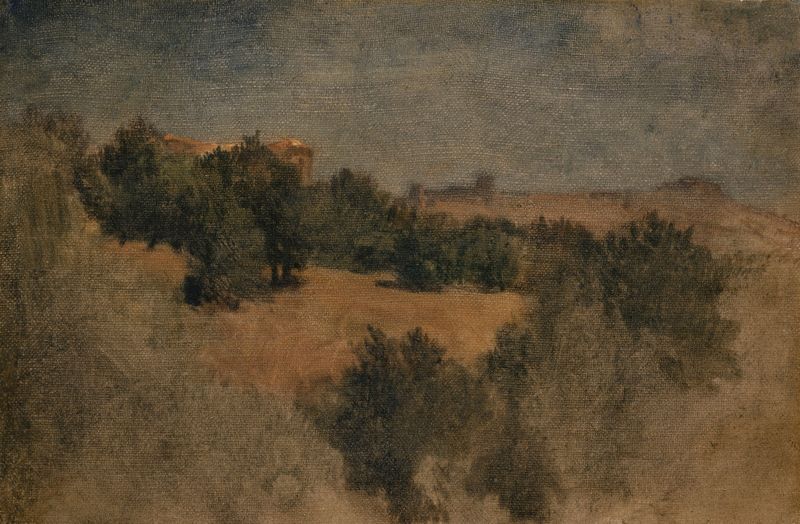
Landscape near Palestrina
Arnold Böcklin
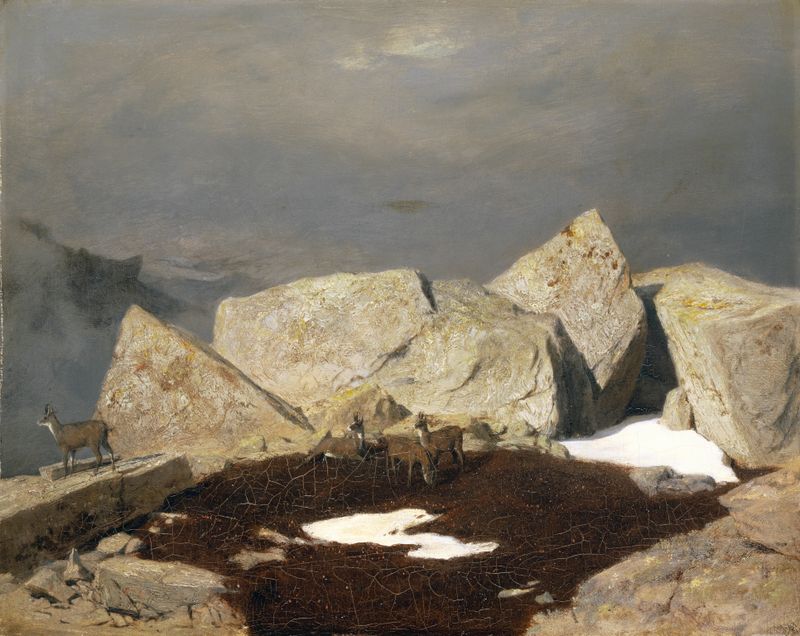
High Mountain Landscape With Chamois
Arnold Böcklin





