
Cataract on the Llugwy — History & Facts
What secret hides in the quiet of the canvas? Beneath the serene surface of Cataract on the Llugwy, chaos lurks, waiting to be unveiled. Look to the center, where the rushing water cascades with frenetic energy, its frothy white tips contrasted against the deep greens and browns of the surrounding foliage. The artist masterfully employs light and shadow to guide your gaze, creating a dynamic interplay between the turbulent stream and the tranquility of the riverbanks. Notice how the delicate brushstrokes capture the movement of the water, imbuing the scene with both urgency and a sense of natural beauty.
This tension invites contemplation, drawing the viewer deeper into the landscape. Yet, amidst this visually striking chaos, one can find contrasting elements that speak to life's duality. The relentless force of the cataract symbolizes nature's indifference, while the serene trees at the edges stand as silent witnesses to the tumult. The color palette oscillates between vibrant greens and shadowy tones, reflecting the ever-present conflict between harmony and disorder.
It whispers of the sublime, where beauty and peril coexist in every droplet and leaf. In 1805, while living in England, de Loutherbourg created this piece during a period of artistic exploration and innovation. As a painter influenced by Romantic ideals, he sought to capture the emotional intensity of nature, a response to the rapid industrial changes happening around him. This painting reflects his fascination with the sublime, representing a moment when the natural world still held mystery, rife with both chaos and beauty.
More Artworks by Philip James de Loutherbourg
Browse all →
Iron Works, Colebrook Dale
Philip James de Loutherbourg
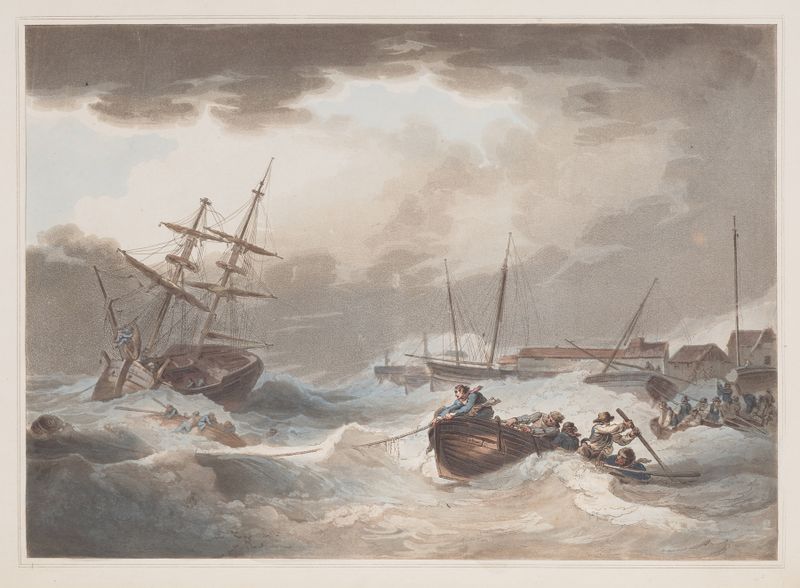
Storm off Margate
Philip James de Loutherbourg
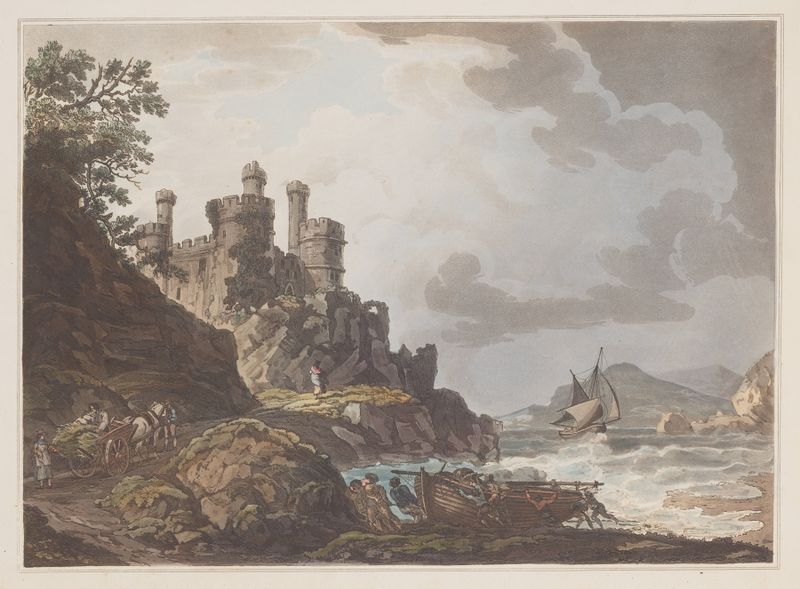
Conway Castle
Philip James de Loutherbourg
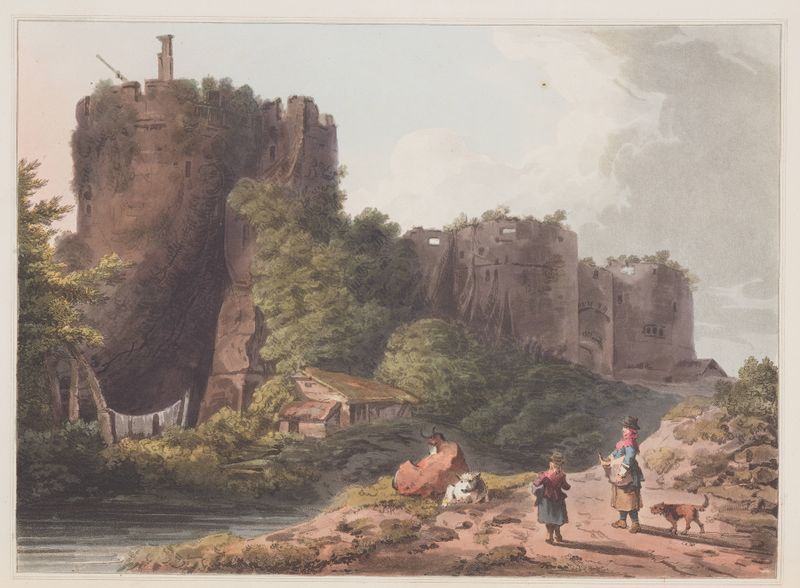
Chepstow Castle in Monmouthshire
Philip James de Loutherbourg

Tintern Abbey
Philip James de Loutherbourg
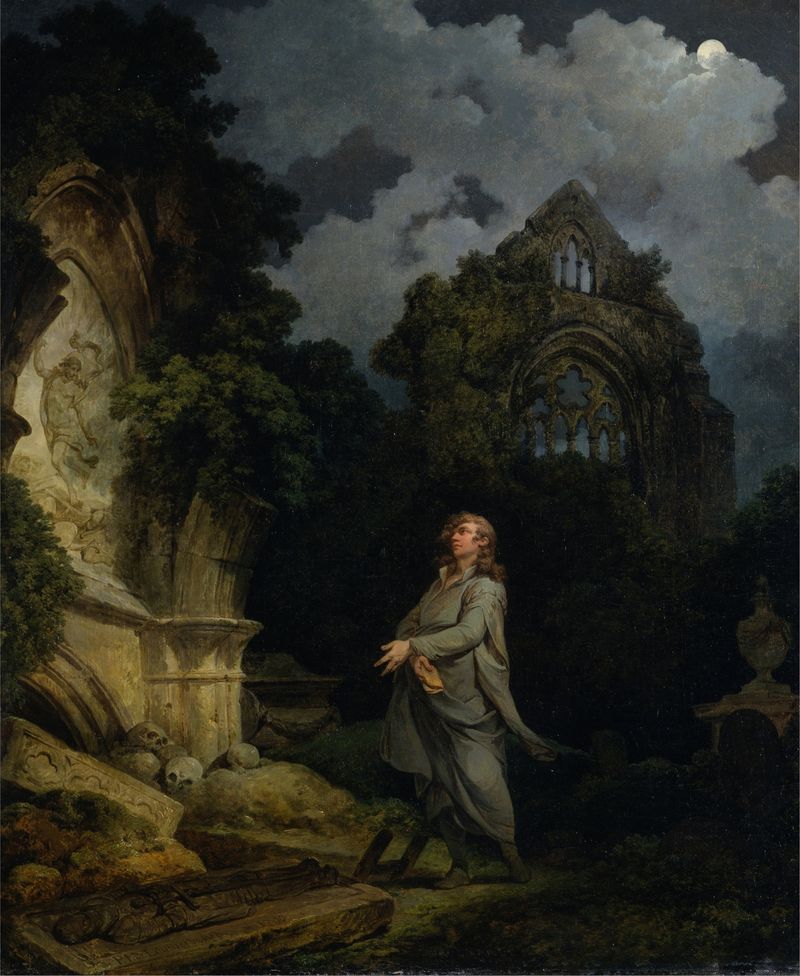
Visitor to a Moonlit Churchyard
Philip James de Loutherbourg

A Storm at the Entrance of a Mediterranean Port
Philip James de Loutherbourg
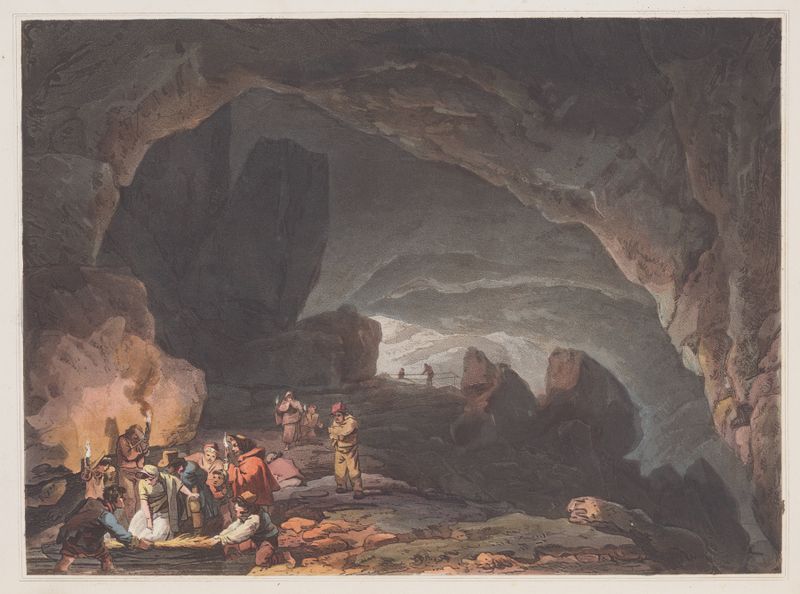
Peak’s Hole, Derbyshire
Philip James de Loutherbourg
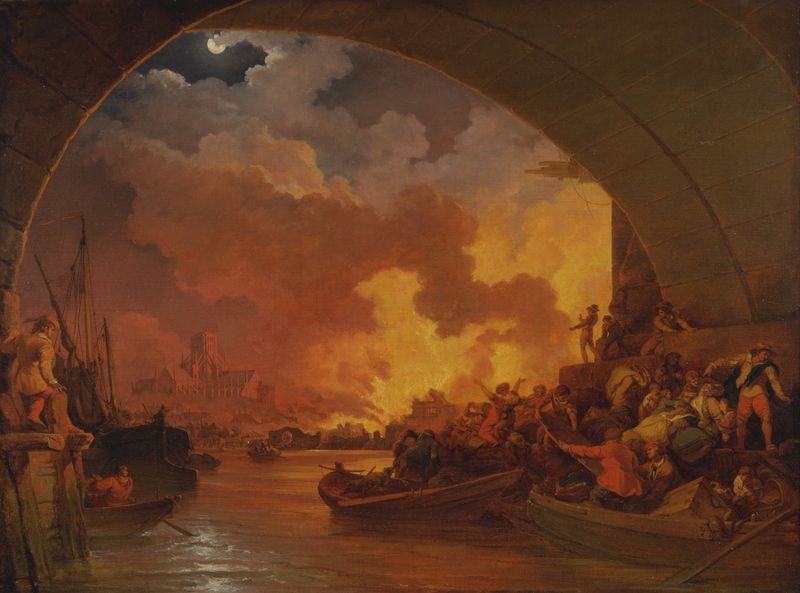
The Great Fire of London
Philip James de Loutherbourg
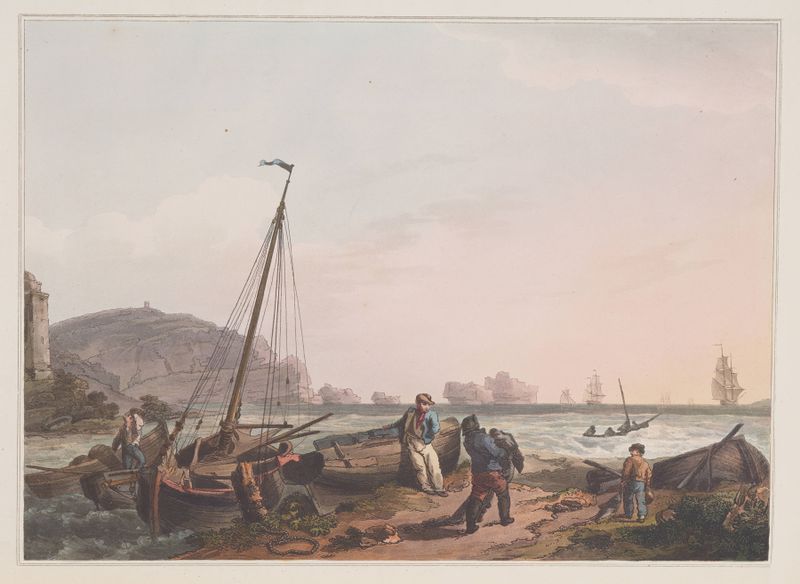
The Needles. Isle of Wight
Philip James de Loutherbourg





