
Storm off Margate — History & Facts
In the presence of Storm off Margate, beauty unfolds, revealing not just the chaos of nature but an emotional landscape that resonates deeply. Look to the tumultuous sky, where dark, swirling clouds dominate the upper portion of the canvas. The rich palette of deep blues and grays creates an almost palpable tension, drawing your gaze to the horizon where the tumult meets the tranquil sea. Notice how the sunlight breaks through in fierce beams, casting an ethereal glow on the cresting waves, illustrating the clash between light and dark that defines the moment.
The artist's brushwork captures both the fury of the storm and the serenity of the water, embodying a struggle that is at once dynamic and beautiful. Delve deeper into the vessel battling the storm, a fragile representation of human resilience against nature's overwhelming force. The figures aboard communicate urgency and fear, yet the ship’s struggle can also symbolize perseverance in the face of adversity. The juxtaposition of the tumultuous sea against the delicate figure of the boat evokes both vulnerability and strength.
Each wave, toppling over the others, mirrors the emotional undercurrents of the human experience—where beauty coexists with chaos, inviting contemplation. In 1805, while residing in London, the artist was inspired by the Romantic movement's emphasis on emotion and the sublime in nature. At this time, de Loutherbourg was exploring innovative techniques in landscape painting, incorporating dramatic contrasts and intense natural phenomena. The world was witnessing profound changes, both industrially and socially, and this painting captures a moment that resonates with the unpredictable nature of existence itself.
More Artworks by Philip James de Loutherbourg
Browse all →
Iron Works, Colebrook Dale
Philip James de Loutherbourg
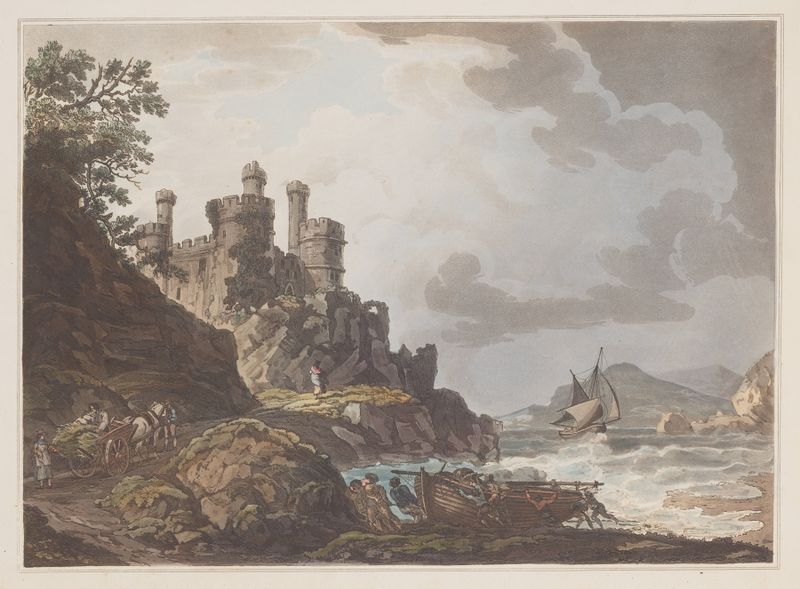
Conway Castle
Philip James de Loutherbourg
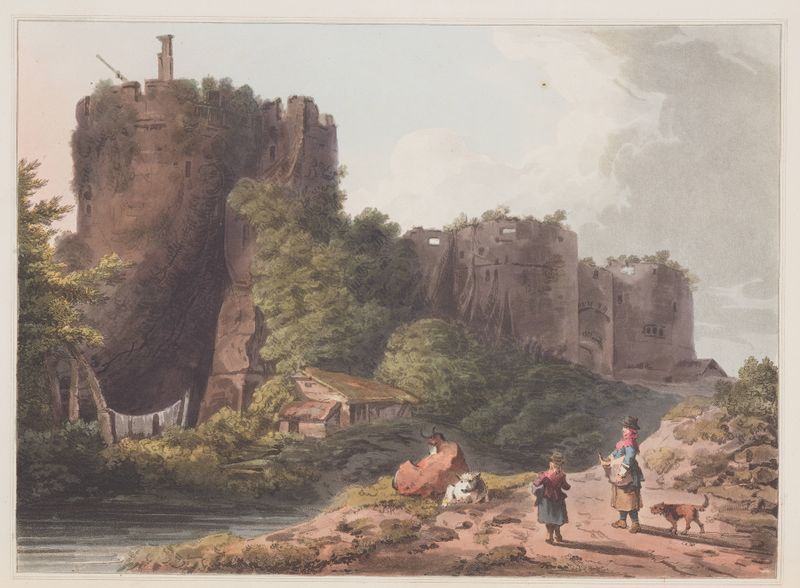
Chepstow Castle in Monmouthshire
Philip James de Loutherbourg
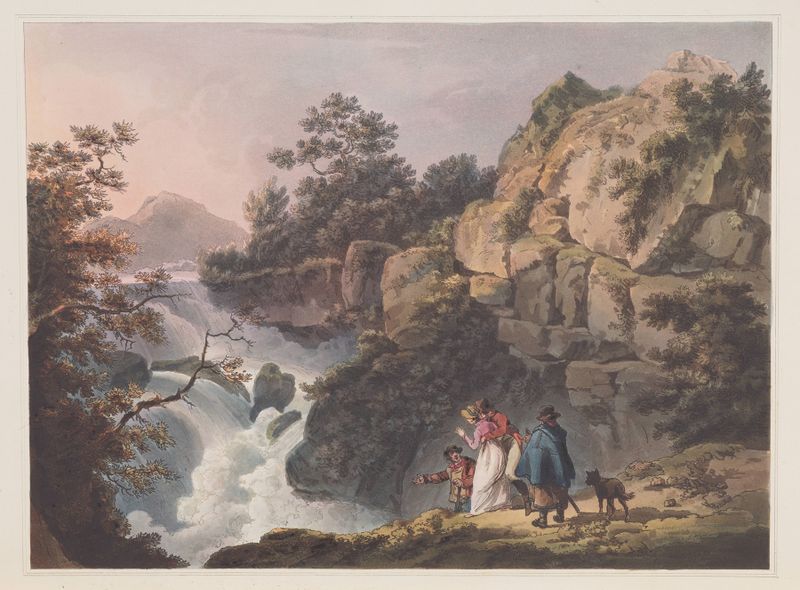
Cataract on the Llugwy
Philip James de Loutherbourg

Tintern Abbey
Philip James de Loutherbourg
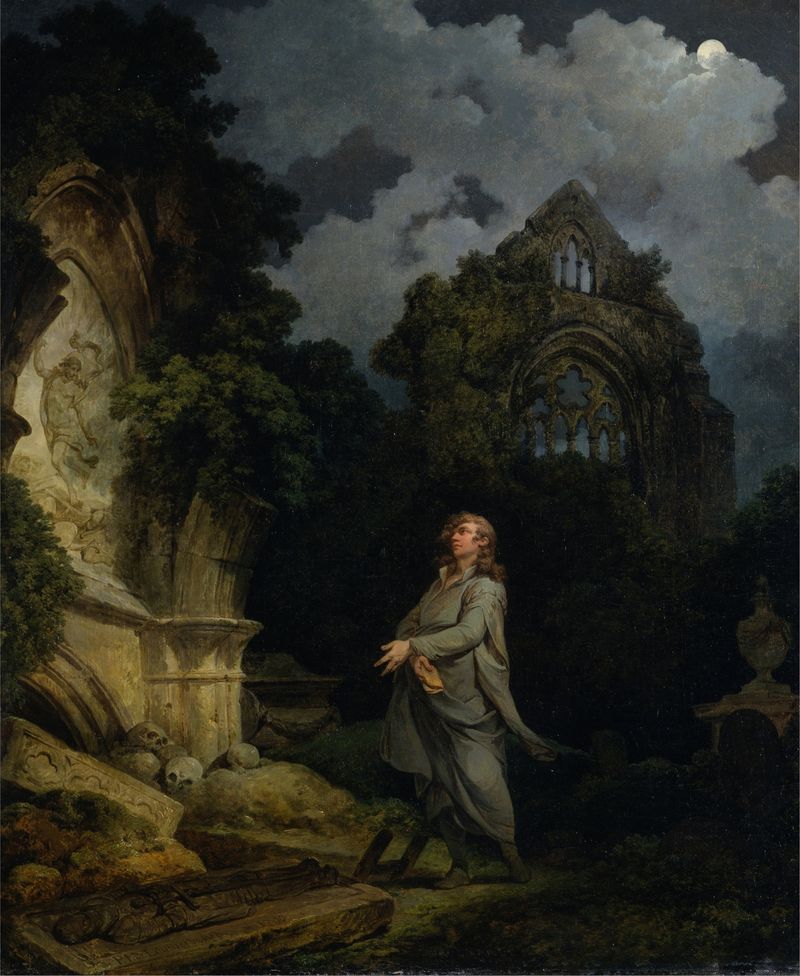
Visitor to a Moonlit Churchyard
Philip James de Loutherbourg

A Storm at the Entrance of a Mediterranean Port
Philip James de Loutherbourg
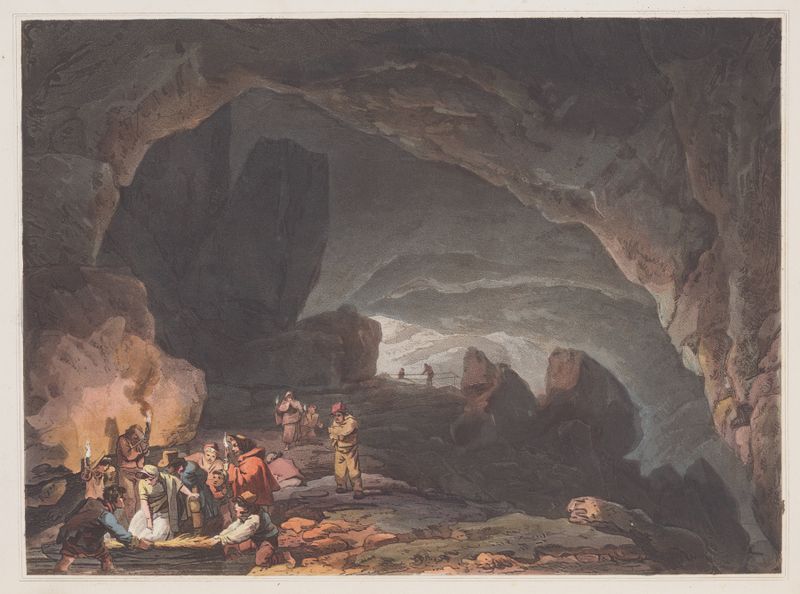
Peak’s Hole, Derbyshire
Philip James de Loutherbourg
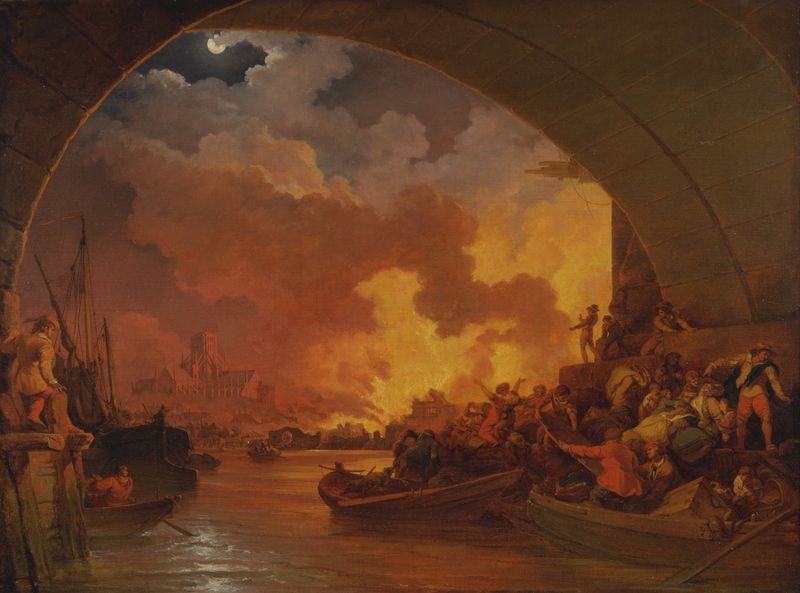
The Great Fire of London
Philip James de Loutherbourg
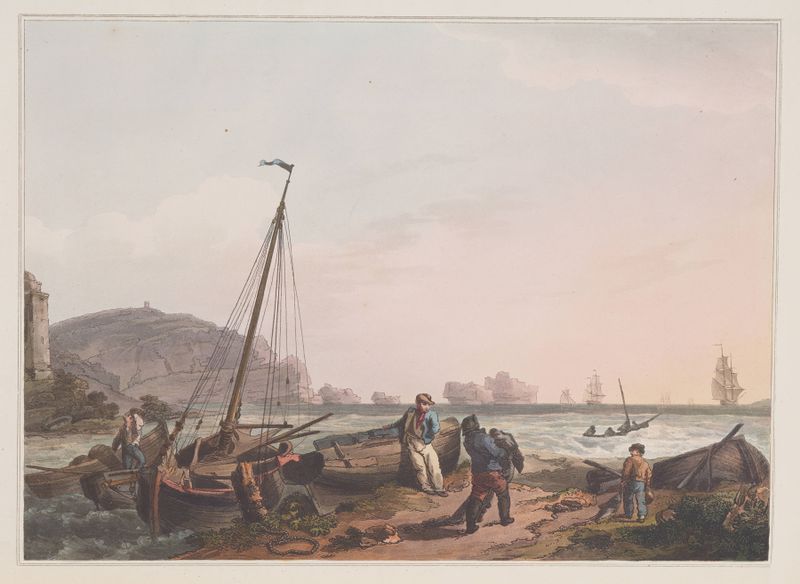
The Needles. Isle of Wight
Philip James de Loutherbourg





