
Conway Castle — History & Facts
Is this a mirror — or a memory? The essence of nostalgia seeps through the canvas, evoking a longing for what once was. Look to the left at the majestic silhouette of Conway Castle, its ancient stones bathed in the soft glow of twilight. The subtle hues of ochre and blue entwine, transforming the scene into a dreamlike landscape. Notice how the light dances across the water, reflecting the architecture and sky in a harmonious embrace.
Each brushstroke reveals the artist's meticulous attention to detail, drawing the viewer into a world where time seems to linger. Hidden within the canvas lies a tension between permanence and transience. The castle stands firm, a testament to history, while the still water suggests fleeting moments that slip through our fingers. The interplay of light and shadow creates a sense of melancholy, inviting reflection on the passage of time and the remnants of memory.
The wisps of clouds overhead echo a longing for clarity in an ever-changing world, hinting at the transient nature of both life and art. In 1805, the artist painted this piece during a time of exploration and innovation in the Romantic movement. Living in London, he was inspired by the sublime beauty of the British landscape, reflecting a growing fascination with nature and the past. This work embodies a moment of personal and artistic evolution, as the artist sought to capture not just a place, but a feeling — bridging the gap between memory and reality.
More Artworks by Philip James de Loutherbourg
Browse all →
Iron Works, Colebrook Dale
Philip James de Loutherbourg
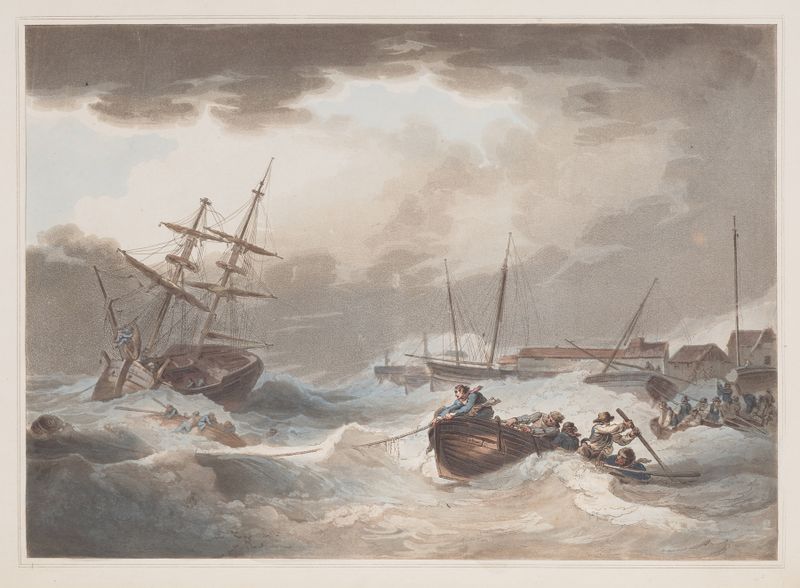
Storm off Margate
Philip James de Loutherbourg
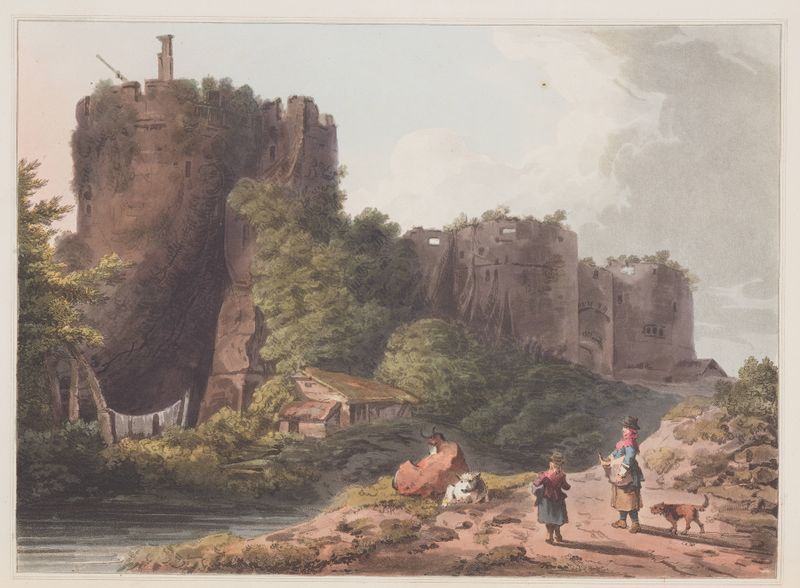
Chepstow Castle in Monmouthshire
Philip James de Loutherbourg
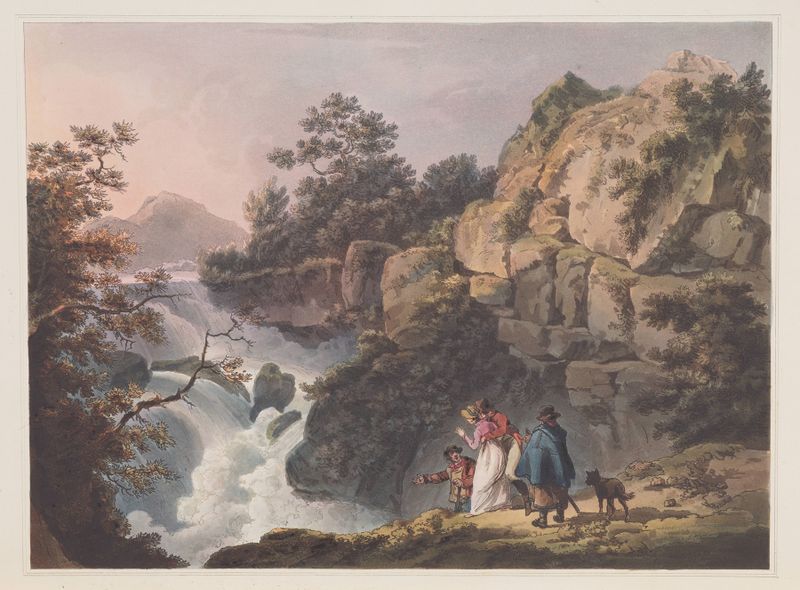
Cataract on the Llugwy
Philip James de Loutherbourg

Tintern Abbey
Philip James de Loutherbourg
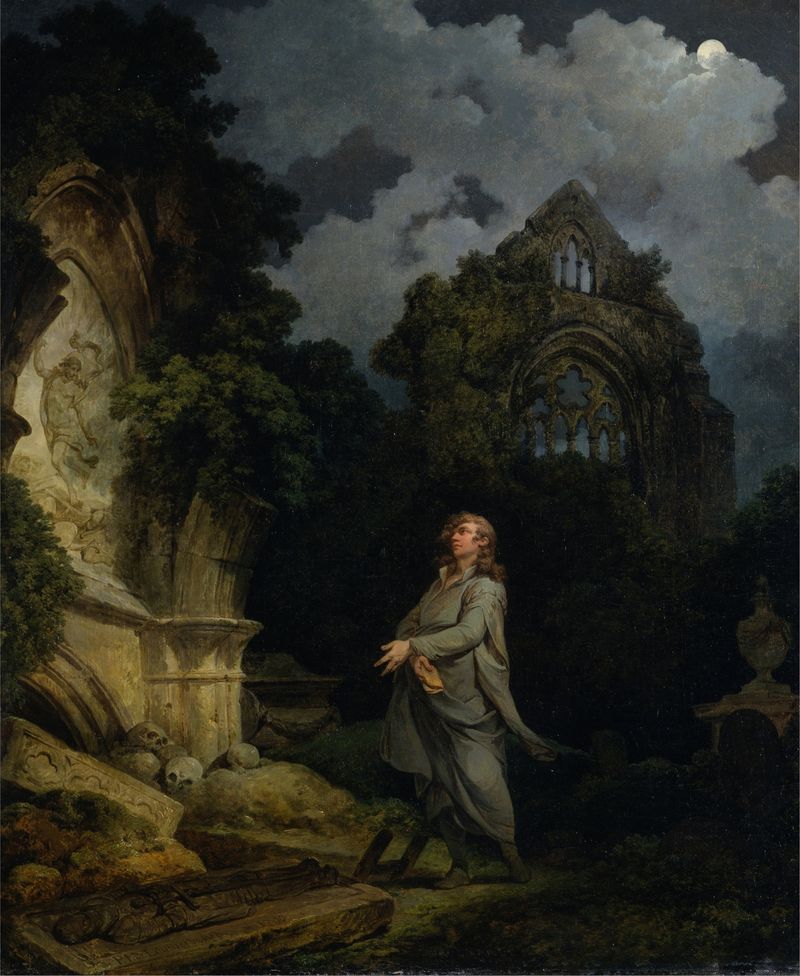
Visitor to a Moonlit Churchyard
Philip James de Loutherbourg

A Storm at the Entrance of a Mediterranean Port
Philip James de Loutherbourg
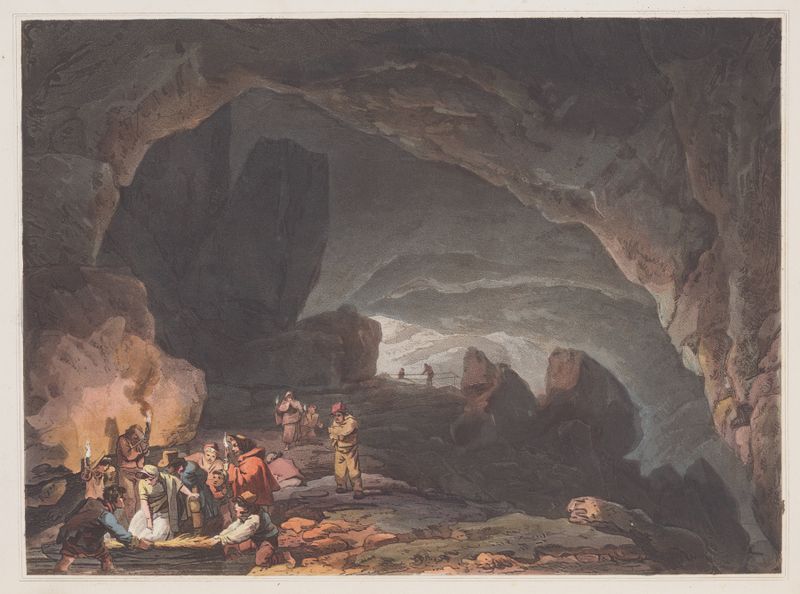
Peak’s Hole, Derbyshire
Philip James de Loutherbourg
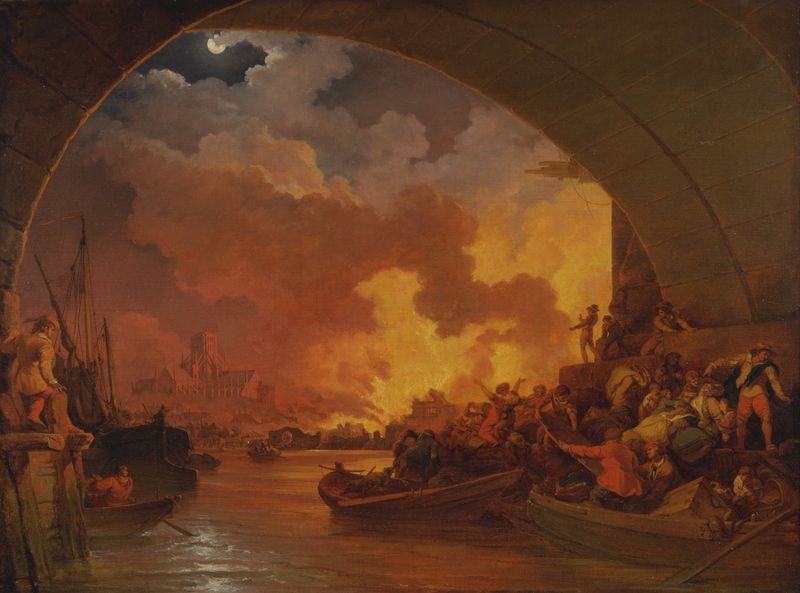
The Great Fire of London
Philip James de Loutherbourg
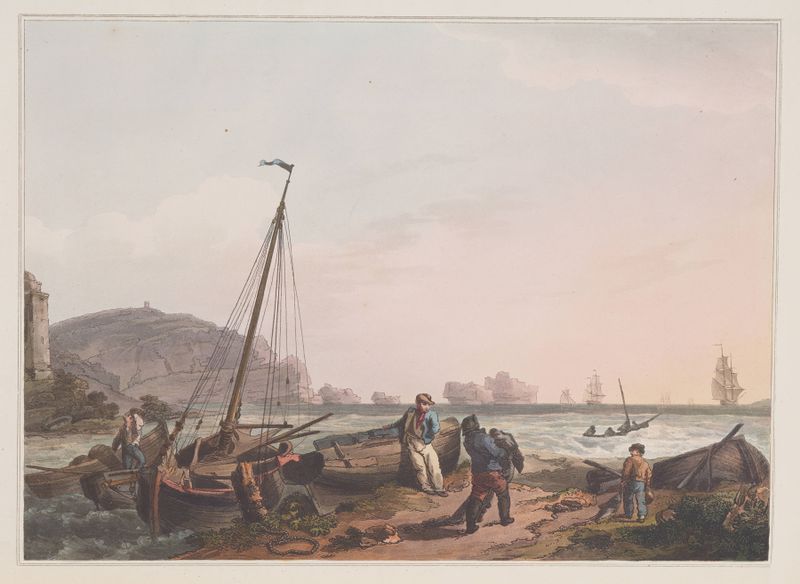
The Needles. Isle of Wight
Philip James de Loutherbourg





