
A Storm at the Entrance of a Mediterranean Port — History & Facts
Silence envelops the tumultuous scene, inviting us to witness the dance of nature's fury and human endurance. The elements clash, yet within this turmoil lies a profound stillness that beckons introspection. Focus on the swirling clouds above, where deep blues and foreboding grays dominate the sky, contrasting with the gentle greens of the distant landscape. To the left, the port's structures struggle beneath the mounting pressure of the wind, their outlines barely holding against the tempest.
Notice how the sunlight breaks through the clouds, illuminating the churning waves and casting a brilliant sheen on the water, suggesting a glimmer of hope amid the chaos. Beneath the surface, tension unfolds between nature's might and humanity's vulnerability. The boats, caught in the storm’s grasp, embody the struggle against overwhelming odds, their sails billowing like the wings of desperate birds. The juxtaposition of the violent, dynamic sky against the solid, unyielding structures of the port emphasizes the fragility of human ambition when faced with nature’s wrath. In 1768, the artist worked in England, having fled the tumult of the French Revolution.
The burgeoning Romantic movement was stirring across Europe, focusing on emotion and the sublime power of nature. This work reflects that shift, offering a dramatic interpretation of a Mediterranean tempest, showcasing both the artist's mastery of light and his deepening exploration of human experience in relation to the natural world.
More Artworks by Philip James de Loutherbourg
Browse all →
Iron Works, Colebrook Dale
Philip James de Loutherbourg
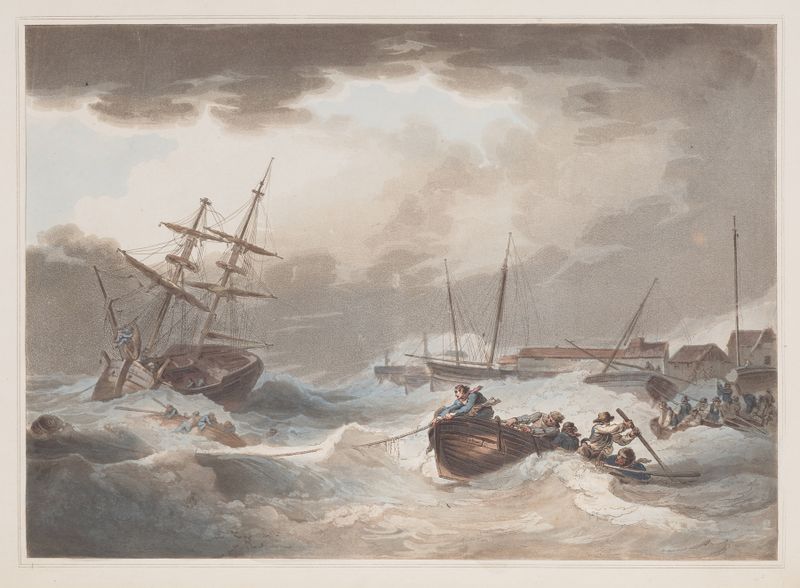
Storm off Margate
Philip James de Loutherbourg
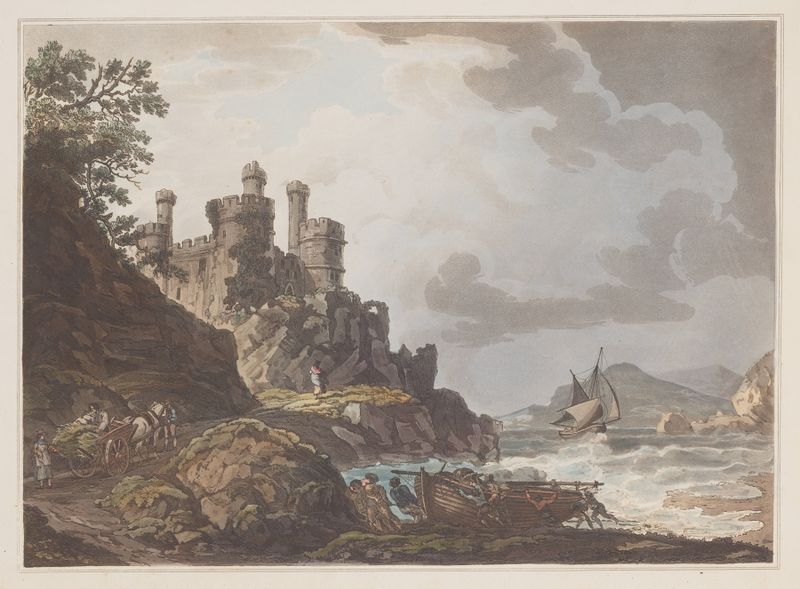
Conway Castle
Philip James de Loutherbourg
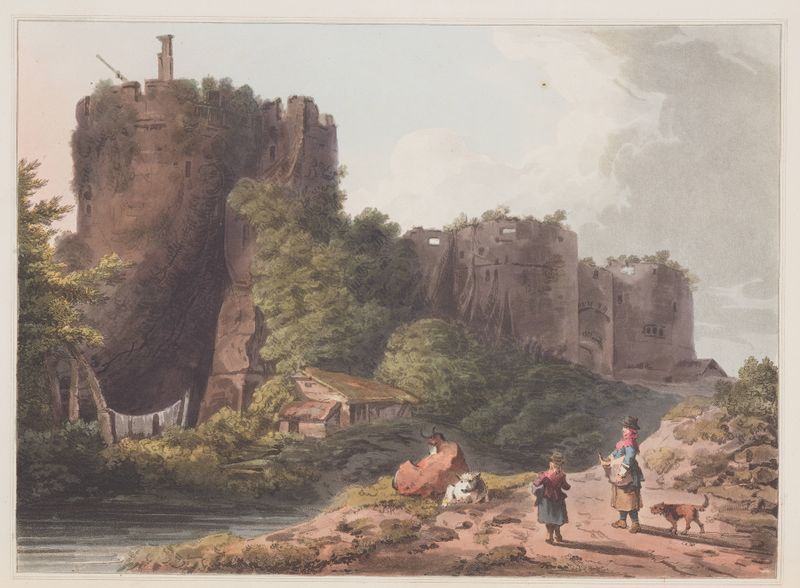
Chepstow Castle in Monmouthshire
Philip James de Loutherbourg
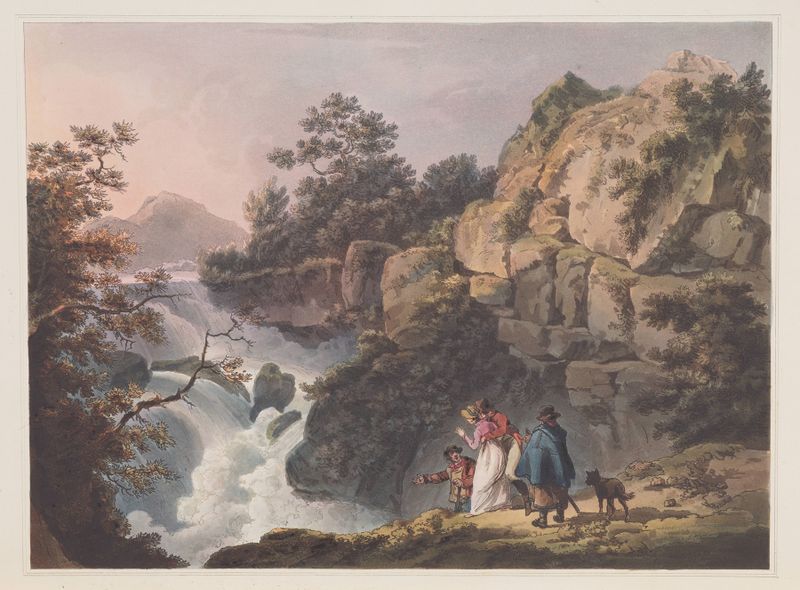
Cataract on the Llugwy
Philip James de Loutherbourg

Tintern Abbey
Philip James de Loutherbourg
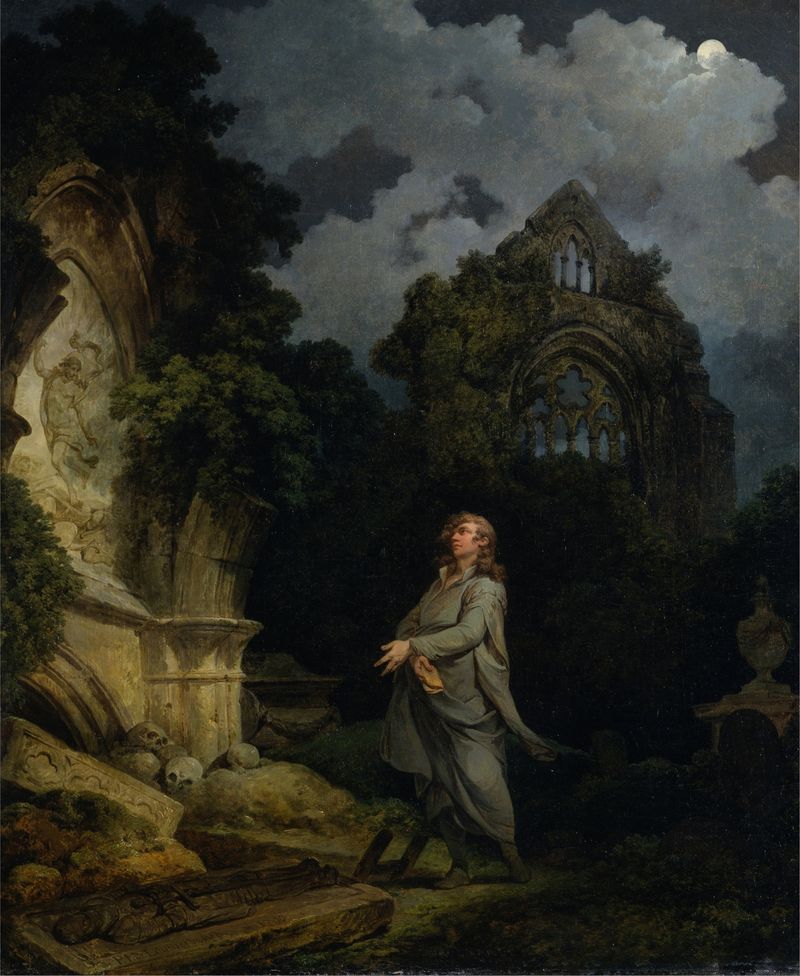
Visitor to a Moonlit Churchyard
Philip James de Loutherbourg
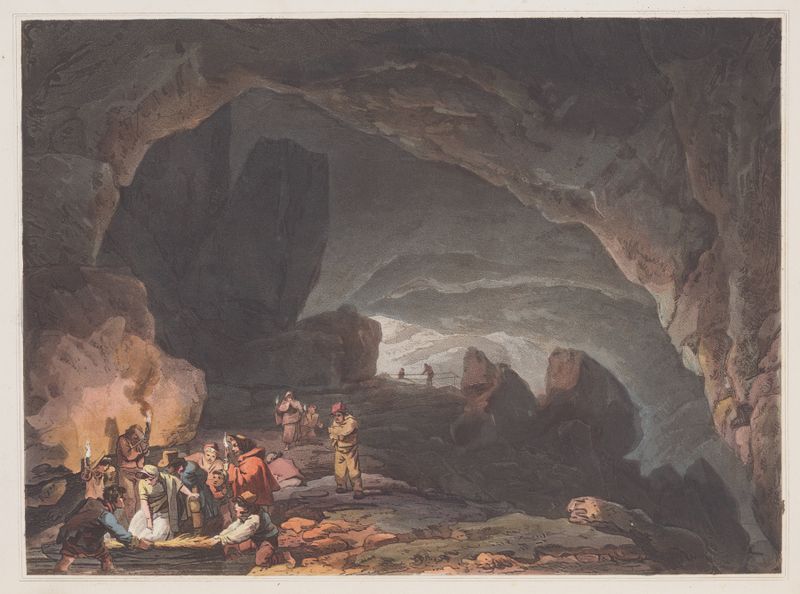
Peak’s Hole, Derbyshire
Philip James de Loutherbourg
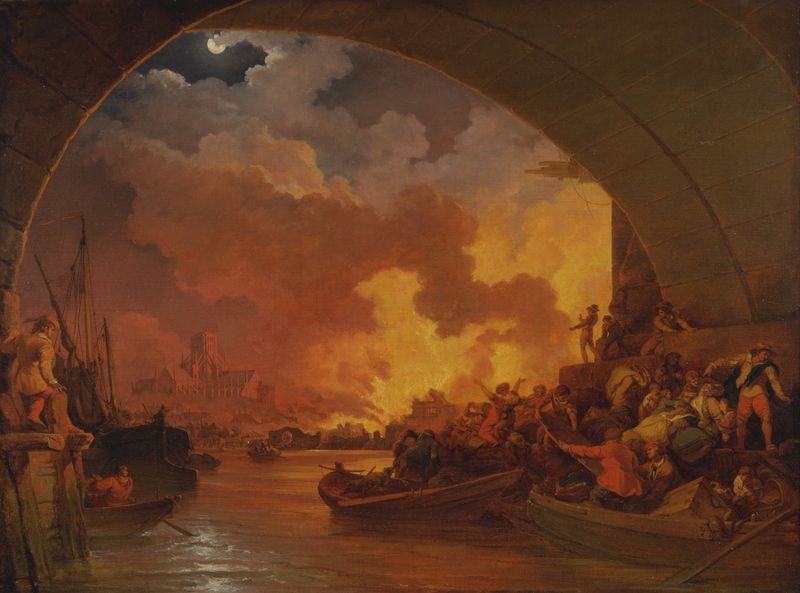
The Great Fire of London
Philip James de Loutherbourg
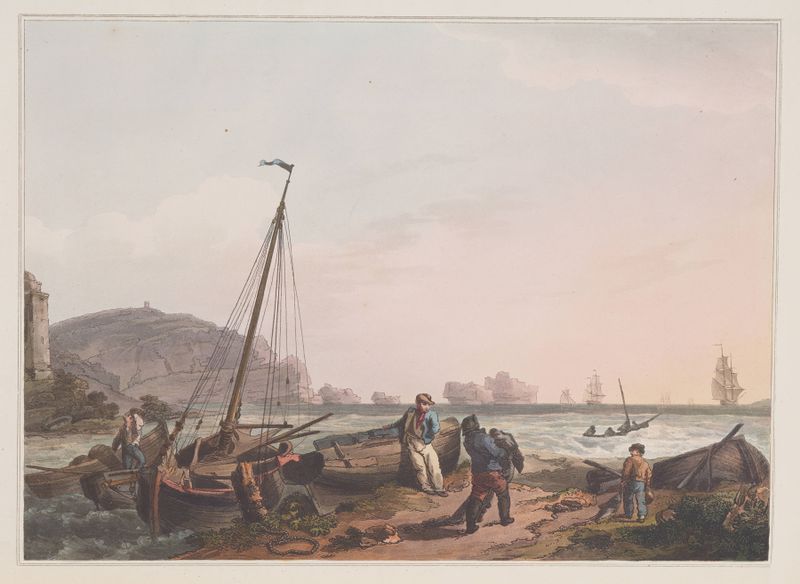
The Needles. Isle of Wight
Philip James de Loutherbourg





