
Visitor to a Moonlit Churchyard — History & Facts
A figure stands beneath the luminous glow of the moon, cloaked in shadows that stretch into the night. Tall gravestones punctuate the landscape, their surfaces glistening with the silvery light. The air is thick with a palpable silence, as if the world momentarily holds its breath, allowing the viewer to feel the weight of memory and contemplation. Look to the left where the moon hangs low, its ethereal light spilling over the ancient church, casting delicate patterns on the cobblestones.
Notice the way the trees bend slightly in the night breeze, their leaves whispering secrets long forgotten. The interplay of deep blues and soft whites creates a dreamlike quality, drawing the eye toward the distant archway of the church, inviting and foreboding all at once. In the foreground, the solitary figure embodies the essence of reflection; they seem to merge with the shadows, suggesting a profound connection with the past. The stark contrast of the gravestones against the serene backdrop evokes a tension between life and death, presence and absence.
Each stone tells a story, and the visitor, perhaps lost in thought, is both the observer and the observed—a living memory within a landscape steeped in history. The artist crafted this piece during a time when Romanticism was blossoming, a movement that sought to capture the sublime and the emotional depth of human experience. Working in the late 18th century, de Loutherbourg was influenced by both the natural world and the burgeoning gothic revival, reflecting a society grappling with its own memories and legacies. This painting, though undated, resonates with the universal themes of reflection and remembrance that were pivotal in his career.
More Artworks by Philip James de Loutherbourg
Browse all →
Iron Works, Colebrook Dale
Philip James de Loutherbourg
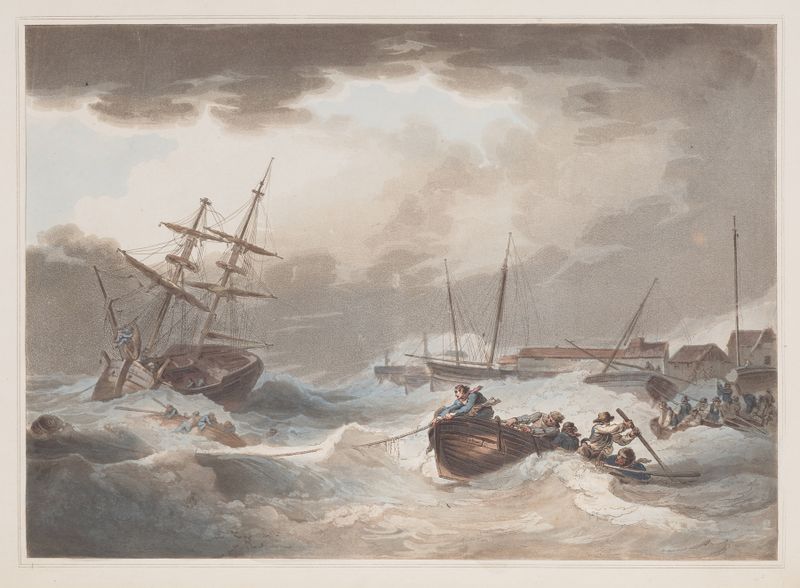
Storm off Margate
Philip James de Loutherbourg
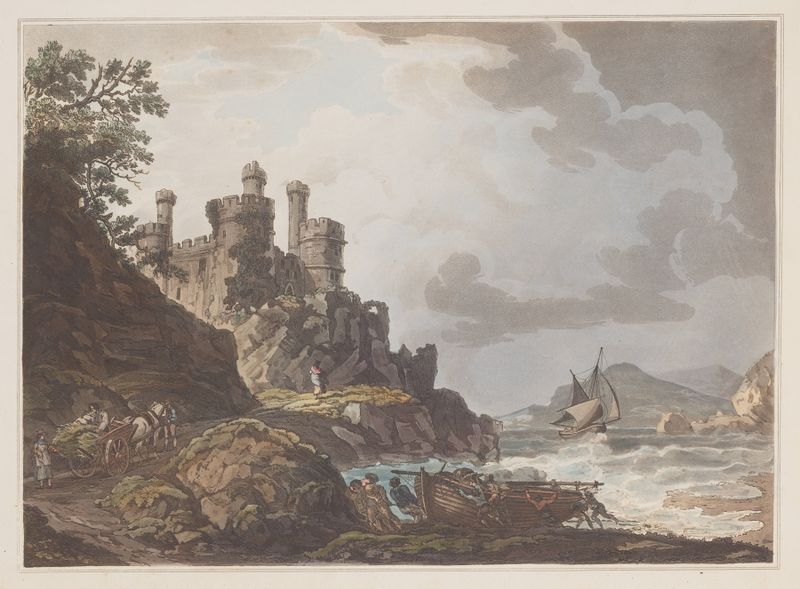
Conway Castle
Philip James de Loutherbourg
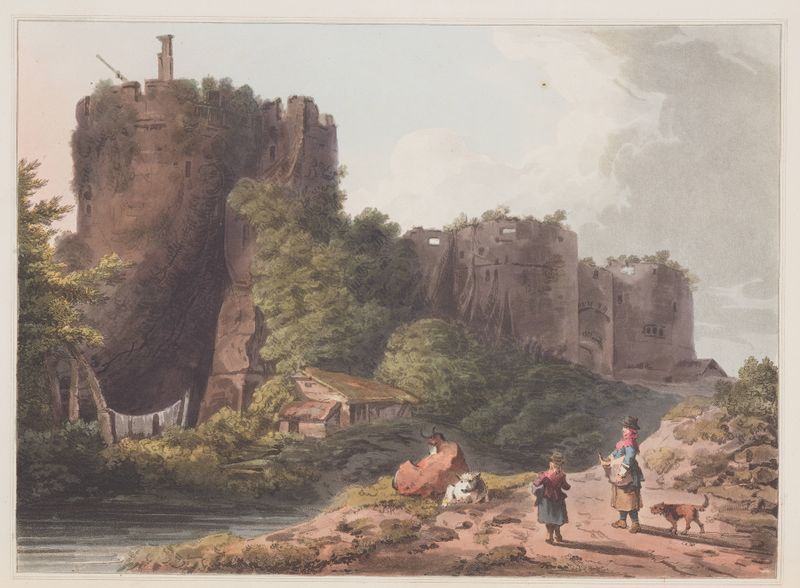
Chepstow Castle in Monmouthshire
Philip James de Loutherbourg
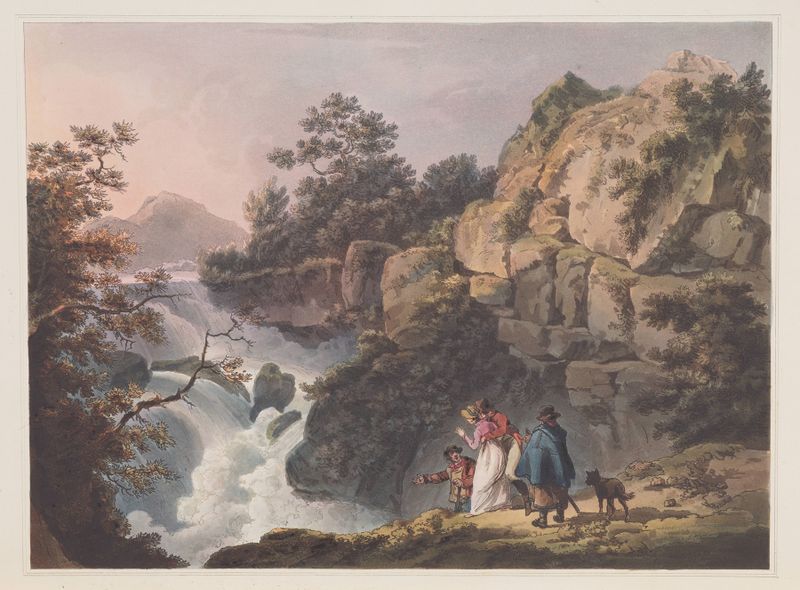
Cataract on the Llugwy
Philip James de Loutherbourg

Tintern Abbey
Philip James de Loutherbourg

A Storm at the Entrance of a Mediterranean Port
Philip James de Loutherbourg
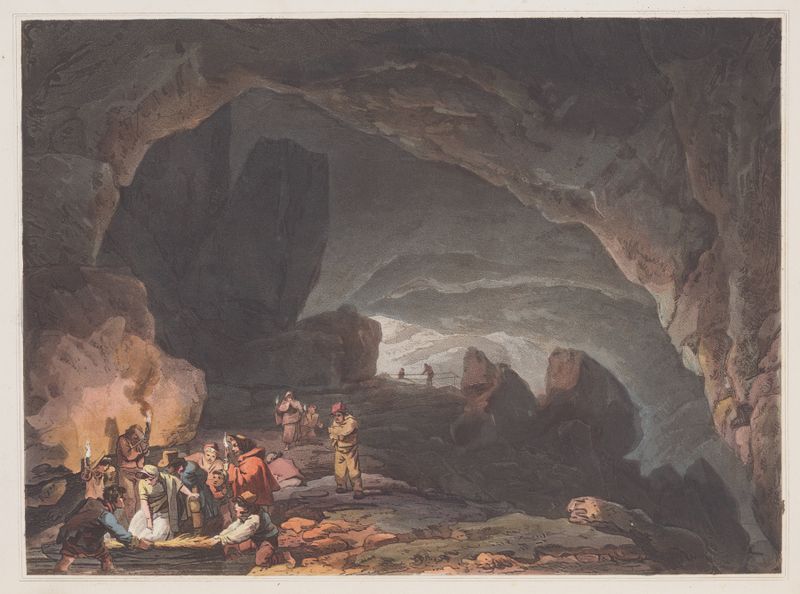
Peak’s Hole, Derbyshire
Philip James de Loutherbourg
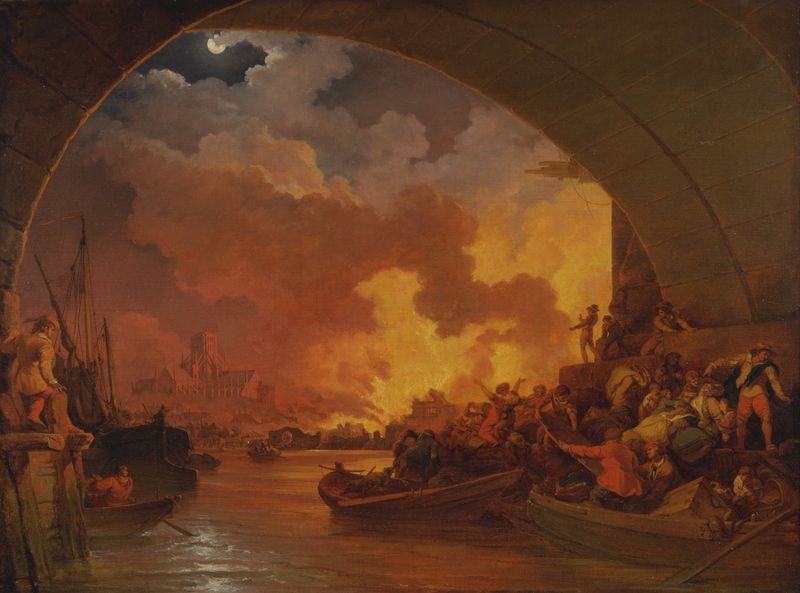
The Great Fire of London
Philip James de Loutherbourg
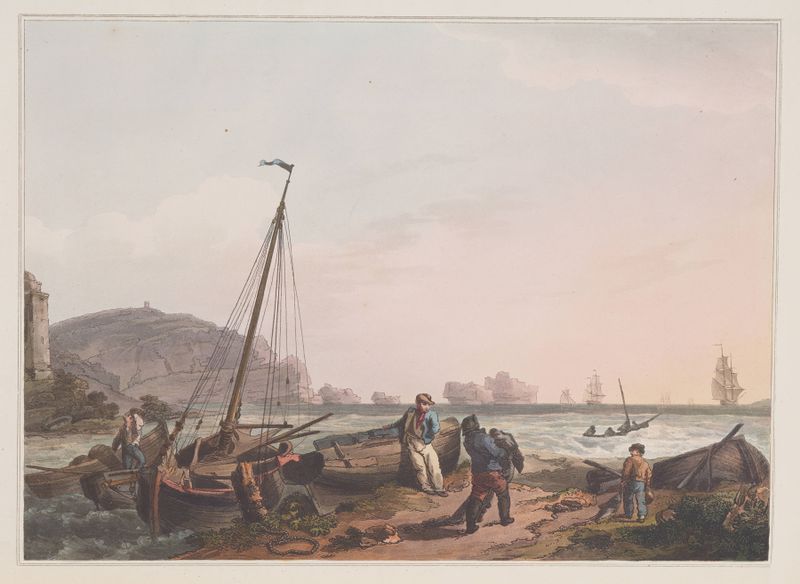
The Needles. Isle of Wight
Philip James de Loutherbourg





