
The Great Fire of London — History & Facts
In the heart of chaos, the specter of mortality looms large, whispering the fragility of existence amidst the blaze. Look closely at the foreground, where anguished figures scramble against the flames, their faces etched with desperation. The artist uses vivid, fiery reds and oranges to evoke the ferocity of the inferno, while the darkened hues of the smoke create a stark contrast, enveloping the scene in a shroud of despair. Notice the architectural details of the buildings, once proud and steadfast, now succumbing to destruction; the devastation enhances the emotional weight, urging the viewer to confront the ephemeral nature of life. In the midst of calamity, there lies a profound commentary on the human condition.
The chaos bespeaks not just a loss of property, but a deeper loss of dreams and safety. The interplay of light and shadow highlights the resilience of the human spirit, even as it faces annihilation. Amidst the horror, the artist captures moments of tenderness—a mother cradling a child, a young man reaching out to a friend—reminders that connection persists even in the darkest of times. In 1797, while living in England, de Loutherbourg created this vivid portrayal during a period rife with social upheaval and industrial change.
The Great Fire of London had left its mark not only on the landscape but also on the collective psyche of its citizens. This painting reflects the anxieties of a society grappling with the fragility of life, a sentiment resonating in the wake of recent tragedies and the relentless march of progress.
More Artworks by Philip James de Loutherbourg
Browse all →
Iron Works, Colebrook Dale
Philip James de Loutherbourg
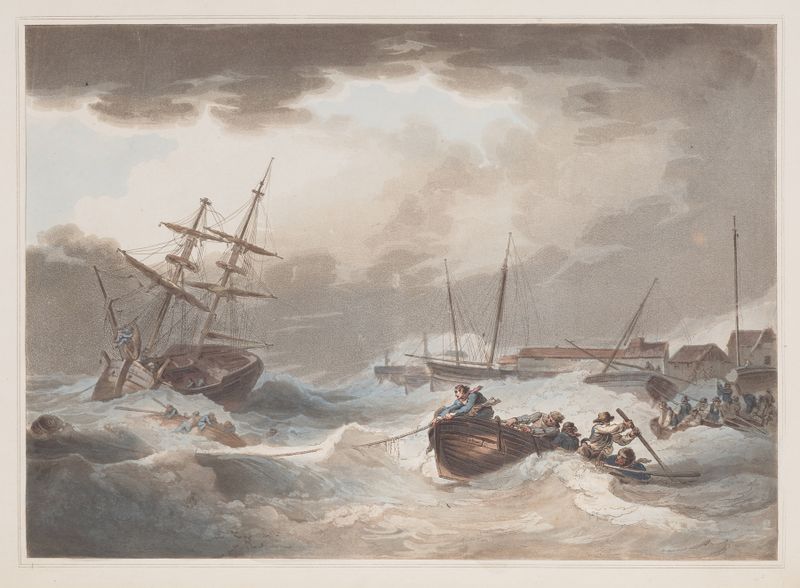
Storm off Margate
Philip James de Loutherbourg
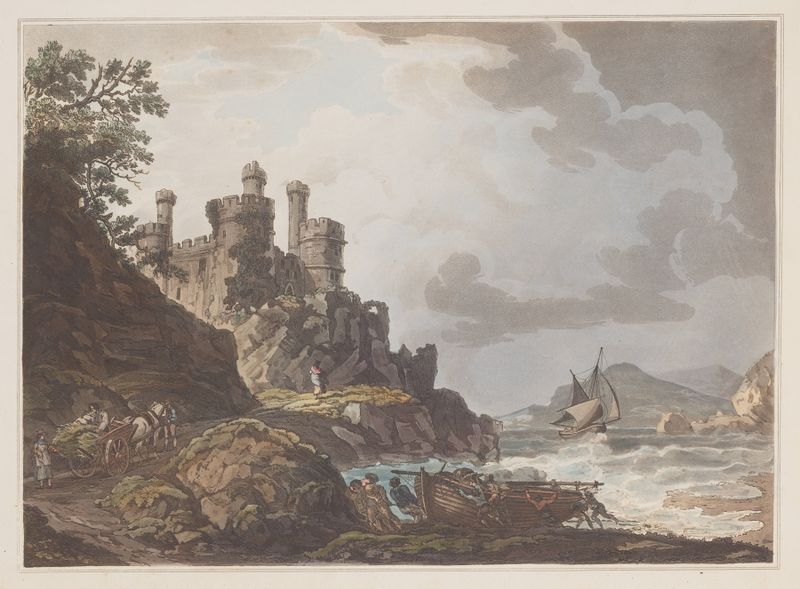
Conway Castle
Philip James de Loutherbourg
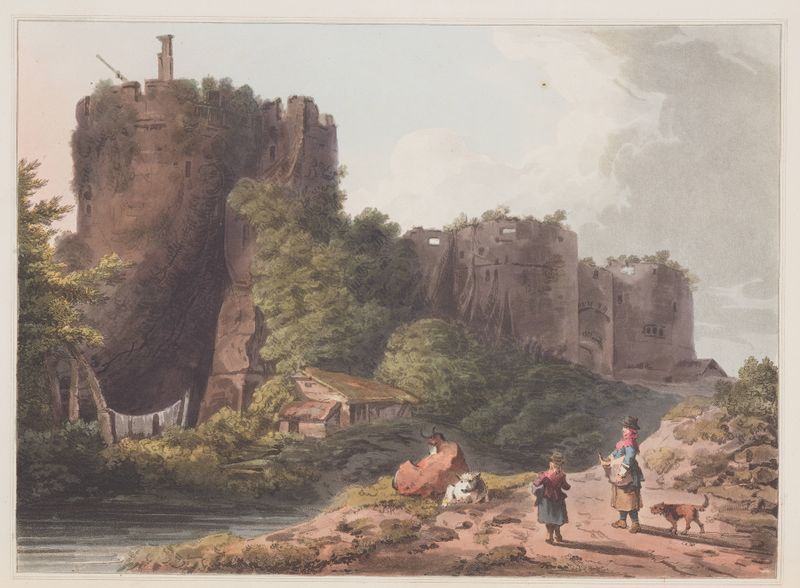
Chepstow Castle in Monmouthshire
Philip James de Loutherbourg
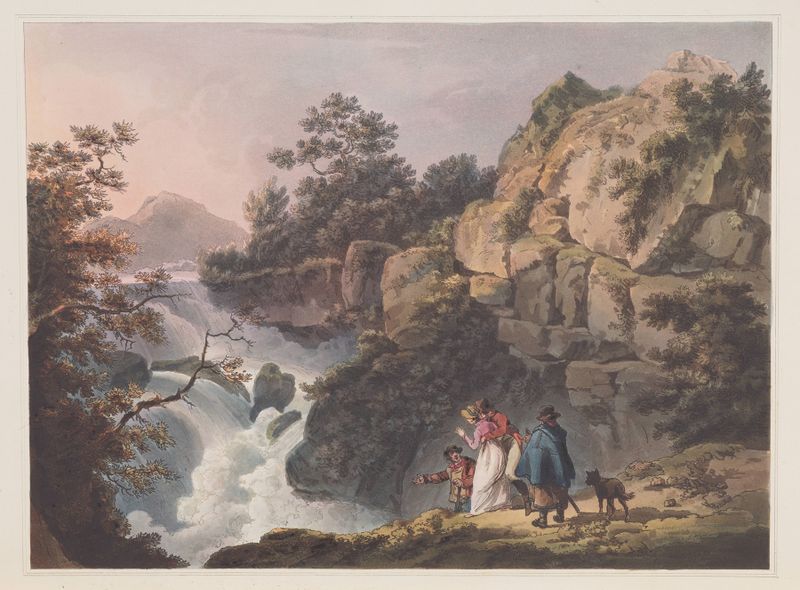
Cataract on the Llugwy
Philip James de Loutherbourg

Tintern Abbey
Philip James de Loutherbourg
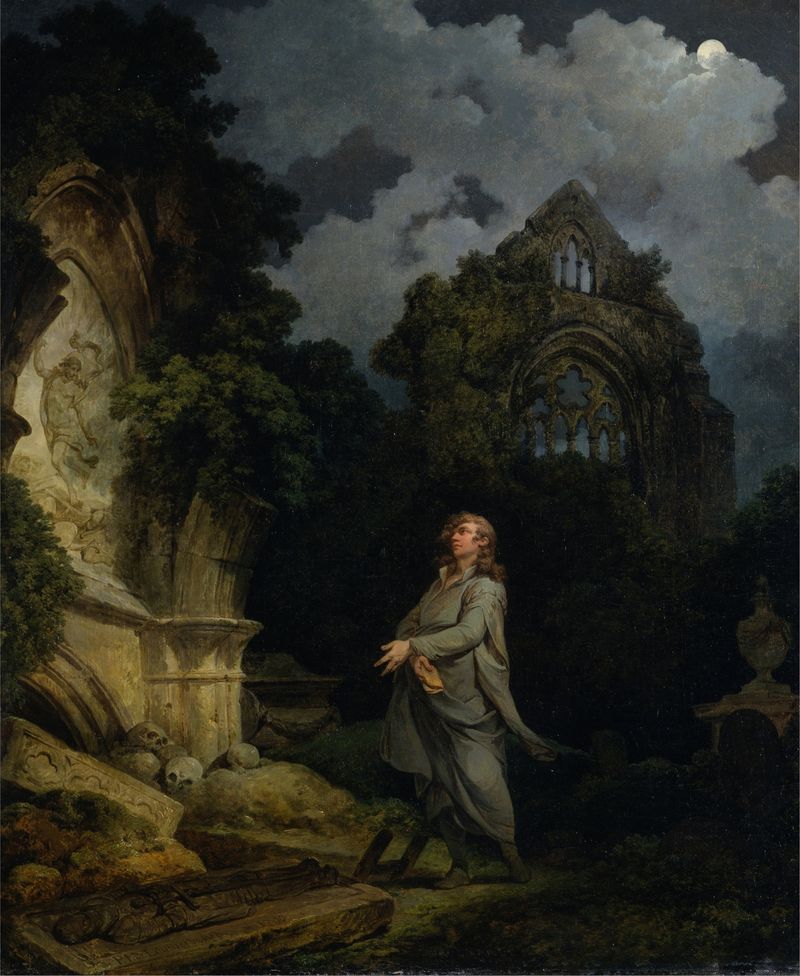
Visitor to a Moonlit Churchyard
Philip James de Loutherbourg

A Storm at the Entrance of a Mediterranean Port
Philip James de Loutherbourg
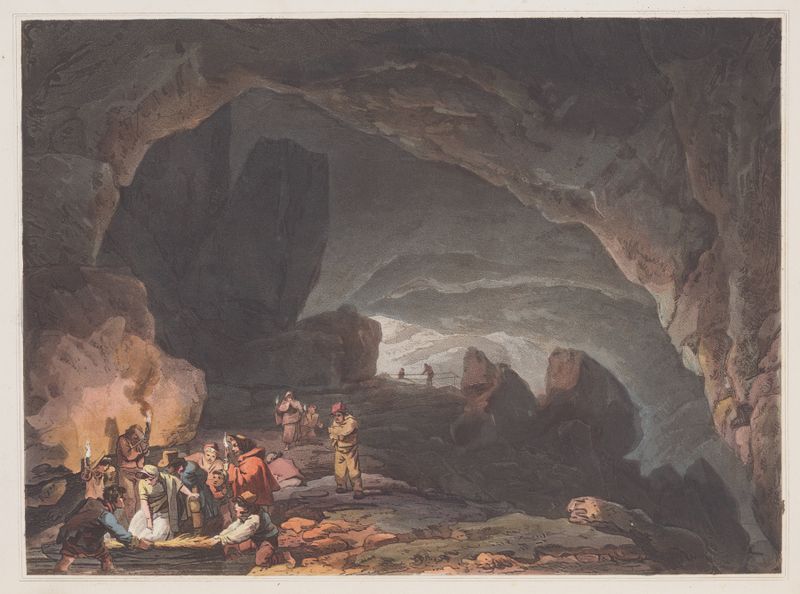
Peak’s Hole, Derbyshire
Philip James de Loutherbourg
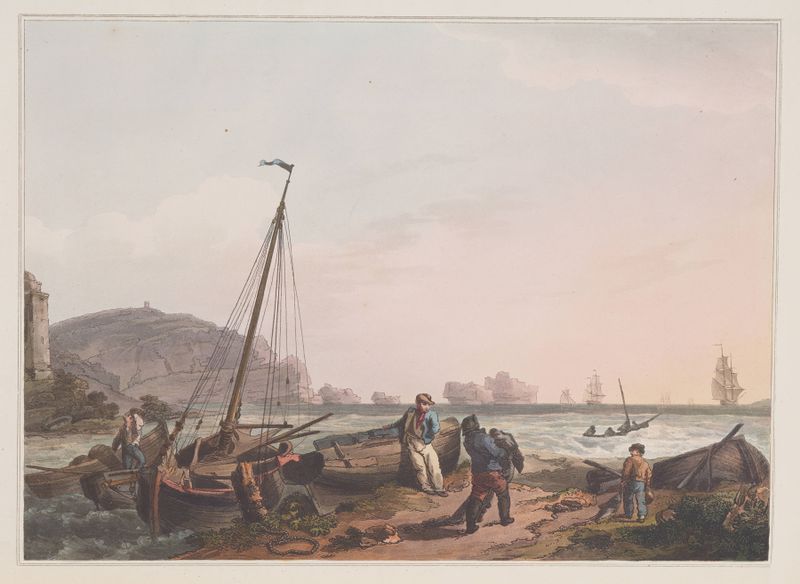
The Needles. Isle of Wight
Philip James de Loutherbourg
More Historical Art
Browse all →
The Night Watch Militia Company of District II under the Command of Captain Frans Banninck Cocq
Rembrandt van Rijn

Lincoln Memorial
Henry Bacon

The Third of May 1808
Francisco de Goya

Isaac and Rebecca, Known as ‘The Jewish Bride’
Rembrandt van Rijn

The Charge of the Mamelukes (1814)
Francisco de Goya

De vier ruiters van de apocalyps
Albrecht Dürer