
The Needles. Isle of Wight — History & Facts
This notion resonates deeply within the delicate contours and vibrant hues of a moment frozen in time. As nature stands still, the narrative unfolds, revealing the fragile balance between tranquility and tumult. Look to the center of the canvas, where the striking cliffs of the Needles emerge majestically from the turbulent waters. Notice how the artist captures the exact moment when sunlight cascades over the jagged formations, illuminating each crevice and shadow.
The palette bursts with a symphony of blues and greens, while the edges are tinged with warm amber, creating an ethereal glow. The composition draws the eye to the horizon, where the sky meets the sea, inviting contemplation of the vastness and the transient nature of existence. Beneath the surface beauty lies a tension between permanence and impermanence. The tumultuous waves crash against the steadfast cliffs, symbolizing the relentless passage of time and nature's enduring resilience.
The contrast between the serene sky and the chaotic sea evokes a sense of duality, embodying both the serenity of the moment and the hidden turmoil of change. Each brushstroke reveals not just the landscape, but also an emotional landscape — one that speaks to the human experience of beauty amidst adversity. In 1805, Philip James de Loutherbourg painted this captivating scene during a time when Romanticism was gaining momentum in the art world. Living in England, he was influenced by the burgeoning fascination with nature and the sublime, which sought to evoke deep emotional reactions in the viewer.
This period marked a significant transition in artistic expression, as artists began to embrace a more personal and introspective approach to their work.
More Artworks by Philip James de Loutherbourg
Browse all →
Iron Works, Colebrook Dale
Philip James de Loutherbourg
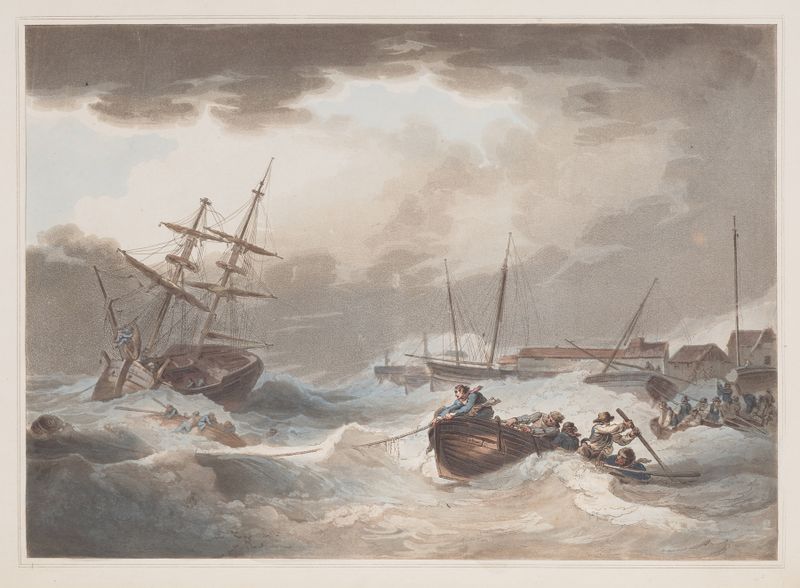
Storm off Margate
Philip James de Loutherbourg
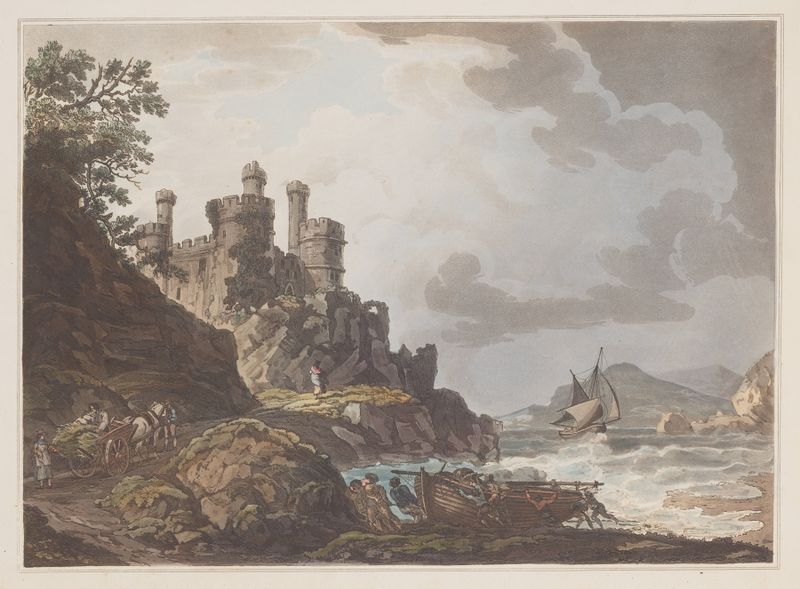
Conway Castle
Philip James de Loutherbourg
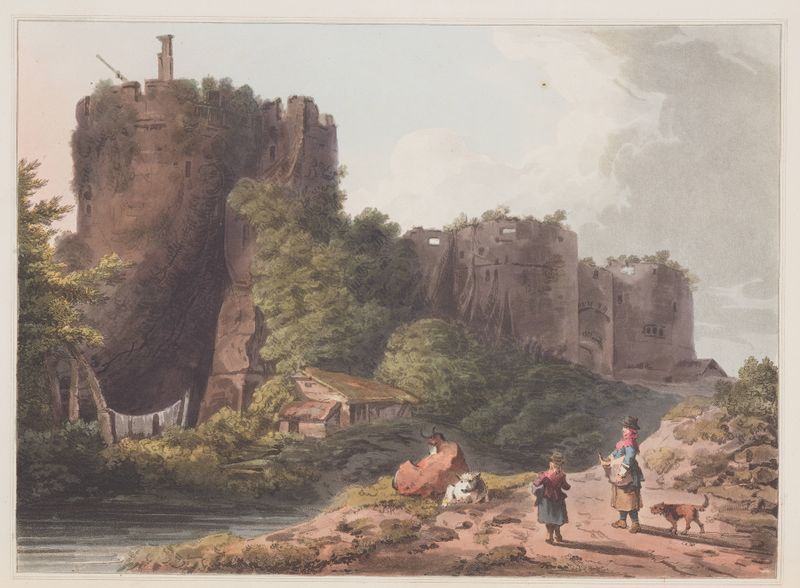
Chepstow Castle in Monmouthshire
Philip James de Loutherbourg
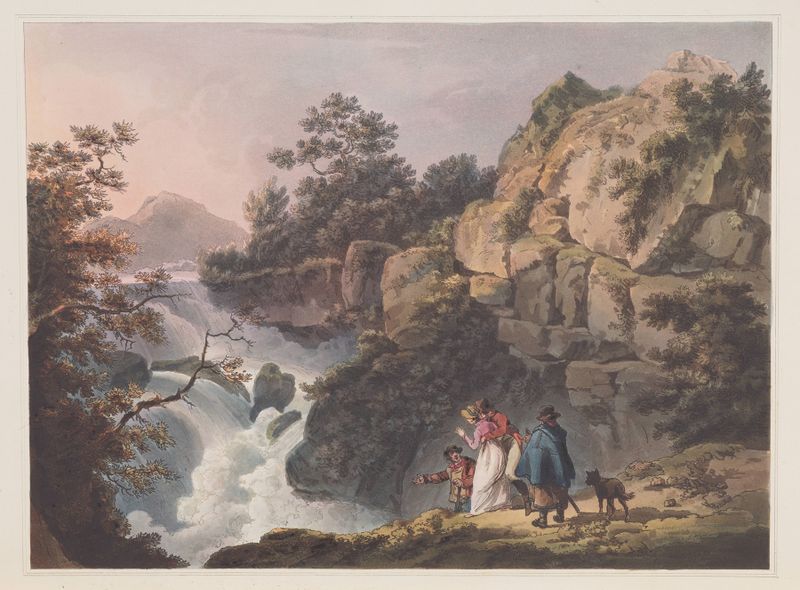
Cataract on the Llugwy
Philip James de Loutherbourg

Tintern Abbey
Philip James de Loutherbourg
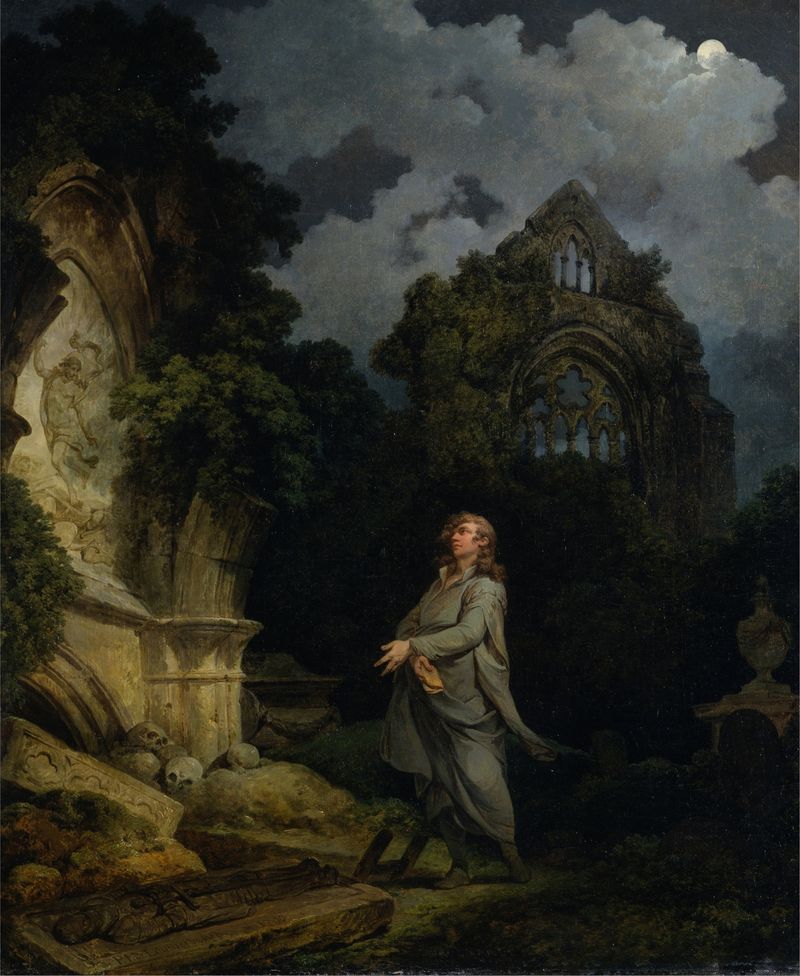
Visitor to a Moonlit Churchyard
Philip James de Loutherbourg

A Storm at the Entrance of a Mediterranean Port
Philip James de Loutherbourg
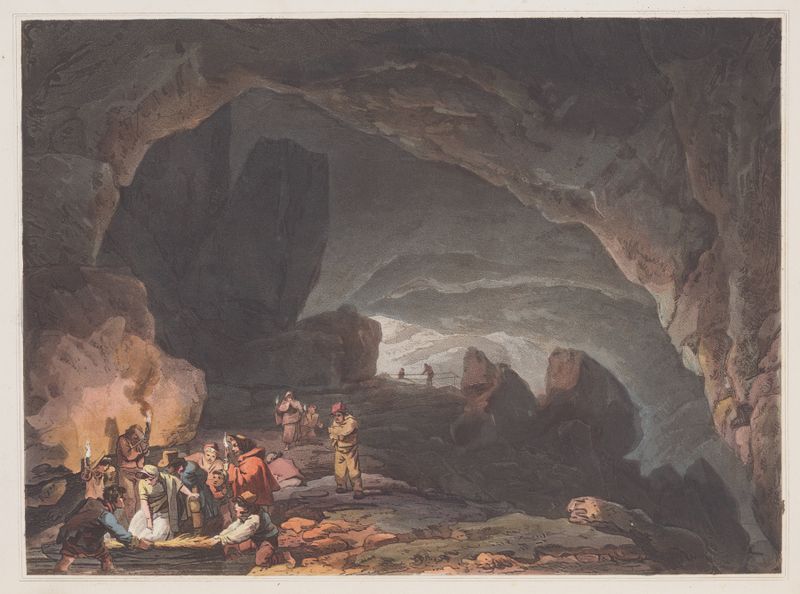
Peak’s Hole, Derbyshire
Philip James de Loutherbourg
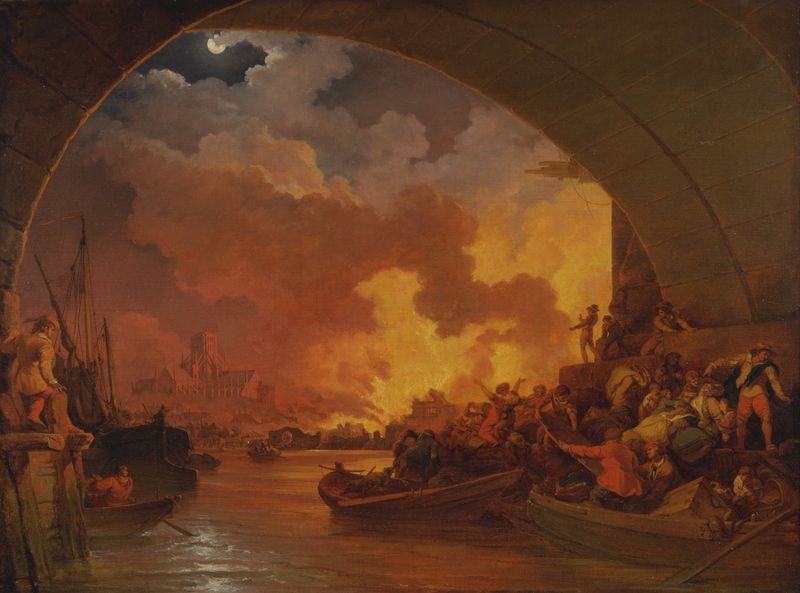
The Great Fire of London
Philip James de Loutherbourg





