
Chepstow Castle in Monmouthshire — History & Facts
What secret hides in the quiet of the canvas? Beneath the surface of Chepstow Castle in Monmouthshire, a dreamlike serenity offers a portal to the imagination, blending reality with whispered tales of the past. Look to the left at the towering, weathered stones of the castle, their rough texture illuminated by a soft, golden light that spills from a waning sun. The sky, awash in pastel hues, mirrors the intricate interplay of twilight, casting ethereal shadows across the landscape. Notice how the river weaves gracefully through the scene, its gentle ripples reflecting the fading light, drawing your attention deeper into the tranquility of this moment. Within the stillness lies a tension between grandeur and decay; the castle, a monument of strength, is juxtaposed with the delicate beauty of the natural world enveloping it.
The interplay of light and shadow evokes a sense of nostalgia, whispering stories of those who once tread the ancient stones. Each detail, from the subtle hues of the foliage to the glimmer on the water's surface, beckons the viewer to contemplate the transient nature of time and legacy. In 1805, Philip James de Loutherbourg painted this work while residing in England, a time marked by the Romantic movement's embrace of emotion and nature. The artist was well-regarded for his work in both painting and theater, and this piece reflects the growing fascination with landscapes that evoke personal and national identity amid the rapid changes in society during the Industrial Revolution.
More Artworks by Philip James de Loutherbourg
Browse all →
Iron Works, Colebrook Dale
Philip James de Loutherbourg
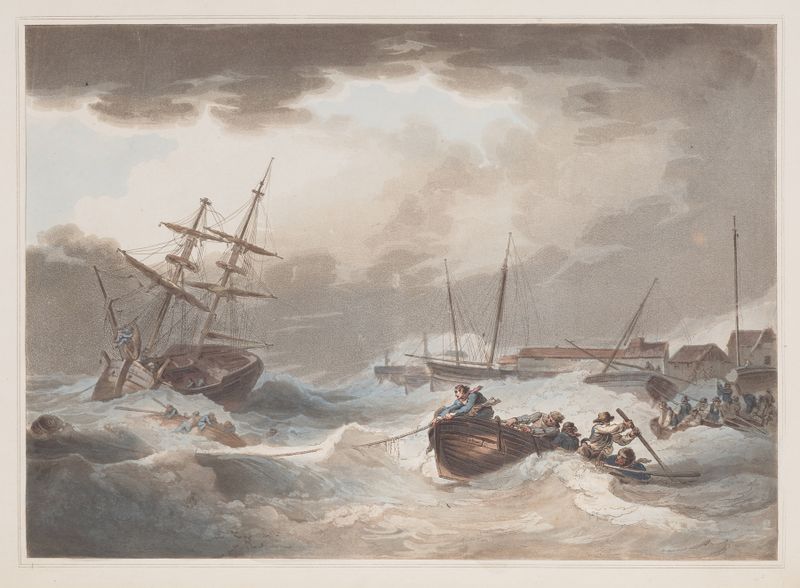
Storm off Margate
Philip James de Loutherbourg
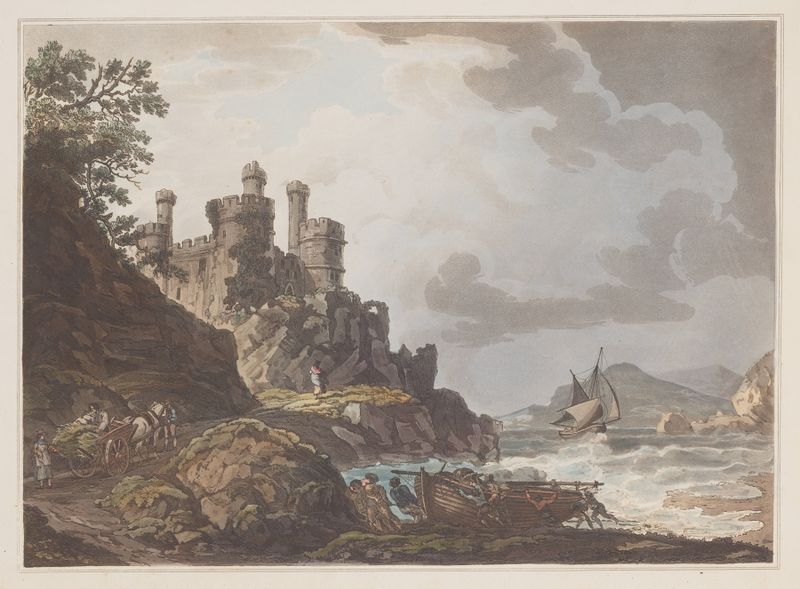
Conway Castle
Philip James de Loutherbourg
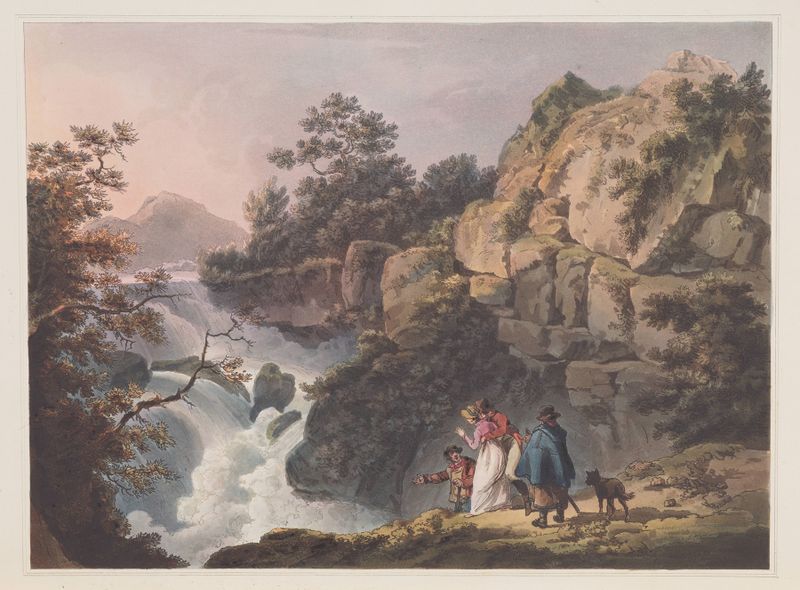
Cataract on the Llugwy
Philip James de Loutherbourg

Tintern Abbey
Philip James de Loutherbourg
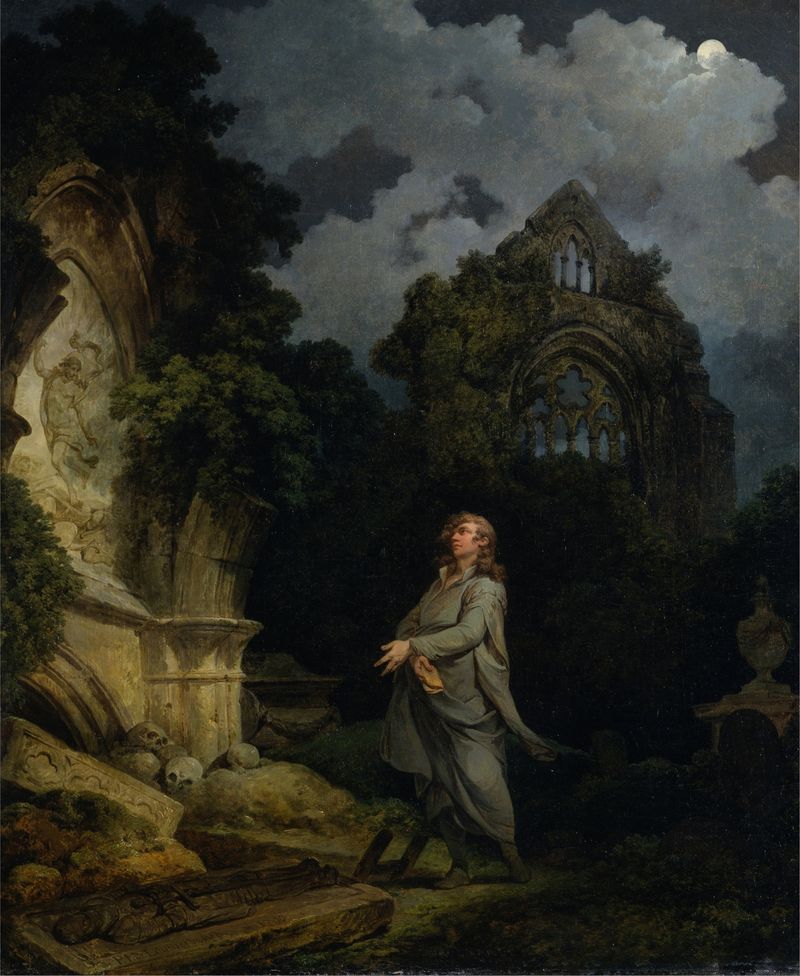
Visitor to a Moonlit Churchyard
Philip James de Loutherbourg

A Storm at the Entrance of a Mediterranean Port
Philip James de Loutherbourg
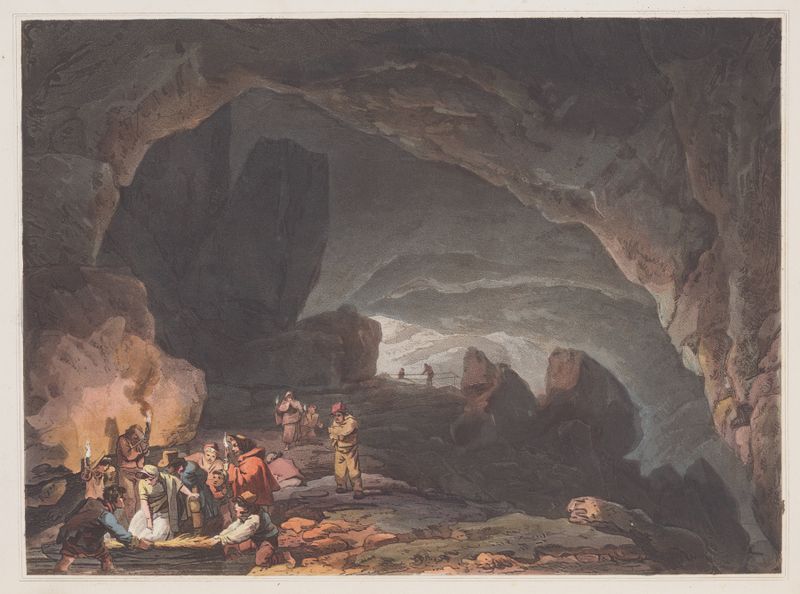
Peak’s Hole, Derbyshire
Philip James de Loutherbourg
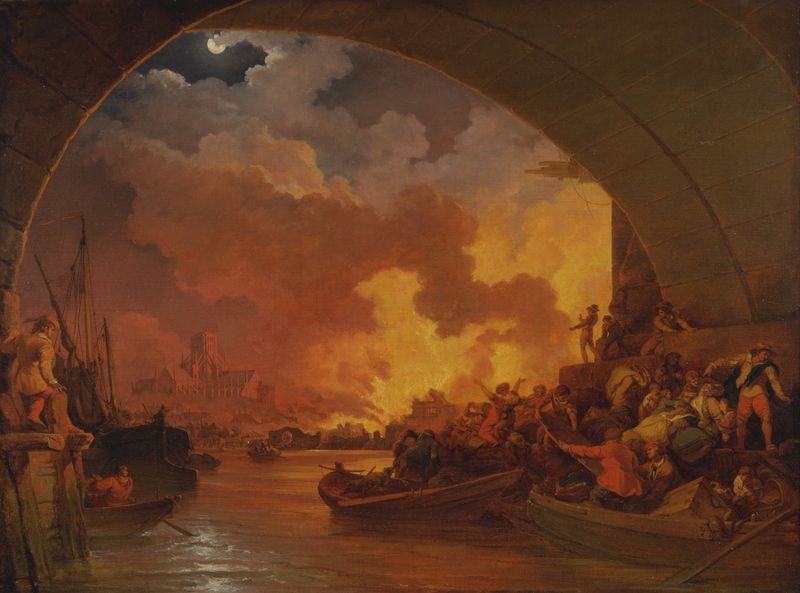
The Great Fire of London
Philip James de Loutherbourg
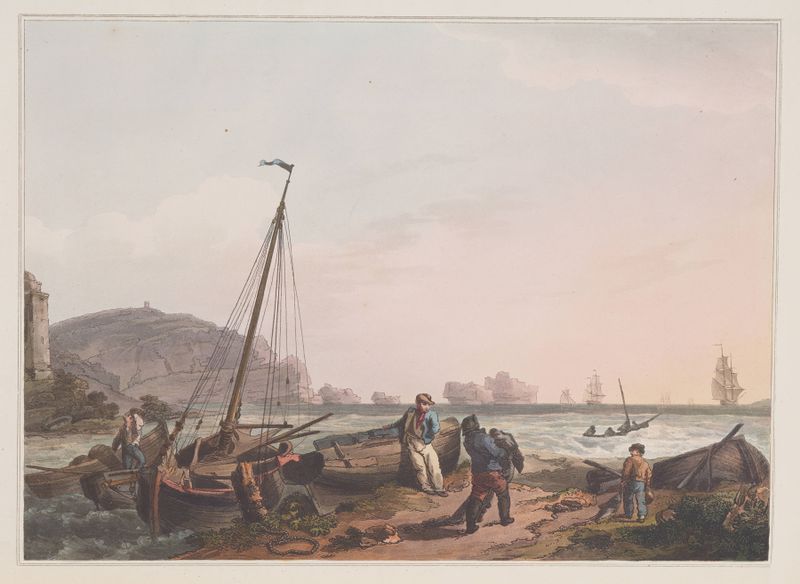
The Needles. Isle of Wight
Philip James de Loutherbourg





