
Caverns Excavated in the Rock within the Castle of Chateau Gaillard, near Andelys, Normandy — History & Facts
Who listens when art speaks of silence? In John Sell Cotman's Caverns Excavated in the Rock within the Castle of Chateau Gaillard, near Andelys, Normandy, silence becomes a profound language, echoing through the depths of history and stone. Each brushstroke resonates with an ecstasy that invites introspection, urging viewers to pause and truly see. Look to the left at the rugged rock formations that dominate the canvas, their textures almost tactile in their depiction. Notice how the light dances upon the surfaces, illuminating the crevices and caverns with a soft luminescence.
The subtle interplay of earthy browns and muted grays creates an atmosphere that feels both ancient and timeless, suggesting a dialogue between nature and the remnants of human endeavor. The composition, anchored by a commanding presence of the castle ruins, guides the eye upward, evoking a sense of aspiration amidst decay. Delve deeper into the contrasts embedded within the scene: the permanence of stone against the impermanence of human existence, and the grandeur of the castle juxtaposed with its crumbling state. The caverns, carved over centuries, whisper of stories untold, hinting at both majesty and despair.
This duality speaks of the fleeting nature of power and the relentless march of time, inviting contemplation of what remains when the grandeur fades. In 1822, while creating this piece, Cotman was immersed in the Romantic movement, which sought to capture the sublime beauty of nature and the nostalgia of history. Living in England, he was influenced by the picturesque ideals of landscape painting, yet he also faced the limitations of a post-Napoleonic era that left many artists grappling with themes of decay and loss. This work, painted near the ruins of a once-mighty stronghold in Normandy, reflects not only his artistic vision but also a world in transition, resonating with the echoes of a past that continues to haunt the present.
More Artworks by John Sell Cotman
Browse all →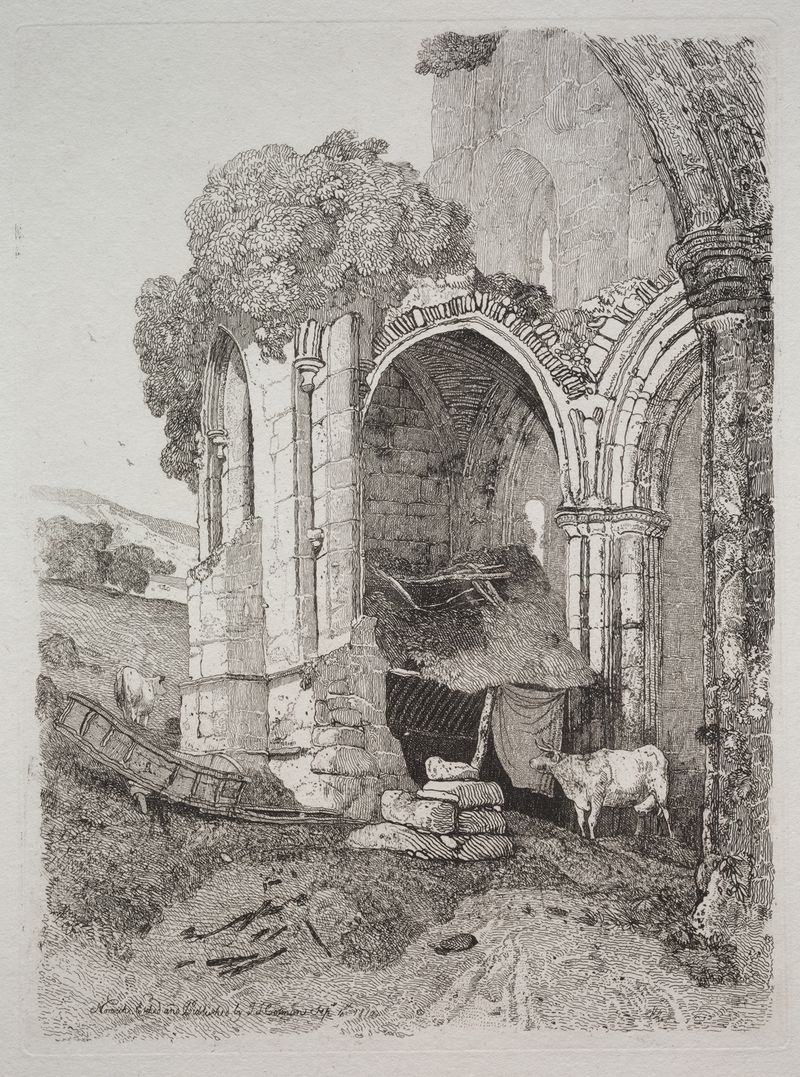
Rievaulx Abbey, Yorkshire
John Sell Cotman
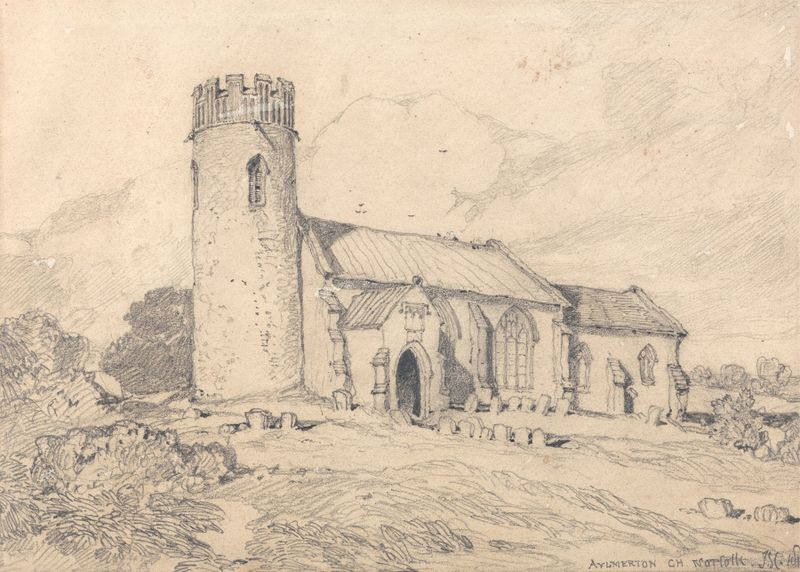
Aylmerton Church; Norfolk, from the South-West
John Sell Cotman
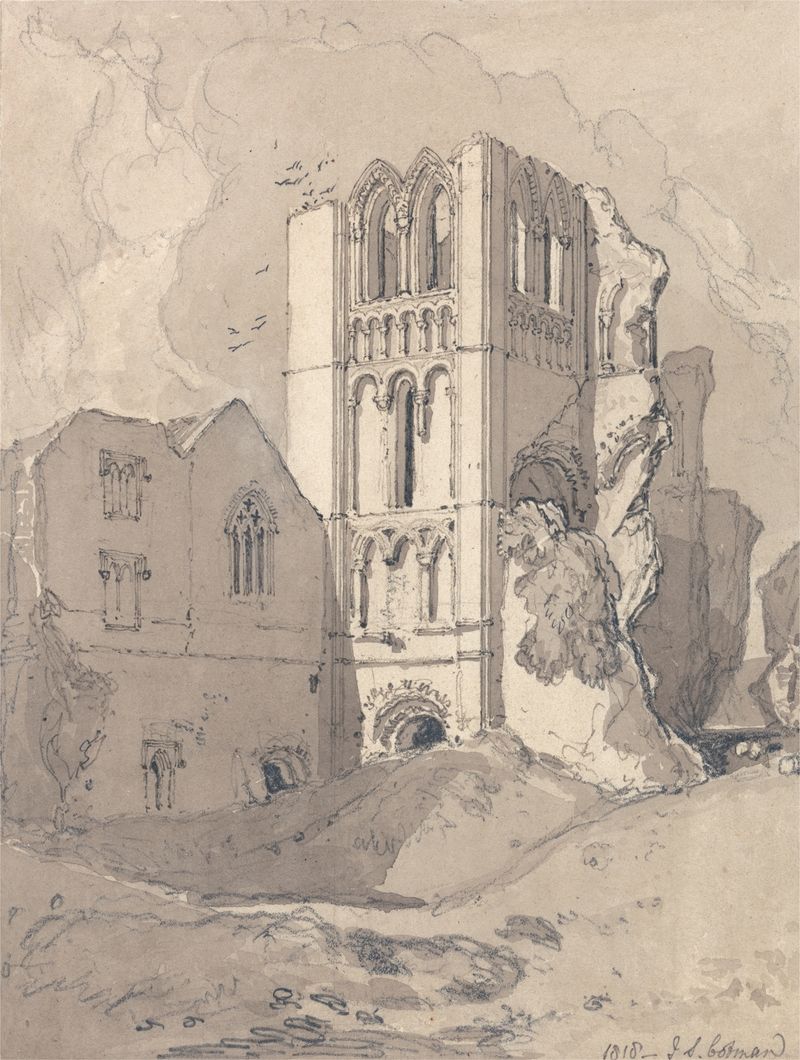
Castle Acre Priory, Norfolk
John Sell Cotman
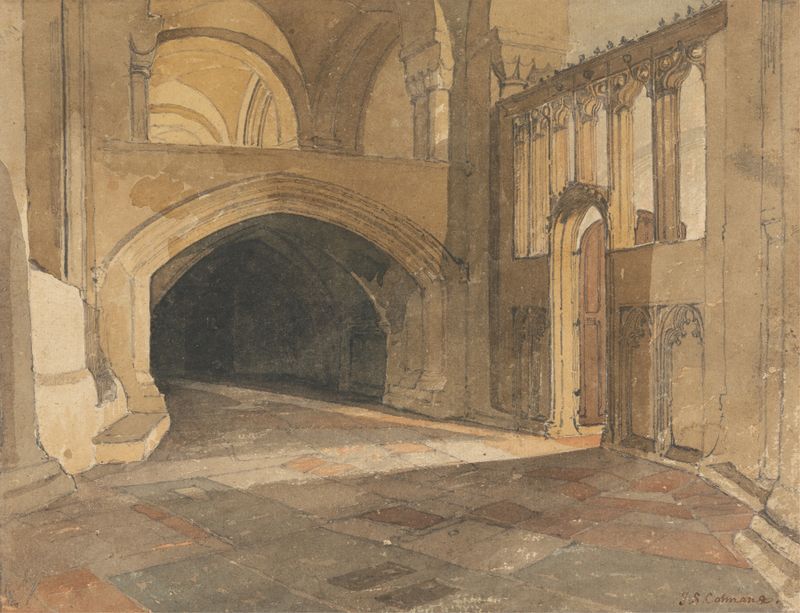
Norwich Cathedral; Entrance to Jesus Chapel
John Sell Cotman
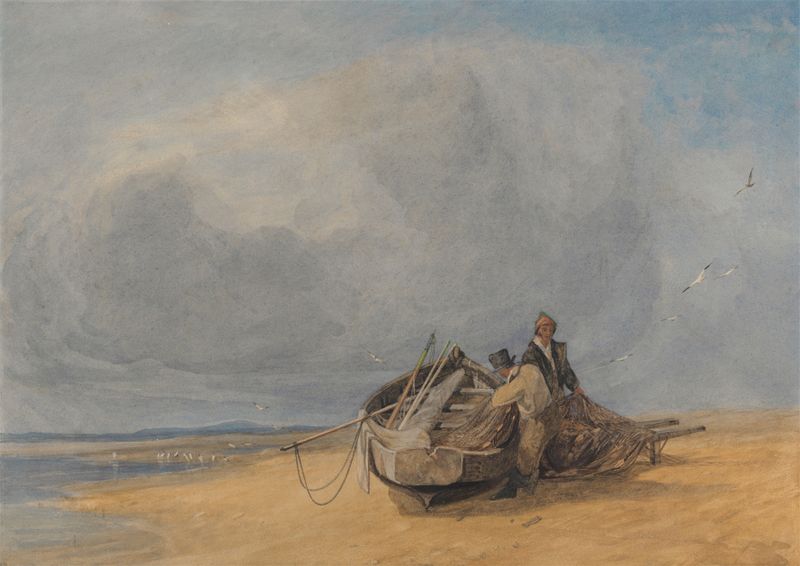
Yarmouth Sands, Norfolk
John Sell Cotman
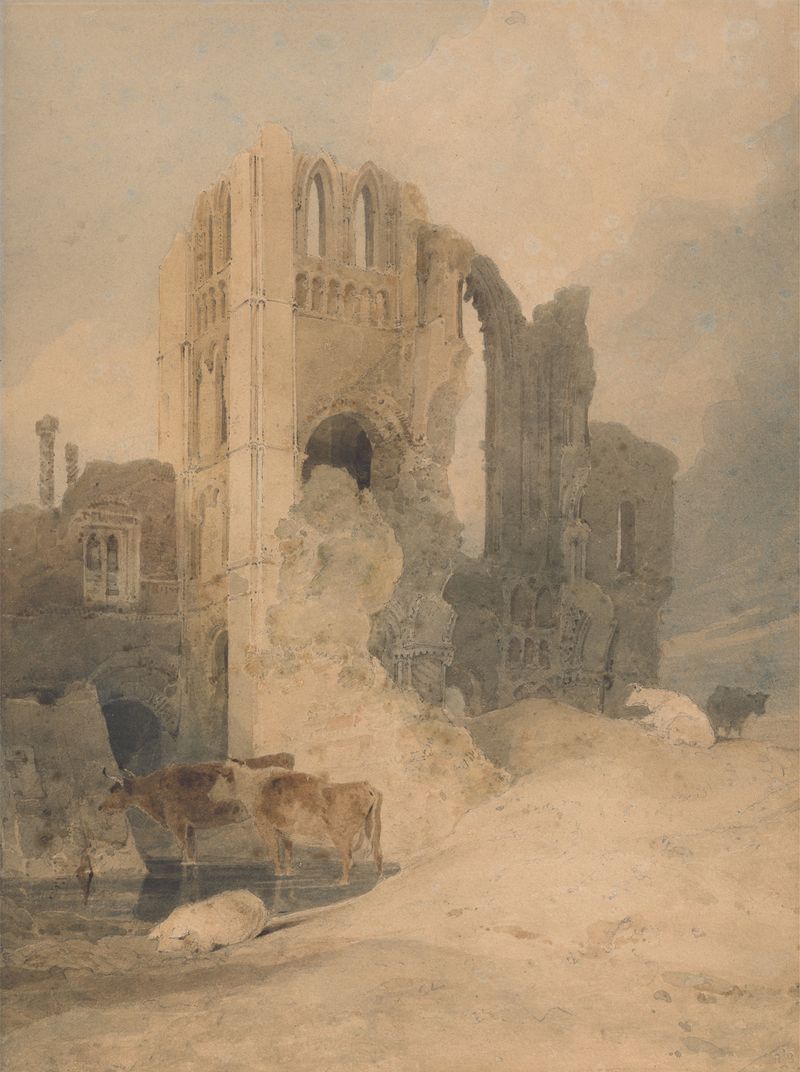
Castle Acre Priory, Norfolk
John Sell Cotman
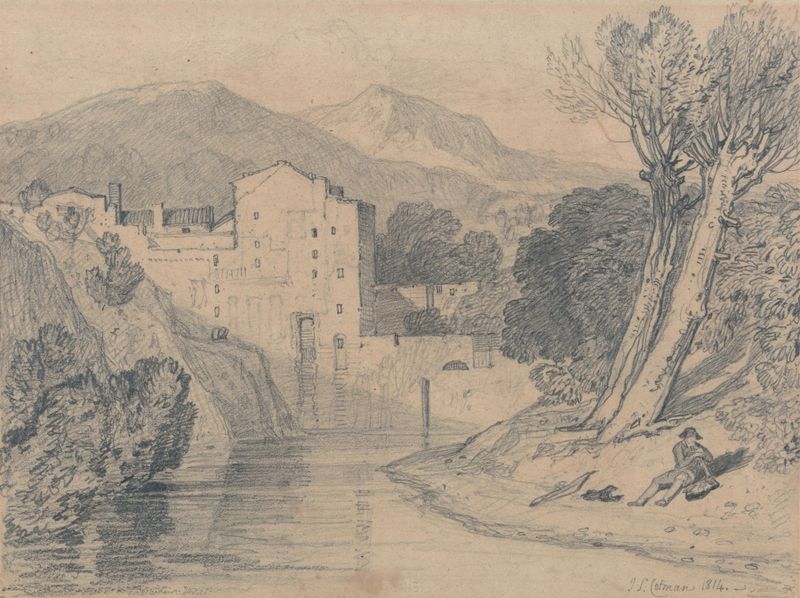
Near Whitby, Yorkshire
John Sell Cotman
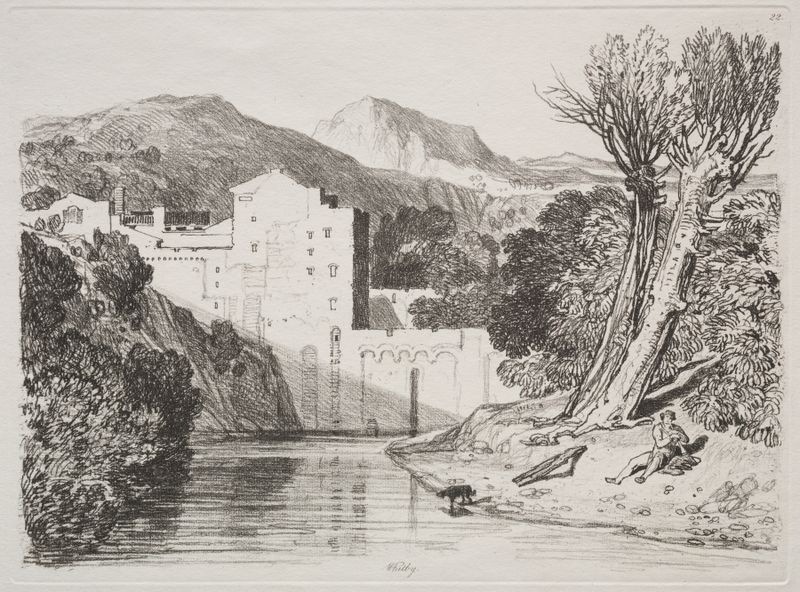
Whitby
John Sell Cotman
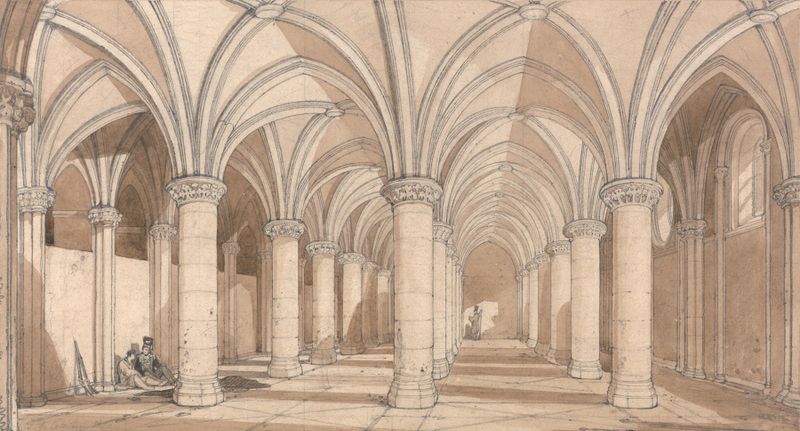
The Barons’ Hall, Mont Saint Michel
John Sell Cotman
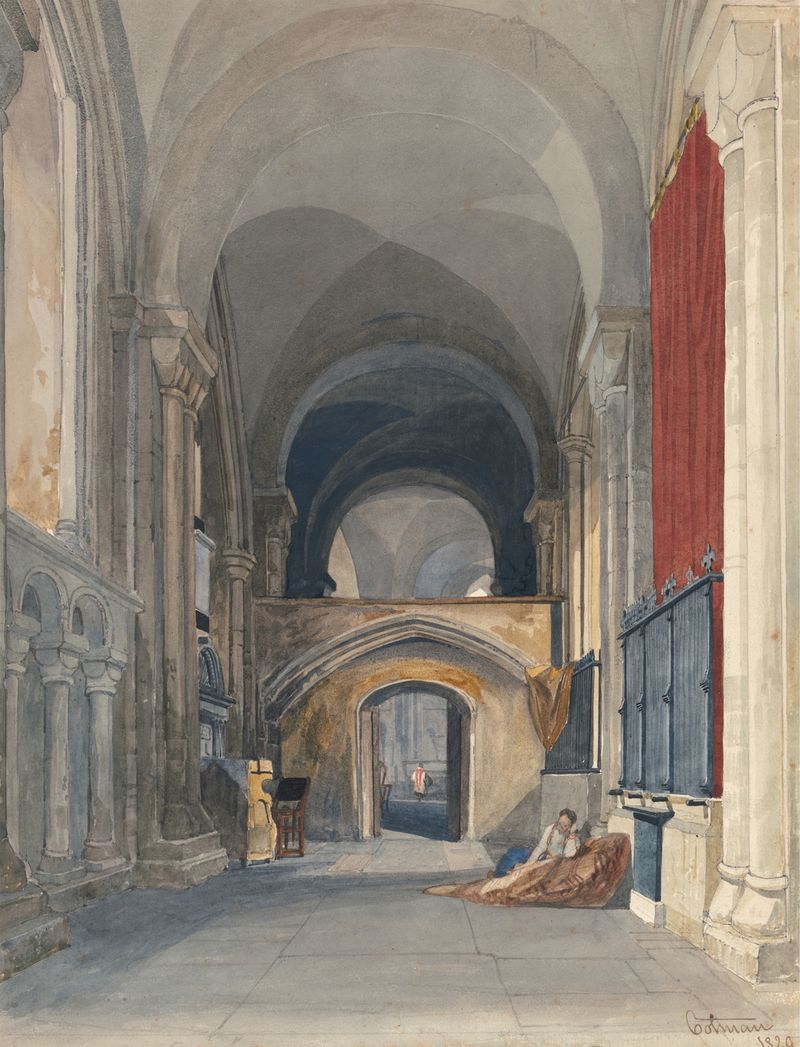
Norwich Cathedral; Interior of the North Aisle of the Choir, Looking East
John Sell Cotman





