
Chadd’s Ford — History & Facts
Where does light end, and longing begin? In Chadd’s Ford, a delicate tension emerges, where the interplay of soft hues invites both contemplation and introspection, evoking a powerful sense of loneliness. Look to the foreground where a solitary figure stands at the water’s edge, gazing into the distance. The muted colors of the landscape—subtle greens and browns—contrast with the bright blues of the sky, creating a serene yet melancholic atmosphere. Notice how the light dances on the water’s surface, reflecting not just the physical landscape but also the emotional weight of isolation.
The composition draws you into the scene, inviting you to ponder the figure’s thoughts and feelings. The sense of solitude becomes palpable as you examine the figure’s posture—slightly slumped, hands clasped together, embodying a deep yearning. This contrasts sharply with the vibrant life of the natural surroundings, amplifying the emotional divide between the individual and the world. The gentle brushstrokes and atmospheric light add a layer of softness, suggesting that the beauty of the moment is tinged with heartache.
The painting becomes a visual dialogue, where the viewer is left to navigate the complex interplay of presence and absence. In 1897, Peixotto created this piece during a period of transition in his life, moving between the invigorating artistic communities of the East and West coasts of America. Known for his explorations of light and color, he was influenced by the Impressionists of the time, seeking to capture the ephemeral essence of landscapes. As he painted Chadd’s Ford, the world of art was shifting, and his work reflected both the beauty and loneliness inherent in nature—a resonance that continues to echo today.
More Artworks by Ernest Peixotto
Browse all →
Fort Moultrie on the Site of Old Fort Sullivan
Ernest Peixotto
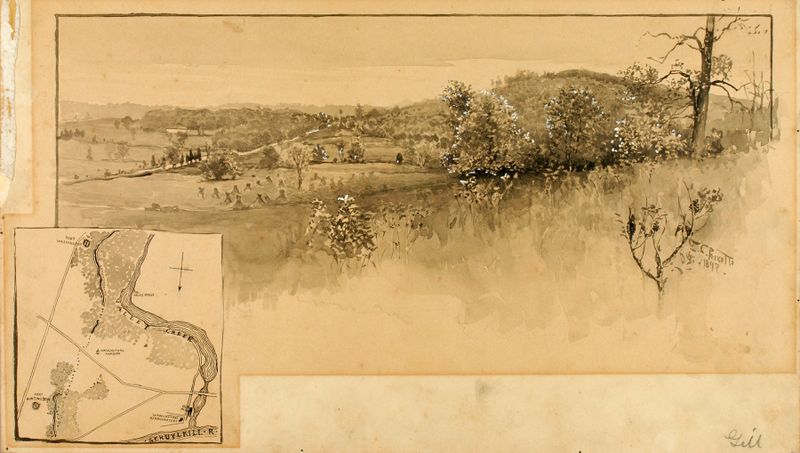
Valley Forge
Ernest Peixotto
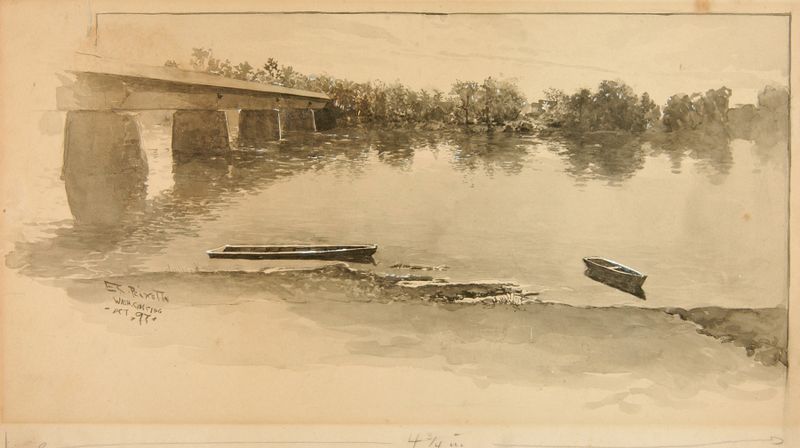
Washington Crossing
Ernest Peixotto

Ticonderoga
Ernest Peixotto
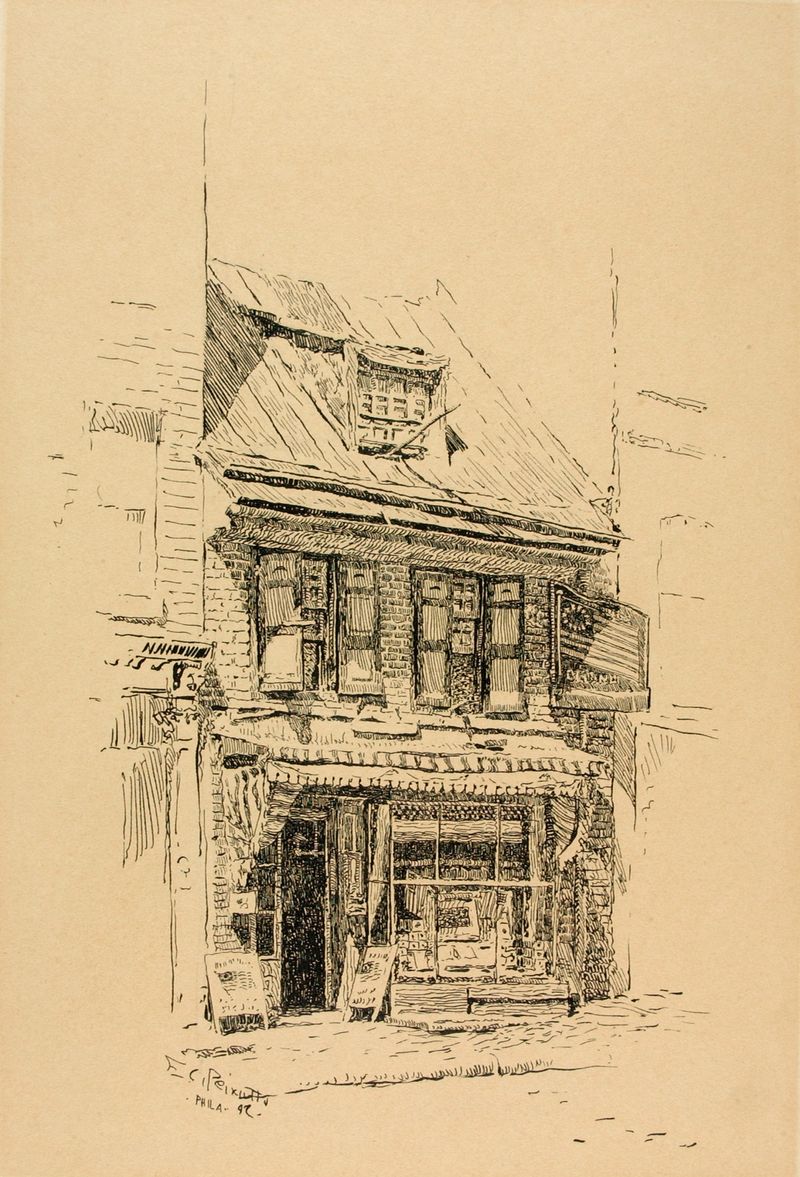
House Where First American Flag Was Made
Ernest Peixotto
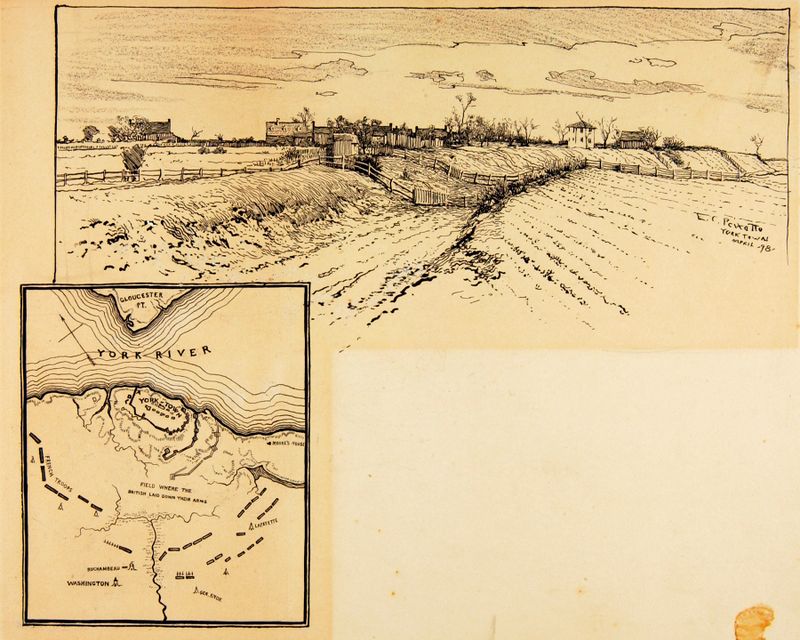
Present Appearance of British Entrenchment, Yorktown
Ernest Peixotto
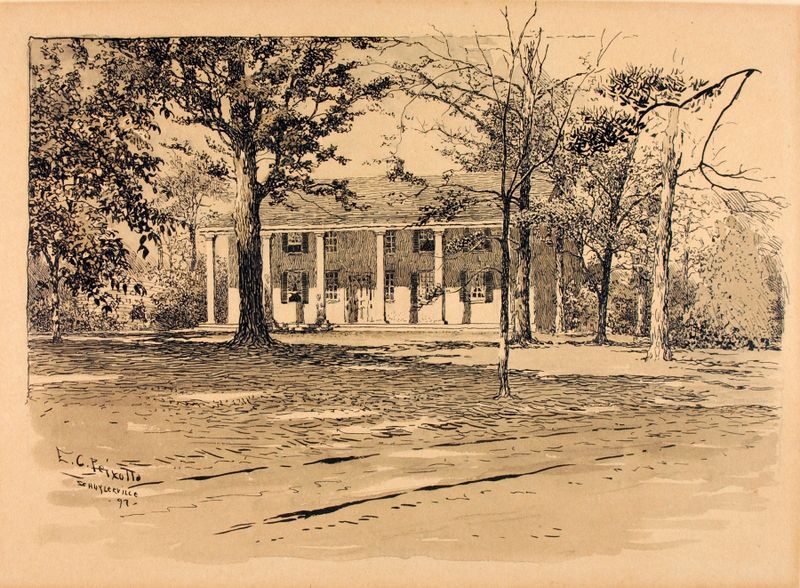
Saratoga. General Schuyler’s House
Ernest Peixotto
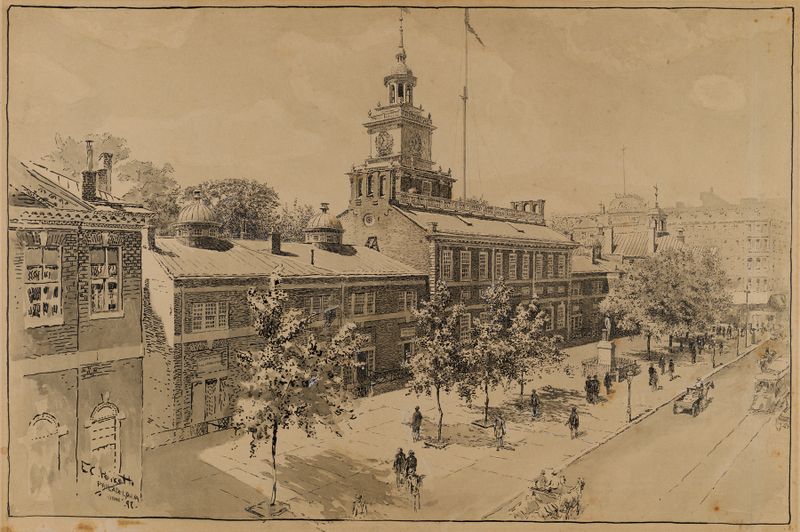
Philadelphia, Independence Hall, Chestnut Street
Ernest Peixotto
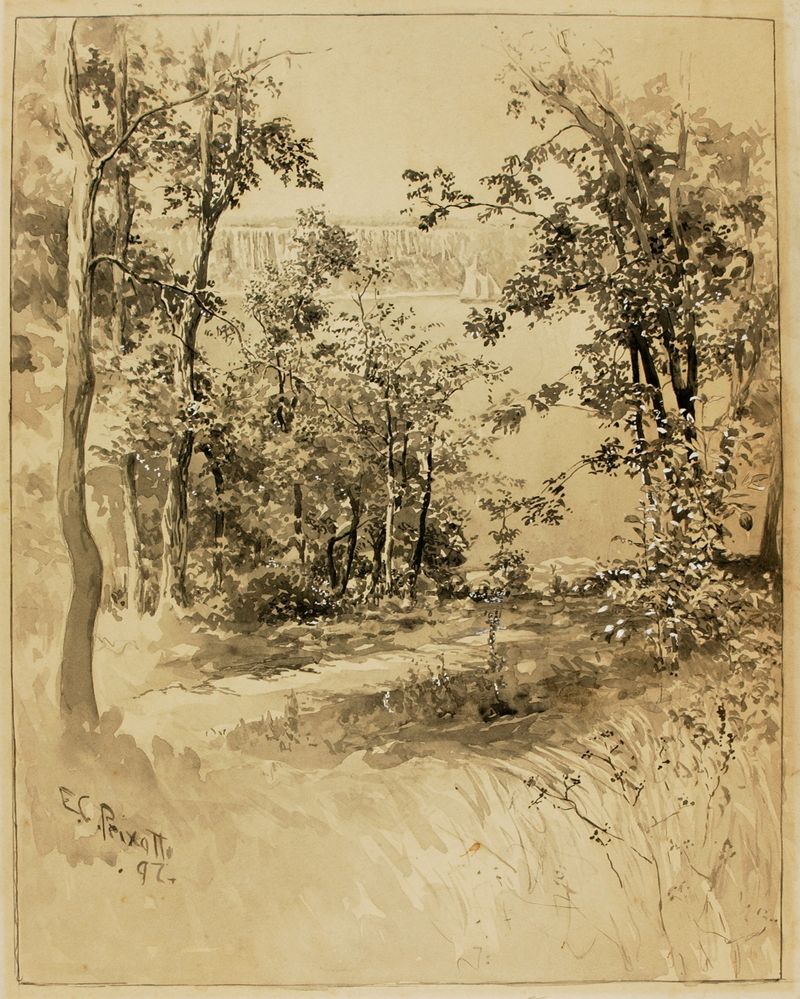
New York, Site of Fort Washington, Looking at Fort Lee
Ernest Peixotto

Capture of Fort Ticonderoga
Ernest Peixotto





