
Chapel Church, Surrey — History & Facts
When did color learn to lie? What if beauty, in all its vibrant splendor, could weave tales that belied the truth of its essence? Look to the left at the delicate interplay of soft pastels and earthy hues that envelop the church, where warm tones of ochre and subtle grays dance across the stone facade. The artist’s gentle brushstrokes render the clouds above in a swirling embrace, suggesting an ephemeral beauty that can shift with the light of day. Notice how the verdant landscape frames the architectural elegance, guiding your gaze from the foreground, where wild grasses sway, to the serene structure nestled among the trees. The contrast here is profound: the enduring solidity of the church against the transient nature of the surrounding sky.
Girtin captures a fleeting moment, suggesting not only the passage of time but also the impermanence of beauty itself. The way the light spills over the scene serves as both a revelation and a veil; it highlights the church's sturdy presence while hinting at life's inevitable changes. Each element invites contemplation of faith, nature, and the underlying truths that govern existence. In 1799, during a period marked by the rise of Romanticism in Britain, the artist created this work as he became increasingly associated with the movement.
Girtin was exploring the emotional power of landscapes, capturing the sublime in nature, while simultaneously grappling with his own health issues. This piece reflects not only his personal struggle but also the shifting tides of art, where capturing beauty became intertwined with deeper, contrasting narratives.
More Artworks by Thomas Girtin
Browse all →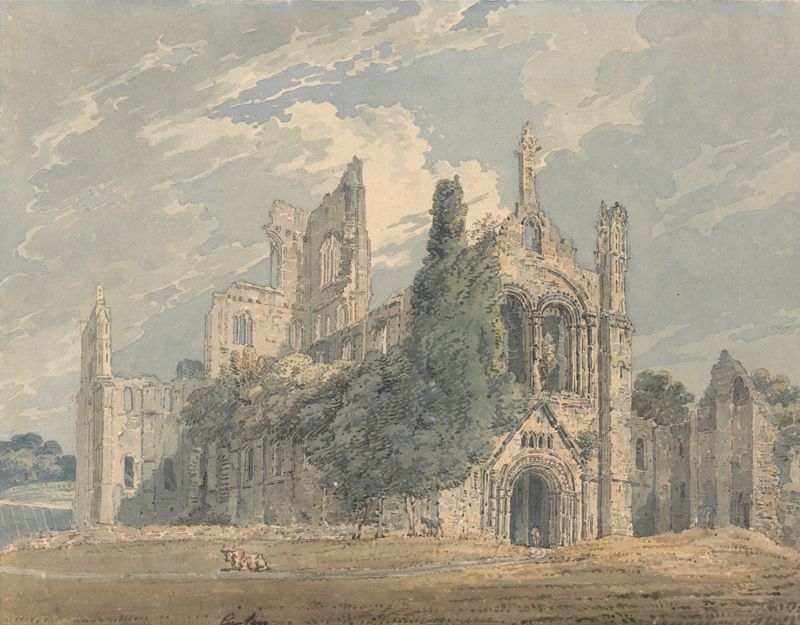
Kirkstall Abbey from the N.W.
Thomas Girtin
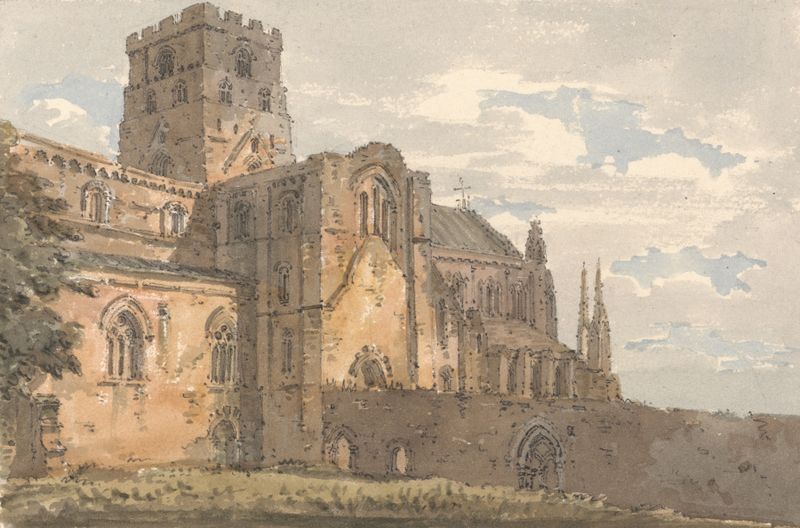
Carlisle Cathedral, Cumberland, from the South-west
Thomas Girtin
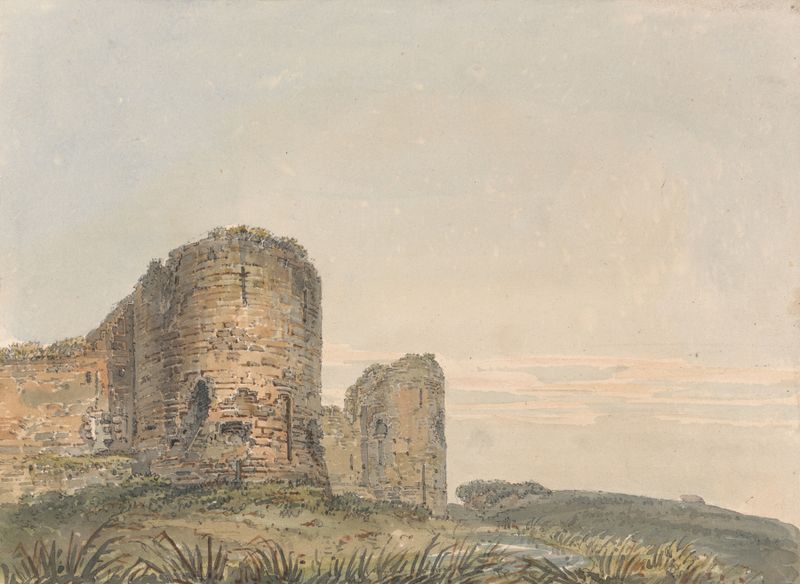
Pevensey Castle, Sussex
Thomas Girtin
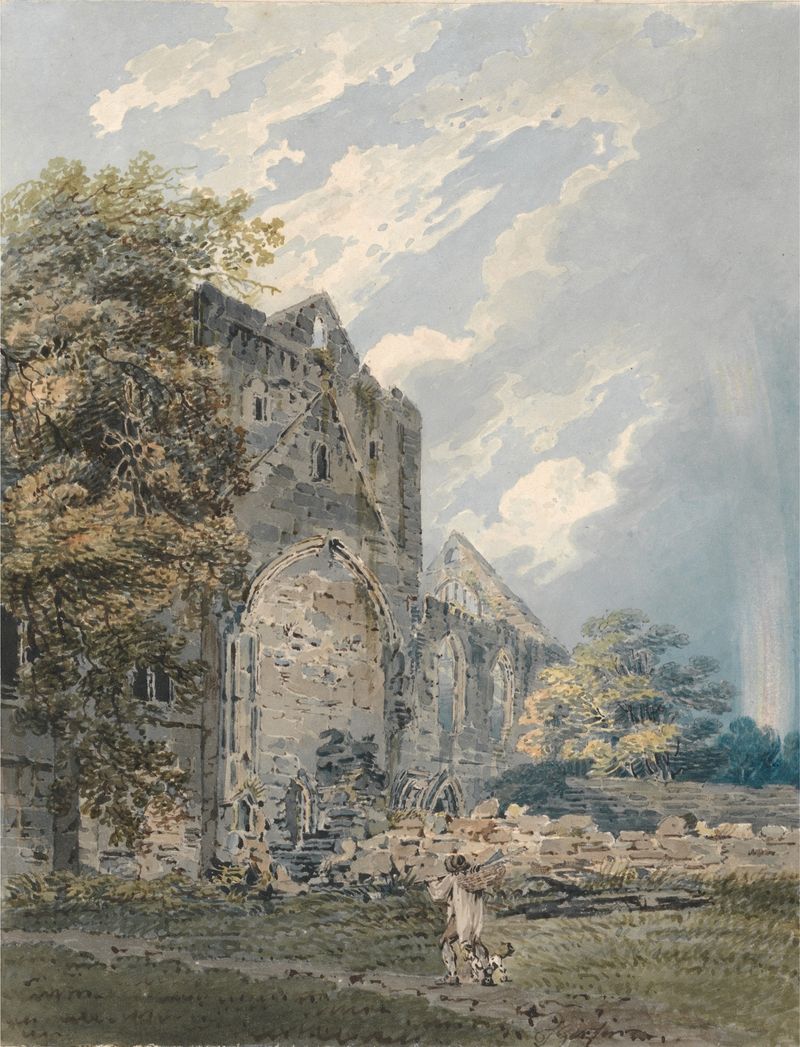
Pluscardine Abbey, Elgin
Thomas Girtin
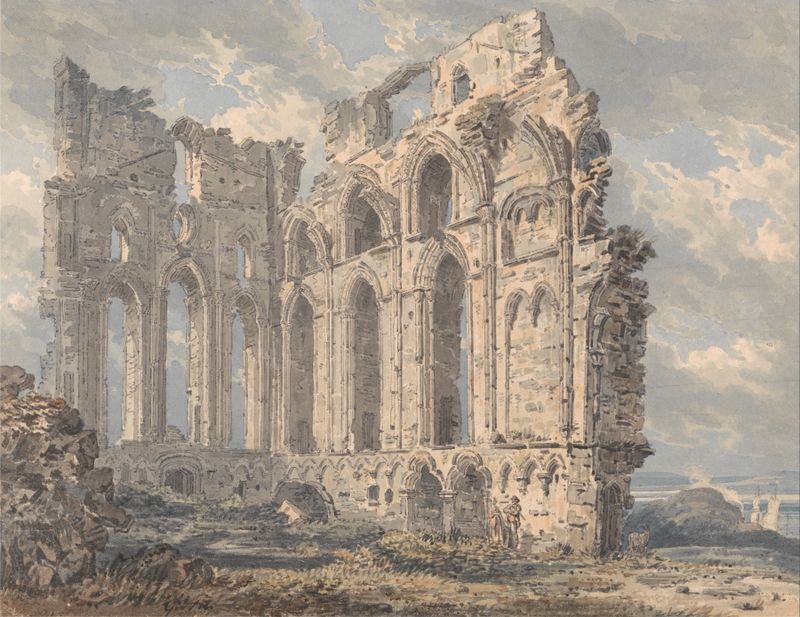
Tynemouth Priory, Northumberland
Thomas Girtin
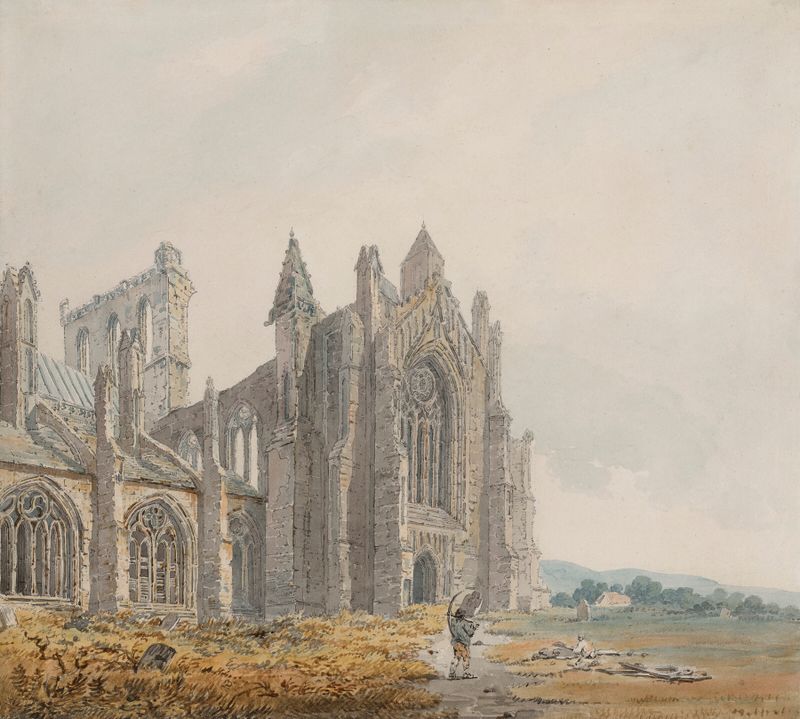
Melrose Abbey, Scotland
Thomas Girtin
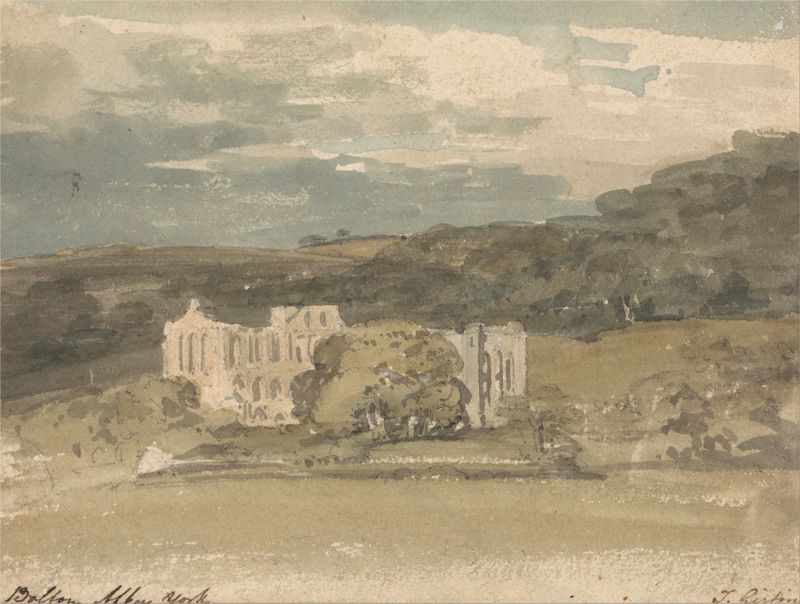
Rievaulx Abbey, Yorkshire
Thomas Girtin
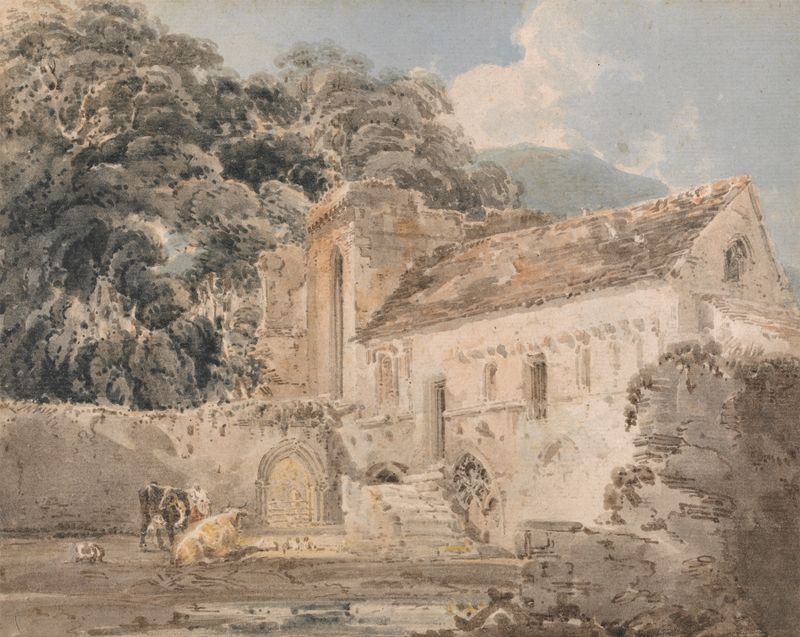
Valle Crucis Abbey, Denbighshire
Thomas Girtin
Warkworth Castle, Northumberland
Thomas Girtin
Dumbarton Rock and Castle
Thomas Girtin





