
Character Head of a Man (Facing Left) — History & Facts
What first catches the eye in Character Head of a Man (Facing Left) is the unmistakable glimmer of mischief in the sitter’s half-shadowed face. The man’s mouth twists into a lopsided grin, as if he’s just heard a joke or is about to share one; his eyes, peering out from beneath a tumble of unkempt hair and a rakish hat, seem to invite the viewer into the moment. The warm, golden-brown palette wraps the figure in a haze of intimacy, while the soft, almost blurred handling of the paint suggests movement—a fleeting expression captured before it vanishes.
The light, falling from the left, picks out the lines of his cheek and the glint of his teeth, drawing you into the immediacy of his presence. There is nothing formal or grand here: instead, Adriaen van Ostade offers a slice of everyday humanity, alive with personality. This kind of character study flourished in the Dutch Republic of the seventeenth century, when artists like van Ostade found eager buyers for scenes of village life and expressive faces. Painted in 1642, this work belongs to a tradition where such “tronies”—heads or character types—were not portraits of specific individuals, but explorations of mood, age, and social type.
Collectors prized these studies for their lively brushwork and insight into human nature, and artists used them to hone their skills in rendering expression and light. Today, this painting resides in the collection of Museum Boijmans Van Beuningen, a quiet testament to the enduring fascination with the quirks and stories etched into a single human face. Look again, and see if you can guess the story behind that crooked smile.
More Artworks by Adriaen van Ostade

Dans in de herberg
Adriaen van Ostade
‘The Skaters’: Peasants in an Interior
Adriaen van Ostade
Dance at the Inn
Adriaen van Ostade
Travellers Halted At A Country Inn
Adriaen van Ostade
Interior of a Barn
Adriaen van Ostade
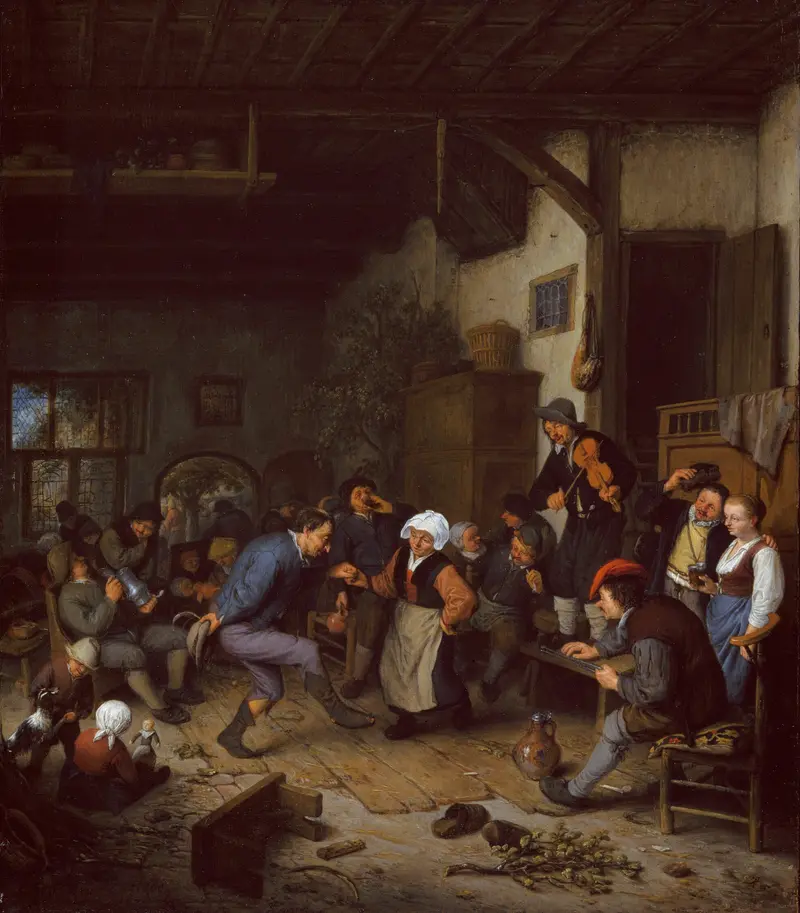
Merrymakers in an Inn
Adriaen van Ostade
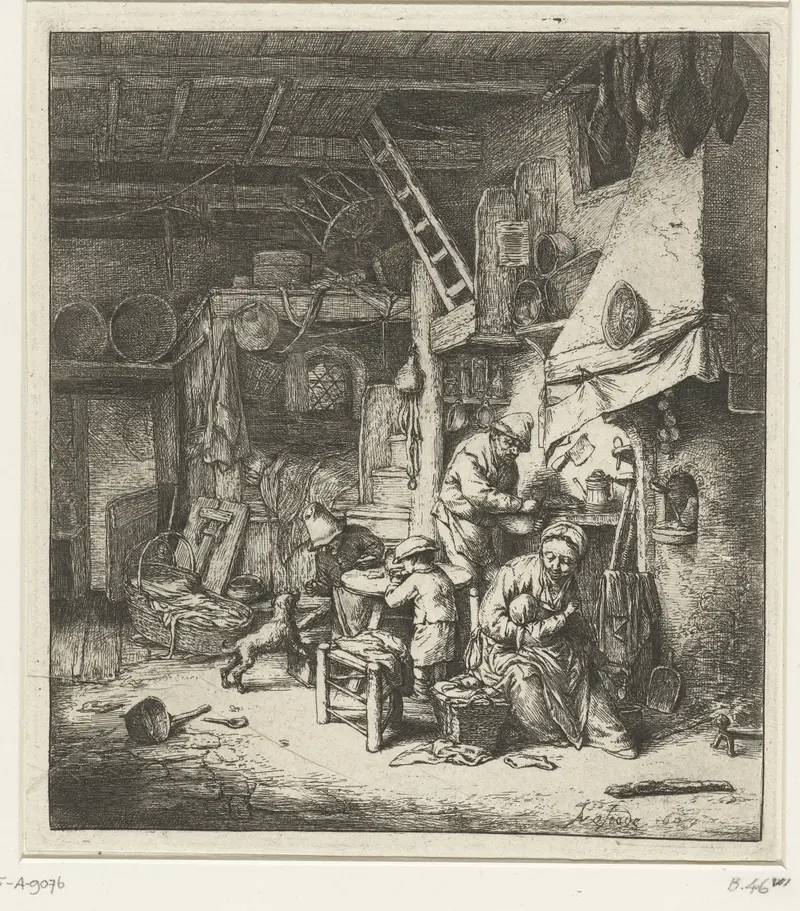
Boerengezin in interieur
Adriaen van Ostade
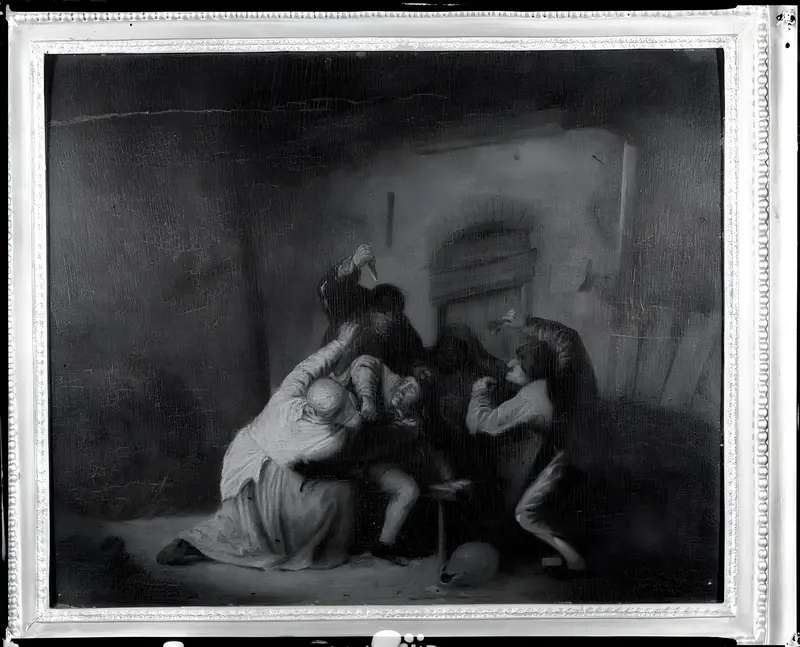
Peasants Brawling in a Tavern
Adriaen van Ostade
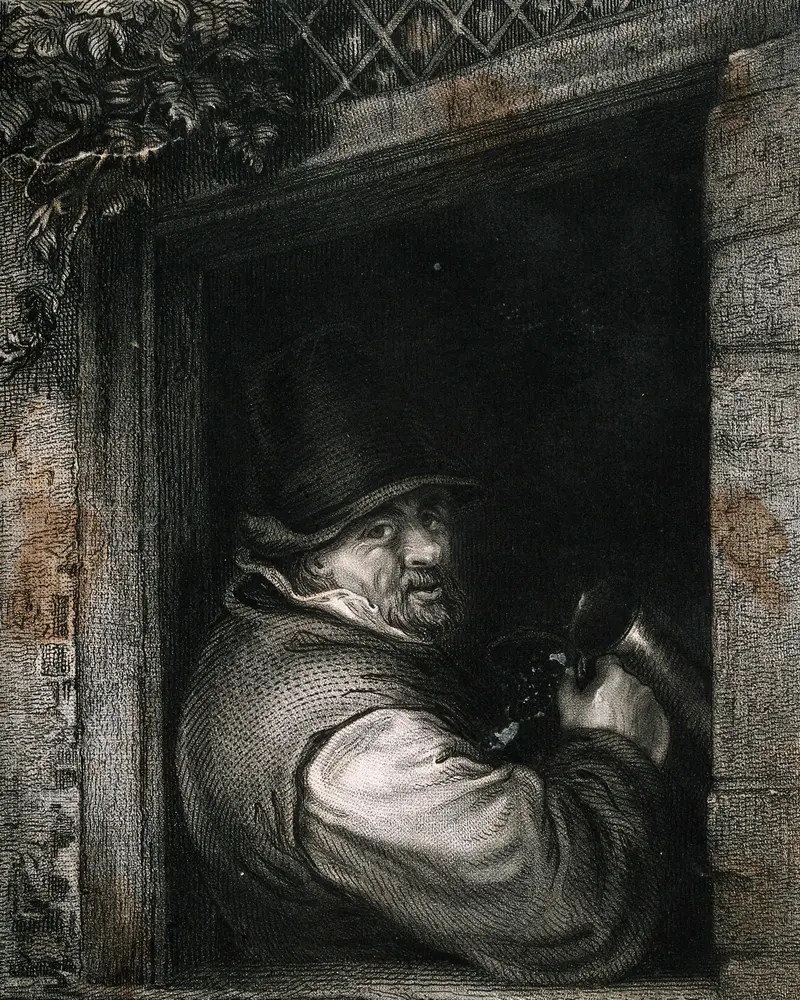
Man with a Tankard at a Window
Adriaen van Ostade
Dans in de herberg
Adriaen van Ostade





