
Charity — History & Facts
A shaft of pale light breaks through the dark rafters, falling directly on a mother and her children at the heart of a humble interior. The eye is drawn first to the young girl, holding out a bowl with both hands, her gaze steady and solemn. Every detail in this scene — from the scattered wood shavings on the rough stone floor to the worn garments and the simmering pot over the fire — serves to root us in the daily reality of rural life.
The woman seated by the hearth, a baby slung across her back, looks up with a mixture of hope and fatigue, while the central mother, cradling her own infant, seems poised between giving and receiving. The artist’s careful choreography of gesture and glance builds a quiet drama: charity is not a grand gesture here, but a moment of shared necessity, a meal offered and accepted among neighbors. Painted in 1852, Charity by Adolph Tidemand belongs to a world in which genre painting flourished as a mirror to society’s values and struggles. In the mid-19th century, scenes like this were commissioned and collected by those who wished to see virtue and hardship rendered with honesty and empathy.
Tidemand, known for his focus on Norwegian rural life, captures not only the material poverty but also the dignity and resilience of his subjects. The painting now resides in the gwpa collection, a quiet testament to an era when artists turned their attention to the everyday heroism of ordinary people. Look again at the faces around the hearth — each one tells a story of endurance, interdependence, and the small acts that bind a community together.
More Artworks by Adolph Tidemand

Bridal Procession on the Hardangerfjord
Adolph Tidemand
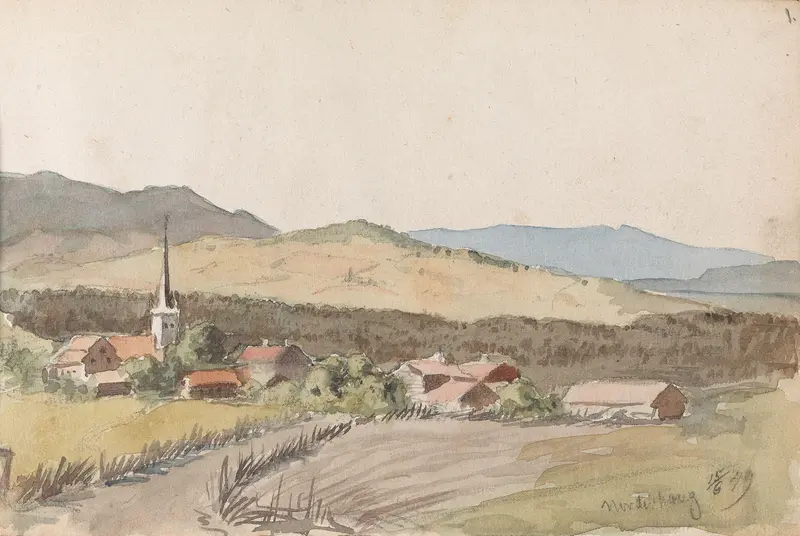
Fra Haugsbygd
Adolph Tidemand
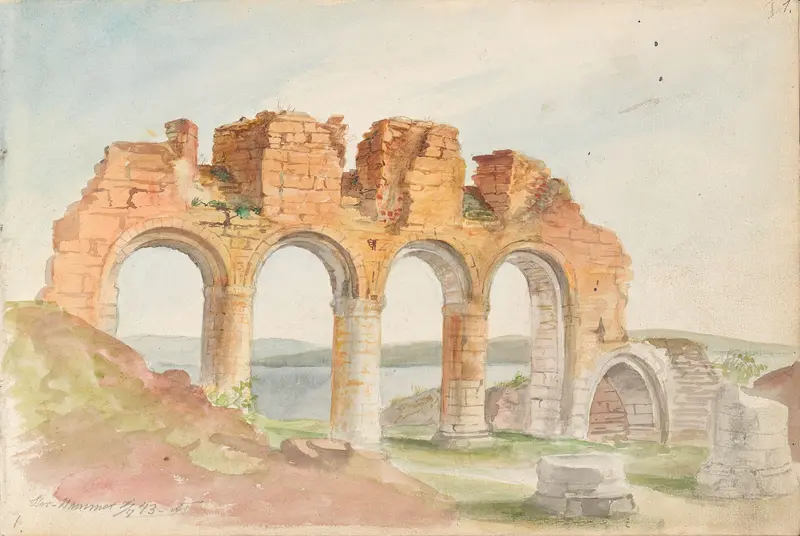
Domkirkeruinen, Hamar
Adolph Tidemand
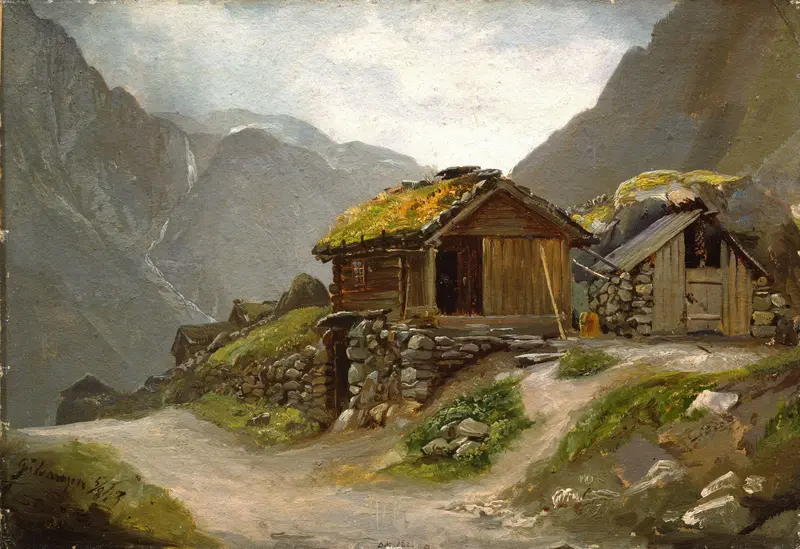
View from Gudvangen
Adolph Tidemand

View of Gudvangen
Adolph Tidemand
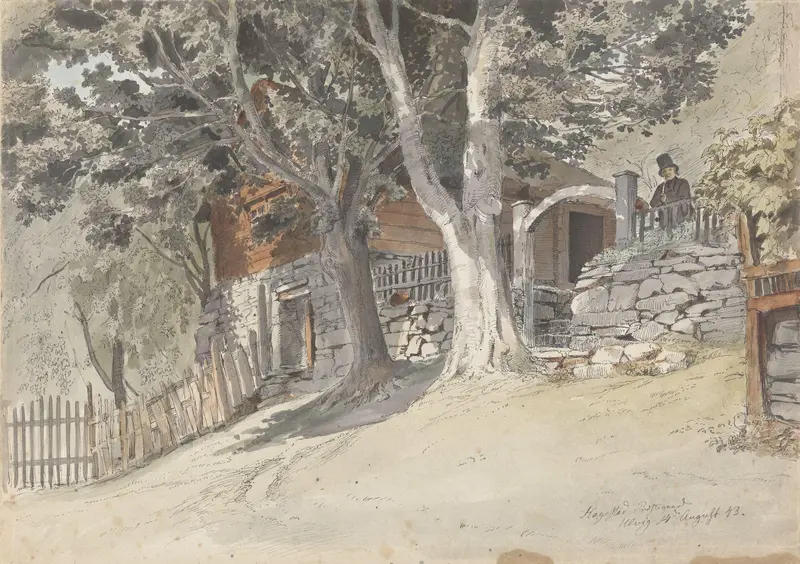
Hagestad prestegård, Ulvik i Hardanger
Adolph Tidemand
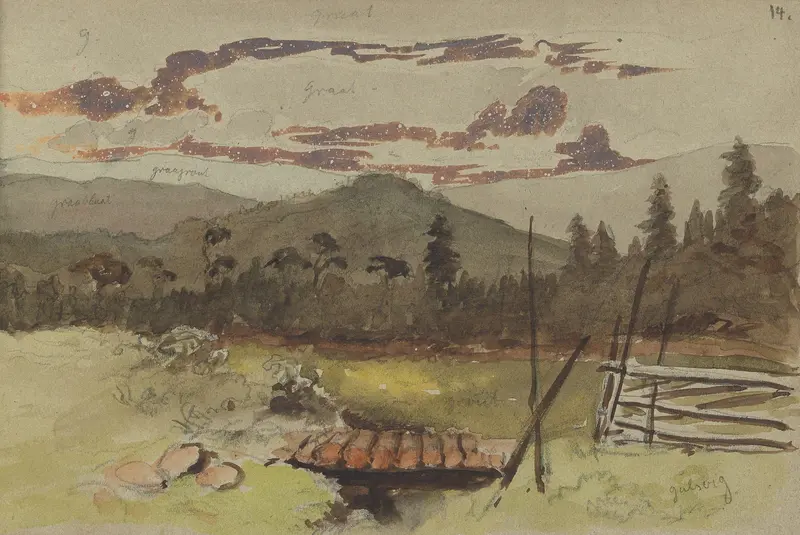
Fra Gulsvik
Adolph Tidemand
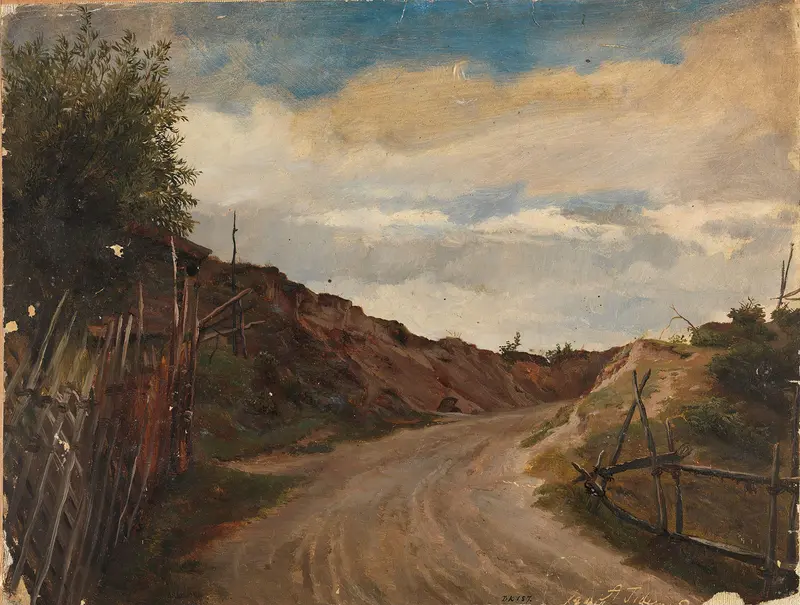
Country Road
Adolph Tidemand
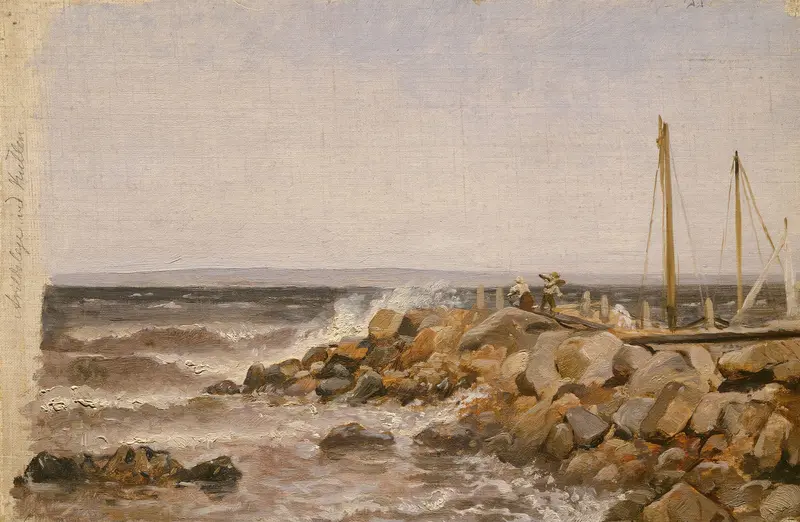
From Kullen in Sweden
Adolph Tidemand
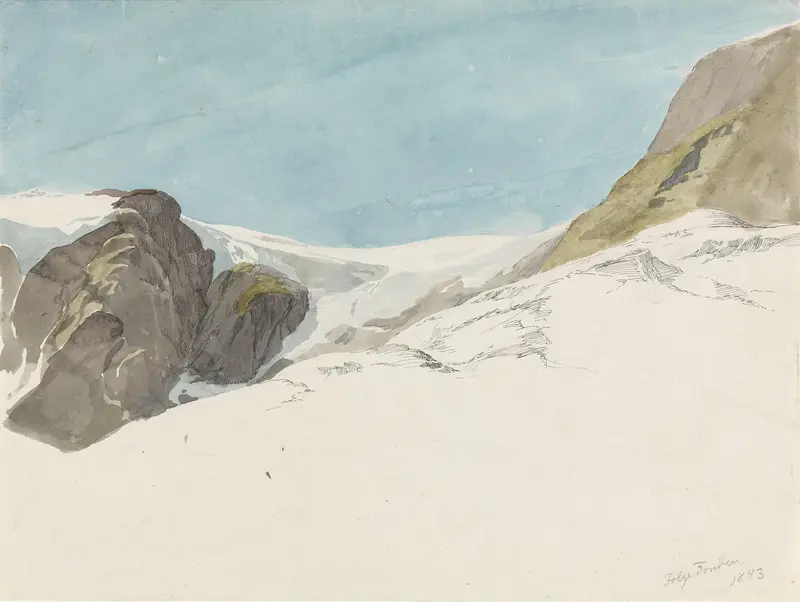
Untitled
Adolph Tidemand
More Genre Scene Art

Banquet of the Officers of the St George Civic Guard
Frans Hals

Rembrandt and Saskia in the Scene of the Prodigal Son
Rembrandt van Rijn

Bal du moulin de la Galette
Pierre-Auguste Renoir

Quadrille at the Moulin Rouge
Henri de Toulouse-Lautrec

A Burial at Ornans
Gustave Courbet

When Will You Marry?
Paul Gauguin