
Charity — History & Facts
What first catches the eye in Charity is the intimate tangle of arms and gazes, a living knot of affection and need. The central figure, serene and strong, offers her breast to one child while another clings to her, and a third, perched higher, reaches for a cluster of grapes she holds aloft. The gestures are deliberate: nourishment from the body, sweetness from the earth, and a kiss exchanged at the threshold between mother and child.
Draped in luminous folds of red, yellow, and white, the woman’s form glows against the cool, distant landscape, guiding the viewer’s attention to her open-handed generosity. Even the urn at her feet, rendered with care, hints at abundance and the flow of sustenance. Painted around 1560, this work by Alessandro Allori belongs to a tradition where allegory and idealized beauty served both moral instruction and visual delight. In Renaissance Florence, images of Charity—one of the cardinal virtues—were favored for private devotion and public display alike, embodying the era’s fascination with virtue made visible.
Allori, trained in the circle of Bronzino, brings a refined elegance to the scene, with soft modeling and a landscape that opens onto a world of possibility. Now in the collection of the Minneapolis Institute of Arts, this painting stands as a testament to a period when painters sought to teach and to please, inviting us to linger over the gestures and meanings woven into every detail.
More Artworks by Alessandro Allori

Francesco de' Medici
Alessandro Allori
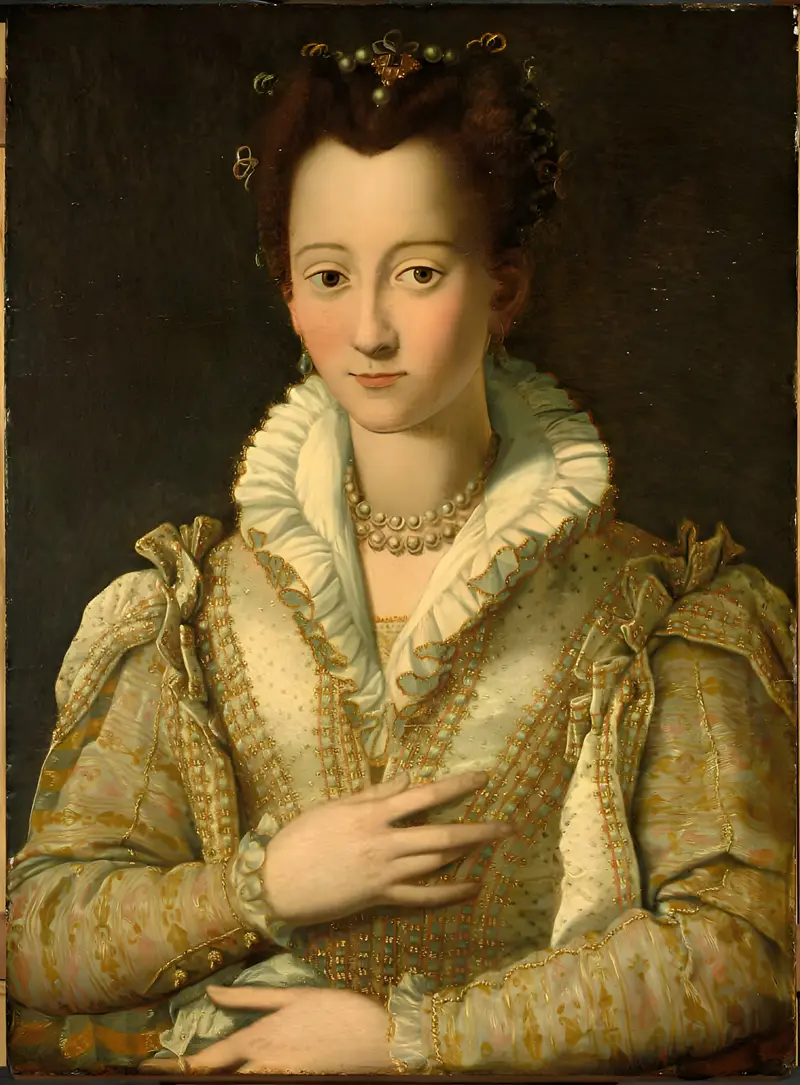
Portrait of a Woman
Alessandro Allori

The Abduction of Proserpine
Alessandro Allori
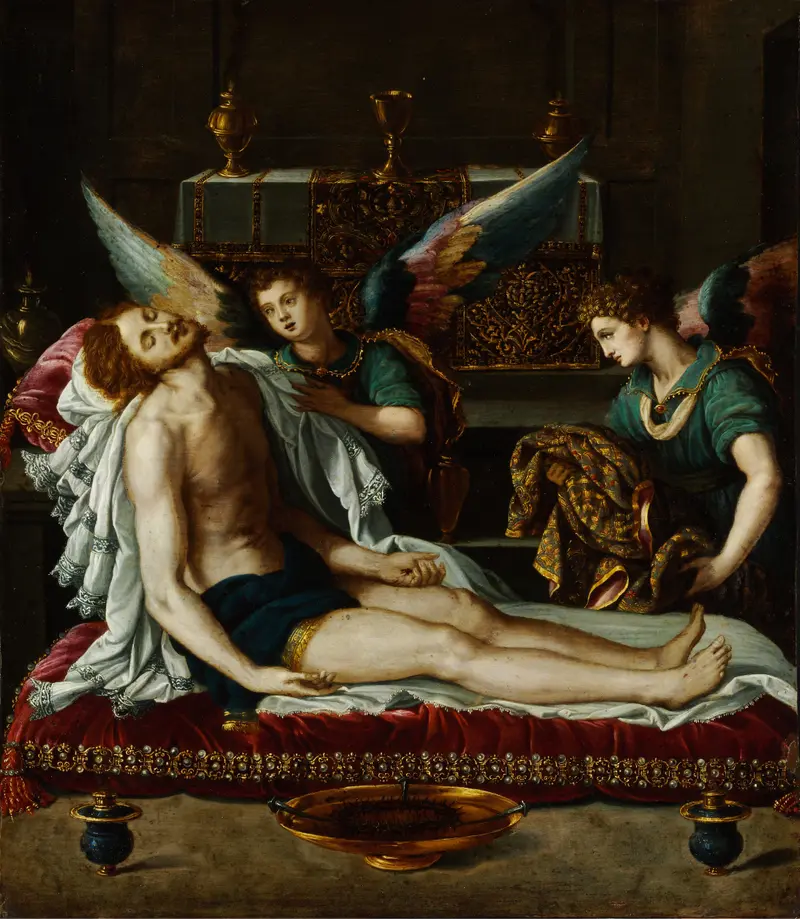
The Body of Christ Anointed by Two Angels
Alessandro Allori

Self-portrait
Alessandro Allori
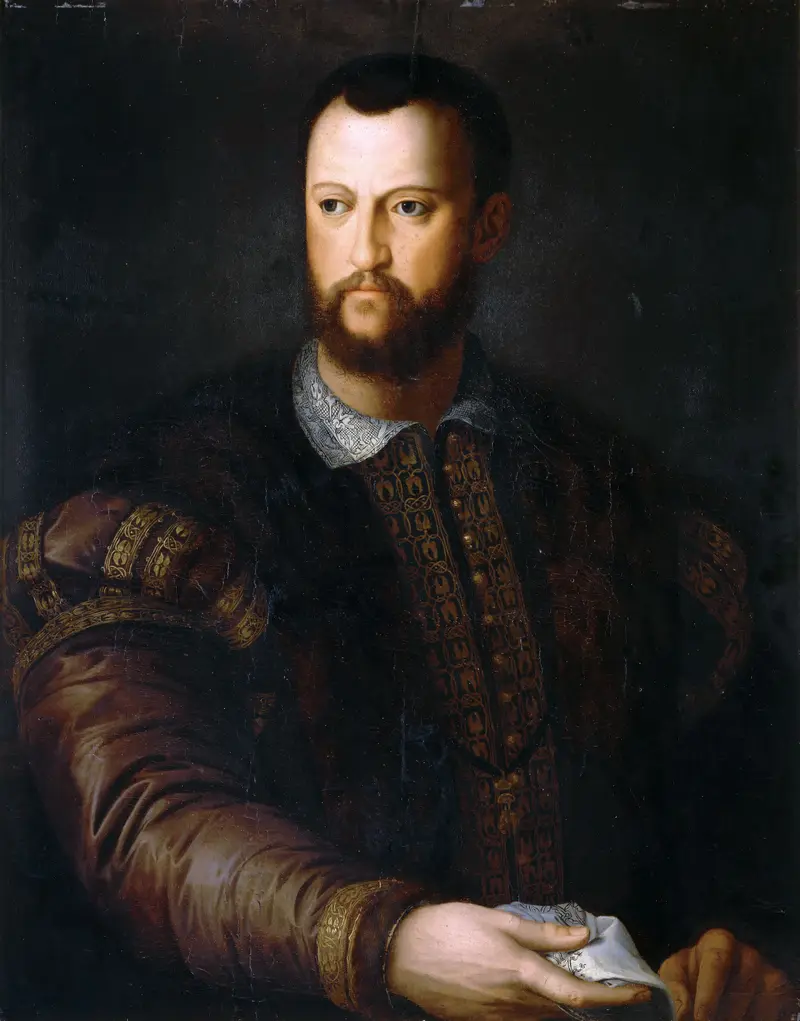
Portrait of Cosimo I de' Medici
Alessandro Allori
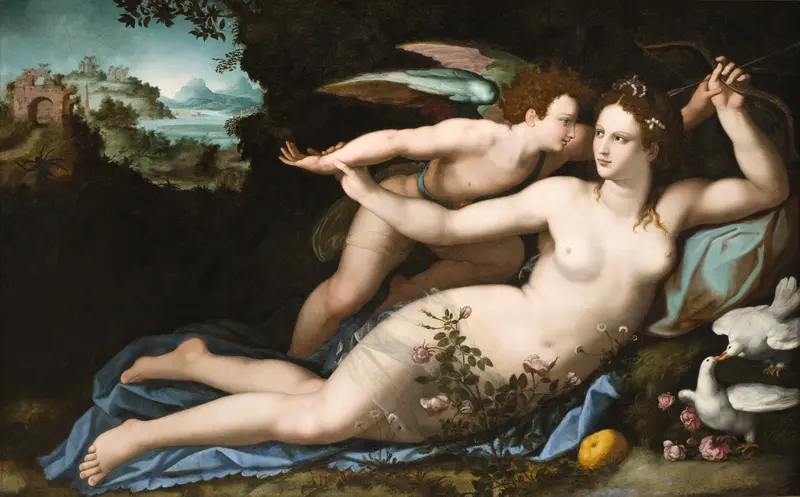
Venus disarming Cupid
Alessandro Allori
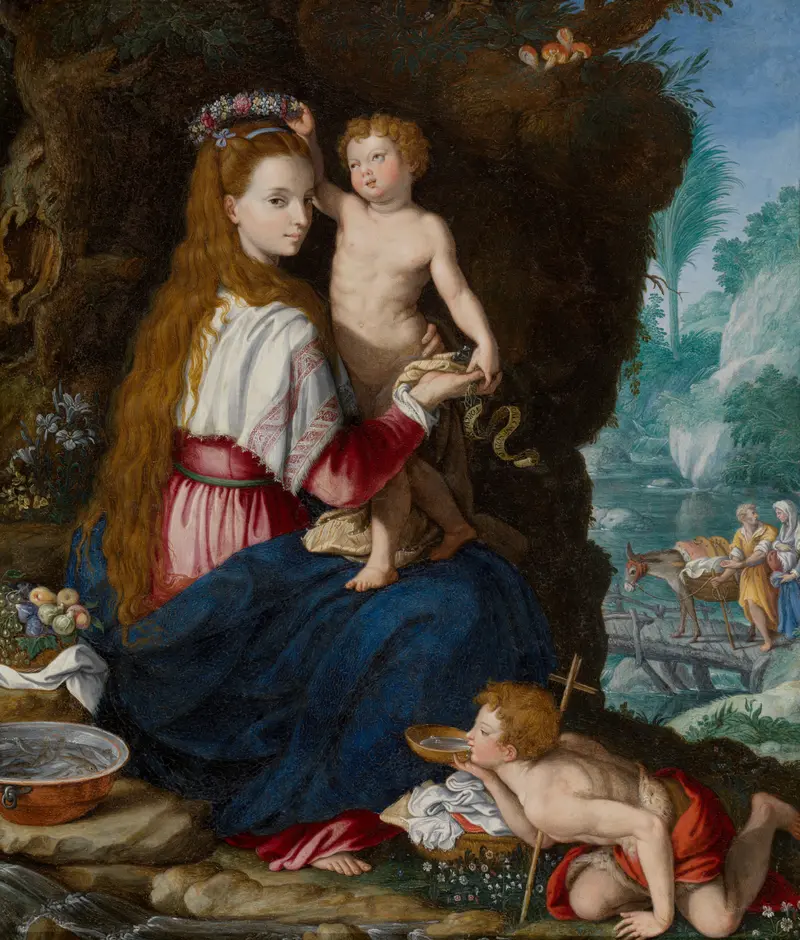
Madonna with Little Saint John
Alessandro Allori
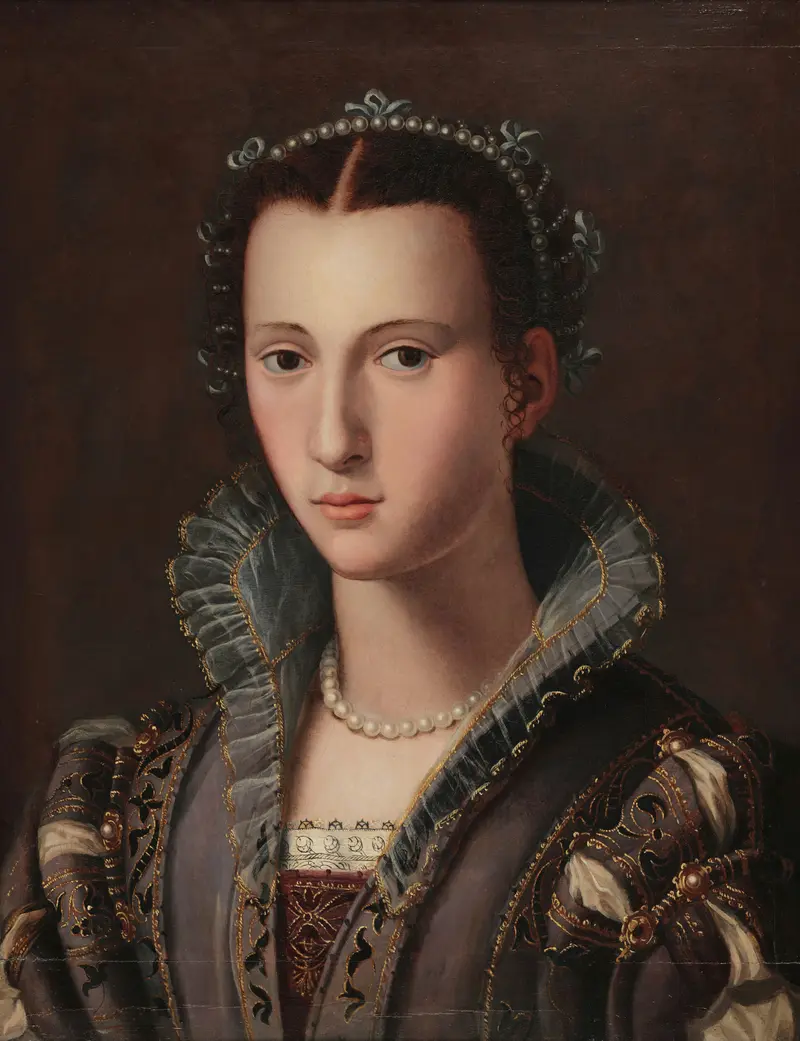
Portrait of a Florentine Lady
Alessandro Allori
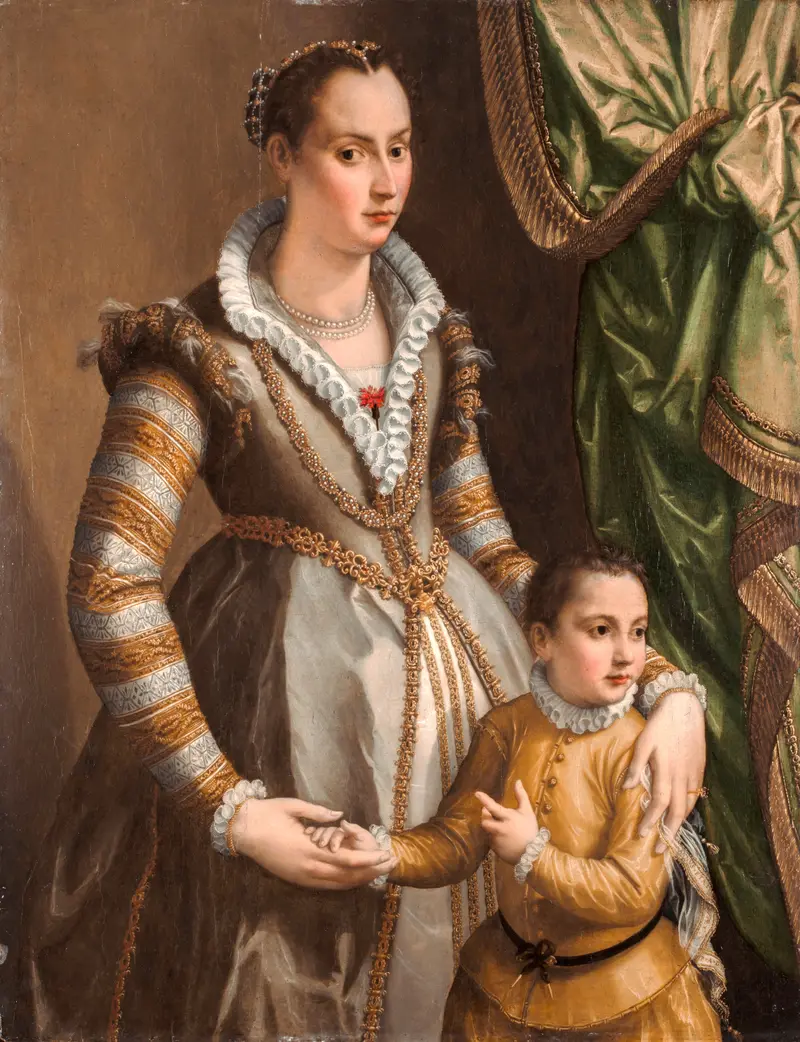
Portrait of a Noblewoman with her Son
Alessandro Allori





