Chemin Montant — History & Analysis
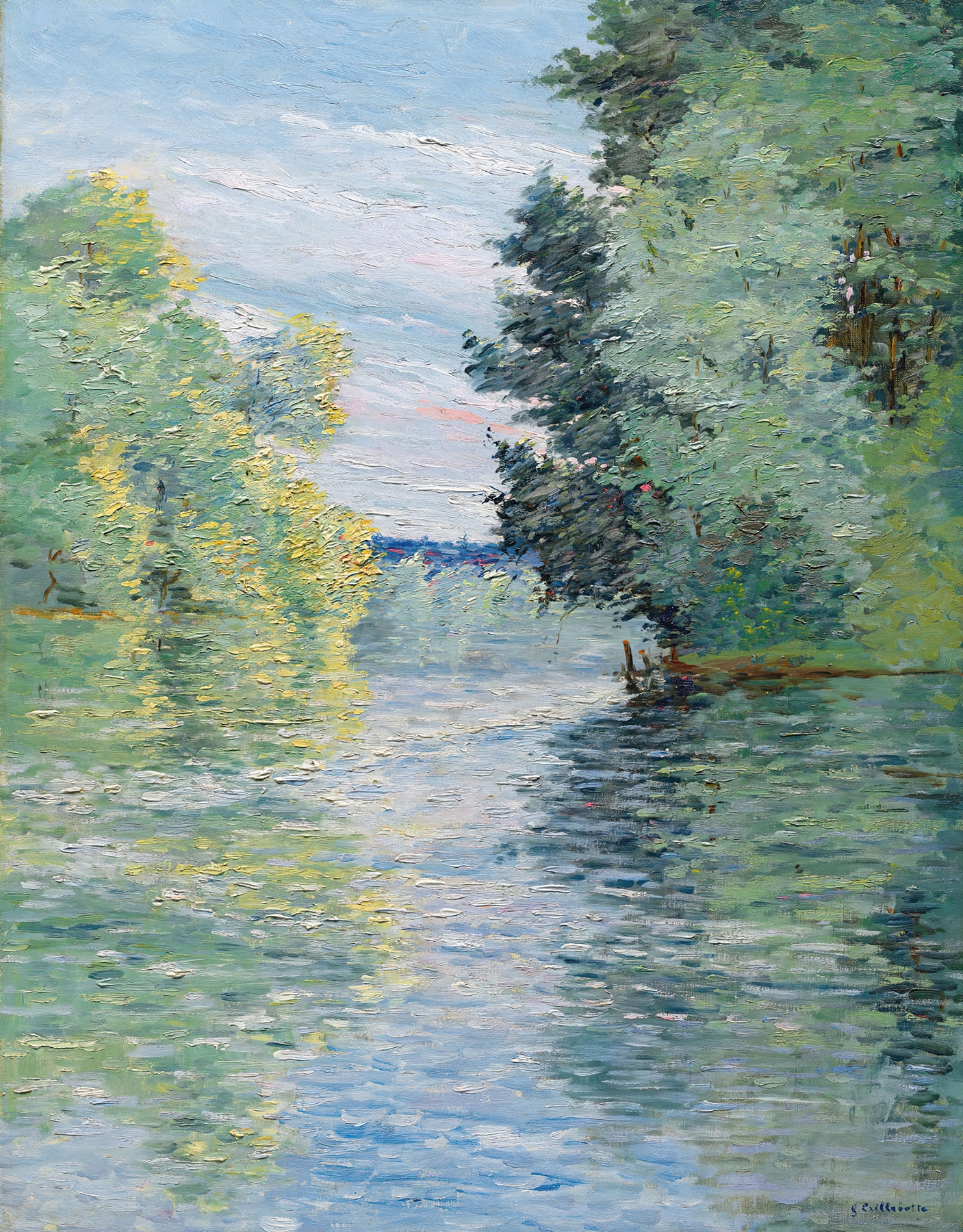
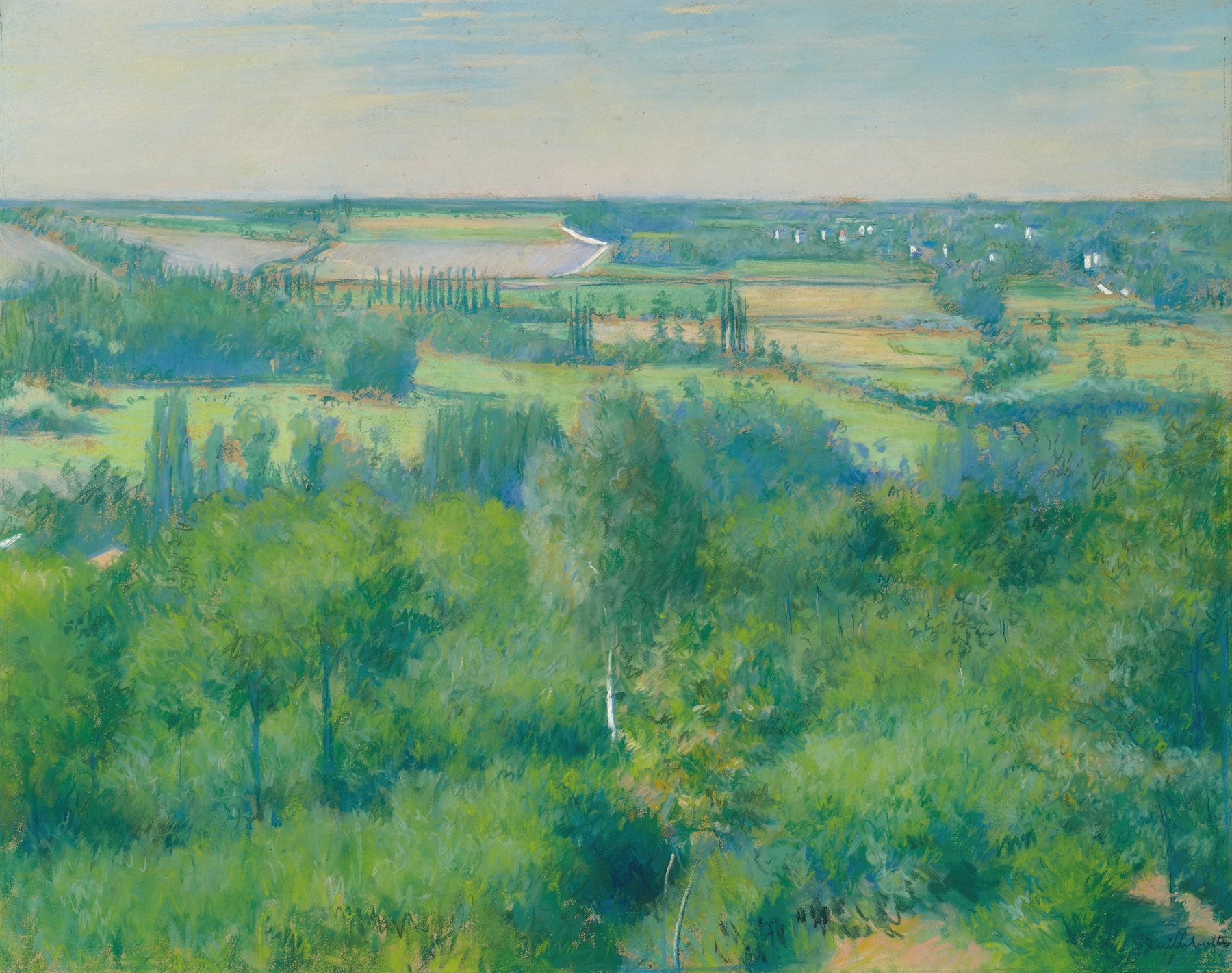
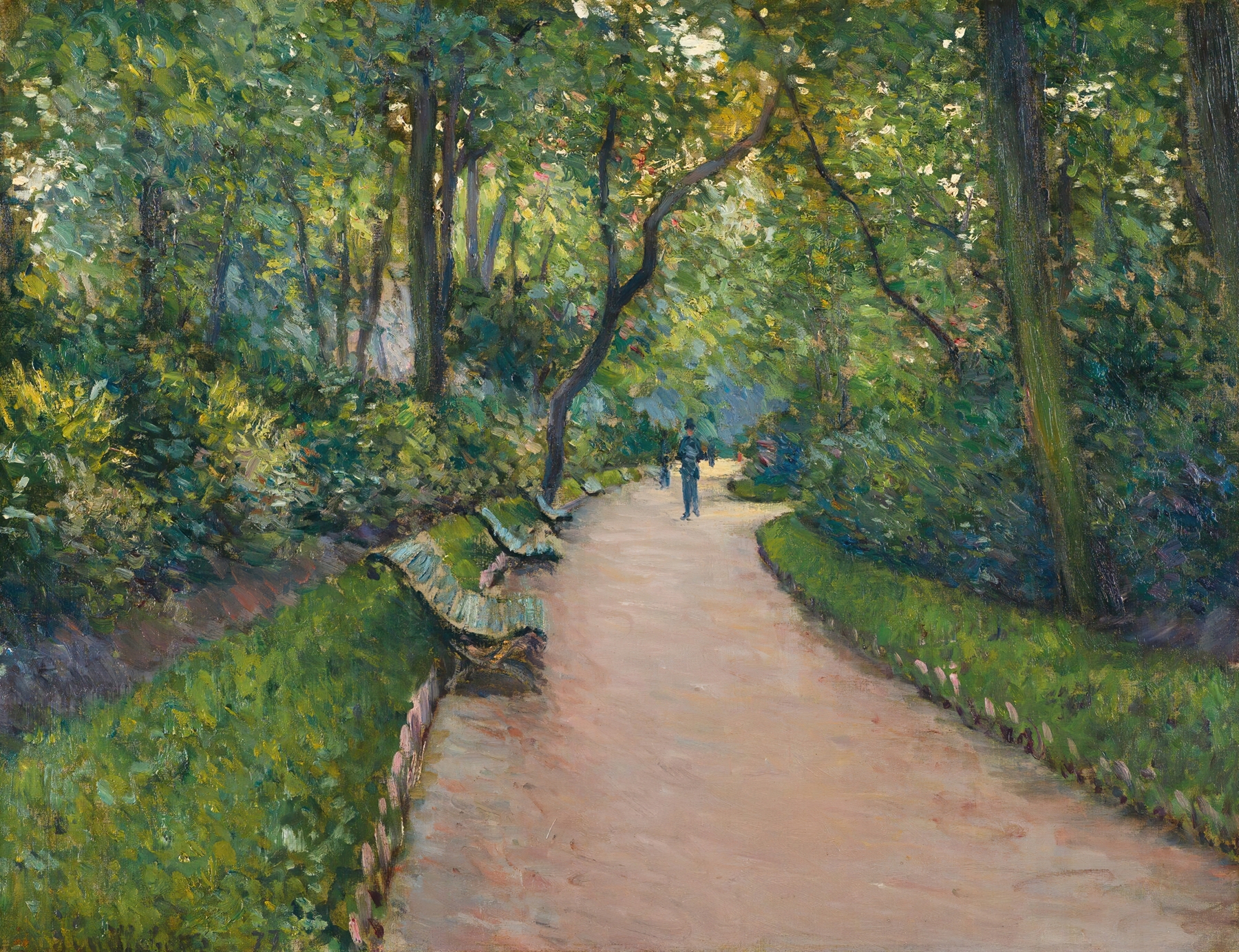
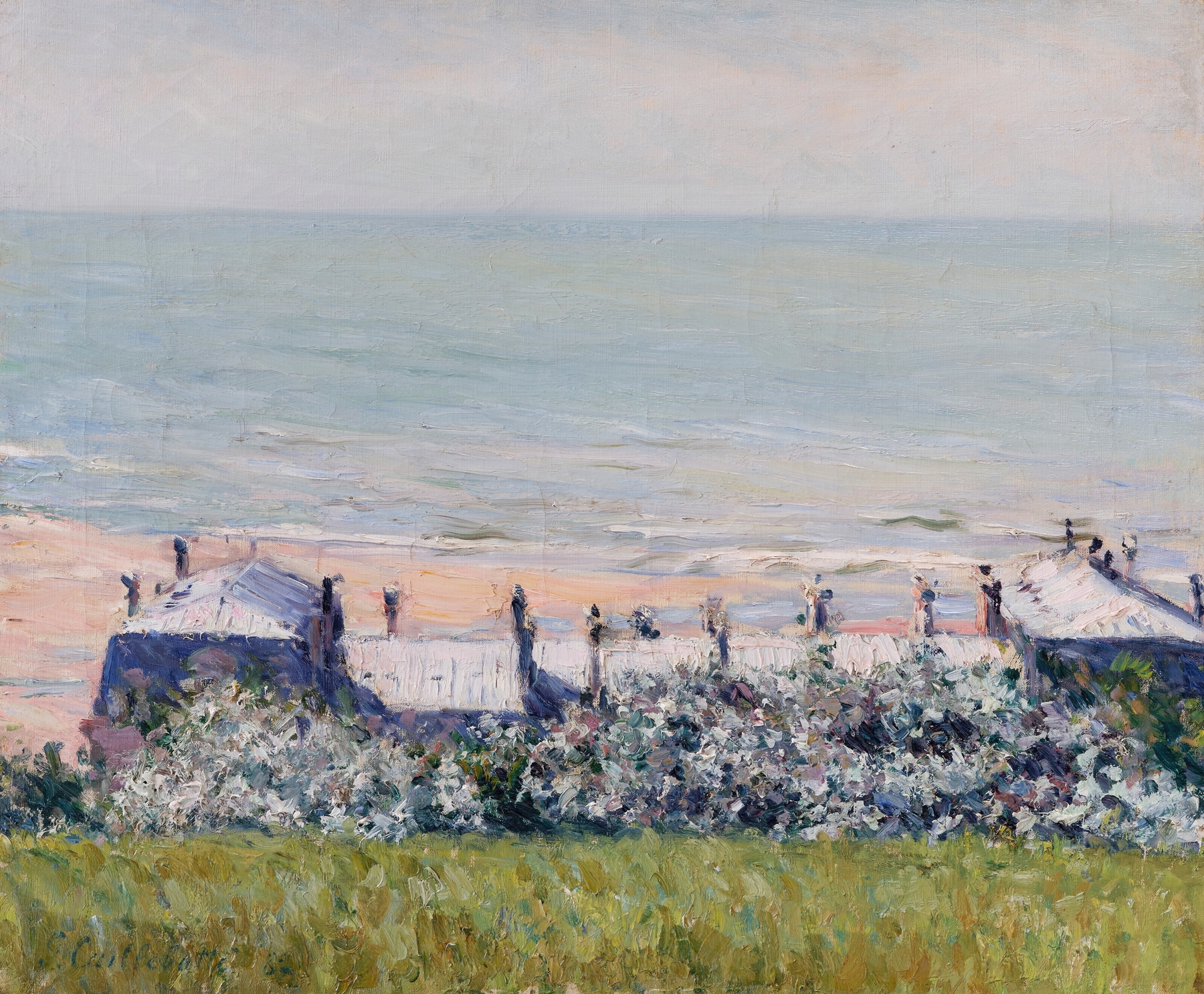
“Between color and silence, truth hides.” In a world where the mundane intertwines with the sublime, divinity is often found in the simplest of moments. Look to the center of the canvas, where a gently sloping path invites the viewer's gaze. Caillebotte deftly captures the soft play of light, dappling through the trees, casting a mosaic of shadows and illuminations that dances on the earth. Notice how the vibrant greens of the foliage contrast with the earthy tones of the path, creating a harmonious balance that draws you deeper into the scene, as if beckoning you to step onto that very trail.
Yet, there is more beneath the surface. The seemingly tranquil atmosphere holds a tension — the trees almost lean in, enveloping the figure in their embrace, while the unseen depth of the path suggests a journey toward an unknown destination. This interplay reveals a meditation on solitude and the divine connection between nature and humanity. The upward slope of the road hints at ascension, whispering of spiritual elevation amidst the quietude of the natural world.
In 1881, Caillebotte was rooted in Paris, immersed in a thriving artistic community yet striving for individual expression. This painting reflects the Impressionist movement's evolving focus on everyday scenes while subtly infusing a sense of transcendence. The artist's personal life, marked by both privilege and a quest for authenticity, influenced his choice to portray this seemingly ordinary moment as one tinged with profound meaning.