
Chestnut Trees above a River — History & Facts
What first catches the eye in Chestnut Trees above a River is the restless energy of the trees themselves: trunks twisting, branches reaching, foliage rendered in a vivid, almost electric yellow-green. The artist, Auguste Lepère, draws you into a moment where sunlight pours across the riverbank, each patch of shadow and light carefully observed. The river, glimpsed through the tangle of trunks and leaves, is less a destination than a cool, shimmering presence that anchors the scene.
Lepère’s strokes are quick, confident, and layered, suggesting the movement of air and the quiet drama of a landscape alive with growth. The low vantage point and the way the trees arch overhead invite the viewer to step into the dappled shade and feel the slope beneath their feet. Created around 1900, this work belongs to a period when artists across Europe were captivated by the changing face of nature and the fleeting effects of light. Lepère, known for his prints and landscapes, was part of a generation for whom the countryside was both a retreat and a laboratory for new ways of seeing.
Such landscapes were often made for private collectors or as studies for larger works, capturing the immediacy of a place at a specific hour. Today, this piece is preserved in the National Gallery of Art, a testament to the enduring appeal of scenes that celebrate the ordinary magic of trees and water. Notice how the artist’s hand is always visible—in the restless outlines and vibrant color—reminding us that every landscape is also a record of looking.
More Artworks by Auguste Lepère

Le Pont-Neuf (Paris)
Auguste Lepère
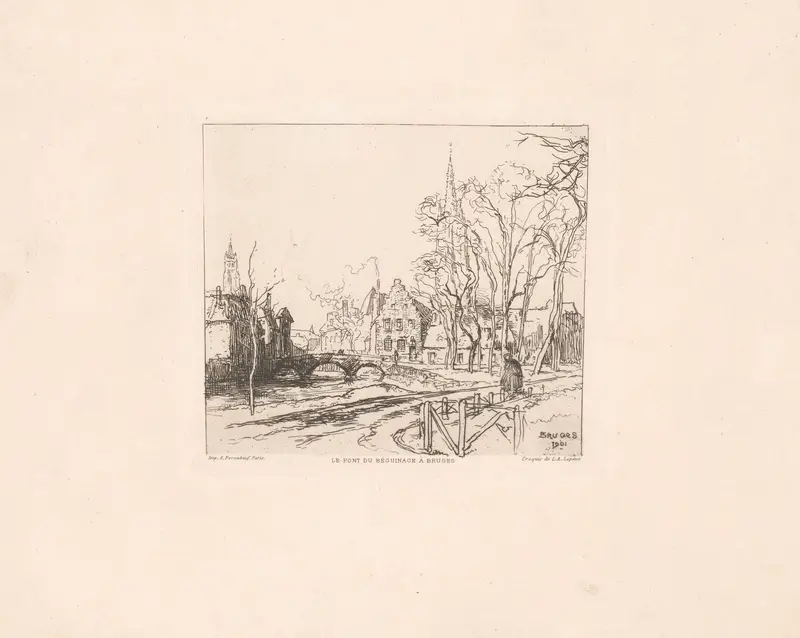
Le pont du Beguinage à Bruges
Auguste Lepère
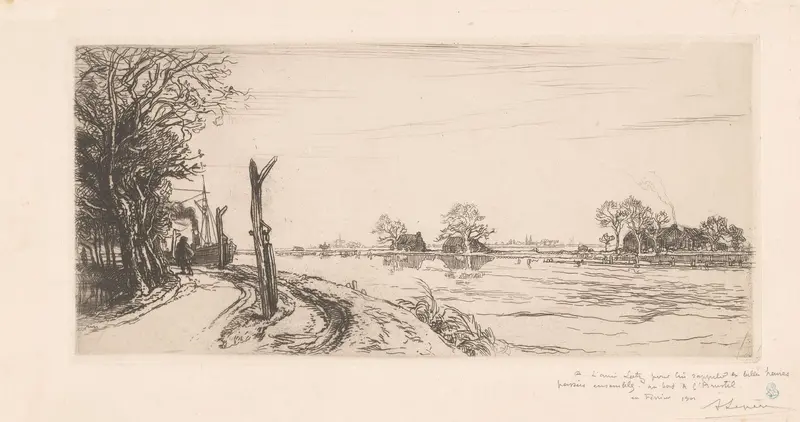
Au bord de l’Amstel
Auguste Lepère
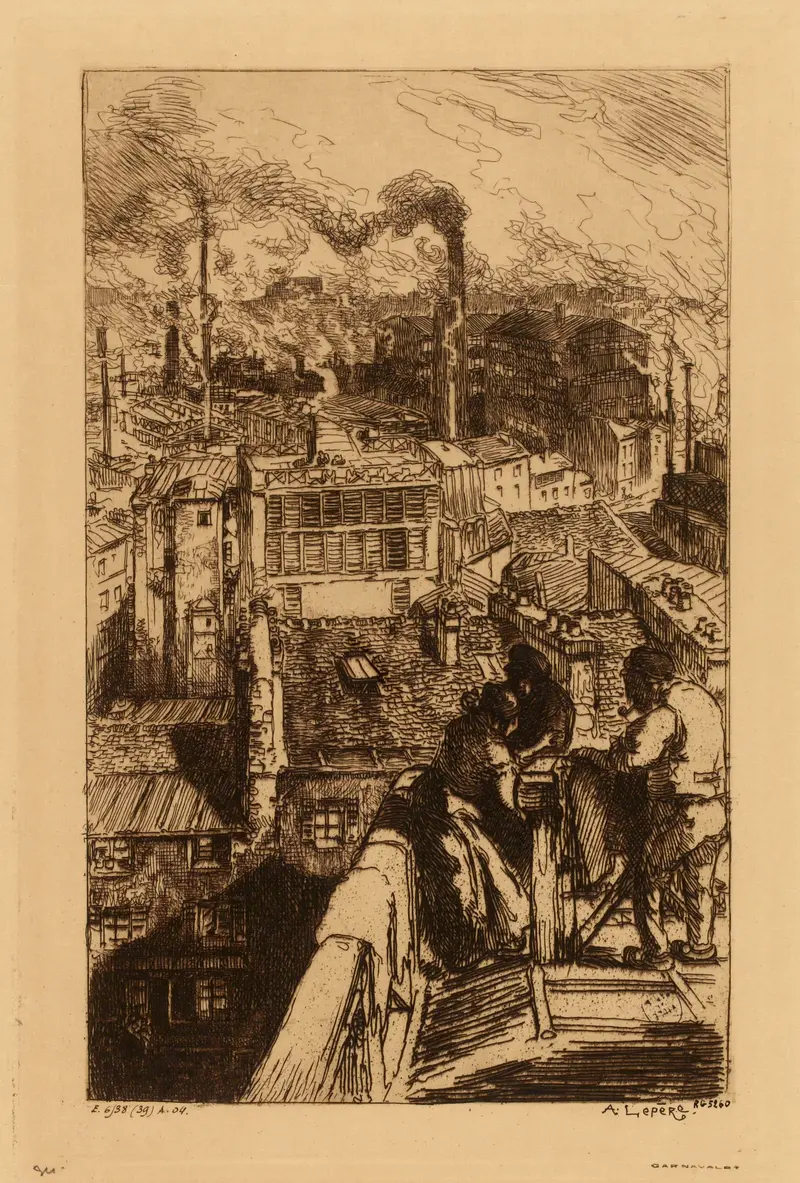
Le quartier des Gobelins
Auguste Lepère
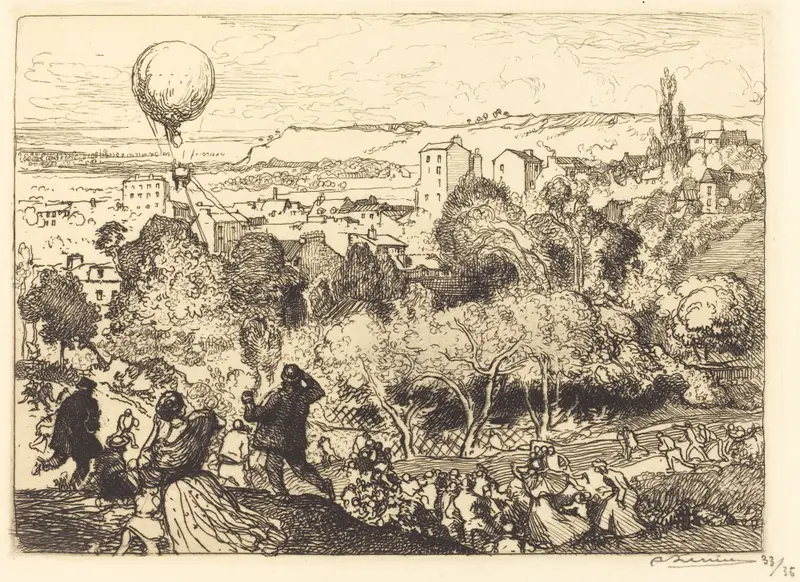
The Falling Balloon, in Pre-Saint-Gervais (Lebaloon qui tombe, au Pre-Saint-Gervais)
Auguste Lepère
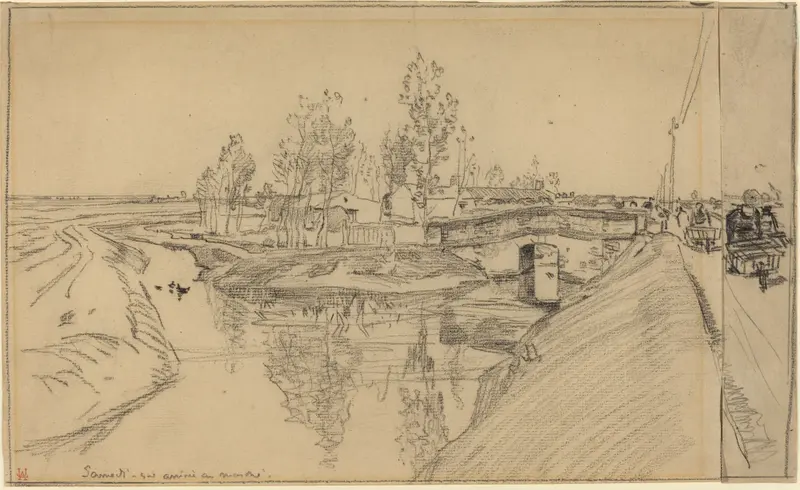
Arrivee au Marche
Auguste Lepère
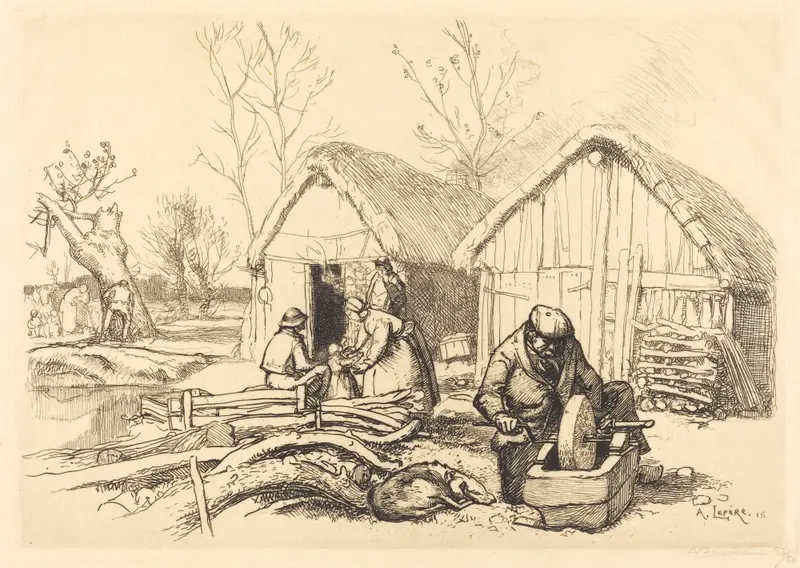
The House of the Woodcutter, Vendee (La maison du bucheron, Vendee)
Auguste Lepère
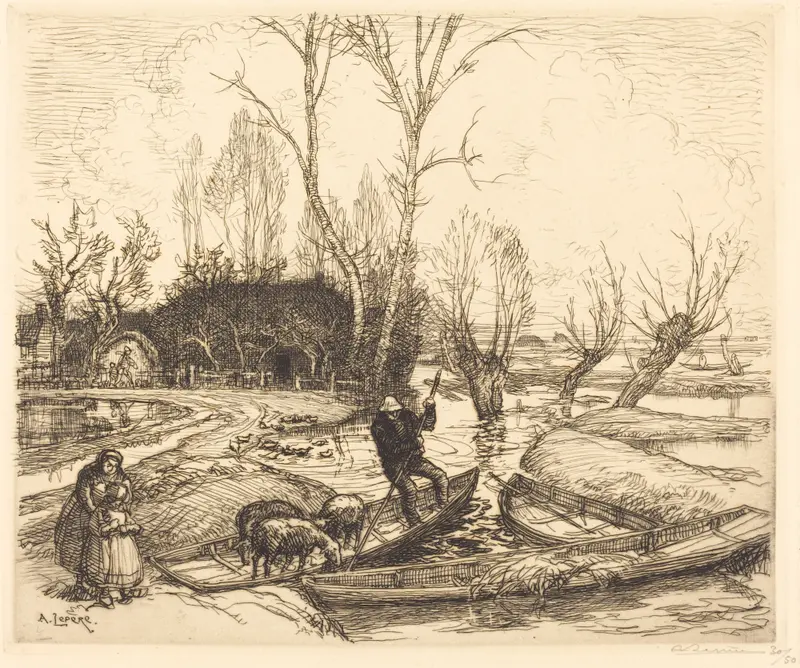
In the Deluged Marsh - The Shepherd (Au marais inonde - Le berger)
Auguste Lepère
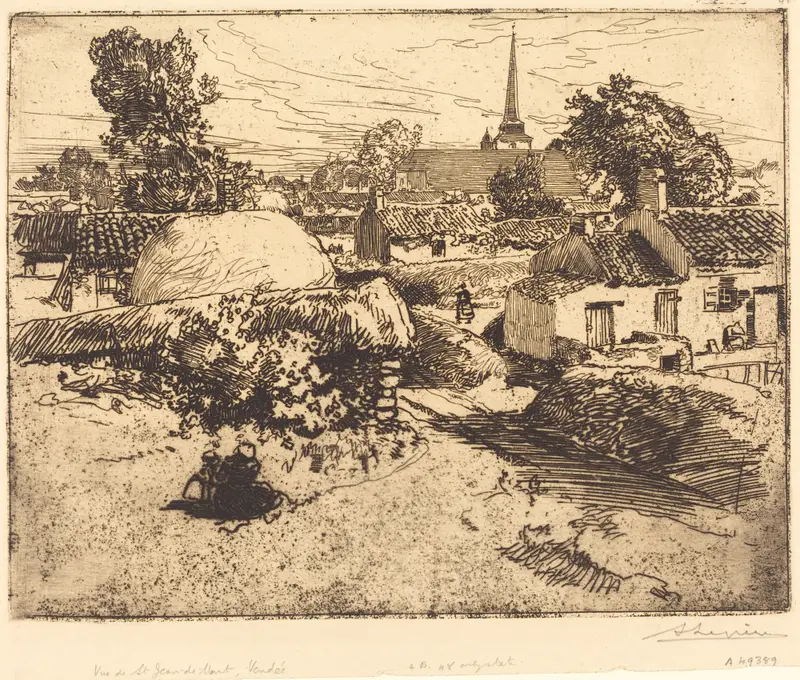
View of St.-Jean-de-Mont, Vendee (Vue de St.-Jean-de-Mont, Vendee)
Auguste Lepère
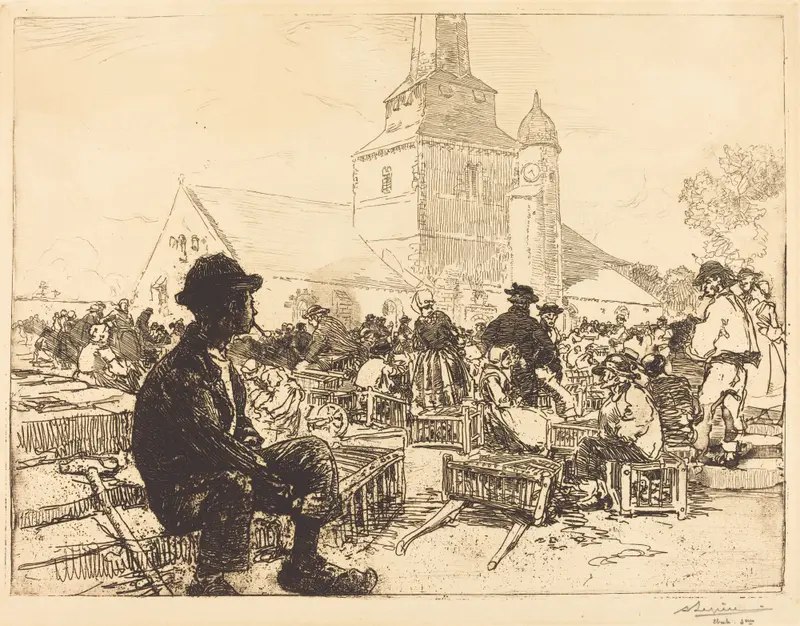
Poultry Market at St.-Jean-de-Mont (Marche a la volaille, a St.-Jean-de-Mont)
Auguste Lepère
More Landscape Art

The Starry Night
Vincent van Gogh

View of Delft
Johannes Vermeer

Water Lilies
Claude Monet

The Grand Canal, Venice, looking north-west from the Ca' Corner to the Ca' Contarini degli Scrigni, with the campanile of Santa Maria della Carità
Canaletto

Windsor Castle
Canaletto

The Grand Canal looking North-East from the Palazzo Dolfin-Manin to the Rialto Bridge
Canaletto